I Did the Volumetrics Diet for 30 Days

| Dec 10, 2021 / 8 min read
Volumetrics Diet

The volumetrics diet was something I stumbled across by accident. After some digging into what it was and writing about it here on BOXROX, I decided to try it for myself. Here is what happened during my 30 days volumetrics diet.

I first heard about the volumetrics diet when I was searching for the latest on nutrition. I like to try new things, especially when it comes to diets, as I know the limits I can push my own body.

The craziest I’ve ever done was an extreme version of the warrior diet, in which I only ate as much broccoli and blueberries during a 4-hour period every day. For the remainder of 20 hours, I would keep fasting and would drink only water. I did it for 7 days without any complications, but I’m here to tell you not to try it. Seriously.
volumetrics diet

The volumetrics diet, however, was not something I had planned on doing. While interviewing Justin Romaire, a nutrition coach and founder/CEO of Consistency Breeds Growth, is when I decided to take on the challenge. I thought he was going to tell me the volumetrics diet was a hoax and we should not pay attention to it, but he said the opposite. “It’s a great way to get people to lose weight,” he said.

So I tried it for 30 days the volumetrics diet and… yes, it works.

Let me explain what the volumetrics diet is in a few sentences and then I’ll take you through each week doing it.

What Is the Volumetrics Diet?

You can read all about it in this article I wrote for BOXROX back in June, 2021. There I go through the ins and out of the diet that was created by Barbara Rolls, a PhD. professor and chair of Nutritional Sciences at Pennsylvania State University, in the United States, where she heads the Laboratory for the Study of Human Ingestive Behavior.

If I could explain to someone in one sentence what is the volumetrics diet (which I had to in many cases) I would say:

volumetrics diet is the diet that makes you “eat” water.

By “eat water” I mean eating everything that is full of water. Why water? Because water has no calories, and the fewer calories you eat, the easier it is to lose weight.

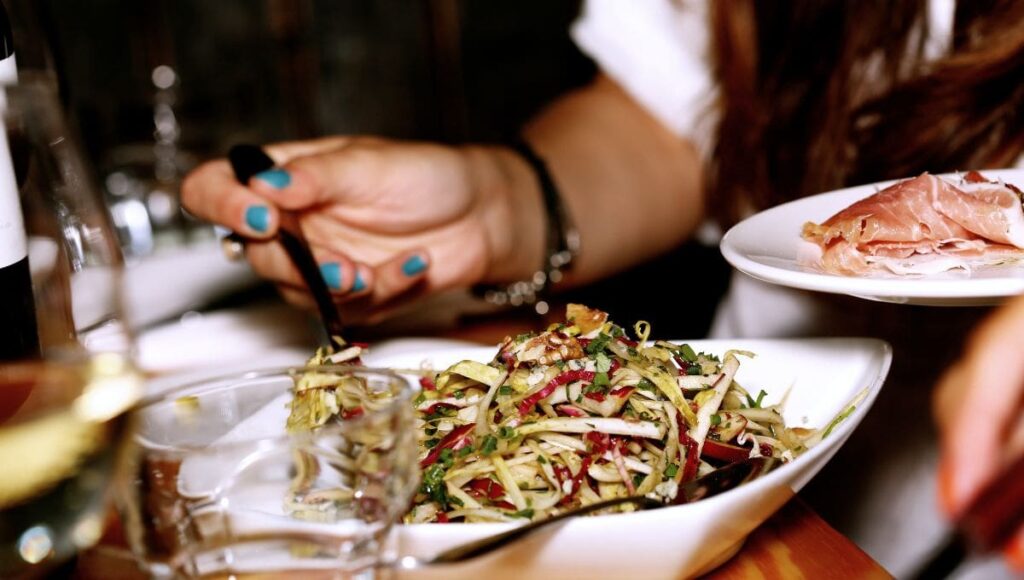
The twist of the volumetrics diet is that you can eat as much as you want, as long as you focus heavily on ingredients that are heavily packed with water such as cauliflower, zucchini, tomatoes, watermelon, berries in general, broccoli, turkey breast, and so on.

The ultimate goal of the volumetrics diet is to make you feel full while eating fewer calories. It’s that simple. The diet also advocates for people to systematically increase the number of steps they do daily up to 10,000.

My Body Measurements

I decided to start the volumetrics diet on September 20. Before anything else, I had to take measurements of my body. I did it on the morning of the 20th, planning to take measurements again during the morning after my last day on the diet.

  • Weight – 90.8 kg (200 lbs)
  • Body fat – 14.6%
  • Waist circumference – 104 cm (41 inches)
Before I started the Volumetrics Diet for 30 days.

Just so you know, I am 1.86m tall (6’1’’) so weighting close to 91 kilos is considered slightly overweight. I am 35 years old and, as a journalist, I work from home sitting in front of a computer – both play a huge impact in how much weight I can lose.

Another crucial detail you must know is that I have been consistently losing weight for the better part of the year. At the beginning of 2021, I was weighing 96 kilos (211 lbs), but started doing home workouts and saw some good results. I wanted to keep seeing better results and the volumetrics diet sounded like a good plan to follow while recording my results.

Volumetrics Diet – Week 1

My first obstacle with the volumetrics diet occurred on the very first meal of the very first day: breakfast.

I have been doing intermittent fasting for a good part of the year now and I have no problems at all at ditching breakfast if it means I will eat fewer calories. I am not one of those people that feel hungry or binge-eat if I miss a meal, so intermittent fasting works wonders for me.

However, the volumetrics diet preaches that people should have a minimum of three meals a day, and perhaps snacks in between. I decided not to do any snacks at all, as that will only be detrimental to my goal of losing weight. But breakfast would be a normal thing from now on.

Typical meal during week 1:

  • Breakfast: cereal with 1.5% milk or 0.1% yoghurt and some fruit.
  • Lunch: boiled eggs or chicken breast, salad with tomatoes, paprika, aubergine, pickles and broccoli.
  • Dinner: sweet potato and carrot soup or roasted vegetables.

My physical activity was very limited during the first week. I managed to go outside during the weekend for long walks, but that was pretty much it. In terms of steps counting, I failed miserably to follow the volumetrics diet guidelines.

Volumetrics Diet – Week 2

At the beginning of the second week, I decided to check my weight and was happy to see one kilo (2.2 lbs) lighter. That could have been water or even muscle mass. However, if you see progress straight away, chances are you will keep doing it.

Typical meal during week 2:

  • Breakfast: cereal with 1.5% milk and some fruit.
  • Lunch: 80g of lean cut grilled steak, leafy green salad with tomatoes.
  • Dinner: Lentil soup.

I also started adding skipping ropes and burpees regularly since I knew walking 10,000 steps was going to be tough to fulfil.

Volumetrics Diet – Week 3

The volumetrics diet works as a low-calorie eating habit without the need for you to count your calories. However, thinking I already hit a plateau with my weight loss goal, I decided to take a deeper look into the number of calories I was putting in my body.

And my biggest issue since day 1 of the volumetrics diet challenge came back to haunt me. Since I was not used to eating breakfast every day, a cereal bowl with low-fat milk should be enough, but those calories added a bigger portion of my daily intake than I realized.

My solution was to change to a smaller bowl of cereal and continue with my normal eating habits.

Typical meal during week 3:

  • Breakfast: cereal with 1.5% milk.
  • Lunch: fried vegetables and grilled chicken breast.
  • Dinner: avocado toast.

It was during week 3 that I managed to get a crosstrainer (or elliptical machine) to help me burn more calories than before.

A quick online search showed that 10,000 steps are equivalent to 8 kilometres (around 5 miles). Since then, I would do 8 kilometres on the crosstrainer every day to increase my calories spent, thus helping with losing more weight.

Volumetrics Diet – Final Week

Towards the end of the diet, I remembered the best way to lose weight while eating a lot, which is what the volumetrics diet is all about. The book is filled with recipes (I even cooked the volumetrics spaghetti Bolognese), but there was one big column that the book did not tackle regarding its recipes: trading pasta or rice for vegetables.

It was on the last week of the volumetrics diet that I substituted rice with cauliflower rice and pasta with zoodles. Cauliflower and zucchini are water-dense vegetables and made the perfect combination to lose weight and eat as much as possible without adding the calories.

Zoodles vegetable pasta spaghetti
Zoodles are a practical way to eat fewer calories.

Typical meal during week 4:

  • Breakfast: cereal with 1.5% milk.
  • Lunch: Cauliflower rice with minced meat and tomato sauce.
  • Dinner: tapioca with ham and cheese.

Final Results

On the 31st day after I started my volumetrics diet journey, I stepped on the scale to see the results. Better than I expected.

 Before After
Weight90.8kg (200lbs)Weight86.8kg (191lbs)
Body Fat14.6%Body Fat13.7%
Waist Size104cm (41 inches)Waist Size100cm (39.7 inches)
Volumetrics Diet
Volumetrics Diet

Conclusion

The volumetrics diet worked for me, so you should do it too, right? Not necessarily. What this diet helps with most is what Justin Romaire, from Consistency Breeds Growth, told me before I even thought about trying it for myself. “This diet is good to teach people and help them realise how they can control their calorie intake.”

As previously mentioned, I know how far I can push my limits, be it regarding what I eat, how often, or even how much. I knew trying the volumetrics diet would not be a problem for me at all.

However, if this diet does not sound like something you could follow consistently, then perhaps you should not try it. You should do what fits your lifestyle and something you can keep for a long period of time (not just 30 days challenge).

I guess the biggest conclusion from this diet is a bit of health advice as old as time itself. Eating healthier and doing sports consistently will help you lose weight.

Final note: although I have not continued the volumetrics diet after the 30-day challenge, I have incorporated some of what I have found into my daily routine to keep losing weight and achieving my personal goals.

image sources

Tags:
30 day challenge robert born volumetrics diet