This is possibly the worst diet for belly fat, as confirmed by MRI scans and newly published scientific studies. However, that does not put a certainty that you should follow this blindly – talk with your doctor as each person is unique and can react to the same diet differently.
The notion that “a calorie is just a calorie” has been foundational in nutritional science for decades. However, recent research indicates that this concept oversimplifies the complex ways in which different macronutrients interact with the brain. It’s becoming increasingly clear that our brains do not treat all calories equally, with significant implications for obesity research, dietary recommendations, and our understanding of food-related behaviours. This article delves into the nuanced relationship between the brain’s response to various macronutrients and its effects on our dietary choices, highlighting the role of dopamine in mediating these interactions.


Emerging evidence, particularly from studies utilizing functional Magnetic Resonance Imaging (fMRI), challenges long-held beliefs about diet and nutrition. These insights reveal a complex picture of how macronutrients such as fats and carbohydrates uniquely influence the brain’s reward system, potentially reshaping our approach to managing weight and combating obesity.
The information in this article was largely based on the knowledge from Thomas DeLauer and what he said in a recent video. Thomas DeLauer is a celebrity trainer and health author. His YouTube Channel has more than 3.5 million subscribers and he has been on the cover of numerous international magazines.
By examining the intricate relation between dietary composition and neurochemical responses, we can begin to unravel the mystery of why certain eating patterns are more difficult to maintain than others and how diets might be optimized for individual health outcomes.
Related: 10 Diet Mistakes That Are Ruining Your Muscle Gains
The Role of Dopamine in Dietary Choices
Dopamine, often dubbed the “feel-good” neurotransmitter, plays a crucial role in our pleasure and reward systems. Traditionally associated with the enjoyment of food, dopamine’s involvement in eating behaviours is far more sophisticated than mere pleasure-seeking. Recent studies have shown that the brain’s response to different macronutrients can significantly affect dopamine levels, influencing our cravings, satisfaction, and ultimately, our eating habits. This neurochemical response varies notably between low-fat and low-carb diets, offering a new perspective on how dietary composition can impact our desire for food.
Functional MRI studies have been instrumental in uncovering these differences. For example, research conducted in metabolic wards, with controlled diets and environments, demonstrates how low-fat and low-carb diets distinctly influence the brain’s dopamine pathways. Participants on low-carb diets exhibited stable dopamine responses when presented with food stimuli, whereas those on low-fat diets experienced changes suggesting a heightened desire for more food. These findings suggest that macronutrient composition can modulate the brain’s reward system, affecting how satisfied we feel after eating and potentially guiding our dietary preferences and patterns.
The Perfect Workout for Weight Loss
The Worst Diet for Belly Fat
The differentiation between tonic and phasic dopamine provides further insight into the brain’s response to food. Tonic dopamine refers to the baseline level of dopamine activity, representing our general state of well-being and satisfaction. In contrast, phasic dopamine spikes in response to rewards, such as consuming tasty food. This distinction is critical for understanding how different diets may alter our baseline levels of pleasure and how we experience the reward of eating. Studies indicate that low-fat diets may increase tonic dopamine levels, paradoxically making individuals more prone to seeking additional food to achieve the same level of satisfaction that others might obtain more easily.
Furthermore, the interaction between dopamine and leptin, a hormone that regulates hunger and satiety, adds another layer of complexity. Leptin resistance, often seen in obesity, disrupts the normal inhibitory effect of leptin on dopamine release, leading to an exacerbated cycle of craving and food intake. This hormonal interplay underscores the importance of considering both macronutrient composition and individual hormonal profiles when devising dietary recommendations.
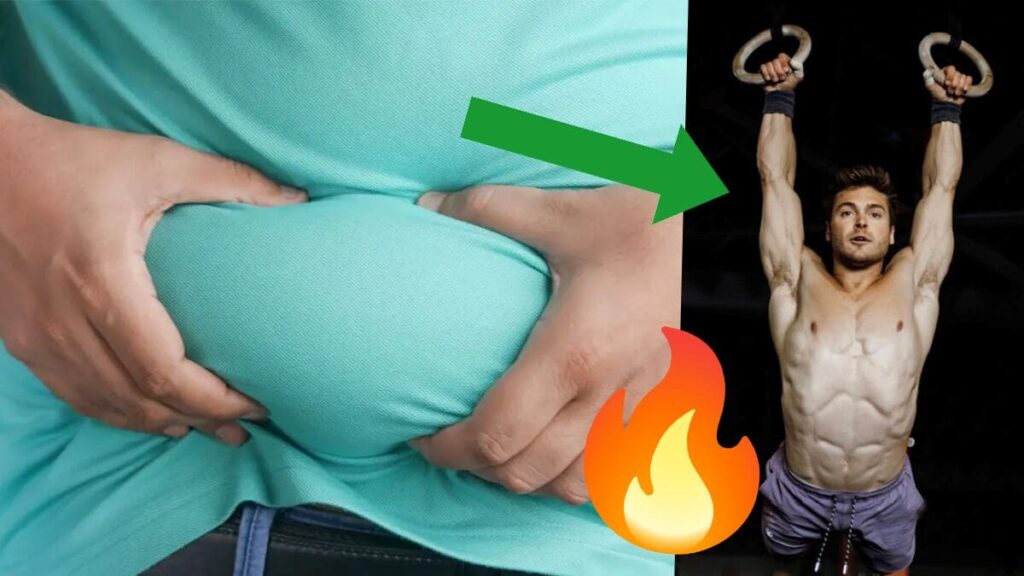
So, the worst diet for belly fat, as confirmed by MRI scans, appears to be one that is high in carbohydrates, particularly refined carbs and sugars. The functional MRI studies highlighted reveal that low-fat diets, which often compensate for reduced fat with increased carbohydrates, can lead to an imbalance in the brain’s reward system. This imbalance is characterized by altered dopamine responses that increase cravings and the desire for more food, potentially leading to higher overall calorie intake and accumulation of belly fat.
The research suggests that low-carb diets may be more effective in regulating the brain’s dopamine-mediated reward system, reducing cravings, and ultimately leading to a lower intake of excess calories. These findings align with the understanding that diets high in refined carbohydrates can disrupt insulin levels, lead to increased fat storage, especially in the abdominal area, and contribute to a cycle of hunger and overeating.
Therefore, a diet high in refined carbohydrates and low in healthy fats and proteins might be considered the worst for accumulating belly fat, as it not only contributes to weight gain through excess calorie intake but also affects the neurochemical pathways that regulate hunger and satiety. This emphasizes the importance of a balanced diet that moderates carbohydrate intake and includes adequate amounts of healthy fats and proteins to support overall metabolic health and prevent the accumulation of belly fat.
The studies taken into consideration for the information below are:
Dietary fat restriction affects brain reward regions in a randomized crossover trial
Argument for a non-linear relationship between severity of human obesity and dopaminergic tone
Read Also: How To Create The Optimal Caloric Deficit For Fat Loss
Things to Consider
While the insights gained from functional MRI studies and metabolic ward research provide valuable information on how different diets may affect the brain’s response to food and subsequent eating behaviours, there are several reasons why more studies need to be conducted before reaching any definitive conclusions about the worst diet for belly fat or the optimal dietary strategy for health and weight management:
- Complexity of Human Physiology:
Human physiology is incredibly complex, with numerous factors influencing weight gain, metabolism, and fat distribution, including genetics, hormonal balances, lifestyle factors, and individual health conditions. Studies often focus on specific aspects of diet and its neurochemical effects, which, while valuable, cannot capture the entirety of this complexity. More comprehensive research is needed to understand how these factors interact and influence individual responses to different diets.

- Variability in Individual Responses:
There is significant variability in how individuals respond to the same diet, influenced by genetic differences, microbiome composition, metabolic health, and personal preferences. What works for one person may not work for another, making it difficult to prescribe a one-size-fits-all diet based on current research findings. Studies often conducted on small, homogenous groups may not be generalizable to the broader population.
- Long-term Effects and Sustainability:
Many studies, including those using functional MRI, focus on short-term responses to dietary changes. The long-term health effects and sustainability of these diets are less understood. It is crucial to conduct longitudinal studies to assess the long-term impacts of different dietary patterns on weight management, metabolic health, and overall well-being.
- Interactions Between Diet, Lifestyle, and Environment:
Diet is just one factor in a complex web of influences on health and body weight. Physical activity, sleep, stress, and environmental factors also play critical roles. Future research should aim to understand how these factors interact with dietary choices to influence health outcomes, including the development of belly fat.
Read More: How to Increase Your Metabolism
- Ethical and Practical Considerations:
Conducting rigorous dietary studies, such as those in metabolic wards with tightly controlled environments, is expensive, time-consuming, and ethically complex, especially when considering interventions that may lead to negative health outcomes. There is a need for innovative research methodologies that can provide high-quality evidence while being ethically and practically feasible.
- Evolving Nutritional Science:
Nutritional science is a rapidly evolving field, with new discoveries and technologies continually emerging. What is understood today may be refined or challenged by future research. Ongoing studies are essential to keep pace with new insights and to ensure dietary recommendations are based on the most current evidence.
So, while existing research provides important insights into how different diets may affect the brain and body, more comprehensive, long-term studies are needed to fully understand the implications of these findings. Such research should consider the wide variability among individuals, the multifaceted nature of health and weight management, and the evolving landscape of nutritional science.
Conclusion
The evolving understanding of how the brain responds to different macronutrients challenges the simplistic notion that all calories are equal in the context of diet and health. Dopamine’s role in mediating our dietary choices, influenced by the type of nutrients we consume, points to the need for a more nuanced approach to nutrition.
As research continues to uncover the complex interactions between diet, neurochemistry, and metabolism, it becomes evident that personalized dietary strategies, attentive to individual neurobiological responses, could offer more effective solutions for weight management and overall health. This paradigm shift towards recognizing the brain’s significant influence on dietary behaviour has the potential to revolutionize our approach to nutrition and obesity prevention.
Check out the video below for more information. And right after the video, the other side of knowing that carbs are not your enemy when it comes to fat loss or building muscle.
Best Science-Based Diet for Fat Loss
5 Ways To Burn More Fat At The Gym
Carbs Are Not Your Enemy
Below you will see a summary of another article published recently by BOXROX in which advocates that carbs are not the cause you are gaining weight, or that you are not losing weight. For the full explanation, click here.
Carbohydrates have long been demonized, especially in the context of muscle gain and fat loss, yet emerging evidence and expert insights are beginning to shift this narrative. For individuals aiming to bolster muscle strength and size, carbohydrates are indispensable. They serve as the primary fuel for high-intensity workouts and are crucial for recovery and muscle glycogen replenishment. Justin Romaire, a respected nutrition coach, emphasizes that carbohydrates, depending on their glycemic index, can provide either quick energy for short, intense efforts or sustained energy for longer activities. This distinction is vital for athletes and bodybuilders who rely on targeted nutritional strategies to optimize performance and recovery.
The role of carbohydrates extends beyond merely providing energy; they are instrumental in muscle preservation and growth. By preventing proteins from being used as an energy source, carbohydrates allow proteins to fulfil their primary role in repairing and building muscle tissue. This protein-sparing effect underscores the importance of maintaining an optimal carbohydrate intake, particularly for athletes seeking to maximize muscle gains with minimal fat accumulation. The recovery phase post-exercise highlights carbohydrates’ pivotal role in refilling depleted glycogen stores, facilitating the repair of micro-tears in muscle fibres, and preparing the body for subsequent workouts.

Conversely, the narrative surrounding carbohydrates and fat loss is fraught with misconceptions. The central issue in weight management is the balance of energy intake and expenditure, rather than the vilification of a specific nutrient group. Distinguishing between processed and whole carbohydrates is crucial, as whole sources provide essential nutrients and support overall health. Diets rich in natural carbohydrates have been associated with longevity and reduced chronic disease risk, challenging the unfounded fears of carbohydrate consumption.
Low-carb diets, often touted for weight loss, have been linked to higher mortality rates, further questioning the exclusion of carbohydrates from our diets. The key to a healthy and effective diet lies in the quality and source of carbohydrates, emphasizing whole, unprocessed foods over those high in refined sugars and flours. This approach aligns with broader dietary recommendations that advocate for balance, moderation, and nutrient density, moving beyond simplistic categorizations of good versus bad foods.
In conclusion, carbohydrates play a critical role in both muscle gain and fat loss, serving as a vital source of energy, aiding in recovery, and supporting overall metabolic health. The distinction between processed and whole carbohydrates is essential for making informed dietary choices that promote health and well-being. By embracing a balanced approach that recognizes the value of carbohydrates, individuals can achieve their fitness and weight management goals more effectively, debunking the myth that carbs are the enemy.
Check out more content from BOXROX that you are going to love:
Ultimate Guide On How to Get Shredded – Steps to Lower Your Body Fat Percentage Every Time
5 Best Tips for Losing Belly Fat
How to Use Walking to Get Down to 12% Body Fat
5 Surprising Fat Loss Mistakes You Might be Making
The Diet that Will Transform Your Body in 100 Days
10 Rules to Never Have Belly Fat Again
Why You Keep Sabotaging Your Weight Loss Progress (And What to Do About It)