This is the number 1 diet to lose fat for good. Check it out.
Losing fat is a common goal for many, yet the sheer volume of dietary advice available can be overwhelming and, at times, contradictory. The pursuit of an effective fat-loss diet is a journey many undertake, yet few find a path that leads to sustainable results. Amidst the cacophony of dietary trends and quick fixes, one timeless adage holds true: the key to weight loss lies in a balance between calories consumed and calories expended. This simple yet powerful principle is the bedrock of successful fat loss strategies.


Understanding the role of macronutrients in weight loss is crucial. Protein, carbohydrates, and fats each play distinct roles in our metabolism, satiety levels, and overall health. A diet that emphasizes the right balance of these macronutrients can not only help in shedding unwanted fat but also support muscle maintenance, which is vital for a healthy metabolic rate. The emphasis on protein is particularly noteworthy, as it has been shown to have a significant impact on reducing appetite and increasing metabolic rate, two key factors in effective fat loss.
Moreover, the concept of a calorie deficit remains central to any fat loss endeavour. This does not mean that one must engage in drastic calorie cutting or eliminate entire food groups. Instead, it’s about making informed choices that lead to a sustainable reduction in calorie intake while still providing the body with the nourishment it needs. By focusing on nutrient-dense foods and understanding the impact of different macronutrients on satiety and metabolism, individuals can create a diet plan that is not only effective in promoting fat loss but also enjoyable and sustainable in the long term.
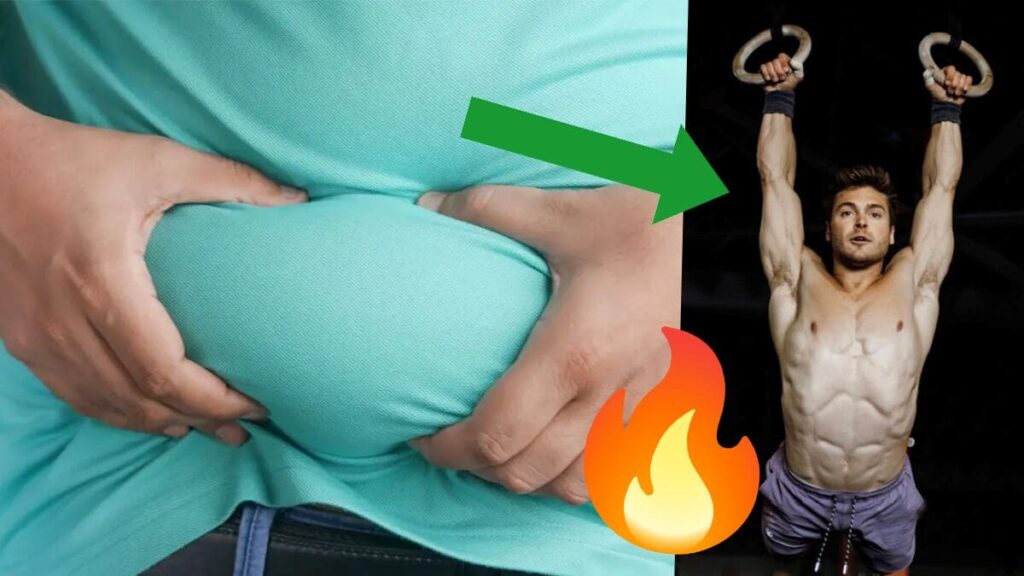
Jeremy Ethier shared a video explaining what is the number 1 diet to lose fat for good. Jeremy Ethier is a kinesiologist and fitness trainer, co-founder of Built With Science. His YouTube channel has over 6.5 million subscribers and he delivers clear information with sound background research.
Now, let’s transition to a detailed examination of these principles and how they can be applied to create a successful fat loss diet.
The Number 1 Diet to Lose Fat for Good
The “number one diet” isn’t a trendy or restrictive plan but a well-rounded, science-backed approach focused on achieving a calorie deficit while ensuring nutritional adequacy. This approach emphasizes the importance of macronutrient balance, food quality, and dietary habits that align with one’s lifestyle and preferences, thereby promoting sustainable fat loss.
Understanding Caloric Deficit
The cornerstone of any effective fat loss diet is creating a caloric deficit. This means consuming fewer calories than your body expends. However, achieving a caloric deficit should not compromise nutritional quality or lead to extreme hunger. It’s about making smarter food choices that are filling and nutritionally dense but lower in calories. Incorporating a variety of vegetables, lean proteins, whole grains, and healthy fats can help create meals that are satisfying and conducive to weight loss.
How To Create The Optimal Caloric Deficit For Fat Loss
The Role of Protein
Protein is pivotal in the fat loss equation due to its satiating effect and role in preserving muscle mass. A higher protein intake can boost metabolism, reduce appetite, and create a natural calorie deficit. This macronutrient’s thermic effect (the energy required to digest, absorb, and process nutrients) is higher than that of fats and carbohydrates, meaning consuming protein can increase the number of calories you burn through digestion. Aim for sources like lean meats, fish, legumes, and dairy products to incorporate quality protein into your diet.
The Best Protein Source for Fat Loss
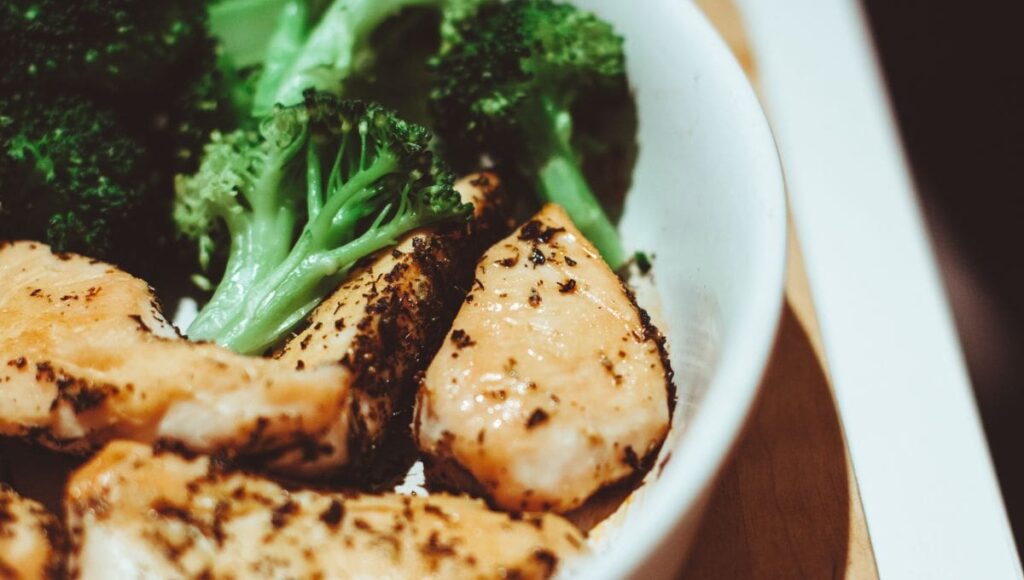
Here are 5 great sources of protein for you to pick:
- Chicken Breast: Lean and packed with high-quality protein, chicken breast is a staple in many fitness enthusiasts’ diets. It’s versatile, easy to cook, and can be incorporated into a variety of dishes, providing essential amino acids necessary for muscle repair and growth.
- Eggs: Eggs are an excellent source of protein and contain all nine essential amino acids. They are highly bioavailable and versatile in cooking, making them a popular choice for people looking to increase their protein intake.
- Salmon: Aside from being an excellent source of protein, salmon is rich in omega-3 fatty acids, which are beneficial for heart health. It’s also a good source of vitamins and minerals, including Vitamin D and B vitamins.
- Greek Yogurt: Packed with protein, Greek yogurt is also a great source of probiotics, calcium, and vitamin B12. It’s thicker and creamier than regular yogurt, making it a satisfying snack or a versatile ingredient in recipes.
- Lentils: Lentils are a fantastic plant-based protein source, offering about 18 grams of protein per cooked cup. They’re also high in fiber, iron, and folate, making them a nutritious option for vegetarians and vegans alike. Lentils can be used in a variety of dishes, from soups and stews to salads and curries.
Balancing Carbohydrates and Fats
While low-carb and low-fat diets are popular, the key is to find a sustainable balance that works for your body. Carbohydrates are essential for energy, particularly if you’re active. Choose whole, unprocessed carbs that provide fiber and nutrients, like whole grains, fruits, and vegetables. Fats, though calorie-dense, are crucial for hormone production and nutrient absorption. Opt for sources of healthy fats, such as avocados, nuts, seeds, and olive oil, while being mindful of portion sizes to keep calories in check.
Why Carbs Are NOT Your Enemy (For Fat Loss or Muscle Growth)
Here are 5 healthy options of carbs for you:
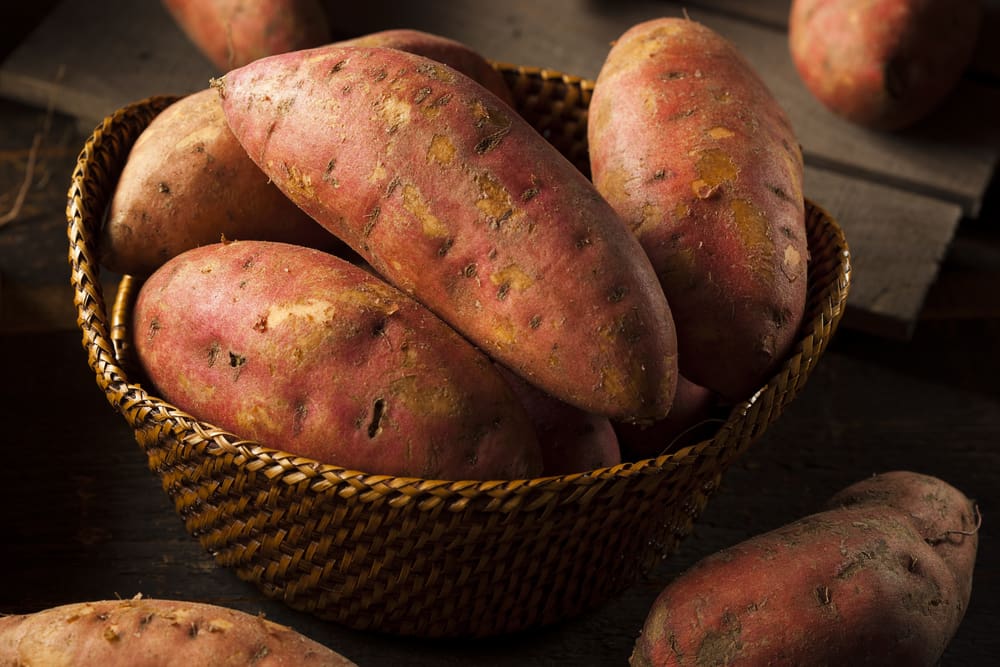
- Sweet Potatoes: Sweet potatoes are a nutritious source of carbohydrates, rich in fiber, vitamins, and minerals, particularly vitamin A (in the form of beta-carotene), vitamin C, and potassium. Their complex carbohydrates provide a steady release of energy, making them an excellent choice for sustained energy throughout the day.
- Quinoa: Quinoa is a whole grain that’s not only a good source of complex carbohydrates but also a complete protein, containing all nine essential amino acids. It’s also high in fiber, vitamins, and minerals, making it an excellent choice for a nutritious meal.
- Brown Rice: Brown rice is a whole grain that provides complex carbohydrates, essential for energy. It’s also a good source of fiber, vitamins, and minerals, such as manganese, selenium, and magnesium. Brown rice has a lower glycemic index compared to white rice, offering a more stable energy release.
- Oats: Oats are a fantastic source of complex carbohydrates and are particularly high in a specific type of fiber called beta-glucan, known for its benefits on cholesterol levels and heart health. Oats also provide protein and essential vitamins and minerals, making them a wholesome breakfast choice or snack.
- Berries (for a lower-calorie, nutrient-dense option): Berries like blueberries, strawberries, and raspberries offer a good source of carbohydrates, are high in fiber, and are packed with antioxidants and vitamins. While they provide a sweeter taste, their high fiber content and low glycemic load make them an excellent choice for a nutritious carbohydrate source.
And 5 options of fats that will help you lose weight and stay healthy:
- Avocados: Avocados are rich in monounsaturated fats, particularly oleic acid, which is known for its heart-healthy properties. They also provide fiber, potassium, and various essential vitamins and minerals, making them an excellent addition to a balanced diet.
- Nuts: Nuts like almonds, walnuts, and cashews are excellent sources of healthy fats, primarily unsaturated fatty acids, which can help reduce the risk of heart disease. They’re also packed with protein, fiber, vitamins, and minerals, making them a nutrient-dense snack option.
- Extra Virgin Olive Oil: A cornerstone of the Mediterranean diet, extra virgin olive oil is praised for its high content of monounsaturated fats, particularly oleic acid. It also contains antioxidants and anti-inflammatory compounds, which contribute to its health benefits, particularly for heart health.
- Flaxseeds: Flaxseeds are a great source of alpha-linolenic acid (ALA), a type of omega-3 fatty acid that’s plant-based. They also provide fiber, protein, and various vitamins and minerals. Ground flaxseeds can be a great addition to smoothies, yogurt, or baked goods to boost their nutritional profile.
- Fatty Fish: Fatty fish like salmon, mackerel, and sardines are rich in omega-3 fatty acids, particularly EPA and DHA, which are crucial for heart health, brain function, and reducing inflammation. Including fatty fish in your diet can provide a host of health benefits and contribute essential fats that the body cannot produce on its own.
Personalization and Sustainability
The best diet is one that is tailored to your individual preferences, lifestyle, and nutritional needs, promoting adherence and sustainability. It should be flexible enough to accommodate social occasions and fit your taste preferences while still helping you achieve your fat loss goals. The aim is to develop eating habits that you can maintain in the long term, rather than following a restrictive plan that leads to quick results but is difficult to sustain.
In conclusion, the most effective diet for fat loss is one that focuses on creating a calorie deficit through a balanced intake of protein, carbs, and fats. This approach not only aids in reducing body fat but also supports muscle maintenance, crucial for a healthy metabolism.
Remember, the key to sustainable fat loss is not in following overly restrictive diets but in understanding and applying the basic principles of nutrition to your daily eating habits. By adopting a diet that you enjoy and can adhere to, you’ll set the foundation for lasting success in your fat loss journey.
For a deeper understanding of the number 1 diet to lose fat for good, simply watch the video below. In it, Jeremy Ethier goes further in detail to exemplify what you can do to achieve your fitness goals.
5 Ways To Burn More Fat At The Gym
What To Do If Calorie Deficit Stops Working
The phrase “you can’t outrun a bad diet” underscores the crucial role that nutrition plays in achieving overall health, fitness, and weight management goals. While exercise is undoubtedly important for health, the impact of a poor diet can often not be compensated for by physical activity alone. Here’s a detailed explanation of why you can’t outrun a bad diet:
- Caloric Balance: Weight management fundamentally comes down to caloric balance – the relationship between calories consumed and calories expended. A bad diet typically involves consuming more calories than the body needs, often through high-calorie, nutrient-poor foods. The sheer amount of exercise required to burn off excess caloric intake can be impractical. For example, consuming a chocolate bar might require an hour of intense exercise to burn off, highlighting the efficiency of dietary control over exercise in caloric balance.
- Nutrient Quality: Beyond just calories, the quality of nutrients consumed is crucial for overall health. A diet high in processed foods, sugars, and unhealthy fats can lead to health issues such as increased risk of heart disease, diabetes, and metabolic syndrome. Exercise alone cannot correct the inflammatory responses, insulin resistance, and cholesterol imbalances caused by poor dietary choices.
- Appetite and Energy Levels: Excessive exercise, especially when trying to compensate for a bad diet, can lead to increased hunger and may inadvertently cause you to eat more, potentially in the form of less healthy options, thus negating the calorie deficit you might be aiming for. Furthermore, a nutritionally inadequate diet can lead to low energy levels, impairing your ability to engage in physical activity effectively.
- Body Composition: While exercise, especially strength training, is essential for building muscle, diet plays a crucial role in this aspect as well. A diet lacking in essential proteins and nutrients can impede muscle growth and repair. Thus, even if you burn calories through exercise, you might not achieve the desired changes in body composition without proper nutrition.
- Metabolic Adaptations: The body adapts to prolonged exercise routines by becoming more efficient, potentially burning fewer calories for the same amount of work over time. Therefore, relying solely on exercise to offset a poor diet becomes increasingly less effective as your body adapts.
- Health Beyond Weight: A bad diet can affect numerous aspects of health beyond weight, including cardiovascular health, bone density, brain function, immune system strength, and risk of chronic diseases. Exercise cannot fully mitigate these risks if dietary intake is poor.
- Sustainability: Relying on excessive exercise to counteract a poor diet is not a sustainable or balanced approach to health. It can lead to burnout, injury, and disordered eating patterns. A more sustainable approach involves combining a nutritious, balanced diet with a realistic and enjoyable exercise routine.
In conclusion, while exercise is a vital component of a healthy lifestyle, it works best in conjunction with a nutritious diet. Understanding that you can’t “outrun” or “out-exercise” a bad diet is crucial for setting realistic, effective, and sustainable health and fitness goals.
5 Surprising Fat Loss Mistakes You Might be Making
19 Foods That Help You Burn Fat Faster