Have you ever thought about how your diet could affect your brain? It’s not something most of us consider when grabbing lunch or preparing dinner, but the MIND diet is here to change that mindset. With Alzheimer’s disease and other forms of dementia on the rise, protecting your brain through what you eat is more important than ever. According to the World Health Organisation (WHO), nearly 50 million people worldwide suffer from dementia, and Alzheimer’s is one of the most common forms. That’s a scary number, right?
Now, imagine if something as simple as adjusting what’s on your plate could help reduce the risk of developing such conditions. Well, that’s where the MIND diet steps in. Short for the Mediterranean-DASH Intervention for Neurodegenerative Delay, the MIND diet combines the best of two well-known dietary plans: the Mediterranean diet and the DASH (Dietary Approaches to Stop Hypertension) diet. Both of these are champions for heart health, but the MIND diet takes things one step further, focusing on promoting brain health and delaying cognitive decline.


In this article, we’ll dive deep into everything you need to know about the MIND diet, from what foods you should eat, what you need to avoid, and the overall benefits of adopting this brain-boosting eating pattern. Let’s get started!
What Is the MIND Diet and Why Does It Matter?
The MIND diet is specifically designed to support brain health, helping to reduce the risk of Alzheimer’s and other forms of dementia. But how exactly does it work? Essentially, the MIND diet merges key principles from the Mediterranean diet and the DASH diet, both of which are praised for their ability to improve heart health and reduce blood pressure. These diets have been adapted and fine-tuned to focus on what’s best for the brain.
- Purpose of the MIND diet: The main goal is to slow cognitive decline and reduce the risk of Alzheimer’s disease. Research has shown that those who follow the MIND diet closely can lower their risk of Alzheimer’s by up to 53%! Even moderate adherence to the diet has been linked to a 35% reduction in risk, so it’s definitely worth paying attention to.
- How does it protect the brain? The MIND diet focuses on foods that have been found to reduce inflammation and oxidative stress, both of which can damage brain cells. It also promotes the consumption of nutrients linked to better cognitive function, such as vitamin E, folate, omega-3 fatty acids, and flavonoids.
- Why should you care? Alzheimer’s is an irreversible disease, and while there’s no cure, prevention is where you can take control. What you eat impacts your brain’s health over the long term, so the earlier you start making smart food choices, the better chance you have of protecting your cognitive functions as you age.

The beauty of the MIND diet lies in its simplicity. You’re not required to count calories or follow complicated rules. Instead, it’s about incorporating specific brain-friendly foods into your daily meals while cutting back on others. Let’s explore those next.
36 Hours Fast Benefits: Why You Should Consider
Foods You Can Eat on the MIND Diet
So, what should you actually eat on the MIND diet? The focus is on natural, whole foods that are packed with nutrients and antioxidants. Here’s a breakdown of the key food groups that are central to the MIND diet and why they are beneficial for your brain.
1. Leafy Green Vegetables
When it comes to brain-boosting foods, leafy greens like spinach, kale, and broccoli are at the top of the list. The MIND diet recommends consuming at least six servings of leafy greens per week. They are rich in nutrients like vitamin K, lutein, and folate, all of which have been linked to slower cognitive decline.
- Tip: If you struggle to fit greens into your meals, start adding them to smoothies or stir them into soups and stews. You won’t even notice they’re there!
2. Berries
Berries are the only fruit that the MIND diet specifically emphasises, and for good reason! They are loaded with antioxidants, particularly flavonoids, which help protect brain cells from oxidative stress. Blueberries, in particular, have been shown to enhance brain function and slow down memory decline.
- Recommendation: Aim for at least two servings of berries per week. They make for a delicious addition to your morning cereal or yoghurt.
3. Whole Grains
Whole grains like oatmeal, quinoa, brown rice, and whole-wheat products are essential on the MIND diet. These grains provide a steady source of glucose, which is the brain’s primary energy source. Maintaining a consistent glucose supply helps avoid blood sugar spikes, which can negatively impact cognitive functions.
- Tip: Replace refined grains (like white bread and pasta) with whole grain alternatives for a brain-boosting switch.
4. Fish
Fatty fish such as salmon, sardines, and trout are rich in omega-3 fatty acids, particularly DHA, which is crucial for maintaining the structure and function of brain cells. The MIND diet recommends eating at least one serving of fish per week to benefit from these brain-healthy fats.
- Note: The diet doesn’t require you to eat fish every day, but including it once or twice a week can make a big difference for your brain health.

What is The Planetary Diet? Live Longer and Help the Planet
5. Nuts
Nuts, especially almonds, walnuts, and hazelnuts, are great sources of healthy fats, fibre, and antioxidants. They are also rich in vitamin E, which has been linked to better cognitive function and memory.
- Tip: Keep a small bag of mixed nuts handy for a healthy snack. Just remember to go for unsalted, unflavoured varieties to keep it as healthy as possible.
6. Beans
Beans like lentils, chickpeas, and black beans are packed with fibre and protein, and they help keep your blood sugar levels stable. The MIND diet suggests having at least three servings of beans per week for their brain-protective benefits.
- Easy addition: Try adding beans to salads, soups, or casseroles for an easy boost of plant-based protein.
7. Poultry
Lean poultry, such as chicken and turkey, are great sources of protein and B vitamins, which are important for maintaining cognitive health. You should aim for at least two servings of poultry per week as part of the MIND diet.
- Pro tip: Instead of frying, try grilling or baking your poultry to keep it lean and heart-healthy.
Read Also: 4 Lifestyle Changes May Slow Alzheimer’s, Study Finds
What Foods to Avoid on the MIND Diet
Just like there are foods that help protect your brain, there are also foods that can harm it. The MIND diet encourages limiting certain food groups that can increase the risk of cognitive decline. Here’s a list of what you should avoid (or at least cut back on) while following the MIND diet.
1. Red Meat
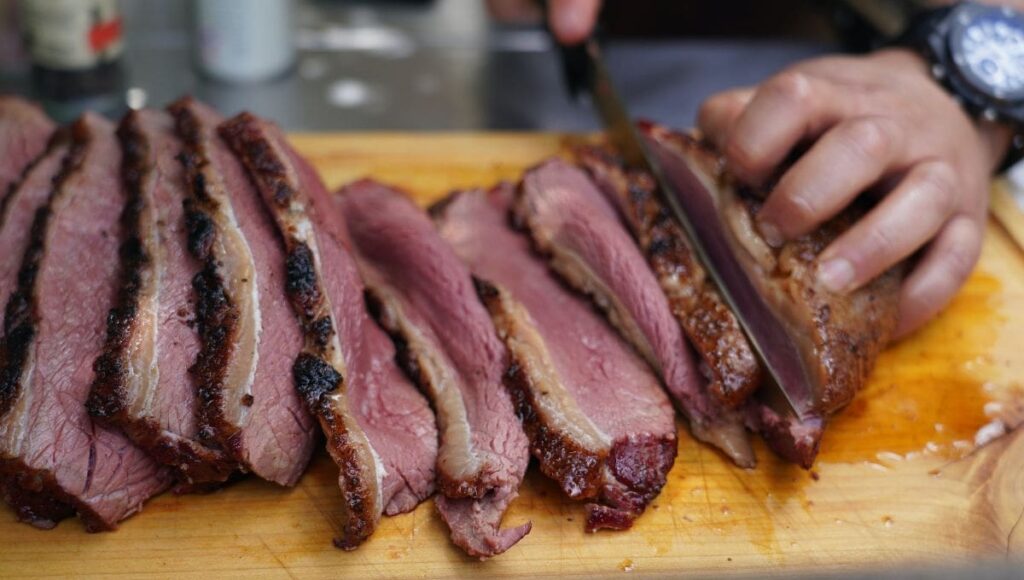
While it’s fine to have red meat occasionally, the MIND diet suggests limiting your intake to no more than four servings per week. Red meat can be high in saturated fats, which have been linked to inflammation and oxidative stress in the brain.
- Pro tip: When you do eat red meat, go for lean cuts like sirloin or swap for plant-based alternatives like mushrooms or lentils.
What Happens When You Try the David Goggins 100 Pound Weight Loss Diet?
2. Butter and Margarine
Butter, margarine, and other sources of trans fats should be avoided as much as possible. These fats can increase inflammation and cholesterol levels, both of which are bad news for your brain. The MIND diet recommends sticking to less than a tablespoon of butter per day.
- Switch to: Use olive oil instead of butter or margarine. It’s a healthier fat that’s been shown to support brain function.
3. Cheese
This one might sting a bit for cheese lovers! Unfortunately, cheese is high in saturated fat, which has been associated with cognitive decline. The MIND diet suggests limiting cheese to once a week or less.
- Substitution idea: Try nutritional yeast or other lower-fat cheese alternatives if you’re really missing that cheesy flavour.
4. Pastries and Sweets
Refined sugars and unhealthy fats are the main culprits in pastries, cakes, biscuits, and sweets, which is why these are best avoided on the MIND diet. These foods can contribute to inflammation and insulin resistance, both of which are bad for your brain.
- Tip: If you have a sweet tooth, swap pastries for a handful of berries or a square of dark chocolate.
5. Fried Foods and Fast Food

It’s no surprise that fried foods and fast food are on the “do not eat” list. These foods are typically high in unhealthy fats, salts, and additives, all of which can harm brain health. The MIND diet recommends avoiding fried and fast food as much as possible.
- Alternative: Try air-frying your favourite foods or grilling them for a similar texture without all the unhealthy fats.
How To Get Lean and Stay Lean Forever
Benefits of Following the MIND Diet
Now that you know what to eat and what to avoid, let’s take a look at the benefits of adopting the MIND diet. The science backing this diet is pretty impressive, and the results speak for themselves.
1. Reduces the Risk of Alzheimer’s Disease
As mentioned earlier, one of the primary reasons for following the MIND diet is to reduce the risk of Alzheimer’s disease. Studies have shown that people who closely follow the MIND diet have a significantly lower risk of developing this neurodegenerative disease. Even those who moderately follow the diet can still benefit from a reduced risk, which is pretty amazing when you think about it.
2. Slows Cognitive Decline
Even if you’re not worried about Alzheimer’s specifically, the MIND diet can still help protect your brain by slowing down cognitive decline. As we age, it’s natural for our brain functions to slow down a bit. However, the nutrients and antioxidants in the MIND diet can help delay this process, keeping your mind sharp for longer.
3. Supports Heart Health

Since the MIND diet borrows heavily from the Mediterranean and DASH diets, it also comes with the added benefit of supporting heart health. Many of the foods recommended on the MIND diet, like leafy greens, fish, and whole grains, are also great for lowering blood pressure and cholesterol levels.
4. Promotes Overall Longevity
It’s not just your brain that benefits from the MIND diet—your whole body does. By focusing on natural, whole foods, you’re reducing your risk of developing other chronic conditions like diabetes, heart disease, and even certain cancers.
Conclusion
The MIND diet is a fantastic way to take control of your brain health and reduce the risk of cognitive decline and Alzheimer’s disease. It’s a simple, sustainable eating pattern that focuses on whole foods rich in antioxidants, healthy fats, and nutrients that protect your brain. While it may take a bit of getting used to—especially when it comes to cutting back on cheese and sweets—the long-term benefits are worth the effort.
Remember, though, this isn’t about perfection. You don’t have to follow the MIND diet to the letter to see improvements in your brain health. Even small changes, like eating more leafy greens and swapping butter for olive oil, can have a significant impact. So, take it one step at a time, and your brain will thank you for it later!