Check out the best anti-inflammatory diet that can help you relieve and reverse joint paint and arthritis.
An anti-inflammatory diet stands as a cornerstone of optimal health by targeting the root cause of numerous chronic diseases: inflammation. This dietary approach emphasizes the consumption of foods rich in antioxidants and phytonutrients, which play a crucial role in neutralizing free radicals and reducing the production of pro-inflammatory cytokines. As a result, adopting an anti-inflammatory diet can significantly mitigate the risk of developing conditions such as heart disease, diabetes, cancer, and neurodegenerative diseases. Additionally, it supports heart health by improving blood pressure, lipid profiles, and reducing the risk of atherosclerosis, thanks to a balanced intake of healthy fats like omega-3 fatty acids.
Now, let’s talk about the gut and our mental well-being, because they’re big winners in this dietary shift, too. By embracing foods high in fibre, we’re not just aiding our digestion; we’re nurturing a happy gut microbiome, which is a game-changer for our immune system and overall health. And if you’re looking to shed a few pounds, this diet naturally leans towards whole, unprocessed foods, which means you’re likely to find weight management becoming a more effortless part of your life. But here’s something I find truly fascinating: the impact on our mental health. The brain thrives on the nutrients found in an anti-inflammatory diet, potentially easing the blues and sharpening our minds. It’s amazing how much what we eat can influence how we feel, both inside and out.
For those of us leading active lives or trying to get more exercise, the benefits of reducing inflammation can mean less muscle soreness and quicker recovery times—allowing us to enjoy our favourite activities without the drag of the next-day aches. Whether you’re a seasoned athlete or just starting to incorporate more movement into your day, what you eat can significantly boost your performance and enjoyment of physical activity.
Truth is, a change in your diet is both powerful and an accessible tools for combating chronic conditions. Among these, arthritis poses a significant challenge, impacting mobility and quality of life. With no definitive cure on the horizon, the focus shifts towards managing its symptoms, enhancing well-being, and slowing its progression. Among the myriad of strategies and treatments available, weight management and dietary modification are great options for their effectiveness and accessibility.
Related: Is Running Bad For Your Knees?

The information in this article was based on a video shared by Dr. Jeffrey Peng, a skilled orthopedist and sports medicine specialist who runs a YouTube channel. He’s on a mission to make the latest medical info easy to understand for those keen on a healthy lifestyle. Dr. Peng focuses on non-surgical solutions for sports injuries, using advanced techniques like orthobiologics and ultrasound guidance. His expertise extends to treating osteoarthritis, tendinopathies, and various musculoskeletal issues. He holds board certifications in sports medicine and family medicine.
This article explores the pinnacle of dietary strategies—the anti-inflammatory diet—and its remarkable efficacy in soothing the aches and pains associated with arthritis, unveiling a path to improved well-being through the lens of nutrition.
Let’s dive deep into it.
Read More: 7 Most Common Signs You Have Knee Arthritis
The Best Anti-Inflammatory Diet for Joint Pain and Arthritis
The link between obesity and arthritis is well-documented, painting a clear picture of the direct impact excess weight has on joint health. Obesity not only exacerbates the progression of arthritis but also amplifies its symptoms, making weight loss a pivotal aspect of managing the condition. A Western diet, characterized by high calories, substantial portions, and an excess of sugars, further aggravates this scenario, leading to a vicious cycle of pain and discomfort. The metabolic syndrome associated with obesity heightens the risk of developing various health issues, including a more severe form of arthritis.
Recent studies shed light on the transformative power of weight loss, especially when achieved through significant means such as bariatric surgery. The evidence is compelling, with dramatic improvements in knee pain, functionality, and joint structure closely following the shedding of excess weight. Furthermore, weight loss is shown to markedly reduce inflammatory markers within the body, offering a double-edged sword against the progression and symptoms of arthritis. This highlights the undeniable efficacy of weight management in the battle against arthritis, presenting a clear path towards alleviating pain and enhancing quality of life.
At the heart of arthritis management lies the concept of inflammation—a fundamental process that, when unchecked, contributes to the progression and pain of arthritis. The anti-inflammatory diet, rich in nutrients and antioxidants, emerges as a beacon of hope for those seeking to quell this internal fire. Unlike transient dietary fads, this diet focuses on a sustainable and enjoyable pattern of eating that not only combats inflammation but also supports overall health.
Related: Best Exercise to Lower Blood Pressure
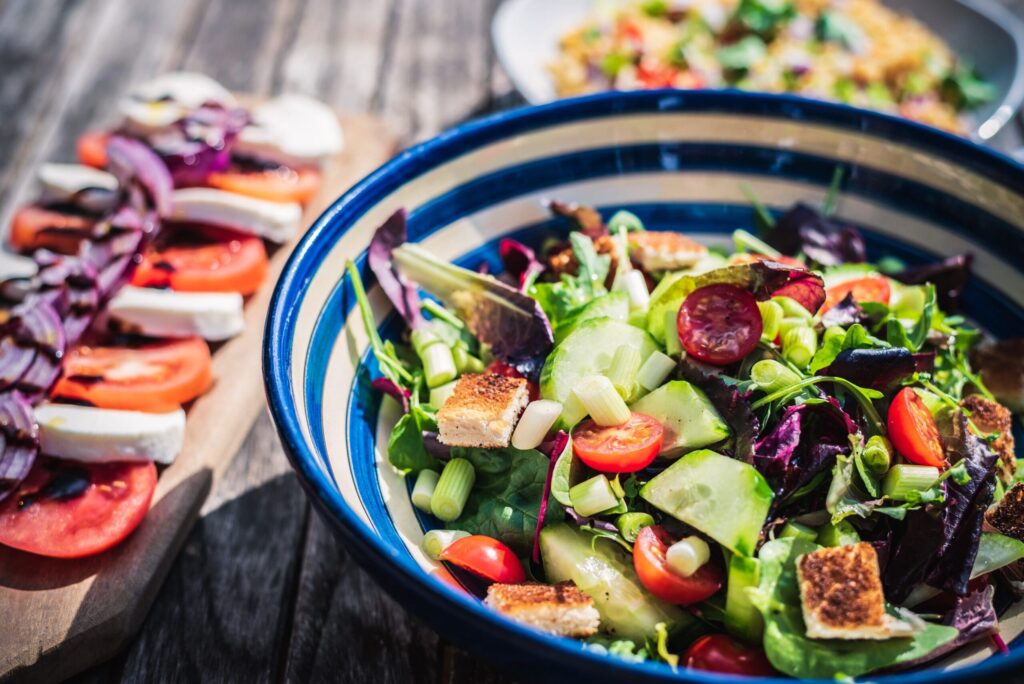
The Core Elements of the Anti-Inflammatory Diet
Central to the anti-inflammatory diet are whole, nutrient-dense foods that work in harmony to reduce inflammation and promote healing. This diet is characterized by an abundance of fruits and vegetables, whole grains, lean protein, healthy fats, and an avoidance of processed foods, sugars, and certain fats that can exacerbate inflammation. The Mediterranean diet, often cited as an exemplar of anti-inflammatory eating, encapsulates these principles, offering a delicious and varied palette of foods that nurture the body and spirit.
- Fruits and Vegetables: The diet encourages a rainbow of fruits and vegetables, each color providing unique antioxidants and phytochemicals. Berries, leafy greens, and cruciferous vegetables are particularly celebrated for their high antioxidant content.
- Whole Grains and High-Fiber Foods: Foods like oats, quinoa, and brown rice offer fiber, which aids in digestion and can help manage weight—a crucial aspect of arthritis management.
- Lean Proteins and Omega-3 Fatty Acids: Fatty fish such as salmon and mackerel, along with plant-based sources of protein, play a pivotal role in reducing inflammation.
- Healthy Fats: The diet promotes the intake of monounsaturated and polyunsaturated fats found in nuts, seeds, avocados, and olive oil, which are known for their anti-inflammatory properties.
The Impact of Anti-Inflammatory Eating on Arthritis
Clinical evidence underscores the effectiveness of the anti-inflammatory diet in alleviating arthritis symptoms. Studies have demonstrated significant reductions in pain and improvements in physical function among those adhering to such dietary patterns. Moreover, these diets have been associated with weight loss and a reduction in inflammatory markers, offering a dual benefit of symptom relief and improved overall health.

While the anti-inflammatory diet offers a foundational pillar for managing arthritis, it is most effective when part of a broader, holistic treatment strategy. This includes regular physical activity, weight management, and medical treatments as prescribed by healthcare professionals. Together, these elements form a multifaceted approach to not only managing arthritis but also enhancing one’s overall well-being.
The journey toward managing arthritis through diet is not a solitary one; it is a vibrant exploration of flavors and foods that nurture the body and reduce inflammation. The anti-inflammatory diet stands out as a testament to the power of food as medicine, offering a hopeful and healthful path for those affected by arthritis. As we continue to embrace these dietary principles, the potential for improved health and vitality shines brightly, illuminating the way toward a life less burdened by the pains of arthritis.
For more information, you can also watch the video below in which Jeffrey Peng goes more in detail about the best anti-inflammatory diet for you.
5 “Healthy Foods” Filled with Sugar You Should Avoid
An anti-inflammatory diet is heralded for its myriad health benefits, primarily due to its focus on reducing inflammation, a root cause or exacerbating factor for numerous chronic diseases. This diet promotes a harmonious balance of nutrients that support the body’s natural defense mechanisms, fostering overall health and well-being. Here’s why an anti-inflammatory diet is beneficial for your health:
- Reduces Chronic Inflammation: Chronic inflammation is linked to a host of diseases, including arthritis, heart disease, diabetes, cancer, and neurodegenerative conditions like Alzheimer’s disease. An anti-inflammatory diet, rich in antioxidants and phytonutrients, helps neutralize free radicals and reduce the production of pro-inflammatory cytokines, thereby mitigating the risk of these conditions.
- Supports Heart Health: By emphasizing the intake of healthy fats (such as omega-3 fatty acids found in fish) and limiting saturated fats and trans fats, an anti-inflammatory diet can improve cardiovascular health. It promotes lower blood pressure, improved lipid profiles, and reduced risk of atherosclerosis.
- Enhances Gut Health: High-fiber foods, such as fruits, vegetables, and whole grains, not only reduce inflammation but also support a healthy gut microbiome. A balanced microbiome is essential for proper digestion, nutrient absorption, and immune function. Furthermore, a healthy gut can prevent the entry of harmful pathogens and reduce the risk of inflammatory bowel diseases.
- Aids in Weight Management: Obesity is a significant risk factor for inflammation and related diseases. An anti-inflammatory diet, by promoting whole foods and reducing processed and high-calorie food intake, can help in weight management. Weight loss, as a result of following this diet, further reduces the stress on joints and lowers inflammation levels.
- Improves Mental Health and Cognitive Function: Emerging research suggests that inflammation may play a role in mental health conditions, including depression and anxiety. Anti-inflammatory diets rich in omega-3 fatty acids, vitamins, and minerals can positively affect brain health, improving mood, cognitive function, and potentially reducing the risk of neurodegenerative diseases.
- Manages Blood Sugar Levels: By prioritizing whole grains and fiber-rich foods over refined carbohydrates and sugars, an anti-inflammatory diet can help maintain steady blood sugar levels. This is crucial for preventing insulin resistance and type 2 diabetes, conditions often linked to chronic inflammation.
- Strengthens the Immune System: Nutrients found in anti-inflammatory diet components, such as vitamins C and E, selenium, zinc, and omega-3 fatty acids, can bolster the immune system. A strong immune system is better equipped to fight off infections and diseases, maintaining overall health.
- Enhances Physical Performance and Recovery: For athletes and physically active individuals, an anti-inflammatory diet can improve performance and accelerate recovery. Anti-inflammatory foods can help reduce muscle soreness and speed up recovery time, allowing for more efficient training sessions.
In essence, an anti-inflammatory diet is not just about reducing inflammation; it’s a comprehensive approach to nourishing the body, preventing disease, and promoting a vibrant, healthy life. Its principles of consuming a variety of nutrient-dense, whole foods can lead to significant improvements in physical, mental, and emotional health.
Read More: The Literal Most Effective Exercise for Reducing Visceral Belly Fat