Have you ever wondered just how bizarre and unhealthy extreme diets can get? If so, you’re not alone. Dr. Mikhail Varshavski, better known as Dr. Mike, dives into the wild world of extreme diets on reality TV shows, breaking down their impact with medical insights, a touch of humour, and some much-needed reality checks. Let’s explore his reactions and what we can learn about our own eating habits.
The information in this article is largely based on a video shared by Mike Varshavski. Commonly known as Doctor Mike, Varshavski is a Russian-American family medicine physician who gained prominence through social media. He rose to fame on platforms like YouTube and Instagram, where he blends entertainment with medical education, offering his audience insights into health topics, medical myths, and wellness advice while also giving a glimpse into his life as a doctor. Doctor Mike’s approachable style and efforts to make medical information accessible and engaging to a broad audience have earned him a substantial following. He has nearly 4.5 million followers on Instagram and a whopping 12.9 million subscribers on YouTube.
The Cornstarch Craze
Key Points:
- A woman’s addiction to eating cornstarch daily
- The medical condition pica
- Emotional and psychological triggers for unusual food cravings
Imagine craving cornstarch—not as a cooking ingredient but as a snack. Nikki, a 34-year-old woman, developed this habit during pregnancy, which then spiraled after a tragic loss in her life. Dr. Mike quickly identifies her condition as pica, a disorder that creates cravings for non-nutritive items.
“Cornstarch is nutritionally empty,” dr Mike points out, emphasizing its lack of vitamins, protein, or fibre. But for Nikki, the habit isn’t just about food—it’s a coping mechanism tied to grief.
Dr. Mike highlights the importance of psychological support in these situations, saying, “Sometimes, safety foods remind people of better times.” Nikki’s story serves as a reminder that what we eat often reflects deeper emotional struggles.
What Happens to Your Body if You Try the Flexible Diet (IIFYM) for 30 Days?
Cheese Obsession: A Childhood Comfort
Key Points:
- A woman eats almost exclusively cheese
- The debate: is cheese good or bad for you?
- Desensitization therapy as a solution
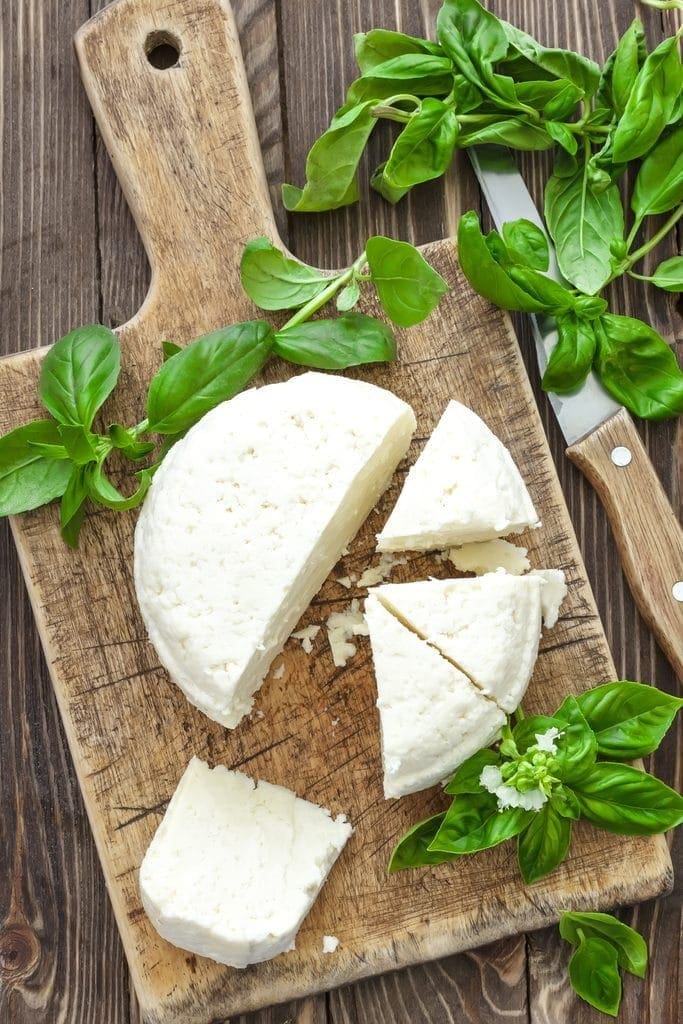
Kate, another participant, has a diet built almost entirely around cheese. For her, it’s about safety and familiarity. Dr. Mike humorously confesses, “Not gonna lie. That is my dream. I’m like a little mouse when it comes to looking for cheese.”
However, he doesn’t sugarcoat the risks. Overeating cheese, even without lactose issues, can lead to bacteria buildup, saturated fat overload, and mixed cardiovascular effects. The solution offered—guided desensitization therapy—makes sense to Dr. Mike as a way to address Kate’s phobia of other foods, while incorporating healthier options.
Maple Syrup Mania
Key Points:
- A man consumes two cups of maple syrup daily
- Risks: visceral fat, insulin spikes, and hormonal imbalances
- Constructive alternatives vs. harmful shame tactics
Dr. Mike critiques Daniel’s extreme sugar consumption—two cups of maple syrup every day! “That’s 2000 calories of sugar,” he exclaims, pointing out that this is an entire day’s worth of calories for most adults. The sugary diet leads to weight gain, liver strain, and a higher risk of chronic diseases.
But what angers Dr. Mike most isn’t Daniel’s diet—it’s the approach of the so-called experts on the show. They shame Daniel by displaying mountains of sugar and forcing him to throw away gallons of syrup. “This doesn’t help anyone,” he says, advocating for practical strategies like offering lower-sugar substitutes instead of making the person feel horrible.
What Happens If You Eat ZERO Carbs and Sugar for 1 Week?
When Therapy Turns Theatrical
Key Points:
- Theatrics vs. genuine therapy
- Addressing triggers and creating sustainable solutions

The reality show’s producers are notorious for prioritizing drama over genuine solutions. From swimming in pools of food to over-the-top interventions, Dr. Mike doesn’t hold back his frustration. “If there was a shortcut to creating an eating disorder, it’s this,” he says.
He stresses the need for actual mental health counselling, where professionals explore triggers, thoughts, and emotions driving the behaviour. Without this, any changes are likely temporary.
What We Can Learn
Dr. Mike’s review of these extreme diets offers valuable lessons:
- Nutrition is about balance – Quick fixes and fad diets often lead to more harm than good.
- Mental health matters – Many food issues stem from emotional pain or trauma. Treat the root cause, not just the symptoms.
- Stop the shame game – Negative reinforcement rarely works. Support and practical solutions do.
Conclusion
Extreme diets make for sensational TV, but they also shed light on real issues many of us face. Dr. Mike reminds us that healthy eating is not about perfection but about understanding and improving our relationship with food. If there’s one takeaway from this deep dive into reality TV madness, it’s this: your health journey is yours. Build it on compassion, not guilt.
What Happens If You Eat ONLY Chicken and Broccoli for 7 Days Straight?