The New Year often brings a fresh start, and for many people, it’s the perfect time to set new health goals. Starting a diet to lose weight can be exciting, but it also comes with challenges. Many people dive into new eating plans with enthusiasm, only to lose motivation or see little progress a few weeks later. So, what’s the secret to starting a diet that actually works?
The key is to approach your weight-loss journey with a clear strategy, realistic goals, and science-backed methods. This guide will walk you through effective steps to start your new diet and set yourself up for long-term success.
Ready to take control of your health and feel your best? Let’s dive in.
Why New Year Is a Great Time to Start a Diet
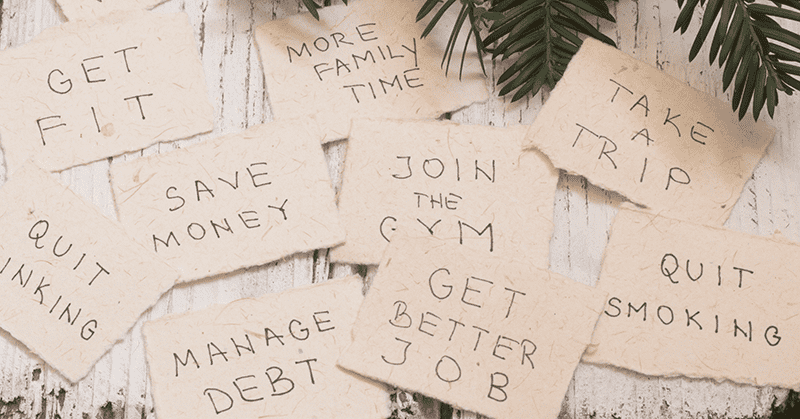
- Fresh start: The New Year symbolises a clean slate, making it easier to commit to changes.
- Motivation boost: Many people are focused on self-improvement, so you may feel extra inspired.
- Structured routine: After the festive season, getting back into a routine can support healthier habits.
- Long-term focus: Beginning early in the year gives you plenty of time to make steady progress.
The New Year is not just about quick fixes. It’s about building habits that will last.
Set Realistic and Achievable Goals
One of the biggest mistakes people make when starting a new diet is setting unrealistic goals. Losing 10kg in a month sounds great, but it’s not sustainable—or healthy.
Tips for Setting SMART Goals:
- Specific: Instead of “I want to lose weight,” say, “I want to lose 5kg in 2 months.”
- Measurable: Use tools like a food diary, fitness app, or scale to track your progress.
- Achievable: Choose a goal that’s challenging but realistic for your current lifestyle.
- Relevant: Your goals should focus on improving health, not just appearance.
- Time-bound: Set a deadline to stay accountable.
Example Goal: “I will eat at least 5 servings of vegetables every day and aim to lose 1–2kg per month.”
Studies have shown that realistic, gradual weight loss is more effective for long-term maintenance (Wing & Phelan, 2005).
Choose the Right Diet Plan for You

There are countless diets out there, from keto to intermittent fasting. The truth? The “best” diet is one you can stick to.
Popular Diet Options to Consider:
- Mediterranean Diet
- Focus: Whole foods, fruits, vegetables, lean protein, and healthy fats like olive oil.
- Benefits: Heart-healthy and backed by extensive research.
- Intermittent Fasting (IF)
- Focus: Cyclical eating patterns (e.g., 16 hours fasting, 8 hours eating).
- Benefits: Supports calorie control and may improve metabolism (Varady, 2011).
- Low-Carb Diets (Keto or Atkins)
- Focus: Reducing carbohydrates while increasing healthy fats and protein.
- Benefits: May lead to rapid weight loss initially.
- Portion Control and Calorie Deficit
- Focus: Tracking calories and eating smaller, balanced meals.
- Benefits: Flexible and can adapt to your food preferences.
Key Questions to Ask Before Choosing a Diet:
- Is this plan sustainable long-term?
- Does it include foods I enjoy?
- Will I get all the nutrients I need?
- Can I still enjoy occasional treats?
Research shows that long-term adherence, rather than the specific diet itself, determines success (Johnston et al., 2014).
Related: The Perfect Diet Strategy for Getting Shredded in the New Year
Prepare Your Mindset for Success
Changing your eating habits requires mental preparation as much as physical effort.
Mindset Tips to Keep You on Track:
- Adopt a growth mindset: Understand that slip-ups are part of the process. Learn from them and keep going.
- Visualise success: Picture how you’ll feel and look after reaching your goals.
- Break the “all-or-nothing” mindset: One unhealthy meal doesn’t ruin your entire diet.
- Focus on progress, not perfection: Celebrate small wins, like cooking a healthy dinner or hitting your step count.
A positive, flexible approach to dieting is associated with greater weight-loss success (Herman et al., 2005).
How To Fix Your Focus and Productivity in a Digital World
Plan and Prep Your Meals
Meal planning is a game-changer when it comes to sticking to a new diet.

Benefits of Meal Prepping:
- Saves time during the week.
- Prevents last-minute unhealthy choices.
- Makes portion control easier.
- Reduces food waste.
Simple Steps for Meal Planning:
- Create a weekly menu: Choose healthy, balanced meals you’ll enjoy.
- Make a shopping list: Stick to whole, unprocessed foods like vegetables, lean proteins, grains, and healthy fats.
- Cook in batches: Prepare meals or components (e.g., rice, chicken, chopped veggies) in advance.
- Use portioned containers: Store meals in the fridge for easy grab-and-go access.
Example Weekly Meal Plan:
- Breakfast: Greek yoghurt with berries and a sprinkle of oats.
- Lunch: Grilled chicken salad with olive oil dressing.
- Dinner: Salmon, quinoa, and steamed vegetables.
- Snacks: Apple slices with peanut butter or a handful of almonds.
Related: 3 Best Diet Rules to Get Shredded Quickly
Make Exercise Part of Your Routine
Diet and exercise go hand in hand for weight loss. While your diet controls calories, exercise helps burn extra energy and improves your metabolism.

Tips to Start Exercising:
- Start small: Aim for 30 minutes of walking or light activity daily.
- Find what you love: Whether it’s swimming, yoga, or dancing, make exercise enjoyable.
- Include strength training: Building muscle helps you burn more calories at rest.
- Stay consistent: Schedule workouts like appointments to stay accountable.
Combining regular physical activity with a healthy diet has been shown to enhance weight loss and overall health (Donnelly et al., 2009).
Stay Accountable and Track Your Progress
Staying motivated over weeks and months requires accountability.
Ways to Stay Accountable:
- Track your food: Use apps like MyFitnessPal to monitor calories and nutrients.
- Weigh in weekly: Check your progress without obsessing over daily fluctuations.
- Join a support group: Share goals and progress with friends, family, or online communities.
- Keep a journal: Record your meals, workouts, and thoughts to reflect on your journey.
Research shows that self-monitoring plays a key role in successful weight management (Baker & Kirschenbaum, 1993).
Be Patient and Focus on Long-Term Changes
Weight loss is not a sprint; it’s a marathon. Quick fixes may lead to rapid results, but they rarely last.

Why Patience Is Key:
- Slow weight loss (0.5–1kg per week) is more sustainable.
- Focus on building habits like mindful eating and regular exercise.
- Avoid extreme diets that leave you feeling deprived.
Remember, even small changes—like drinking more water or swapping sugary snacks for healthier options—add up over time.
How To Create The Optimal Caloric Deficit For Fat Loss
Conclusion
Starting a new diet in the New Year is a fantastic way to prioritise your health and lose weight. By setting realistic goals, choosing the right plan, preparing your mindset, and staying consistent, you can achieve long-lasting results.
Focus on small, sustainable changes, and don’t forget to celebrate your progress along the way. Weight loss is a journey, not a destination. With patience and commitment, you’ll feel healthier, happier, and more confident as the year progresses.
Key Takeaways
| Tip | Action |
|---|---|
| Set SMART goals | Start with achievable, time-bound targets. |
| Choose a sustainable diet | Pick a plan that works for your lifestyle and tastes. |
| Prep meals in advance | Plan and cook balanced meals for the week. |
| Exercise regularly | Incorporate enjoyable workouts into your routine. |
| Stay accountable | Track progress, join support groups, and reflect. |
| Be patient | Focus on small, consistent changes for long-term success. |
References
- Baker, R.C. and Kirschenbaum, D.S., 1993. Self-monitoring may be necessary for successful weight control. Behaviour Therapy, 24(3), pp.377-394.
- Donnelly, J.E., Blair, S.N., Jakicic, J.M., Manore, M.M., Rankin, J.W. and Smith, B.K., 2009. Appropriate physical activity intervention strategies for weight loss and prevention of weight regain for adults. Medicine & Science in Sports & Exercise, 41(2), pp.459-471.
- Herman, C.P., van Strien, T. and Polivy, J., 2005. Restrained eating. In Eating Disorders and Obesity: A Comprehensive Handbook (pp. 423-427).
- Johnston, B.C., Kanters, S., Bandayrel, K., Wu, P., Naji, F., Siemieniuk, R.A., Ball, G.D.C., Busse, J.W., Thorlund, K., Guyatt, G. and Brozek, J., 2014. Comparison of weight loss among named diet programs in overweight and obese adults: a meta-analysis. JAMA, 312(9), pp.923-933.
- Varady, K.A., 2011. Intermittent versus daily calorie restriction: which diet regimen is more effective for weight loss? Obesity Reviews, 12(7), pp.e593-e601.
- Wing, R.R. and Phelan, S., 2005. Long-term weight loss maintenance. American Journal of Clinical Nutrition, 82(1), pp.222S-225S.