Ever feel like your stomach has a mind of its own? If you’ve ever struggled with bloating, cramps, or unpredictable gut issues, you’re not alone. Around 11% of people worldwide suffer from IBS (Irritable Bowel Syndrome), and many find relief by adjusting their diet. One game-changer is the FODMAP diet. It’s not a trendy weight-loss gimmick; it’s a scientifically-backed approach to soothing your gut by avoiding specific fermentable carbohydrates.
This guide dives deep into the FODMAP diet, explaining what it is, how it works, and most importantly, how you can use it to reclaim control over your digestive health. Whether you’re starting out or just curious, keep reading—you’ll find practical advice, meal ideas, and answers to questions you didn’t even know you had.
Table of Contents
What Is the FODMAP Diet?
The FODMAP diet is a scientifically designed approach to managing digestive issues, particularly for those dealing with Irritable Bowel Syndrome (IBS) or similar conditions. But what exactly does FODMAP stand for? It represents a group of fermentable carbohydrates found in certain foods: Fermentable Oligosaccharides, Disaccharides, Monosaccharides, and Polyols. While that may sound overly technical, understanding these components is key to grasping why some foods trigger gut issues.
Breaking Down FODMAPs:
- Oligosaccharides: Found in wheat, onions, and garlic, these are chains of sugar molecules that the small intestine struggles to absorb.
- Disaccharides: Lactose, the sugar found in milk and other dairy products, falls into this category.
- Monosaccharides: Fructose, found in fruits like apples and mangoes, is another troublemaker when consumed in excess.
- Polyols: These are sugar alcohols like sorbitol and mannitol, present in certain fruits, vegetables, and artificial sweeteners.
The problem with FODMAPs is that they aren’t digested or absorbed properly in the gut. Instead, they move into the large intestine, where they are fermented by gut bacteria, causing gas, bloating, and discomfort. For people with sensitive digestive systems, this process can trigger debilitating symptoms.

Why Was the Diet Created?
The FODMAP diet was developed by researchers at Monash University in Australia. They recognised that certain carbohydrate groups were problematic for people with IBS and other functional gastrointestinal disorders. By identifying and categorising these foods, they created a framework for managing symptoms through dietary adjustments.
What Makes It Different?
Unlike fad diets, the FODMAP diet isn’t about weight loss or general health. Instead, it’s a targeted approach aimed at reducing specific symptoms like bloating, abdominal pain, diarrhoea, and constipation. It’s highly individualised, meaning it helps people pinpoint their personal triggers through a process of elimination and reintroduction.
Who Can Benefit from a FODMAP Diet?
The FODMAP diet isn’t for everyone, but for those who suffer from digestive discomfort, it can be life-changing. If you’re constantly battling bloating, stomach cramps, or irregular bowel movements, it might be worth exploring whether FODMAPs are behind your symptoms.
Conditions That Can Benefit:
- Irritable Bowel Syndrome (IBS): The most common reason people turn to the FODMAP diet is IBS. Symptoms like gas, bloating, and unpredictable bowel habits can often be managed by identifying and avoiding high-FODMAP foods. Studies have shown that up to 75% of IBS sufferers report symptom relief after following a low-FODMAP diet.
- Small Intestinal Bacterial Overgrowth (SIBO): When bacteria overgrow in the small intestine, they feast on fermentable carbs, producing gas and other unpleasant symptoms. By limiting FODMAPs, you can starve these bacteria and reduce symptoms.
- Functional Gastrointestinal Disorders (FGIDs): These are conditions where the gut looks fine structurally but doesn’t work properly. Examples include functional bloating and functional diarrhoea, both of which respond well to FODMAP management.

How to Know If It’s Right for You:
- Do you experience frequent bloating or discomfort after meals?
- Is your digestion unpredictable, swinging between diarrhoea and constipation?
- Do certain foods, like bread, milk, or apples, seem to trigger symptoms?
If you answered “yes” to any of these, the FODMAP diet might help. However, it’s important to consult a healthcare professional before diving in. Self-diagnosing can lead to unnecessary restrictions or missed diagnoses of other conditions, such as coeliac disease or inflammatory bowel disease.
Doctor Reacts to Extreme Diets
Understanding High-FODMAP and Low-FODMAP Foods
High-FODMAP Foods to Watch Out For:
Certain foods are common triggers. Here’s a cheat sheet:
- Fruits: Apples, pears, mangoes, cherries
- Vegetables: Cauliflower, onions, garlic, Brussels sprouts
- Dairy: Milk, soft cheeses, yoghurt
- Legumes: Lentils, chickpeas, black beans
- Grains: Rye, wheat, barley
These foods contain fermentable sugars that can wreak havoc on a sensitive gut.
Low-FODMAP Alternatives:
Don’t worry—you won’t starve! Plenty of foods are safe:
- Fruits: Bananas, blueberries, oranges, strawberries
- Vegetables: Carrots, zucchini, spinach, bell peppers
- Dairy: Lactose-free milk, hard cheeses, almond milk
- Proteins: Chicken, fish, eggs, tofu
- Grains: Rice, oats, gluten-free bread
Knowing your food options makes meal planning a breeze.
How To Get Lean and Stay Lean Forever
How to Start the FODMAP Diet: A Step-by-Step Guide
Starting the FODMAP diet might seem overwhelming, but breaking it into manageable steps makes it easier to navigate. Remember, this isn’t a quick fix but a journey to understanding your body’s unique needs.
Step 1: Preparation Phase
Before you begin, it’s crucial to prepare properly:
- Consult a Professional: Speak with a dietitian familiar with the FODMAP diet. They’ll guide you through the process and help you avoid common pitfalls.
- Educate Yourself: Learn which foods are high-FODMAP and which are low-FODMAP. Tools like the Monash FODMAP app can help.
- Plan Your Pantry: Stock up on low-FODMAP staples such as rice, oats, lactose-free milk, and fresh vegetables like carrots and zucchini. Get rid of high-FODMAP temptations, such as onions, garlic, and wheat-based products.
Step 2: Elimination Phase (4-6 weeks)
This phase involves cutting out all high-FODMAP foods. While it’s strict, remember it’s temporary and designed to give your gut a break.
- Track Your Symptoms: Keep a detailed food and symptom diary. Write down what you eat, how much, and how you feel afterward.
- Focus on Variety: Even though you’re eliminating certain foods, there are plenty of low-FODMAP options to explore. Experiment with new recipes to keep meals interesting.
Step 3: Reintroduction Phase
After 4-6 weeks, you’ll start reintroducing high-FODMAP foods one at a time. This is where the magic happens!
- Test Foods One at a Time: For example, if you want to test lactose, try a small amount of milk for three days and observe your symptoms.
- Take Your Time: Don’t rush through this phase. It’s crucial to identify your personal triggers.
Step 4: Customisation Phase
Once you’ve identified which foods your gut tolerates, you can create a personalised diet that balances symptom management with variety.
- Reintroduce Non-Trigger Foods: Gradually expand your diet to include as many foods as possible.
- Adjust as Needed: Your triggers may change over time, so periodically reassess your diet.
Common Challenges and How to Overcome Them
1. Eating Out:
- Call the restaurant ahead to check menu options.
- Stick to simple dishes like grilled chicken and plain vegetables.
- Be polite but firm when asking about ingredients.

2. Budgeting:
- Low-FODMAP foods can get pricey. Buy in bulk and look for sales.
- Frozen fruits and vegetables are cheaper and just as nutritious.
3. Social Situations:
- Explain your diet casually—most people will understand.
- Bring a low-FODMAP dish to gatherings so you’re not stuck.
Dealing with these hiccups is all part of the process, and you’ll get better at it over time.
10 Things Gym Beginners Should Think About When it Comes to Nutrition
Easy Low-FODMAP Meal Ideas
Let’s get cooking! These meal ideas are simple, satisfying, and totally gut-friendly.
Breakfast:
- Overnight oats with lactose-free yoghurt and blueberries
- Scrambled eggs with spinach and gluten-free toast
Lunch:
- Grilled chicken salad with cucumber, carrots, and olive oil dressing
- Rice cakes topped with canned tuna and a side of strawberries
Dinner:
- Baked salmon with roasted zucchini and quinoa
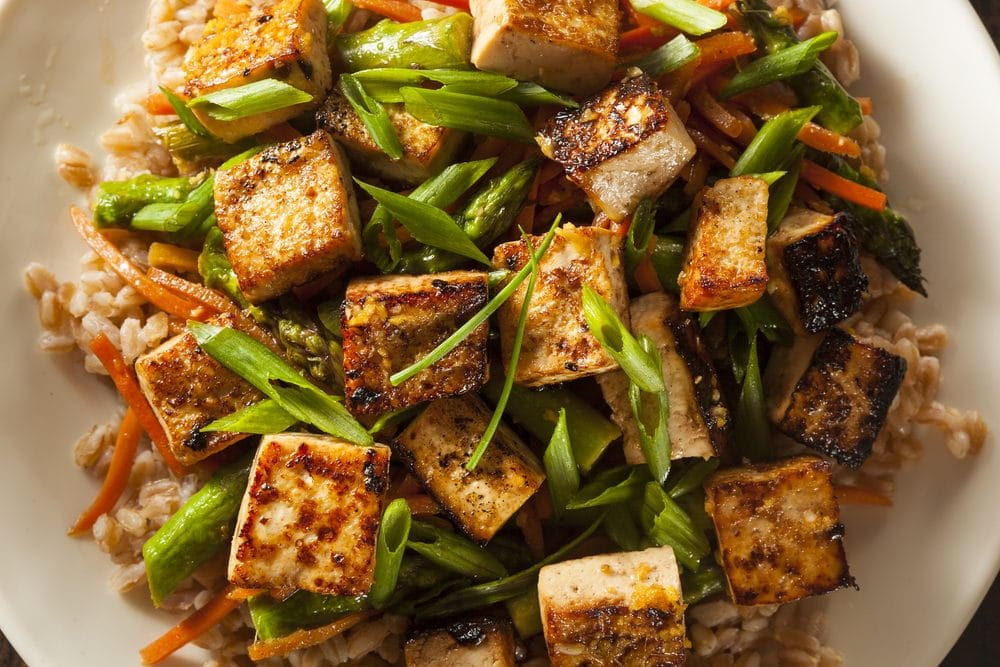
- Stir-fried tofu with rice noodles, ginger, and low-FODMAP veggies
Snacks:
- Banana slices with peanut butter
- Homemade popcorn seasoned with olive oil and sea salt
With these ideas, you won’t feel deprived for a second.
Common Mistakes to Avoid on the FODMAP Diet
Embarking on the FODMAP diet can feel like entering a minefield. To get the best results, steer clear of these common errors:
1. Skipping the Reintroduction Phase
Many people find relief during the elimination phase and are tempted to stay there indefinitely. However, this phase is not meant to be permanent. Without reintroducing foods, you won’t learn which FODMAP groups are problematic for you. Plus, overly restricting your diet can lead to nutritional deficiencies and an unsustainable lifestyle.
2. Not Reading Food Labels
Packaged foods can be sneaky. Ingredients like onion powder, high-fructose corn syrup, or inulin often hide in processed foods. Always check labels carefully, and don’t hesitate to contact manufacturers if you’re unsure.

3. Relying Too Much on Processed Foods
It’s easy to gravitate toward pre-packaged low-FODMAP snacks, but these often lack the nutrients found in whole foods. Aim for a balance of fresh fruits, vegetables, and proteins to ensure your diet is as healthy as it is gut-friendly.
4. Giving Up Too Soon
Results may not be immediate, and that’s okay. Your gut needs time to heal, and you might need to tweak your approach. Patience is key.
5. Forgetting to Plan
Failing to plan your meals can lead to grabbing whatever’s convenient, which often means high-FODMAP options. Keep low-FODMAP snacks handy and plan meals ahead to avoid temptation.
FAQs About the FODMAP Diet
1. Can I Stay on the FODMAP Diet Long-Term?
Not exactly. The low-FODMAP diet is designed as a temporary tool, not a lifelong plan. The goal is to reintroduce as many foods as possible while avoiding your specific triggers. Staying in the elimination phase long-term can lead to a restricted diet and potential nutrient deficiencies.
2. Is the FODMAP Diet Gluten-Free?
Not inherently, but many high-FODMAP grains, like wheat and barley, also contain gluten. If you don’t have coeliac disease, you don’t need to avoid gluten entirely. Gluten-free options are often low-FODMAP by default, making them a safe choice.
3. Can I Follow the Diet Without a Dietitian?
While it’s possible, it’s not recommended. The FODMAP diet is complex, and a dietitian can help you avoid unnecessary restrictions and ensure you’re getting adequate nutrition.

4. What If I Don’t See Results?
If you’ve followed the elimination phase carefully and still experience symptoms, it’s time to revisit your healthcare provider. Other conditions, such as coeliac disease or food allergies, might be at play.
5. Is the Diet Safe for Children?
The FODMAP diet can be adapted for children, but it must be done under professional supervision. Kids have different nutritional needs, and overly restricting their diet can harm growth and development.
Conclusion
The FODMAP diet isn’t just a trend—it’s a life-changing tool for those struggling with gut issues. By identifying your triggers and embracing low-FODMAP foods, you can improve your quality of life in ways you never thought possible. Yes, it takes effort, but trust me, your gut will thank you.
Take it slow, be patient with yourself, and remember: This journey is all about feeling good in your own skin (and stomach!). So go ahead—give it a try, and let your gut guide the way!