


Exercising is a crucial part of maintaining a healthy lifestyle, and gyms provide the necessary equipment and environment to facilitate this. However, injuries are a common concern in gym settings, often resulting from improper form, overexertion, or inappropriate use of equipment. Understanding which exercises are most likely to cause injuries and how to prevent them can help individuals maintain a safer workout routine. This article explores the top five exercises that frequently result in injuries in the gym and provides strategies for preventing these injuries.
Table of Contents
Understanding Common Gym Injuries
Before delving into specific exercises, it’s important to understand the types of injuries that commonly occur in the gym. These injuries can generally be categorised into acute and chronic injuries.
Acute Injuries
Acute injuries occur suddenly and are often the result of a specific event or trauma. They include:
- Sprains: Stretching or tearing of ligaments, often occurring in the ankles or wrists.
- Strains: Stretching or tearing of muscles or tendons, commonly seen in the back or hamstrings.
- Fractures: Broken bones, which can occur due to falls or dropping weights.
- Dislocations: Joints forced out of their normal position, such as shoulder dislocations.
Chronic Injuries
Chronic injuries develop over time due to repetitive stress or improper mechanics. They include:
- Tendinitis: Inflammation of tendons due to overuse, common in the shoulders, elbows, and knees.
- Bursitis: Inflammation of the bursae (fluid-filled sacs that cushion joints), often occurring in the hips or shoulders.
- Stress fractures: Small cracks in bones due to repetitive force, typically seen in the lower legs and feet.
Understanding these injuries and their causes is essential for prevention. Proper technique, appropriate load management, and adequate rest are key factors in minimising the risk of gym-related injuries.
1. Deadlifts

Deadlifts are a popular compound exercise that targets multiple muscle groups, including the glutes, hamstrings, lower back, and core. Despite their benefits, deadlifts are notorious for causing injuries due to the heavy loads involved and the technical skill required.
Common Injuries
- Lower Back Strain: Poor form, such as rounding the back, can lead to excessive stress on the lumbar spine, resulting in strains or herniated discs.
- Hamstring Strain: Overloading the bar or poor warm-up can lead to hamstring injuries.
- Grip-Related Injuries: Holding heavy weights can strain the forearm muscles and tendons, leading to tendinitis.
Prevention Strategies
- Proper Form: Keep the back straight, engage the core, and hinge at the hips rather than rounding the back. Maintain a neutral spine throughout the movement.
- Warm-Up: Perform dynamic stretches and light exercises to warm up the muscles, especially focusing on the hamstrings and lower back.
- Progressive Overload: Gradually increase the weight and avoid sudden jumps in the load. Ensure that the weight is manageable and that form is not compromised.
- Use Proper Equipment: Consider using lifting belts for support and chalk to enhance grip. Wrist straps can also help prevent grip fatigue during heavy lifts.
- Listen to Your Body: Stop the exercise if you feel any sharp pain, and consult with a trainer if unsure about your form.
Research Insights
Research by Escamilla et al. (2002) has highlighted the importance of maintaining a neutral spine during deadlifts to minimise lumbar stress and reduce the risk of injury. The study emphasises that proper technique, such as engaging the core and maintaining correct posture, significantly reduces the likelihood of injury.
2. Squats
Squats are another fundamental compound exercise that targets the quadriceps, hamstrings, glutes, and core. They are essential for building lower body strength but can lead to injuries if performed incorrectly.

Common Injuries
- Knee Injuries: Incorrect alignment, such as letting the knees cave inward (valgus collapse), can stress the knee joints and ligaments, leading to injuries like patellar tendinitis or ACL strains.
- Lower Back Strain: Similar to deadlifts, poor form and excessive forward lean can result in lower back injuries.
- Ankle Sprains: Limited ankle mobility can cause instability, increasing the risk of sprains.
Prevention Strategies
- Proper Form: Maintain an upright posture, keep the chest lifted, and ensure the knees track over the toes. Engage the core to support the lower back.
- Mobility Work: Improve ankle and hip mobility to achieve proper squat depth and alignment. Incorporate exercises like ankle dorsiflexion stretches and hip openers.
- Start with Bodyweight: Master bodyweight squats before adding weights. Gradually progress to using a barbell with appropriate weight.
- Use Safety Equipment: Consider using knee sleeves or braces for additional support, especially if you have a history of knee injuries.
- Work with a Trainer: If unsure about your squat form, seek guidance from a qualified trainer to ensure proper technique.
Research Insights
A study by Hartmann et al. (2013) suggests that deep squats can be performed safely with proper technique and gradual progression. The research underscores the importance of maintaining knee alignment and avoiding excessive forward lean to prevent injuries.
3. Bench Press
The bench press is a staple exercise for building upper body strength, targeting the chest, shoulders, and triceps. Despite its popularity, it is also one of the exercises most associated with gym injuries.

Common Injuries
- Shoulder Injuries: Overuse and improper form can lead to shoulder impingement, rotator cuff tears, or tendinitis.
- Pectoral Strain: Lifting excessive weight or using incorrect technique can strain the pectoral muscles.
- Wrist Injuries: Poor wrist positioning can lead to sprains or tendinitis.
Prevention Strategies
- Correct Form: Keep the shoulders retracted and down, engage the core, and ensure the bar path is smooth and controlled. Avoid flaring the elbows excessively.
- Warm-Up: Perform shoulder and chest warm-up exercises to prepare the muscles and joints for the lift.
- Use Spotters: Always have a spotter when lifting heavy weights to ensure safety and prevent accidents.
- Gradual Progression: Avoid lifting weights beyond your capability. Gradually increase the load to allow the body to adapt.
- Proper Grip: Maintain a firm grip on the bar, keeping the wrists straight and aligned with the forearms.
Keep in mind the importance of controlled bar path and proper shoulder positioning during the bench press to reduce the risk of injury. Aim for a smooth, controlled movement pattern is key to preventing shoulder and pectoral injuries.
4. Overhead Press
The overhead press is an effective exercise for developing shoulder strength and stability. It targets the deltoids, triceps, and upper chest. However, the overhead position can pose risks if not executed properly.

Common Injuries
- Shoulder Impingement: Improper form, such as excessive arching of the back or lack of scapular mobility, can lead to shoulder impingement and rotator cuff injuries.
- Lower Back Strain: Overarching the lower back during the press can cause strain and discomfort.
- Neck Strain: Poor neck positioning or excessive forward head posture can result in neck strain.
Prevention Strategies
- Proper Form: Keep the core engaged, maintain a neutral spine, and avoid excessive arching. Press the weight overhead in a straight line, keeping the elbows slightly in front of the body.
- Scapular Mobility: Incorporate exercises to improve scapular mobility and stability, such as scapular push-ups and band pull-aparts.
- Gradual Progression: Start with lighter weights to master the form before increasing the load.
- Use a Slight Incline: If shoulder mobility is limited, perform the press on a slight incline to reduce strain on the shoulder joints.
- Avoid Locking Out: Avoid locking out the elbows at the top of the press to reduce stress on the joints.
Research Insights
A study by Page et al. (2014) emphasises the significance of scapular mobility and stability in preventing shoulder injuries during overhead presses. The research indicates that exercises targeting scapular control can significantly reduce the risk of impingement and rotator cuff injuries.
Try This Full Shoulder Workout (Perfect for Post-Injury)
5. Pull-Ups
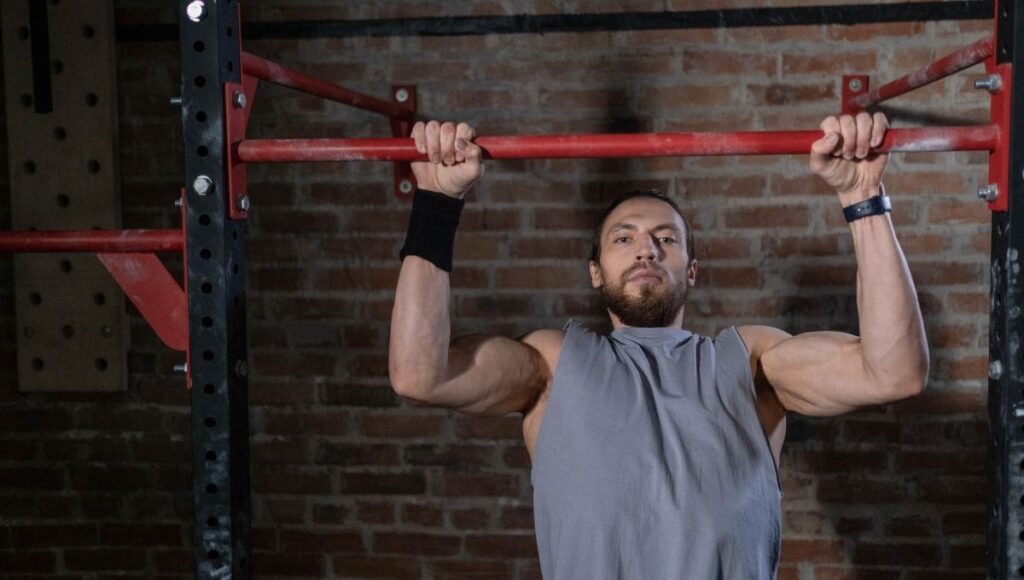
Pull-ups are an excellent bodyweight exercise for strengthening the upper back, biceps, and core. They require significant upper body strength and control but can lead to injuries if performed incorrectly.
Common Injuries
- Shoulder Strain: Incorrect grip or excessive swinging can strain the shoulder muscles and tendons.
- Elbow Tendinitis: Overuse and poor technique can lead to elbow tendinitis, commonly known as “tennis elbow.”
- Hand and Wrist Injuries: Improper grip can result in hand and wrist discomfort or injury.
Prevention Strategies
- Proper Form: Engage the core, maintain a slight arch in the back, and pull with the elbows rather than the wrists. Avoid excessive swinging or kipping, especially when starting.
- Warm-Up: Perform upper body and grip-specific warm-up exercises to prepare the muscles and joints.
- Gradual Progression: Use resistance bands or assisted pull-up machines to build strength gradually before attempting full pull-ups.
- Grip Variations: Experiment with different grip variations (e.g., overhand, underhand, neutral) to reduce strain on specific joints and muscles.
- Avoid Overtraining: Allow sufficient rest between pull-up sessions to prevent overuse injuries.
Always strive for controlled movements instead of just letting gravity do its job and pay attention to proper scapular positioning during pull-ups to reduce the risk of shoulder and elbow injuries. Avoid excessive swinging or kipping and focus on complete muscle engagement throughout the movement.
General Injury Prevention Tips
In addition to exercise-specific strategies, several general tips can help prevent injuries in the gym:
1. Warm-Up and Cool Down
Proper warm-up and cool-down routines are essential for injury prevention. A warm-up increases blood flow to the muscles, improves flexibility, and prepares the body for exercise. A cool-down helps reduce muscle soreness and aids recovery.
- Dynamic Warm-Up: Incorporate dynamic stretches and movements that mimic the exercises you will perform. Examples include leg swings, arm circles, and light cardio.
- Static Stretching: Perform static stretches after your workout to improve flexibility and promote relaxation. Focus on the major muscle groups used during your session.

6 Stretches to Reduce and Prevent Injury
2. Focus on Technique
Proper technique is crucial for preventing injuries. Incorrect form can lead to imbalances, stress on joints, and overuse injuries. Consider the following:
- Seek Professional Guidance: If you are unsure about your form, consider working with a certified trainer to ensure proper technique.
- Use Mirrors: Use mirrors to check your form during exercises. Visual feedback can help you maintain correct posture and alignment.
- Avoid Ego Lifting: Focus on mastering the movement rather than lifting the heaviest weight possible. Ego lifting increases the risk of injury.
3. Gradual Progression
Gradual progression is key to preventing injuries and ensuring long-term success in your fitness journey. Sudden increases in intensity, volume, or load can lead to overuse injuries and burnout.
- Follow a Program: Follow a structured workout program that incorporates gradual progression and deloading phases.
- Listen to Your Body: Pay attention to your body’s signals. If you experience pain or discomfort, take a break and reassess your technique and load.
- Incorporate Rest Days: Allow sufficient rest between workouts to promote recovery and prevent overtraining.
4. Use Proper Equipment
Using the right equipment can enhance your workout experience and reduce the risk of injury.
- Wear Appropriate Footwear: Choose shoes that provide adequate support and stability for your chosen activities.
- Use Safety Equipment: Utilise safety equipment such as lifting belts, wrist wraps, and knee sleeves as needed.
- Adjust Machines Properly: Ensure machines are adjusted to your height and body mechanics to prevent strain.
5. Stay Hydrated and Nourished
Proper hydration and nutrition support optimal performance and recovery.
- Hydrate: Drink water before, during, and after your workout to stay hydrated. Dehydration can lead to fatigue and increase the risk of injury.
- Fuel Your Body: Consume a balanced diet that provides the necessary nutrients for energy and recovery. Consider a pre-workout snack that includes carbohydrates and protein.
Conclusion
Injuries are a common concern in the gym, but they can be largely prevented with the right approach. Understanding the exercises that pose the highest risk of injury and implementing prevention strategies can help individuals maintain a safe and effective workout routine. Prioritising proper form, gradual progression, and listening to your body are key components of injury prevention. By taking these precautions, individuals can enjoy the benefits of exercise while minimising the risk of injury.
Key Takeaways
| Key Takeaways |
|---|
| 1. Common Injuries: Understand acute and chronic injuries common in gyms, such as sprains, strains, tendinitis, and stress fractures. |
| 2. Deadlift Safety: Maintain a neutral spine, warm up properly, and use appropriate equipment to prevent lower back and hamstring injuries. |
| 3. Squat Form: Focus on knee alignment, improve mobility, and start with bodyweight to prevent knee and lower back injuries. |
| 4. Bench Press Precautions: Use proper shoulder positioning, warm-up, and spotters to reduce the risk of shoulder and pectoral injuries. |
| 5. Overhead Press Tips: Engage the core, ensure scapular mobility, and progress gradually to avoid shoulder and lower back injuries. |
| 6. Pull-Up Strategies: Prioritise proper form, warm up, and use grip variations to prevent shoulder and elbow injuries. |
| 7. General Prevention: Incorporate warm-ups, focus on technique, progress gradually, use proper equipment, and stay hydrated and nourished. |
References
Duffey, M. J., & Challis, J. H. (2007). Vertical and lateral barbell displacement during the bench press in novice lifters. Journal of Strength and Conditioning Research, 21(3), 776-779.
Escamilla, R. F., Francisco, A. C., Kayes, A. V., Speer, K. P., & Moorman, C. T. (2002). An electromyographic analysis of sumo and conventional style deadlifts. Medicine & Science in Sports & Exercise, 34(4), 682-688.
Hartmann, H., Wirth, K., Klusemann, M., Dalic, J., Matuschek, C., & Schmidtbleicher, D. (2013). Influence of squatting depth on jumping performance. Journal of Strength and Conditioning Research, 27(6), 1634-1645.
Page, P., Frank, C. C., & Lardner, R. (2014). Assessment and Treatment of Muscle Imbalance: The Janda Approach. Human Kinetics.
You, J. S., Kim, J. H., Lee, J. W., & Kwon, O. Y. (2013). Scapular position and strength in pulling exercises. Journal of Strength and Conditioning Research, 27(4), 1082-1089.


