We all dream of luscious, thick hair that shines with health. While shampoos, conditioners, and hair treatments can help, what you eat plays an even bigger role in how your hair looks and feels. The best foods for hair growth are loaded with essential vitamins and minerals, which provide the building blocks for stronger, shinier, and faster-growing hair. So, if you’ve been wondering how to improve your hair naturally, your diet may hold the key.
In this article, we’ll dive into the top foods that can encourage hair growth, nourish your scalp, and keep your locks strong. Whether you’re dealing with hair thinning or just looking to boost your overall hair health, adding these nutrient-rich foods to your diet could make all the difference. We’ll also look at the science behind each food and how it impacts your hair. By the end of this, you’ll have a solid understanding of what to eat to achieve that head of hair you’ve always wanted.
Table of Contents
How Diet Affects Hair Growth
Your hair cells are among the fastest-growing in your body, but they’re also among the first to suffer when you’re not getting enough nutrition. The scalp and hair follicles rely on a consistent supply of nutrients to stay healthy, and deficiencies can result in hair thinning, breakage, and even hair loss. The hair growth cycle itself consists of four phases – anagen (growth), catagen (transition), telogen (rest), and exogen (shedding) – and proper nutrition helps to keep these phases in balance.
Eating a diet rich in certain vitamins, minerals, and proteins helps maintain this cycle and keeps your hair growing strong. Nutrients like biotin, vitamins A, C, D, and E, zinc, iron, and omega-3 fatty acids are especially vital for hair growth and follicle health.
The Science Behind Nutrients and Hair Growth:
- Hair is primarily made of keratin, a protein, which requires amino acids (found in protein-rich foods) to form.
- Omega-3 fatty acids help maintain scalp health and reduce inflammation that can hinder hair growth.
- Antioxidants, like vitamins C and E, protect hair follicles from oxidative stress caused by free radicals.
- Zinc and iron play a critical role in cellular function and tissue repair, helping to fortify hair follicles.
Let’s look at some of the best foods that provide these nutrients and more.
10 Best Foods for Hair Growth
1. Eggs: The Protein Powerhouse

Eggs are packed with protein and biotin, both essential for hair growth. Hair is mostly made of protein, and consuming enough of it is crucial to preventing hair from becoming dry, brittle, and weak. Biotin, another nutrient in eggs, is essential for producing keratin, the protein that strengthens hair.
Benefits of Eggs for Hair Growth:
- Rich in high-quality protein, supporting the hair growth cycle.
- Contains biotin, which reduces hair thinning.
- Packed with iron, essential for healthy blood circulation to the scalp.
Science Behind It:
A study published in the Journal of Dermatology showed that biotin deficiency is linked to hair thinning and loss, highlighting the importance of including biotin-rich foods like eggs in your diet.
2. Spinach: The Nutrient-Rich Leafy Green
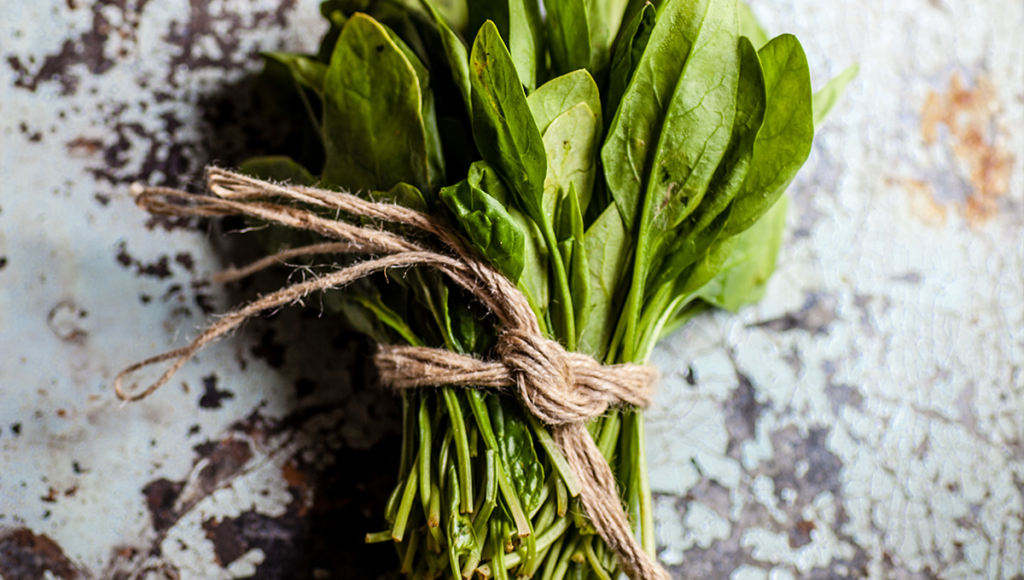
Spinach is a fantastic source of iron, folate, and vitamins A and C, which are all essential for hair growth. Iron deficiency, a common cause of hair loss, can be combated by consuming iron-rich foods like spinach. Vitamin A helps the scalp produce sebum, a natural oil that moisturises the scalp and keeps hair healthy.
Benefits of Spinach for Hair Growth:
- High in iron, which supports red blood cells in delivering oxygen to hair follicles.
- Contains vitamin A, promoting sebum production for a well-hydrated scalp.
- Packed with antioxidants that reduce scalp inflammation.
Science Behind It:
Research has demonstrated that low iron levels can lead to hair loss, especially in women. Eating iron-rich foods like spinach helps prevent this, particularly when combined with vitamin C, which aids in iron absorption.
3. Fatty Fish: Salmon, Mackerel, and Sardines
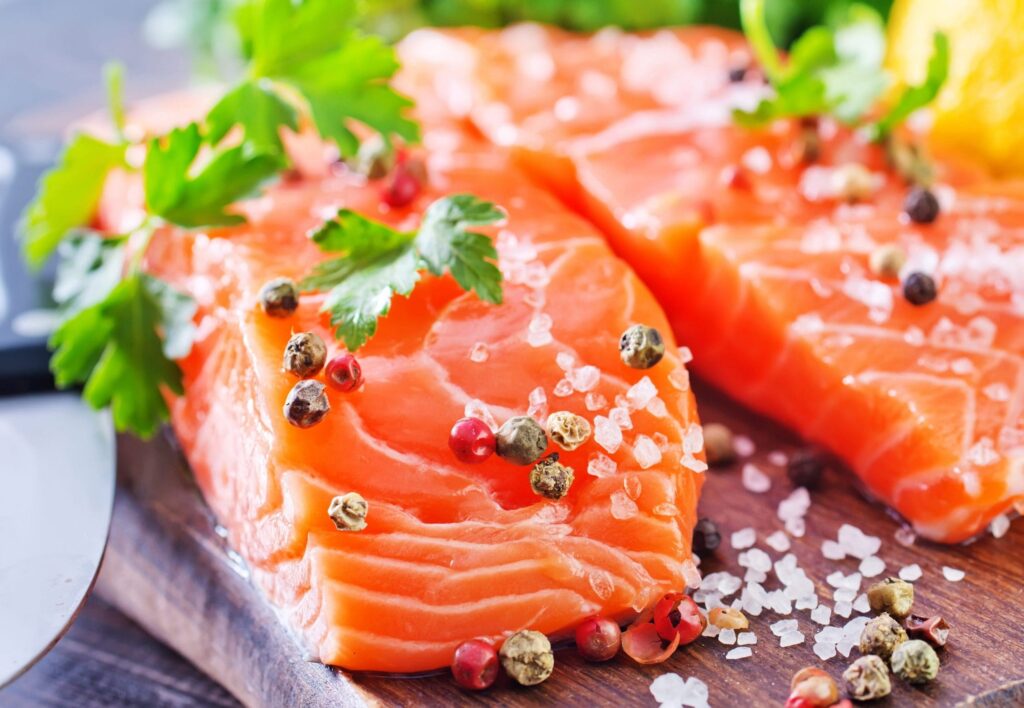
Fatty fish, like salmon, mackerel, and sardines, are excellent sources of omega-3 fatty acids, which promote hair growth by nourishing the scalp and reducing inflammation. Omega-3s are also thought to support hair density and shine.
Benefits of Fatty Fish for Hair Growth:
- Rich in omega-3 fatty acids, which promote hair growth and reduce hair loss.
- Contains high-quality protein and selenium, which help maintain hair structure.
- Excellent source of vitamin D, which has been linked to new hair follicle growth.
Science Behind It:
A study published in the Journal of Cosmetic Dermatology found that women who supplemented their diets with omega-3 and omega-6 fatty acids saw a significant reduction in hair loss and improved hair density.
4. Sweet Potatoes: Nature’s Beta-Carotene Boost
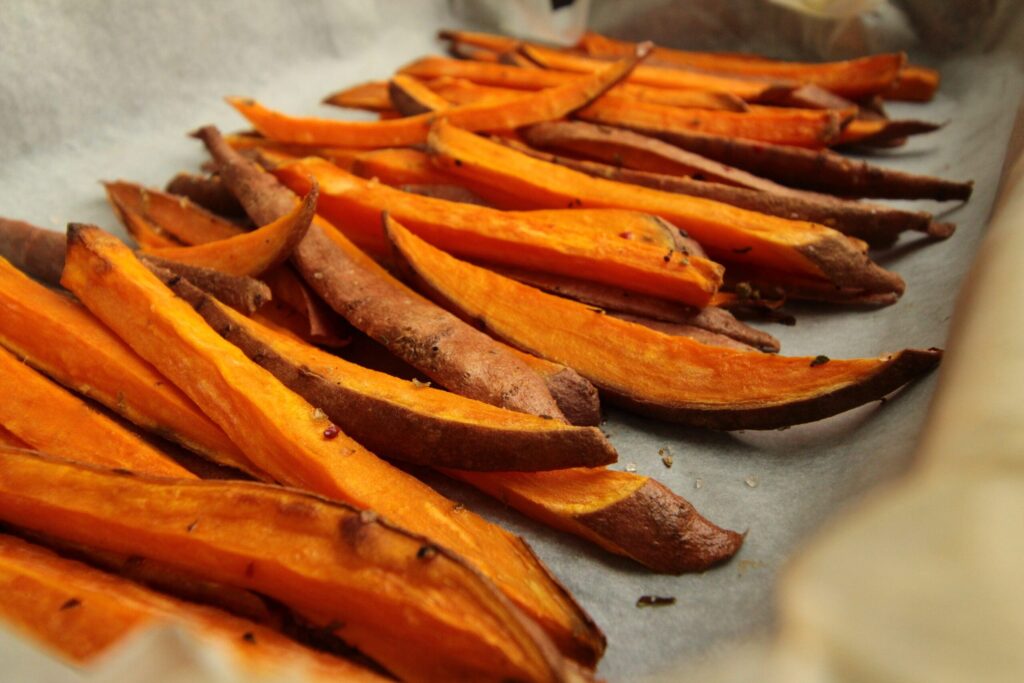
Sweet potatoes are rich in beta-carotene, which the body converts into vitamin A. This vitamin is crucial for maintaining a healthy scalp and promoting hair growth. Vitamin A helps stimulate the production of sebum, a natural conditioner for the scalp.
Benefits of Sweet Potatoes for Hair Growth:
- Contains beta-carotene, which is converted into vitamin A to promote scalp health.
- Helps prevent hair from becoming dry and brittle.
- Reduces hair thinning and encourages thicker hair growth.
Science Behind It:
A study in The Journal of Clinical and Aesthetic Dermatology highlighted the role of beta-carotene in supporting healthy hair, showing that it can lead to increased hair growth and reduce dullness .
5 Best Dumbbell Exercises to Burn Body Fat Quicker
5. Nuts and Seeds: Tiny but Mighty
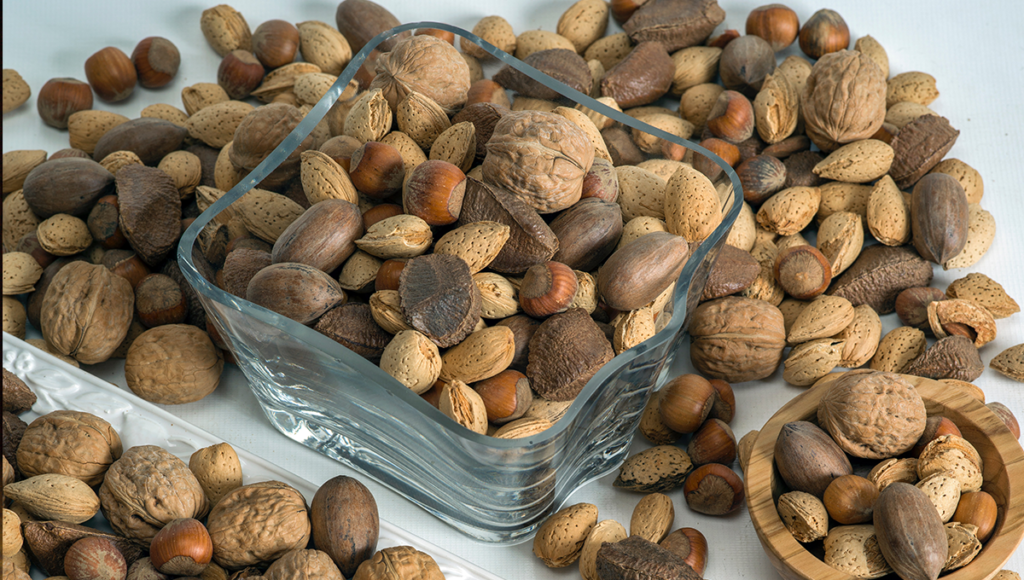
Nuts and seeds like almonds, walnuts, and flaxseeds are packed with essential nutrients like omega-3 fatty acids, vitamin E, zinc, and biotin. These nutrients are key to healthy hair growth and help protect your hair from environmental damage.
Benefits of Nuts and Seeds for Hair Growth:
- High in vitamin E, which improves blood flow to the scalp and boosts hair growth.
- Rich in zinc, helping to prevent hair shedding.
- Contains omega-3s, keeping hair follicles hydrated and nourished.
Science Behind It:
Research from the Journal of Cosmetic Dermatology has shown that vitamin E can significantly improve hair growth by increasing scalp circulation and protecting hair from oxidative stress.
6. Avocados: The Vitamin E Hero
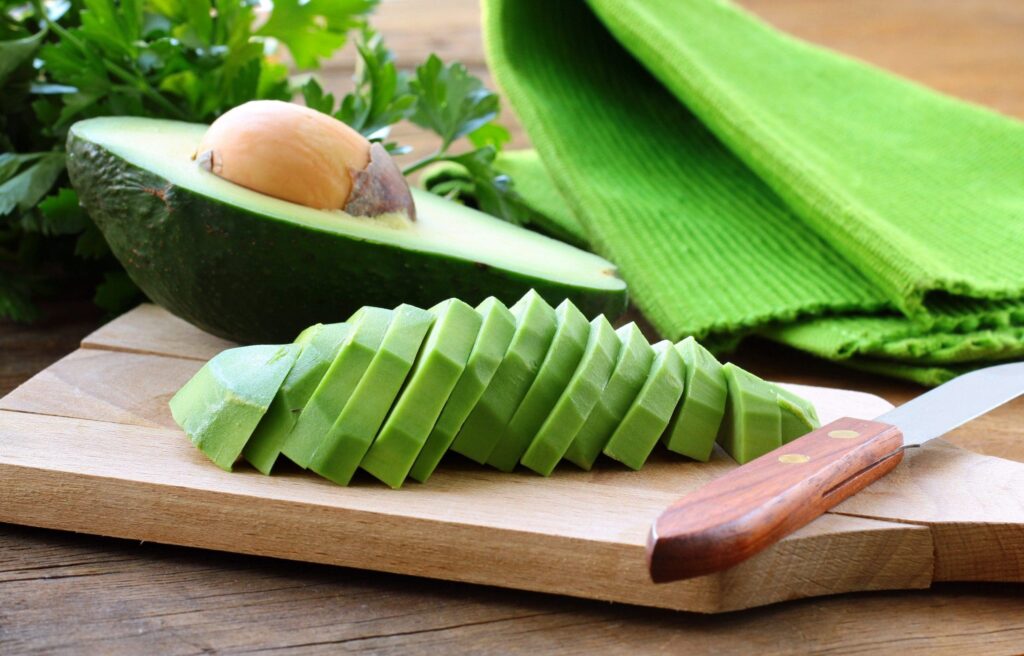
Avocados are one of the best sources of vitamin E, which promotes hair growth by improving blood circulation and helping the follicles work more efficiently. They also provide healthy fats that keep your scalp nourished and reduce dryness and flakiness.
Benefits of Avocados for Hair Growth:
- Rich in vitamin E, which protects the scalp from oxidative stress.
- Contains monounsaturated fats, keeping hair hydrated and shiny.
- Packed with antioxidants that promote a healthy scalp environment.
Science Behind It:
A study in the Tropical Life Sciences Research journal found that vitamin E supplementation improved hair growth by up to 34.5% in participants, emphasising its importance in a hair-healthy diet.
7. Beans and Lentils: Plant-Based Protein Power
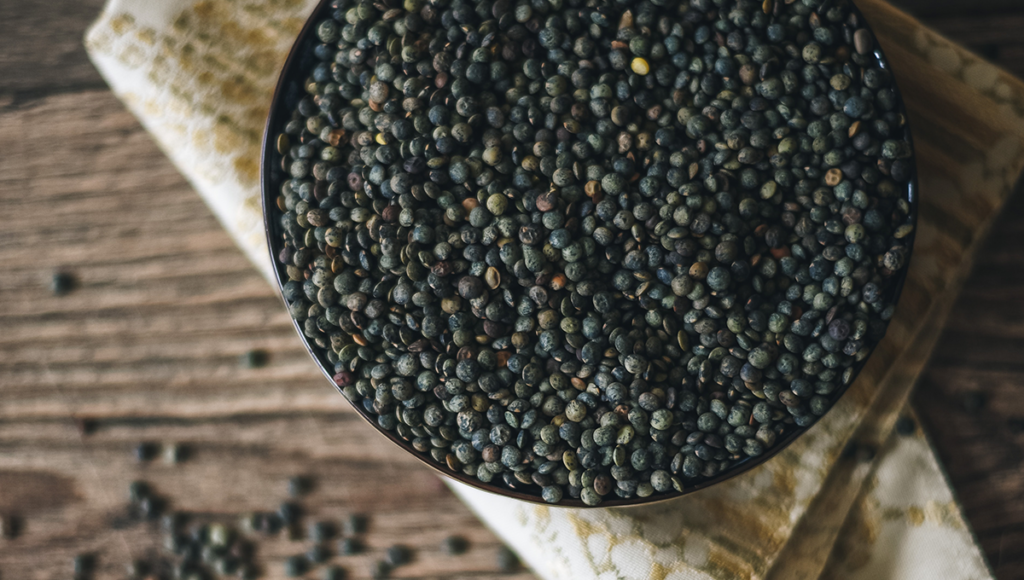
For those following a plant-based diet, beans and lentils are excellent sources of protein and iron, both of which are essential for strong, healthy hair. They also contain biotin and zinc, which further support hair health and growth.
Benefits of Beans and Lentils for Hair Growth:
- High in plant-based protein, promoting hair structure and strength.
- Rich in iron, biotin, and zinc, supporting the hair growth cycle.
- Provides folate, which aids in red blood cell formation and oxygen delivery to the scalp.
Science Behind It:
A study from Nutrition & Health demonstrated that diets rich in legumes like beans and lentils improve hair health by supplying the necessary protein and minerals for growth.
Best Exercises to Reverse Your Heart’s Age
8. Berries: The Antioxidant Powerhouse
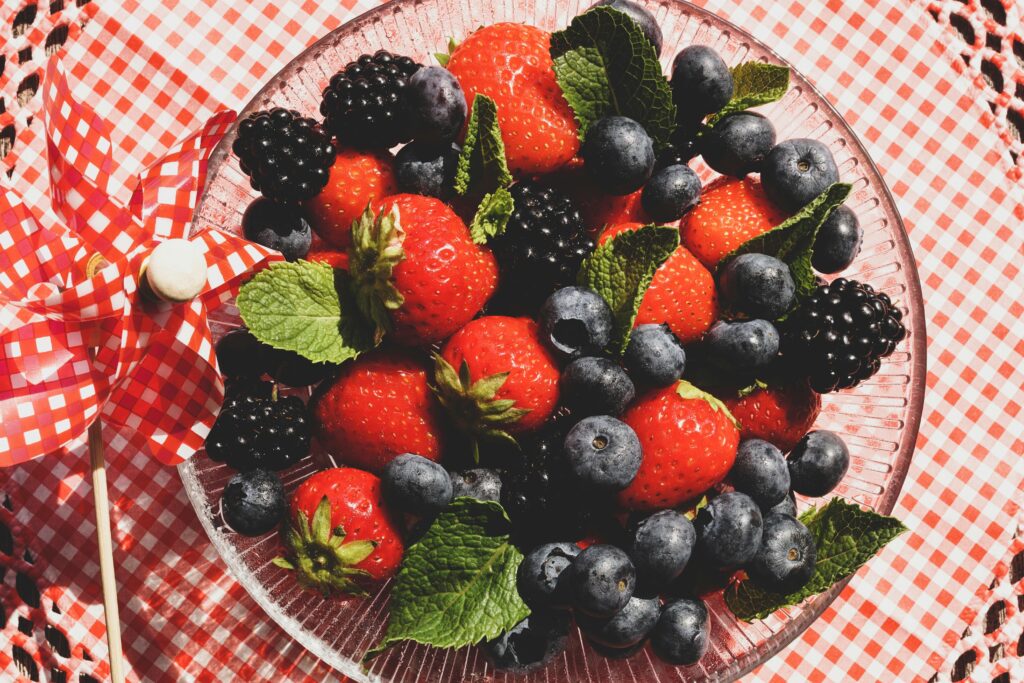
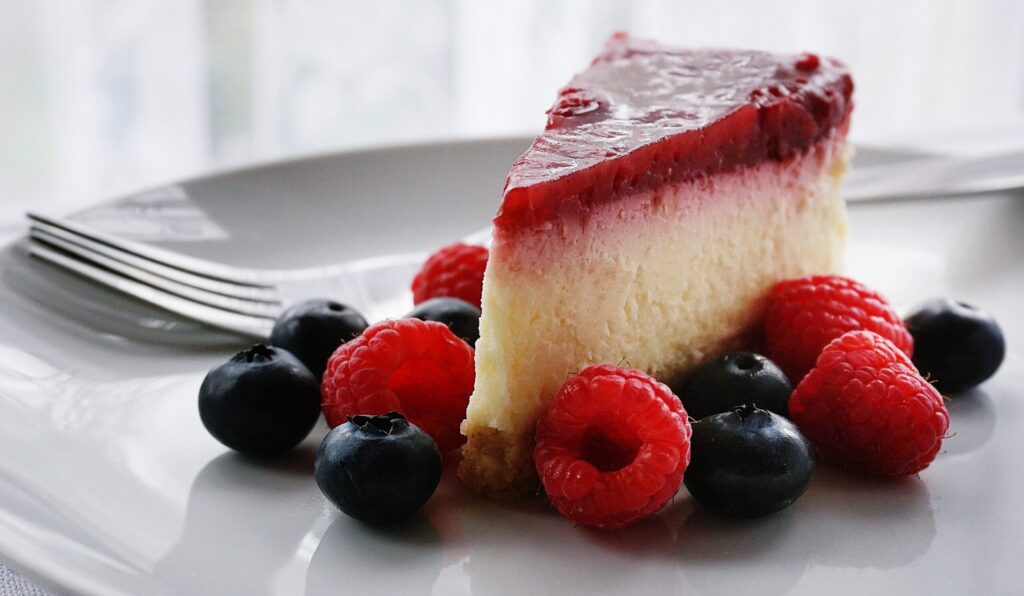
Berries, including strawberries, blueberries, and raspberries, are packed with antioxidants and vitamin C, which support collagen production and protect hair follicles from free radical damage. Vitamin C also enhances iron absorption, making it a great addition to an iron-rich diet.
Benefits of Berries for Hair Growth:
- Rich in vitamin C, which helps produce collagen, a key component in hair structure.
- Packed with antioxidants that protect hair follicles from oxidative stress.
- Boosts iron absorption, preventing hair thinning caused by iron deficiency.
Science Behind It:
According to research from the American Journal of Clinical Nutrition, vitamin C helps combat oxidative stress, which can damage hair follicles and lead to hair loss.
9. Oysters: Zinc for Hair Strength

Oysters are one of the best sources of zinc, a mineral that plays a crucial role in hair tissue growth and repair. Zinc deficiency has been linked to hair loss, so including zinc-rich foods like oysters can help maintain thick, strong hair.
Benefits of Oysters for Hair Growth:
- High in zinc, promoting hair repair and reducing shedding.
- Supports scalp health and boosts the hair growth cycle.
- Prevents brittle hair by strengthening the hair shaft.
Science Behind It:
A study in the Annals of Dermatology linked low zinc levels to significant hair loss, highlighting the importance of maintaining adequate zinc intake for hair growth.
10. Greek Yoghurt: Protein and Probiotics
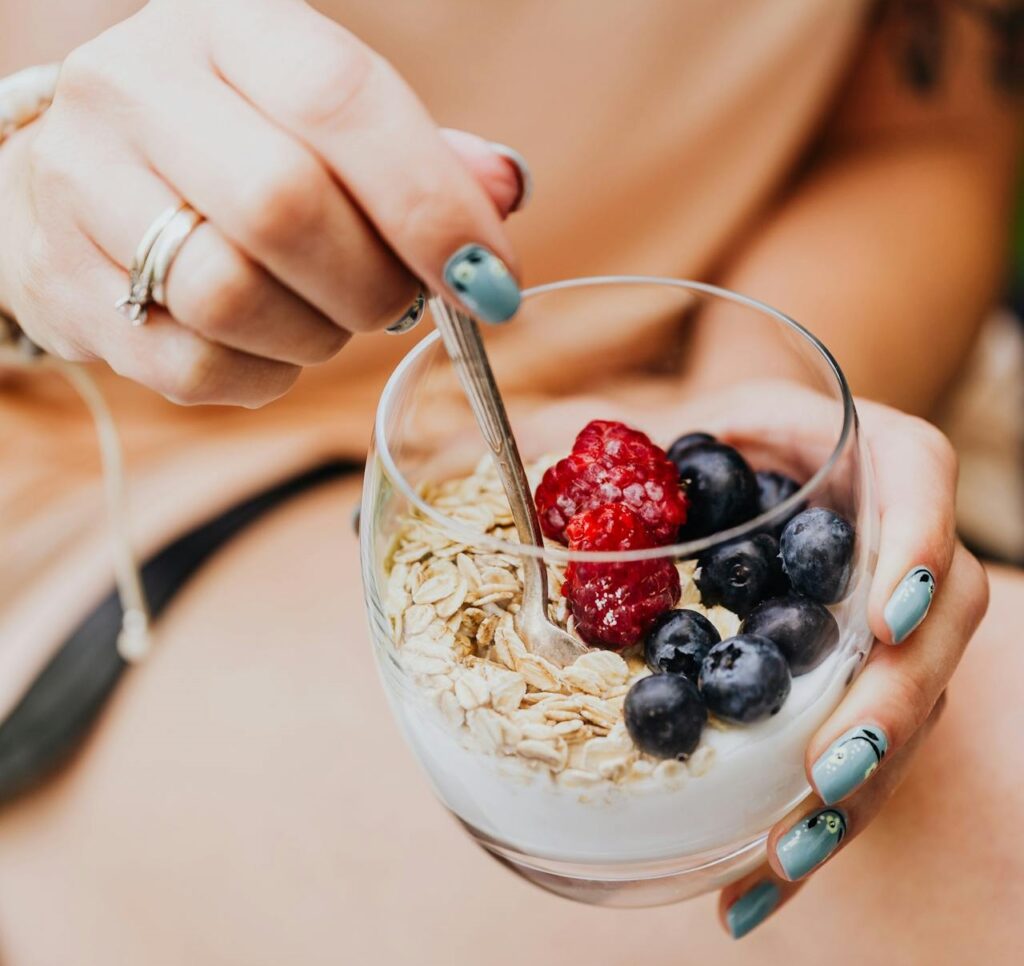
Greek yoghurt is rich in protein, which is essential for hair structure and growth. It also contains probiotics, which are beneficial for scalp health. A healthy scalp leads to better conditions for hair growth.
Benefits of Greek Yoghurt for Hair Growth:
- High in protein, essential for strong, healthy hair.
- Contains probiotics that promote scalp health.
- Packed with vitamin B5 (pantothenic acid), which helps with blood flow to the scalp and nourishes hair follicles.
Science Behind It:
Research published in Frontiers in Microbiology shows that probiotics can support overall scalp health, creating an environment that fosters healthy hair growth.
The Most Underrated Way to Lose Weight
Conclusion
Achieving healthy, strong, and fast-growing hair isn’t just about the products you put on it – it’s about nourishing your body from the inside out. The best foods for hair growth are those that provide essential vitamins, minerals, proteins, and healthy fats that support hair follicles and scalp health. From eggs and spinach to fatty fish and avocados, incorporating a variety of nutrient-rich foods into your diet can significantly improve your hair’s condition.
By focusing on foods rich in omega-3 fatty acids, vitamins A, C, D, E, iron, zinc, and biotin, you’re giving your hair the best possible chance to thrive. Hair growth may take time, but with consistent nourishment and a balanced diet, you’ll be well on your way to thicker, stronger, and healthier locks.
Key Takeaways
| Food | Key Nutrients | Hair Benefits |
|---|---|---|
| Eggs | Protein, Biotin, Iron | Strengthens hair, reduces thinning, promotes growth |
| Spinach | Iron, Vitamins A & C, Folate | Supports scalp health, prevents hair loss |
| Fatty Fish | Omega-3s, Vitamin D, Protein | Enhances hair density, reduces shedding |
| Sweet Potatoes | Beta-carotene, Vitamin A | Promotes sebum production, encourages thicker hair |
| Nuts & Seeds | Omega-3s, Vitamin E, Zinc | Protects from damage, supports scalp health |
| Avocados | Vitamin E, Healthy Fats | Nourishes scalp, promotes hair growth |
| Beans & Lentils | Protein, Iron, Biotin, Zinc | Strengthens hair, supports growth cycle |
| Berries | Vitamin C, Antioxidants | Boosts collagen production, protects follicles |
| Oysters | Zinc | Reduces shedding, strengthens hair follicles |
| Greek Yoghurt | Protein, Probiotics, Vitamin B5 | Supports scalp health, nourishes follicles |
Bibliography
- Almohanna, H.M., Ahmed, A.A., Tsatalis, J.P., and Tosti, A. (2019) ‘The role of vitamins and minerals in hair loss: A review’, Dermatology and Therapy, 9(1), pp. 51-70.
- Stough, D., Stenn, K., Haber, R., and Parsley, W.M. (2005) ‘Hair follicle biology and the pathophysiology of hair loss’, Journal of the American Academy of Dermatology, 53(1), pp. S1-S10.
- Patt, L.M., (2014) ‘Nutritional deficiencies and hair loss’, Clinical Dermatology, 32(6), pp. 783-792.
- Watson, R.R., Preedy, V.R. and Zibadi, S. (2012) Nutritional Modulators of Pain in the Aging Population. Springer Science & Business Media.
- Shapiro, J. and Kaufman, K.D. (2003) ‘Patterned hair loss in men and women’, Journal of Investigative Dermatology Symposium Proceedings, 8(1), pp. 88-90.