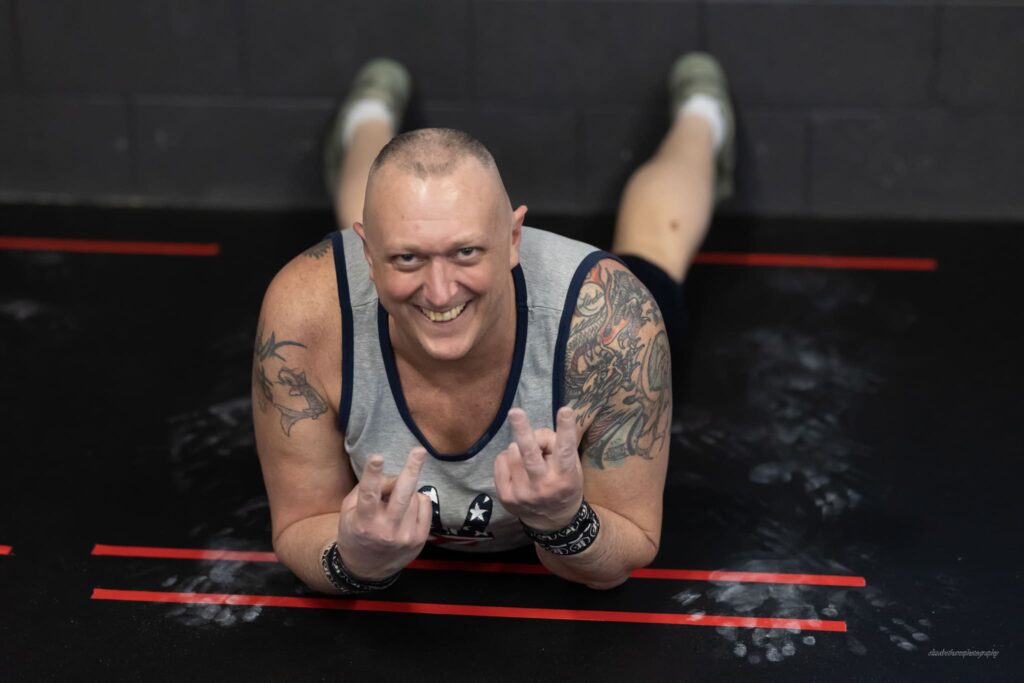
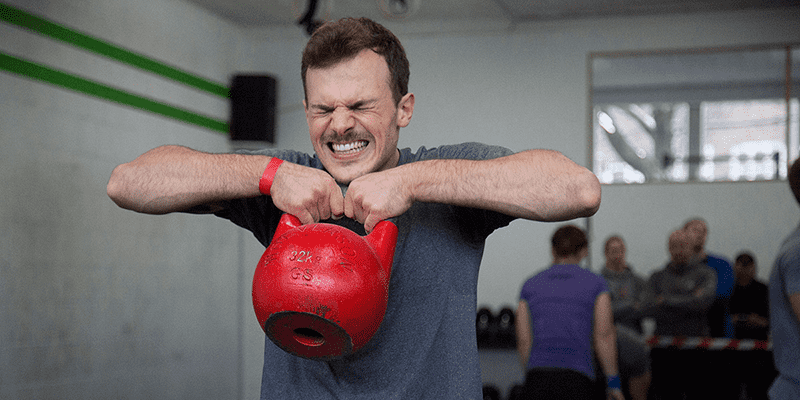
As men age, maintaining muscle mass and overall physical health becomes increasingly important. For guys over 35, bodybuilding can be an effective way to stay fit, build muscle, and improve overall well-being. This article outlines ten essential bodybuilding basics for men over 35, backed by scientific evidence.
1. Prioritise Strength Training
Strength training is crucial for building muscle and improving bone density, particularly as you age. Research indicates that resistance training helps mitigate sarcopenia, the age-related loss of muscle mass (Campbell et al., 2002). Incorporating compound exercises such as squats, deadlifts, and bench presses can yield significant benefits.
Benefits of Strength Training
- Increased Muscle Mass: Resistance training stimulates muscle hypertrophy.
- Improved Bone Density: Weight-bearing exercises enhance bone strength.
- Metabolic Boost: Increased muscle mass elevates resting metabolic rate.
2. Focus on Recovery
Recovery becomes more critical as you age due to the body’s reduced ability to repair and regenerate muscle tissue. Ensuring adequate rest and recovery periods between workouts can prevent overtraining and injuries.
Tips for Effective Recovery
- Sleep: Aim for 7-9 hours per night to support muscle recovery and hormone balance.
- Active Recovery: Incorporate light activities like walking or yoga on rest days.
- Nutrition: Consume adequate protein and essential nutrients to aid muscle repair.
3. Tailor Your Nutrition
Diet plays a pivotal role in bodybuilding, especially for those over 35. Protein intake is particularly important, as it supports muscle repair and growth. The recommended dietary allowance (RDA) for protein is 0.8 grams per kilogram of body weight, but bodybuilders may require 1.2-2.2 grams per kilogram (Phillips, 2014).

Nutritional Guidelines
- Protein: Include lean sources like chicken, fish, and legumes.
- Carbohydrates: Opt for complex carbs such as whole grains and vegetables to sustain energy levels.
- Fats: Include healthy fats from sources like avocados, nuts, and olive oil.
4. Incorporate Functional Movements
Functional training involves exercises that mimic everyday movements, enhancing overall strength and mobility. This type of training can improve balance, coordination, and flexibility, which are crucial as you age.
Examples of Functional Exercises
- Kettlebell Swings: Improve hip mobility and cardiovascular fitness.
- Planks: Enhance core stability and strength.
- Lunges: Increase lower body strength and balance.
5. Stay Consistent
Consistency is key to any successful bodybuilding regimen. Developing a regular workout schedule and sticking to it can yield better results over time. A study by Kraemer et al. (2002) emphasised the importance of consistent training for muscle hypertrophy and strength gains.
Building a Routine
- Set Realistic Goals: Establish short-term and long-term fitness goals.
- Track Progress: Keep a workout journal to monitor improvements.
- Stay Motivated: Find a workout partner or join a fitness community for support.
6. Manage Stress
Chronic stress can negatively impact muscle growth and overall health. Elevated cortisol levels, a stress hormone, can inhibit muscle protein synthesis and promote muscle breakdown (Sousa et al., 2019).

Stress Management Techniques
- Mindfulness: Practice meditation or deep breathing exercises.
- Physical Activity: Engage in regular exercise to reduce stress levels.
- Hobbies: Spend time on activities you enjoy to relax and unwind.
7. Stay Hydrated
Proper hydration is essential for muscle function and overall health. Dehydration can impair performance and recovery, making it harder to build muscle.
Hydration Tips
- Water Intake: Aim to drink at least 2 litres of water daily.
- Electrolytes: Replenish electrolytes lost through sweat with sports drinks or electrolyte supplements.
- Monitor Hydration: Check urine colour; pale yellow indicates good hydration.
8. Adapt Your Training to Your Body
Listening to your body and adjusting your training accordingly is crucial, especially as you age. Overexertion can lead to injuries, so it’s important to recognise your limits.
Adapting Your Training
- Warm-Up and Cool-Down: Incorporate proper warm-up and cool-down routines to prevent injuries.
- Modify Exercises: Use variations or lighter weights if you experience discomfort.
- Rest Days: Schedule regular rest days to allow for recovery and prevent overtraining.
9. Supplement Wisely
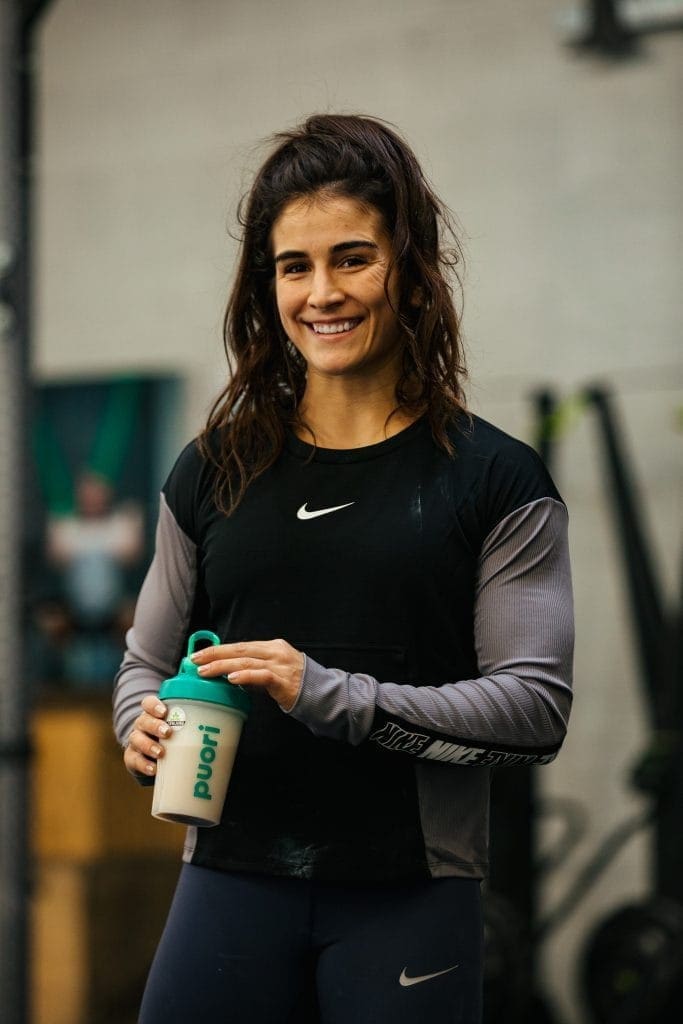
While whole foods should be the primary source of nutrients, certain supplements can support your bodybuilding efforts. Consult with a healthcare professional before adding any supplements to your regimen.
Recommended Supplements
- Protein Powder: Helps meet daily protein requirements.
- Creatine: Supports muscle strength and recovery (Kreider et al., 2017).
- Vitamin D: Enhances bone health and immune function.
10. Monitor Health Markers
Regular health check-ups and monitoring key health markers can help you stay on track and make informed decisions about your training and nutrition.
Key Health Markers
- Blood Pressure: Keep track of your blood pressure to prevent cardiovascular issues.
- Cholesterol Levels: Monitor cholesterol to maintain heart health.
- Body Composition: Use tools like body fat scales or DEXA scans to assess muscle mass and fat levels.
Conclusion
Building muscle and looking great over the age of 35 requires a balanced approach that incorporates strength training, proper nutrition, adequate recovery, and mindful stress management. Consistency, functional movements, and smart supplementation also play critical roles. By following these ten bodybuilding basics, you can achieve your fitness goals and maintain optimal health.
Key Takeaways
| Topic | Key Points |
|---|---|
| Strength Training | Incorporate compound exercises for muscle mass and bone density. |
| Recovery | Prioritise sleep, active recovery, and nutrition for muscle repair. |
| Nutrition | Focus on protein, complex carbs, and healthy fats for muscle growth. |
| Functional Movements | Enhance strength and mobility with functional exercises. |
| Consistency | Maintain a regular workout schedule and track progress. |
| Stress Management | Reduce cortisol levels with mindfulness and hobbies. |
| Hydration | Drink at least 2 litres of water daily and replenish electrolytes. |
| Adaptive Training | Listen to your body and adjust workouts to prevent injuries. |
| Supplementation | Use protein powder, creatine, and vitamin D wisely. |
| Health Monitoring | Keep track of blood pressure, cholesterol, and body composition. |
Bibliography
- Campbell, W. W., Crim, M. C., Dallal, G. E., Young, V. R., & Evans, W. J. (2002). Increased protein requirements in elderly people: new data and retrospective reassessments. The American Journal of Clinical Nutrition, 55(6), 1196-1203.
- Kraemer, W. J., Adams, K., Cafarelli, E., Dudley, G. A., Dooly, C., Feigenbaum, M. S., … & Triplett-McBride, T. (2002). American College of Sports Medicine position stand. Progression models in resistance training for healthy adults. Medicine & Science in Sports & Exercise, 34(2), 364-380.
- Kreider, R. B., Kalman, D. S., Antonio, J., Ziegenfuss, T. N., Wildman, R., Collins, R., … & Lopez, H. L. (2017). International Society of Sports Nutrition position stand: safety and efficacy of creatine supplementation in exercise, sport, and medicine. Journal of the International Society of Sports Nutrition, 14(1), 18.
- Phillips, S. M. (2014). A brief review of higher dietary protein diets in weight loss: a focus on athletes. Sports Medicine, 44(2), 149-153.
- Sousa, M., Teixeira, V. H., & Soares, J. (2019). Dietary strategies to recover from exercise-induced muscle damage. International Journal of Food Sciences and Nutrition, 65(2), 151-163.
By adhering to these guidelines, you can navigate the challenges of bodybuilding as you age and continue to make impressive gains in muscle mass and overall fitness.