Consuming adequate protein is crucial for muscle growth, tissue repair, immune function, and hormone regulation. Meeting your protein needs can seem daunting, but implementing a few strategic changes can make it easier to consistently hit your target.
Here are ten science-backed tips to help you incorporate more protein into your daily diet.
Why Protein Matters
Protein is a vital macronutrient composed of amino acids, which act as building blocks for body tissues, including muscles, organs, skin, and even blood. When you work out, especially with resistance training, protein synthesis accelerates to repair and build muscle.

Studies show that a protein intake of 1.6–2.2 grams per kilogram of body weight daily is optimal for muscle growth, especially among athletes and active individuals (Morton et al., 2018). Let’s explore practical ways to help you consume enough protein to meet your health and fitness goals.
1. Start Your Day with a High-Protein Breakfast
Having a protein-rich breakfast sets a strong nutritional foundation for the day and prevents hunger pangs later. Foods like eggs, Greek yoghurt, and cottage cheese offer substantial protein while keeping calorie intake low.
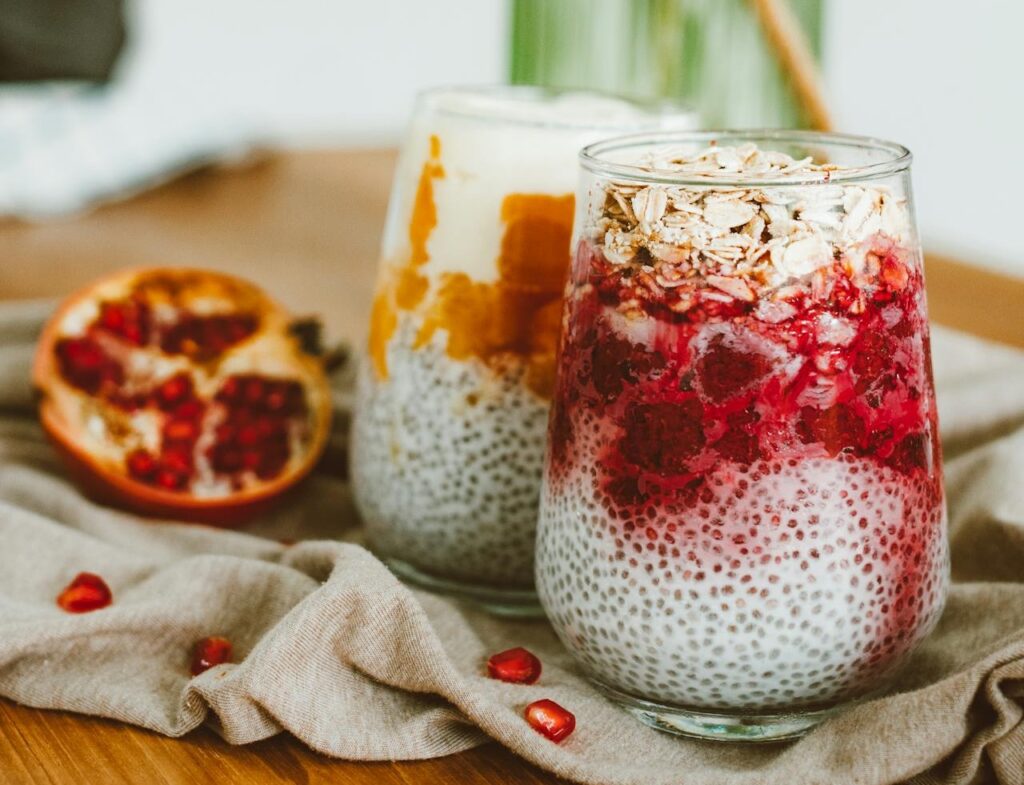
Studies indicate that a high-protein breakfast can reduce cravings, enhance satiety, and positively impact body weight management (Leidy et al., 2015). An omelette with vegetables, Greek yoghurt with nuts, or a smoothie with protein powder can help you consume around 20–30 grams of protein right from the start.
2. Include Protein in Every Meal
Aim to add a portion of protein to every meal. By spreading your intake across the day, you keep protein synthesis active and avoid overwhelming your digestive system. Research suggests that distributing protein evenly throughout meals enhances muscle protein synthesis, making it more effective than consuming large amounts all at once (Areta et al., 2013). Include lean meats, fish, legumes, and dairy at every meal to maintain this balance and support muscle recovery.
3. Embrace Protein-Rich Snacks
Snacking can be an effective way to increase protein without feeling overly full. Choose options like protein bars, Greek yoghurt, cottage cheese, or jerky, all of which provide a quick protein boost. For instance, a snack of Greek yoghurt typically contains around 10–15 grams of protein per serving. Studies indicate that consuming protein-based snacks can help control hunger, manage weight, and maintain muscle mass (Brennan et al., 2018).
4. Supplement with Protein Powders
Protein powders, such as whey, casein, and plant-based options, are convenient ways to add high-quality protein to your diet. Adding a scoop to smoothies, oats, or baking recipes can quickly boost your protein intake.

Research confirms that protein supplementation supports muscle growth and recovery, particularly post-exercise (Phillips et al., 2016). However, it’s essential to choose a high-quality protein powder and avoid those with added sugars and fillers.
5. Plan Protein-Rich Meals Ahead
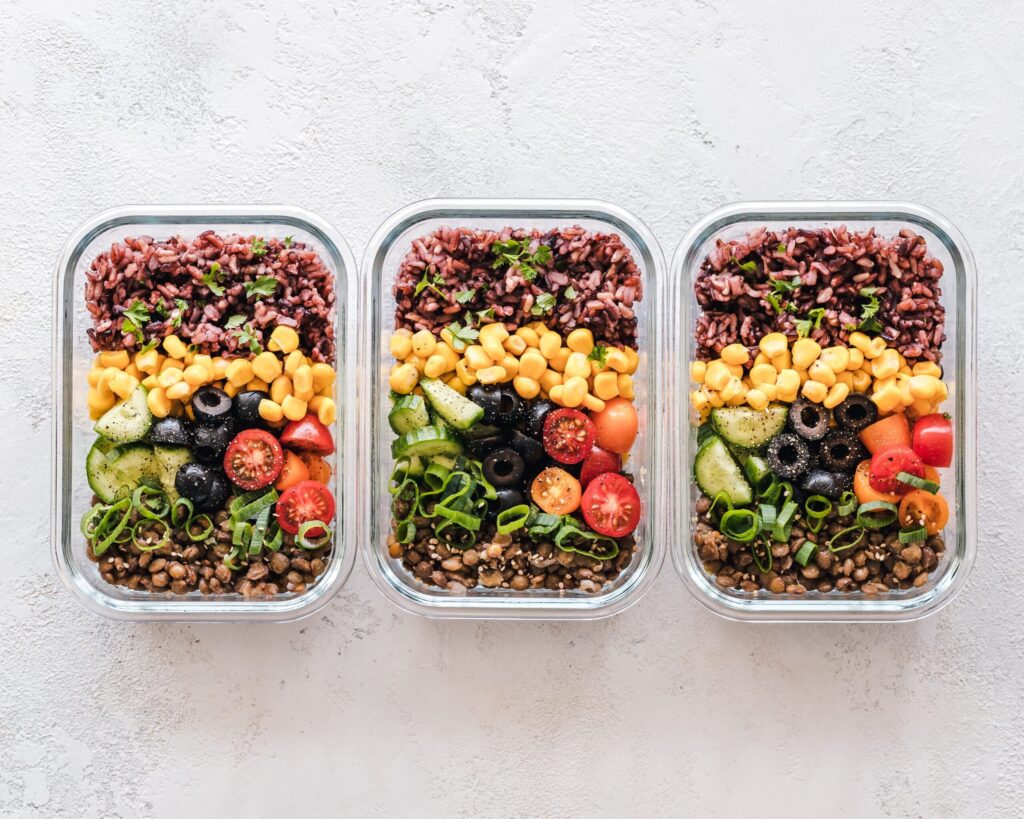
Meal planning allows you to control portions, balance nutrients, and incorporate protein efficiently. Research on meal planning indicates that individuals who prepare their meals ahead are more likely to maintain a balanced diet and meet their protein needs (Bennett et al., 2019). Cook in bulk and freeze high-protein meals, such as grilled chicken, quinoa bowls, or bean-based chilli, to simplify your weekly meal prep.
6. Opt for Protein-Packed Whole Foods
Whole foods like eggs, lean meats, beans, legumes, and quinoa offer rich sources of protein along with essential vitamins, minerals, and fibre. Whole foods provide a greater range of amino acids compared to processed sources and tend to be more satisfying, according to studies (Kristensen et al., 2013).
For instance, one cup of cooked lentils provides around 18 grams of protein, while 100 grams of chicken breast offers 31 grams, making these ideal choices for any meal.
7. Use Greek Yoghurt as a Protein Base
Greek yoghurt is an excellent source of protein that can be used in various dishes, from smoothies to dressings. A 170-gram serving contains approximately 15–20 grams of protein, more than double the amount in regular yoghurt. Studies show that the high protein content of Greek yoghurt supports weight management and satiety (Douglas et al., 2013). Use it in place of sour cream, add it to smoothies, or enjoy it as a snack with berries.
8. Choose Protein-Enriched Foods
Many foods now come enriched with additional protein, such as high-protein cereals, bread, and milk. These fortified products can help you increase your intake without drastic dietary changes. Studies suggest that such foods are effective in helping individuals meet their daily protein needs, making them a convenient option, especially for those with busy schedules (Paddon-Jones et al., 2015). Incorporate these into meals or snacks to consistently boost your protein intake.
9. Try Protein-Rich Plant-Based Sources
If you’re looking to diversify or prefer plant-based options, choose high-protein plant foods such as chickpeas, lentils, edamame, tofu, and tempeh. Plant-based proteins can also offer fibre and other nutrients that benefit digestion and cardiovascular health. A study by Campbell et al. (2019) found that plant-based proteins support muscle growth comparably to animal proteins when consumed in adequate amounts.
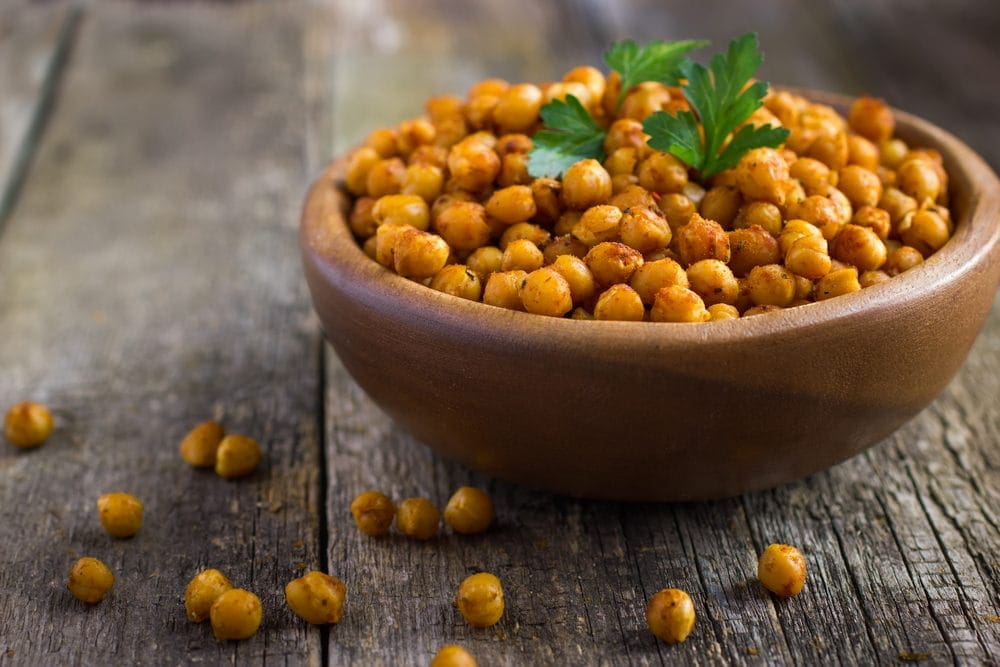
For instance, half a cup of cooked chickpeas provides around 7 grams of protein, making it a versatile and filling addition to salads, soups, or bowls.
10. Keep Protein Snacks Handy
When you’re on the go, it can be challenging to find protein-rich options. Keep convenient, non-perishable snacks like nuts, protein bars, or jerky in your bag or at your desk. Nuts like almonds and walnuts provide protein, though in smaller amounts compared to other sources. Studies show that having healthy snacks readily available reduces the likelihood of making unhealthy choices and can help sustain energy throughout the day (Rolls et al., 2016). With an average of 6 grams of protein per 28 grams, nuts serve as a compact and nutritious option.
Key Takeaways
| Tip | Description |
|---|---|
| High-Protein Breakfast | Start the day with protein to enhance satiety and reduce cravings. |
| Protein in Every Meal | Maintain balanced protein distribution for optimal muscle synthesis. |
| Protein-Rich Snacks | Snack on high-protein foods to control hunger. |
| Protein Powders | Use as a convenient supplement post-workout. |
| Plan Meals | Prepare protein-rich meals in advance to meet daily needs. |
| Whole Foods | Prioritise whole foods like eggs, lean meats, and legumes. |
| Greek Yoghurt | High-protein base for snacks, smoothies, and recipes. |
| Protein-Enriched Foods | Include fortified foods for convenient protein boosts. |
| Plant-Based Proteins | Incorporate lentils, tofu, and chickpeas for variety. |
| On-the-Go Protein Snacks | Keep nuts, protein bars, and jerky handy. |
References
Areta, J.L. et al., 2013. Timing and distribution of protein ingestion during prolonged recovery from resistance exercise alters myofibrillar protein synthesis. Journal of Physiology, 591(9), pp.2319-2331.
Bennett, G. et al., 2019. Meal planning is associated with improved diet quality and adherence to dietary recommendations in a large sample of the adult population in France. International Journal of Behavioural Nutrition and Physical Activity, 16(1).
Brennan, I. et al., 2018. A pilot study examining protein-based snacks to enhance weight management in a workplace setting. Journal of Nutrition and Metabolism, 2018.
Campbell, B.I. et al., 2019. Plant-based protein sources and muscle synthesis: What is known? Nutrients, 11(7), p.1615.
Douglas, S. et al., 2013. High-protein yogurt as a nutritional alternative to yogurt for controlling appetite and promoting weight loss: a randomized, controlled trial. Appetite, 60, pp.191-196.
Kristensen, M.D. et al., 2013. Whole grain versus refined grain and body weight: A systematic review and meta-analysis of randomized controlled trials. European Journal of Clinical Nutrition, 67, pp.678-685.
Leidy, H.J. et al., 2015. The role of protein in weight loss and maintenance. The American Journal of Clinical Nutrition, 101(suppl), pp.1320S-1329S.
Morton, R.W. et al., 2018. A systematic review, meta-analysis and meta-regression of the effect of protein supplementation on resistance training-induced gains in muscle mass and strength in healthy adults. British Journal of Sports Medicine, 52, pp.376-384.
Paddon-Jones, D. et al., 2015. Protein-enriched foods for improved muscle health in aging adults: a conference report. Clinical Nutrition, 34(4), pp.545-550.
Phillips, S.M. et al., 2016. Protein requirements beyond the RDA: implications for optimising health. Applied Physiology, Nutrition, and Metabolism, 41(5), pp.565-572.
Rolls, B.J. et al., 2016. Strategies to reduce the portion size of high-energy-density foods to help individuals meet dietary goals. The American Journal of Clinical Nutrition, 103(1), pp.236-244.