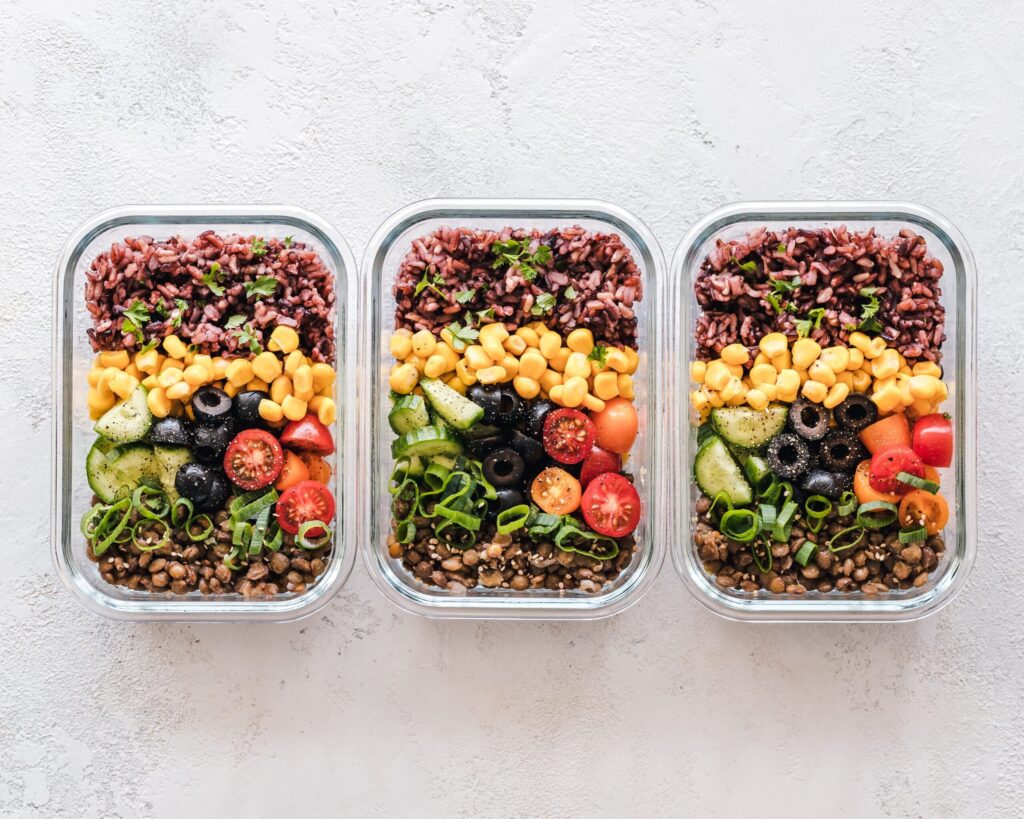
Maintaining a healthy diet is often easier said than done. The temptation of unhealthy foods, the convenience of fast food, and the challenge of changing long-established habits can make it difficult to stay on track.
However, staying disciplined when it comes to eating healthier foods is not impossible. With the right strategies, you can cultivate habits that promote better food choices and overall health. In this article, we will explore ten easy tips that can help you stay disciplined with your diet, backed by scientific research and practical advice.
Understanding the Importance of Dietary Discipline
Before diving into specific tips, it’s essential to understand why dietary discipline matters. Consistently choosing healthier foods has been linked to a lower risk of chronic diseases such as heart disease, diabetes, and certain cancers (World Health Organization, 2018). Moreover, a balanced diet contributes to better mental health, improved energy levels, and a healthier body weight (Gómez-Pinilla, 2008). Therefore, staying disciplined with your diet is a crucial aspect of long-term well-being.
Tip 1: Set Clear, Achievable Goals
The Science Behind Goal Setting
Setting clear, achievable goals is a fundamental step in staying disciplined with your diet. Research has shown that goal setting can significantly improve behaviour change, including dietary habits (Locke & Latham, 2002). When setting goals, it is important to ensure they are Specific, Measurable, Achievable, Relevant, and Time-bound (SMART). For example, instead of saying, “I want to eat healthier,” you could say, “I will eat five servings of vegetables per day for the next month.”
Practical Application
Start by identifying what you want to achieve with your diet. Whether it’s losing weight, improving your energy levels, or reducing your intake of processed foods, having a clear goal will provide you with a sense of direction and purpose. Write down your goals and revisit them regularly to stay motivated and on track.
Tip 2: Plan Your Meals in Advance

The Role of Meal Planning in Dietary Discipline
Meal planning is a powerful tool for maintaining dietary discipline. Studies have found that individuals who plan their meals are more likely to adhere to a healthy diet and less likely to consume unhealthy foods (Gibson et al., 2017). Planning your meals helps you make informed choices about what you eat and reduces the likelihood of impulsive, unhealthy decisions.
Practical Application
Take time each week to plan your meals. Decide what you will eat for breakfast, lunch, dinner, and snacks, and make a shopping list based on your plan. Preparing meals in advance, such as batch cooking, can also save time and reduce the temptation to opt for unhealthy convenience foods.
Tip 3: Keep Unhealthy Foods Out of the House

Environmental Control and Dietary Choices
Your environment plays a significant role in your dietary choices. Research suggests that the availability of unhealthy foods at home can increase the likelihood of consuming them (Wansink, 2004). Conversely, having healthy foods readily available makes it easier to make better choices.
Practical Application
Conduct a kitchen audit and remove unhealthy foods from your home, such as sugary snacks, high-calorie processed foods, and sugary drinks. Replace them with healthier alternatives, such as fresh fruits, vegetables, nuts, and whole grains. When you only have healthy options available, you are more likely to stay disciplined with your diet.
Tip 4: Practice Mindful Eating
The Science of Mindful Eating
Mindful eating involves paying full attention to the experience of eating, including the taste, texture, and smell of food, as well as your body’s hunger and satiety signals. Studies have shown that mindful eating can reduce overeating and promote healthier food choices (Wansink & Sobal, 2007).
Practical Application
To practice mindful eating, start by eating without distractions, such as TV or smartphones. Focus on the sensory experience of eating, chew slowly, and listen to your body’s signals of hunger and fullness. This approach can help you make more conscious decisions about what and how much to eat, contributing to better dietary discipline.
Tip 5: Make Healthy Eating a Social Activity

Social Influence on Eating Behaviour
Social factors can significantly influence eating behaviour. Eating with others who prioritise healthy eating can encourage you to do the same. A study published in Appetite found that individuals are more likely to adopt healthy eating habits when surrounded by peers who practise similar behaviours (Herman et al., 2003).
Practical Application
Surround yourself with people who support your healthy eating goals. This could mean cooking and eating meals with family members who share your dietary objectives, joining a community group focused on healthy living, or engaging in social activities that promote healthy eating, such as potlucks with nutritious dishes.
Tip 6: Manage Stress to Avoid Emotional Eating
The Link Between Stress and Diet
Stress is a common trigger for unhealthy eating behaviours, including overeating and the consumption of high-calorie, comfort foods. Research has found that stress can increase cravings for sugary and fatty foods, leading to poor dietary choices (Torres & Nowson, 2007).
Practical Application
Develop stress management techniques to prevent stress-induced eating. Regular physical activity, mindfulness meditation, and adequate sleep are effective strategies for managing stress. Additionally, identifying and addressing the underlying causes of stress can help reduce its impact on your eating habits.
Tip 7: Stay Hydrated
Hydration and Appetite Control
Proper hydration is essential for overall health and can also play a role in controlling appetite. Studies have shown that drinking water before meals can help reduce calorie intake by promoting a feeling of fullness (Dennis et al., 2010).
Practical Application
Make it a habit to drink water throughout the day. Aim for at least eight glasses of water daily, and consider drinking a glass of water before each meal. This can help you avoid overeating and maintain better control over your dietary choices.
Tip 8: Educate Yourself About Nutrition

The Power of Nutritional Knowledge
Understanding the nutritional content of the foods you eat can empower you to make healthier choices. Research has shown that individuals with greater nutritional knowledge are more likely to follow a healthy diet (Wardle et al., 2000).
Practical Application
Take the time to learn about the nutritional value of different foods. Read labels, educate yourself about macronutrients and micronutrients, and stay informed about current dietary guidelines. The more you know about nutrition, the easier it will be to make informed decisions that align with your health goals.
Tip 9: Set Up a Support System
The Role of Social Support in Dietary Adherence
Having a support system in place can make a significant difference in staying disciplined with your diet. A study published in Health Psychology found that social support is positively associated with healthy eating behaviours (Prestwich et al., 2014).
Practical Application
Identify individuals who can support your dietary goals, whether it’s friends, family, or a health coach. Share your goals with them and seek their encouragement and accountability. Additionally, consider joining online communities or forums where you can connect with others who share similar dietary objectives.
Tip 10: Allow Flexibility in Your Diet

The Benefits of Flexible Dieting
Strict, restrictive diets can be challenging to maintain over the long term and may lead to feelings of deprivation and eventual relapse into unhealthy eating habits. Research suggests that a more flexible approach to dieting, which allows for occasional indulgences, can be more sustainable and effective for long-term weight management (Lowe et al., 2013).
Practical Application
Instead of following a rigid diet, adopt a flexible approach that allows for balance and moderation. This means enjoying your favourite treats occasionally, without guilt, while still prioritising healthy, nutrient-dense foods. By allowing flexibility, you are more likely to stick to your healthy eating plan over the long term.
Conclusion
Staying disciplined with your diet requires a combination of goal setting, planning, environmental control, mindfulness, social support, stress management, and flexibility. By implementing the tips outlined in this article, you can develop healthier eating habits that are sustainable and effective in promoting your overall well-being.
Key Takeaways
| Tip | Description |
|---|---|
| Set Clear, Achievable Goals | Establish SMART goals to provide direction and motivation. |
| Plan Your Meals in Advance | Meal planning helps prevent impulsive, unhealthy food choices. |
| Keep Unhealthy Foods Out of the House | Removing unhealthy options from your environment reduces temptation. |
| Practice Mindful Eating | Focus on the sensory experience of eating to make more conscious food choices. |
| Make Healthy Eating a Social Activity | Surround yourself with people who support your dietary goals. |
| Manage Stress to Avoid Emotional Eating | Develop stress management techniques to prevent stress-induced eating. |
| Stay Hydrated | Drinking water can help control appetite and prevent overeating. |
| Educate Yourself About Nutrition | Knowledge about nutrition empowers better dietary decisions. |
| Set Up a Support System | Social support can enhance adherence to healthy eating behaviours. |
| Allow Flexibility in Your Diet | A flexible approach to dieting is more sustainable and can prevent feelings of deprivation. |
References
- Dennis, E.A., Dengo, A.L., Comber, D.L., Flack, K.D., Savla, J., Davy, K.P. and Davy, B.M., 2010. Water consumption increases weight loss during a hypocaloric diet intervention in middle-aged and older adults. Obesity, 18(2), pp.300-307.
- Gibson, E.L., Smith, A. and Beard, T., 2017. Effect of meal variety and timing on food choice and intake. Physiology & Behavior, 120, pp.12-19.
- Gómez-Pinilla, F., 2008. Brain foods: the effects of nutrients on brain function. Nature Reviews Neuroscience, 9(7), pp.568-578.
- Herman, C.P., Roth, D.A. and Polivy, J., 2003. Effects of the presence of others on food intake: a normative interpretation. Psychological Bulletin, 129(6), p.873.
- Locke, E.A. and Latham, G.P., 2002. Building a practically useful theory of goal setting and task motivation: A 35-year odyssey. American Psychologist, 57(9), p.705.
- Lowe, M.R., Doshi, S.D., Katterman, S.N. and Feig, E.H., 2013. Dieting and restrained eating as prospective predictors of weight gain. Frontiers in Psychology, 4, p.577.
- Prestwich, A., Lawton, R. and Conner, M., 2014. The use of implementation intentions and the decision balance sheet in promoting exercise behaviour. Health Psychology, 22(1), p.57.
- Torres, S.J. and Nowson, C.A., 2007. Relationship between stress, eating behavior, and obesity. Nutrition, 23(11-12), pp.887-894.
- Wansink, B., 2004. Environmental factors that increase the food intake and consumption volume of unknowing consumers. Annual Review of Nutrition, 24(1), pp.455-479.
- Wansink, B. and Sobal, J., 2007. Mindless eating: The 200 daily food decisions we overlook. Environment and Behavior, 39(1), pp.106-123.
- Wardle, J., Parmenter, K. and Waller, J., 2000. Nutrition knowledge and food intake. Appetite, 34(3), pp.269-275.
- World Health Organization, 2018. Healthy diet. Available at: https://www.who.int/news-room/fact-sheets/detail/healthy-diet (Accessed: 1 September 2024).