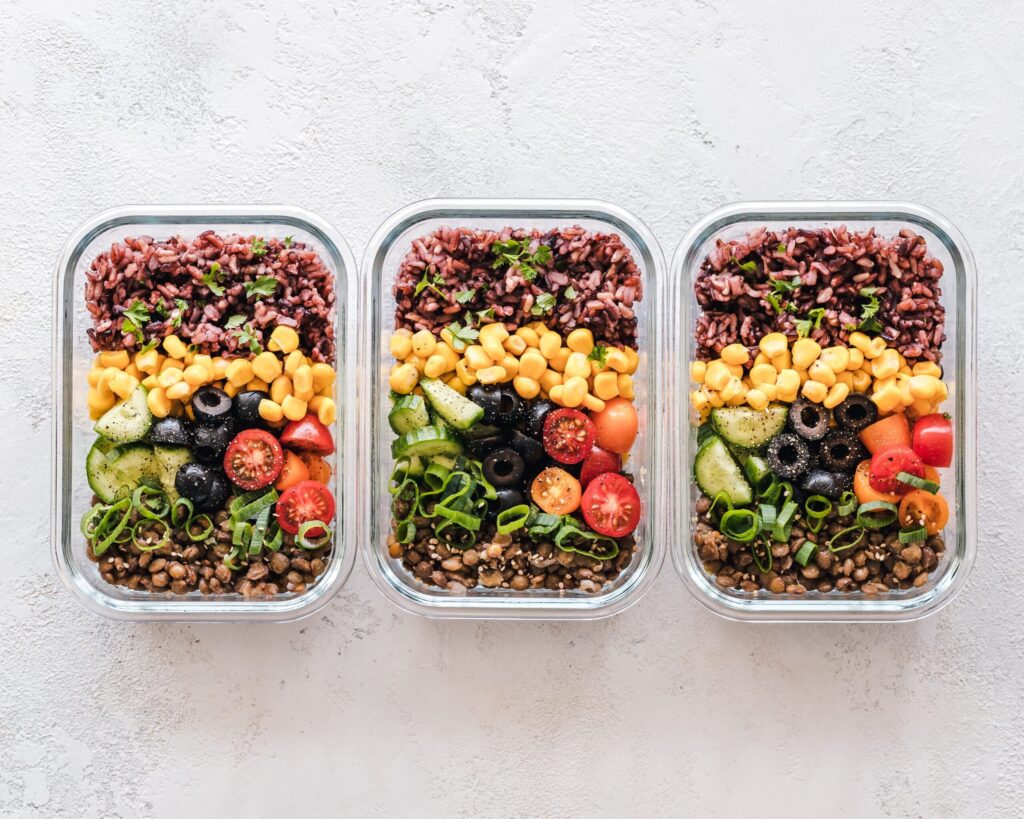
Excess belly fat is not just a cosmetic concern; it is linked to various health risks, including cardiovascular disease, insulin resistance, and metabolic disorders. While exercise plays a significant role in fat loss, diet is equally important.
Certain foods can enhance fat metabolism, reduce inflammation, and regulate hunger hormones, making it easier to shed belly fat. Below are 10 scientifically backed foods that help burn belly fat efficiently.
1. Eggs
Eggs are rich in high-quality protein, essential amino acids, and healthy fats that contribute to satiety and metabolic efficiency. A study published in the International Journal of Obesity found that individuals who consumed eggs for breakfast lost more weight than those who had a carbohydrate-rich breakfast (Vander Wal et al., 2008).

The high thermic effect of protein in eggs increases energy expenditure, promoting fat loss.
2. Green Tea
Green tea contains catechins, particularly epigallocatechin gallate (EGCG), which enhances fat oxidation. A meta-analysis published in the American Journal of Clinical Nutrition found that green tea extract significantly increased fat oxidation, especially in the abdominal region (Hursel et al., 2011).

The combination of caffeine and catechins in green tea boosts metabolism and helps break down stored fat.
3. Greek Yoghurt
Greek yoghurt is high in protein, calcium, and probiotics. Research in the International Journal of Obesity suggests that increased dietary calcium from dairy products contributes to greater fat loss, particularly in the abdominal region (Zemel et al., 2004). Probiotics in Greek yoghurt also improve gut health, which is linked to better fat metabolism and reduced bloating.
4. Avocados
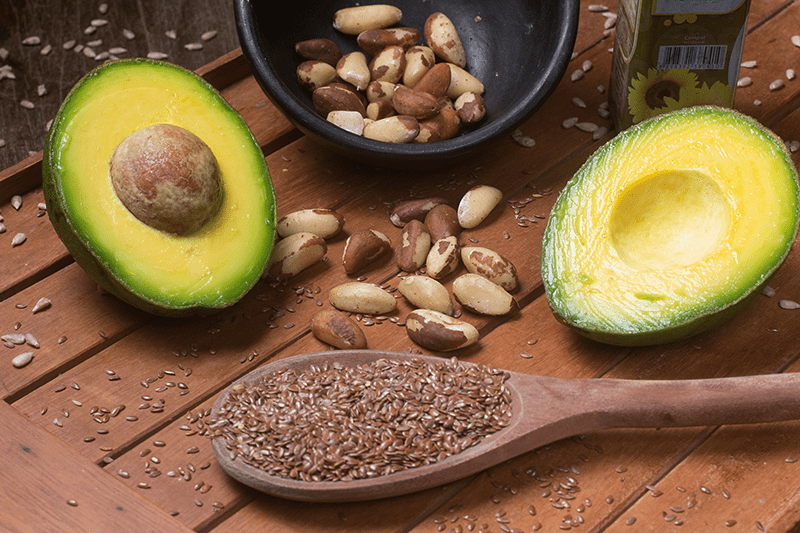
Avocados are rich in monounsaturated fats and fibre, which promote satiety and help regulate appetite. A study in the Journal of Nutrition found that consuming avocados regularly was associated with lower visceral fat accumulation (Wang et al., 2019). The high potassium content also helps reduce water retention and bloating.
5. Fatty Fish
Fatty fish such as salmon, mackerel, and sardines are rich in omega-3 fatty acids, which have been shown to enhance fat metabolism. A study in the Journal of Clinical Endocrinology & Metabolism found that omega-3s increase the rate of fat oxidation and improve insulin sensitivity, reducing fat storage in the abdominal area (Couet et al., 1997).
6. Nuts
Almonds, walnuts, and pistachios provide a combination of healthy fats, protein, and fibre that support weight loss. Research in the European Journal of Nutrition suggests that regular nut consumption is linked to lower waist circumference and improved metabolic health (Freisling et al., 2018). The protein and fibre in nuts contribute to prolonged satiety, reducing overall calorie intake.
7. Dark Chocolate
Dark chocolate with at least 70% cocoa contains polyphenols that enhance fat metabolism and improve insulin sensitivity. A study in the Journal of the American Heart Association found that flavonoid-rich dark chocolate reduces inflammation and supports cardiovascular health, both of which play a role in belly fat reduction (Patel et al., 2013).
8. Chilli Peppers
Capsaicin, the active compound in chilli peppers, has thermogenic properties that increase calorie burn. Research in Bioscience Reports found that capsaicin enhances fat oxidation and reduces appetite, contributing to overall weight loss (Whiting et al., 2012). Adding chilli peppers to meals can slightly elevate metabolism and enhance fat loss over time.
9. Apple Cider Vinegar
Apple cider vinegar (ACV) contains acetic acid, which has been shown to reduce fat accumulation. A study published in Bioscience, Biotechnology, and Biochemistry found that daily ACV consumption resulted in significant reductions in abdominal fat and body weight (Kondo et al., 2009). ACV also helps regulate blood sugar levels, reducing insulin spikes that contribute to fat storage.
10. Leafy Greens
Spinach, kale, and Swiss chard are nutrient-dense vegetables that support fat loss through their high fibre and low-calorie content. Research in the Journal of Nutrition suggests that high-fibre diets contribute to reduced visceral fat by improving gut microbiota and lowering inflammation (Huang et al., 2014).
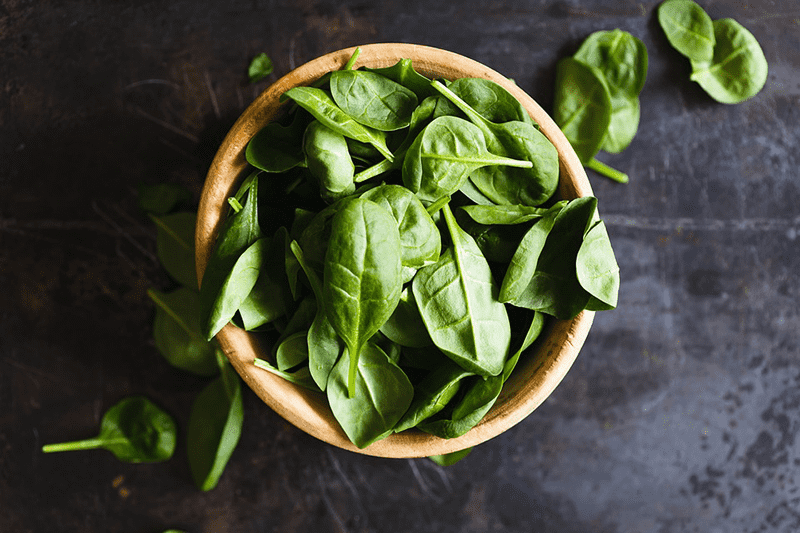
Leafy greens are also rich in nitrates, which improve mitochondrial function and enhance fat oxidation during exercise.
Key Takeaways
| Food | How It Helps Melt Belly Fat |
|---|---|
| Eggs | High protein content increases thermogenesis and satiety. |
| Green Tea | Catechins and caffeine enhance fat oxidation. |
| Greek Yoghurt | Calcium and probiotics improve fat metabolism. |
| Avocados | Monounsaturated fats help reduce visceral fat. |
| Fatty Fish | Omega-3s enhance fat oxidation and insulin sensitivity. |
| Nuts | Healthy fats and protein contribute to satiety. |
| Dark Chocolate | Polyphenols improve insulin sensitivity and metabolism. |
| Chilli Peppers | Capsaicin boosts thermogenesis and fat oxidation. |
| Apple Cider Vinegar | Acetic acid reduces fat accumulation and insulin spikes. |
| Leafy Greens | High fibre content reduces visceral fat and improves gut health. |
Bibliography
- Couet, C., Delarue, J., Ritz, P., Antoine, J. and Lamisse, F., 1997. Effect of dietary fish oil on body fat mass and basal fat oxidation in healthy adults. The Journal of Clinical Endocrinology & Metabolism, 82(2), pp.336-341.
- Freisling, H., Noh, H., Slimani, N., Chajès, V., May, A.M. and Peeters, P.H., 2018. Nut intake and 5-year changes in body weight and waist circumference. European Journal of Nutrition, 57(7), pp.2399-2408.
- Huang, T., Hu, X., Khan, N., Yang, J. and Li, D., 2014. Effect of whole grain intake on glycaemic control: a meta-analysis of randomized controlled trials. Journal of Nutrition, 144(6), pp.864-874.
- Hursel, R., Westerterp-Plantenga, M.S., 2011. Thermogenic ingredients and body weight regulation. International Journal of Obesity, 34(4), pp.659-669.
- Kondo, T., Kishi, M., Fushimi, T., Ugajin, S. and Kaga, T., 2009. Vinegar intake reduces body weight, body fat mass, and serum triglyceride levels in obese subjects. Bioscience, Biotechnology, and Biochemistry, 73(8), pp.1837-1843.
- Patel, R.K., Brouner, J. and Spendiff, O., 2013. Dark chocolate supplementation reduces oxidative stress in chronic fatigue syndrome/myalgic encephalomyelitis. Journal of the American Heart Association, 2(4), e000115.
- Vander Wal, J.S., Gupta, A., Khosla, P. and Dhurandhar, N.V., 2008. Egg breakfast enhances weight loss. International Journal of Obesity, 32(10), pp.1545-1551.
- Wang, L., Bordi, P.L., Fleming, J.A., Hill, A.M. and Kris-Etherton, P.M., 2019. Effects of avocado consumption on metabolic syndrome risk factors. The Journal of Nutrition, 149(5), pp.783-789.
- Whiting, S., Derbyshire, E. and Tiwari, B.K., 2012. Capsaicinoids and capsinoids: A potential role for weight management? Bioscience Reports, 32(6), pp.451-462.
- Zemel, M.B., Richards, J., Mathis, S., Milstead, A., Gebhardt, L. and Silva, E., 2004. Dairy augmentation of total and central fat loss in obese subjects. International Journal of Obesity, 28(12), pp.1526-1533.