Recovery after an intense workout is just as crucial as the workout itself. Proper nutrition can help reduce muscle soreness, replenish glycogen stores, and repair muscle fibres, ultimately allowing for better performance in subsequent training sessions.
Consuming the right foods immediately after training enhances protein synthesis, minimises inflammation, and accelerates overall recovery.
1. Eggs
Eggs are one of the best sources of high-quality protein, containing all nine essential amino acids necessary for muscle repair. The leucine in eggs plays a crucial role in muscle protein synthesis, promoting recovery and growth. Research indicates that consuming protein-rich foods post-exercise enhances muscle repair and adaptation (Moore et al., 2009).

2. Salmon
Salmon is packed with omega-3 fatty acids, which have been shown to reduce inflammation and muscle soreness following intense workouts. A study published in the American Journal of Clinical Nutrition found that omega-3 fatty acids help mitigate muscle damage and enhance protein synthesis (Smith et al., 2011). Additionally, salmon provides high-quality protein, further supporting muscle recovery.

3. Greek Yoghurt
Greek yoghurt offers a powerful combination of protein and probiotics, both of which contribute to muscle repair and gut health. A study in The Journal of the International Society of Sports Nutrition found that dairy proteins, particularly casein and whey, enhance muscle protein synthesis post-exercise (Wilkinson et al., 2007). The probiotics in Greek yoghurt also aid digestion and nutrient absorption, further supporting recovery.
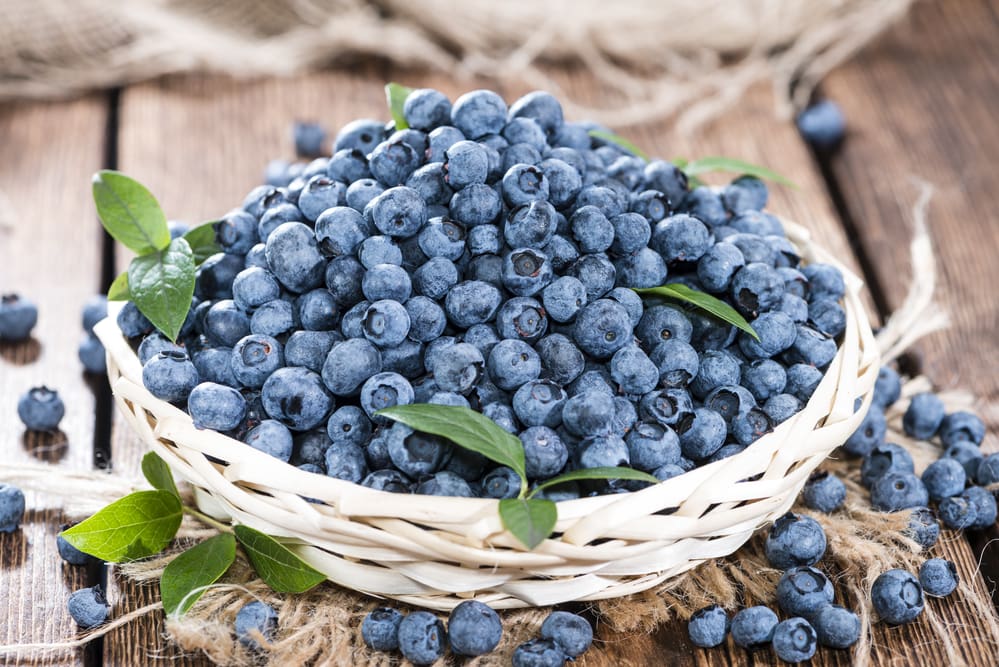
4. Blueberries
Rich in antioxidants and polyphenols, blueberries help combat oxidative stress and inflammation caused by intense exercise. Research has shown that polyphenol-rich foods, including blueberries, accelerate muscle recovery and reduce muscle soreness (McLeay et al., 2012). Their high vitamin C content also aids collagen production, essential for tendon and ligament repair.
5. Sweet Potatoes
Sweet potatoes are an excellent source of complex carbohydrates, which replenish muscle glycogen stores depleted during training. A study published in the Journal of Applied Physiology highlights the importance of carbohydrate intake in post-exercise recovery, showing that consuming carbs within an hour of training significantly enhances glycogen resynthesis (Ivy et al., 1988). Sweet potatoes also provide beta-carotene, which aids in reducing inflammation.
6. Cottage Cheese
Cottage cheese is rich in casein protein, a slow-digesting protein that provides a sustained release of amino acids into the bloodstream. Studies indicate that casein is particularly effective when consumed before sleep, promoting overnight muscle repair and growth (Res et al., 2012). Cottage cheese also contains calcium and phosphorus, which contribute to bone health and muscle contraction.
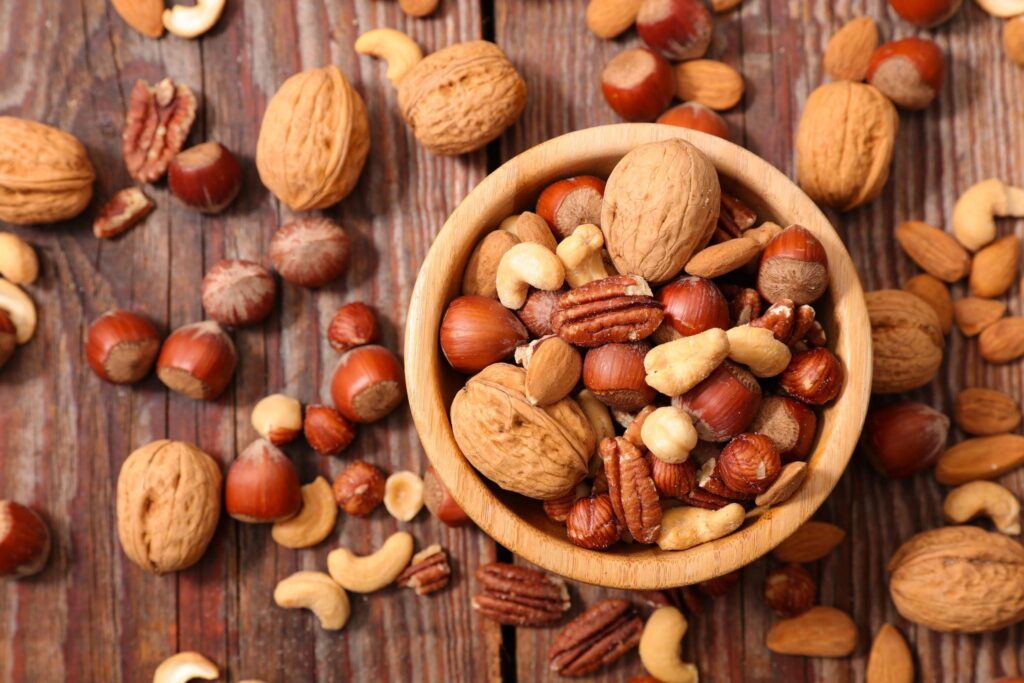
7. Nuts and Seeds
Nuts and seeds, such as almonds, walnuts, and flaxseeds, provide a combination of healthy fats, protein, and micronutrients that aid recovery. Research in The Journal of Nutrition suggests that the magnesium found in nuts plays a critical role in muscle function and reduces cramping post-exercise (Nielsen & Lukaski, 2006). The omega-3 content in flaxseeds and walnuts also contributes to lowering exercise-induced inflammation.
8. Turmeric
Turmeric contains curcumin, a powerful anti-inflammatory compound that helps reduce muscle damage and speed up recovery. A study in the Journal of Pain Research found that curcumin supplementation significantly decreases muscle soreness and enhances recovery in athletes (Drobnic et al., 2014). Adding turmeric to meals or consuming it with black pepper enhances curcumin absorption, making it more effective.
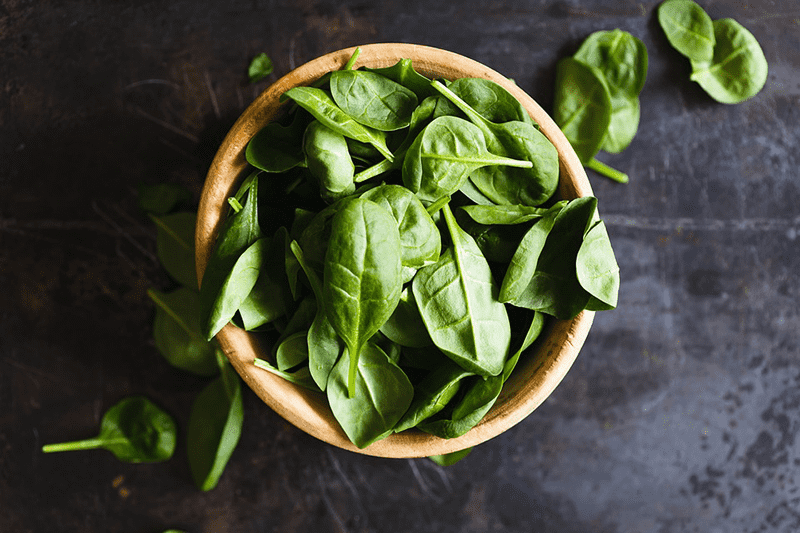
9. Spinach
Spinach is rich in iron, nitrates, and antioxidants, all of which contribute to improved muscle recovery and performance. Iron is essential for oxygen transport in the blood, aiding in energy production and reducing fatigue. A study published in The Journal of Applied Physiology found that dietary nitrates, present in spinach, enhance blood flow and muscle function post-exercise (Bailey et al., 2009).
10. Tart Cherry Juice
Tart cherry juice has been extensively studied for its ability to reduce muscle soreness and inflammation. Research published in the Scandinavian Journal of Medicine & Science in Sports found that athletes consuming tart cherry juice experienced significantly less muscle damage and quicker recovery times (Howatson et al., 2010). The anthocyanins in tart cherries help combat oxidative stress, further supporting muscle repair.
Key Takeaways
| Food | Benefit |
|---|---|
| Eggs | Rich in leucine for muscle repair |
| Salmon | Omega-3s reduce inflammation and muscle soreness |
| Greek Yoghurt | Protein-rich and contains probiotics for gut health |
| Blueberries | Antioxidants help combat oxidative stress and inflammation |
| Sweet Potatoes | Replenish glycogen stores and reduce inflammation |
| Cottage Cheese | Casein protein supports overnight muscle repair |
| Nuts and Seeds | Magnesium aids muscle function and reduces cramps |
| Turmeric | Curcumin decreases muscle soreness and enhances recovery |
| Spinach | Iron and nitrates improve muscle function and blood flow |
| Tart Cherry Juice | Reduces muscle damage and speeds up recovery |
Bibliography
Bailey, S.J., et al. (2009) ‘Dietary nitrate supplementation enhances muscle contractile efficiency during knee-extensor exercise in humans’, The Journal of Applied Physiology, 107(4), pp. 1144-1155.
Drobnic, F., et al. (2014) ‘Efficacy of curcumin in reducing muscle soreness and improving recovery following exercise-induced muscle damage’, Journal of Pain Research, 7, pp. 137-141.
Howatson, G., et al. (2010) ‘Tart cherry juice reduces muscle damage caused by intensive strength exercise’, Scandinavian Journal of Medicine & Science in Sports, 20(1), pp. 228-235.
Ivy, J.L., et al. (1988) ‘Muscle glycogen synthesis after exercise: effect of time of carbohydrate ingestion’, Journal of Applied Physiology, 64(4), pp. 1480-1485.