


The 20s are the decade of fun but also a foundation for your future health and well-being. Dietary choices now impact your health later in life, but this doesn’t mean you should keep a strict “clean” diet. Balance is the key, but there are some simple ingredients to include in your diet, yet your body will be grateful. Here are 10 foods you must eat in your 20s to save your health for later life!
Spinach
Spinach is a nutritional powerhouse, essential for a healthy diet in your 20s. This leafy green is rich in beta-carotene, which the body converts into vitamin A, crucial for maintaining healthy vision, immune function, and radiant skin.
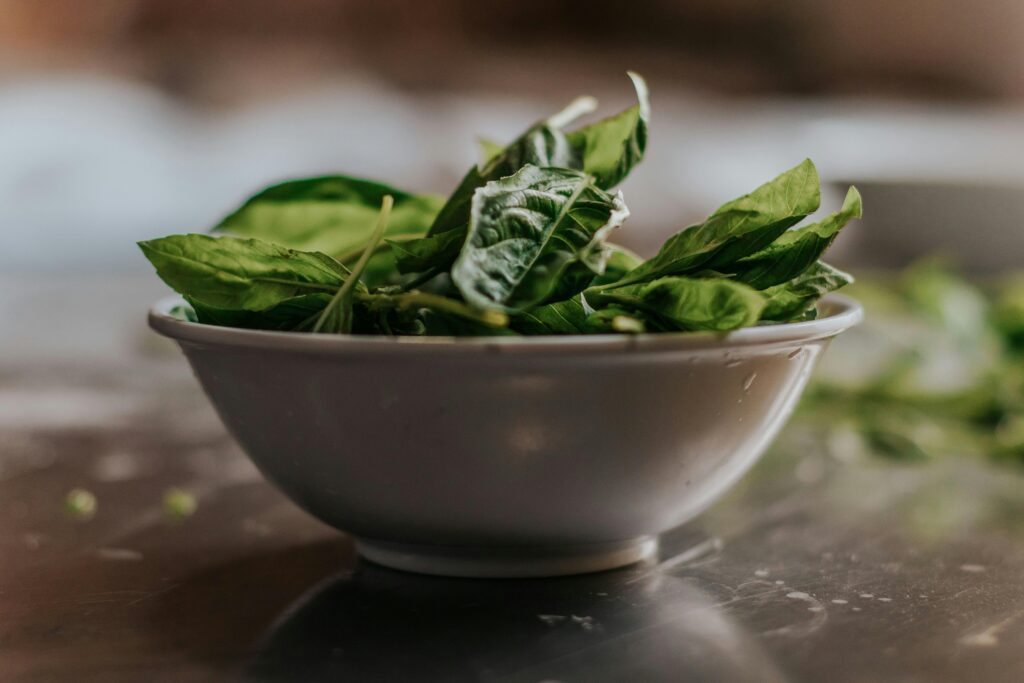
It is also an excellent source of vitamin C, an antioxidant that not only supports the immune system and enhances skin health but also aids in the absorption of iron.
Moreover, spinach provides a significant amount of vitamin K, essential for blood clotting and bone health, and folate (vitamin B9), which is critical for DNA synthesis, cell division, and proper brain function.
The leaf also includes a variety of B vitamins like riboflavin, niacin, and vitamin B6, important for energy metabolism.
Turning to minerals, spinach is packed with iron, specifically non-heme iron, which is crucial for the production of hemoglobin, the protein responsible for carrying oxygen throughout your blood. Although this form of iron is not absorbed as efficiently as heme iron from animal products, combining spinach with vitamin C-rich foods can significantly enhance its absorption.
Although spinach is a source of calcium, the presence of oxalates in it can inhibit calcium absorption, limiting its bioavailability. Despite this, the mineral content of spinach is impressive, including magnesium, which is involved in over 300 enzymatic reactions including energy production and DNA synthesis.
Spinach is also rich in antioxidants like flavonoids and carotenoids. Quercetin, a prevalent flavonoid, offers anti-inflammatory and antiviral properties. Carotenoids such as beta-carotene, lutein, and zeaxanthin protect the eyes from damage caused by blue light and reduce the risk of age-related conditions.
Additionally, the nitrates and soluble fiber in spinach support heart health by improving blood flow, reducing blood pressure, and lowering cholesterol levels.
By incorporating spinach into your diet, you’re making a wise investment in your current and future health.
Blueberries
Blueberries are one of the best founts of antioxidants – anthocyanins, vitamin C, and flavonoids. Anthocyanins are pigments responsible for the signature blue color, plus they protect the body from free radicals. The other two are important for fighting oxidative stress and inflammation.
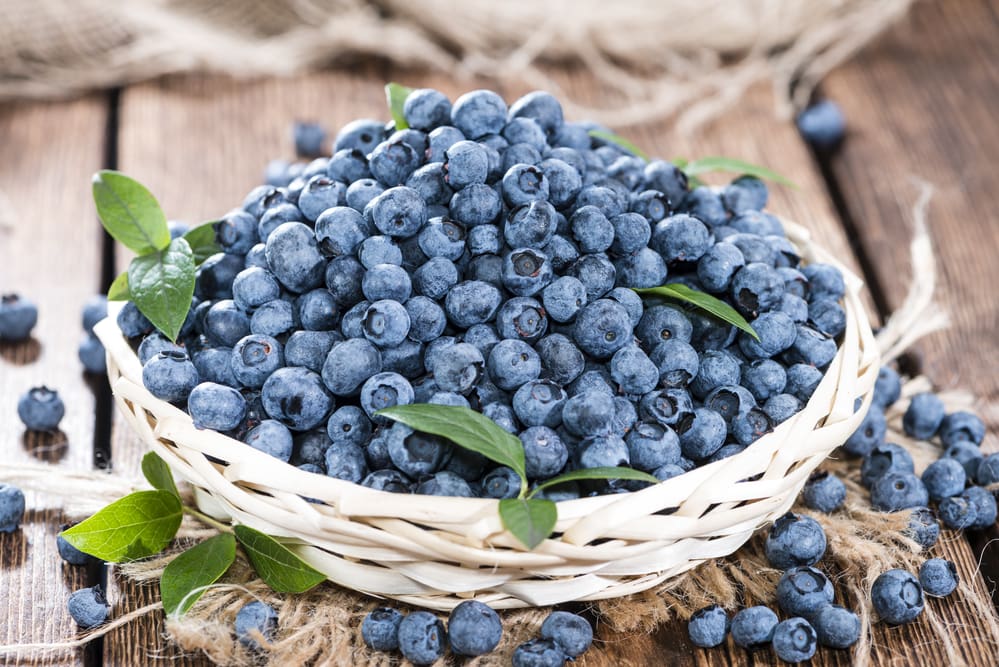
When it comes to heart health, blueberries are a superfood! Anthocyanins better blood vessel function, lowering blood pressure. The fiber and antioxidants in the berry reduce LDL (bad) cholesterol levels and inflammations in the cardiovascular system, lowering the risk of heart troubles.
Antioxidants from blueberries cross the blood-brain barrier, magnifying neuronal signaling and strengthening memory and learning skills. Berries also protect brain cells from oxidative stress and inflammation, which reduces the risk of neurodegenerative diseases like Alzheimer’s and Parkinson’s.
Blueberries are the best fruit for controlling blood sugar, making them beneficial for people with diabetes and insulin resistance. They have a low glycemic index, meaning it doesn’t spike blood sugar levels but boost insulin sensitivity when you eat them regularly.
Salmon
Salmon is a holy grail for heart health due to omega-3 fatty acids in its content. You will find two varieties of omegas here – EPA and DHA, prime for hearth. They reduce inflammation, lower blood pressure, decrease triglycerides, and improve arterial function – amazing, right? Besides all of this, they prevent plaque buildup in arteries.
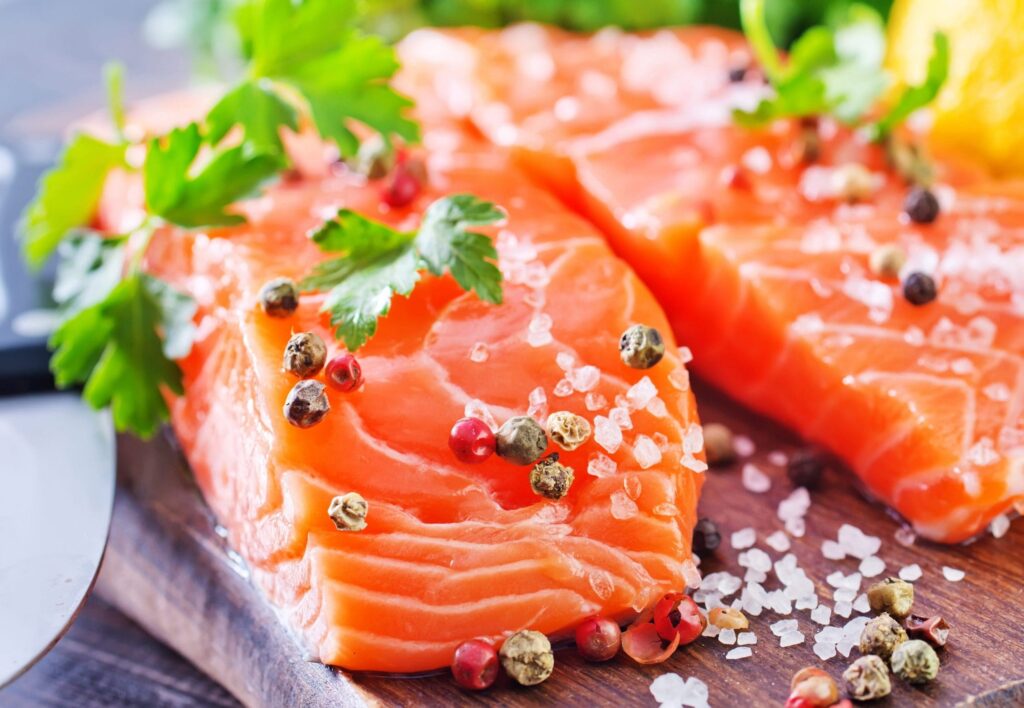
This also applies to brain function and mental health, as omegas surpass cognitive function and reduce neurodegenerative diseases like Alzheimer’s. Regular consumption of salmon lowers rates of depression and anxiety, likely due to the anti-inflammatory effects of omega-3s.
Salmon is a high-quality protein, too, essential for muscle repair, immune function, and overall body well-being. It is also packed with many vitamins and minerals – B vitamins, vitamin D, vitamin A, selenium, potassium, phosphorus, and magnesium. This means only one thing – salmon is excellent for eyes, skin, and bone health, plus immune function.
Quinoa
Quinoa is one of the finest grains you can include in your diet. It is a plant-based protein, but it is complete. Because of dietary fiber in its content, quinoa promotes regular bowel movements, prevents constipation, and boosts a healthy gut microbiome. It is amazing for weight management and blood sugar levels.
It has a low glycemic index, gradually increasing blood sugar levels. It is abundant in B vitamins and vitamin E, plus magnesium, iron, potassium, calcium, phosphorus, and zinc. It boosts muscle, bone, skin, and metabolic health, giving you enough energy and micronutrients.
Greek Yogurt
Greek yogurt is a natural probiotic, as it contains beneficial bacteria Lactobacillus and Bifidobacterium that improve gut microbiome health, aid digestion, and boost the immune system. Also, for those with lactose sensitivity, Greek yogurt is the best ingredient as the fermentation reduces lactose content, making it easier to digest.

It is particularly abundant in calcium and phosphorus, which work in pair to keep your bones strong and healthy. Besides, you will find a significant portion of B vitamins, potassium, magnesium, and zinc there, as well. They all work in synergy to maintain a healthy gut, heart, and skin.
Almonds
Almonds are a health factory, so in one single almond, you will find everything: healthy fats, protein, fiber, vitamins, and minerals. Even though they are calorie-dense, they prop up weight loss and management by stimulating feelings of satiety and appetite control. These nuts regulate blood sugar levels, too, as they have a low glycemic index and contain magnesium (an amazing nutrient to improve insulin sensitivity).
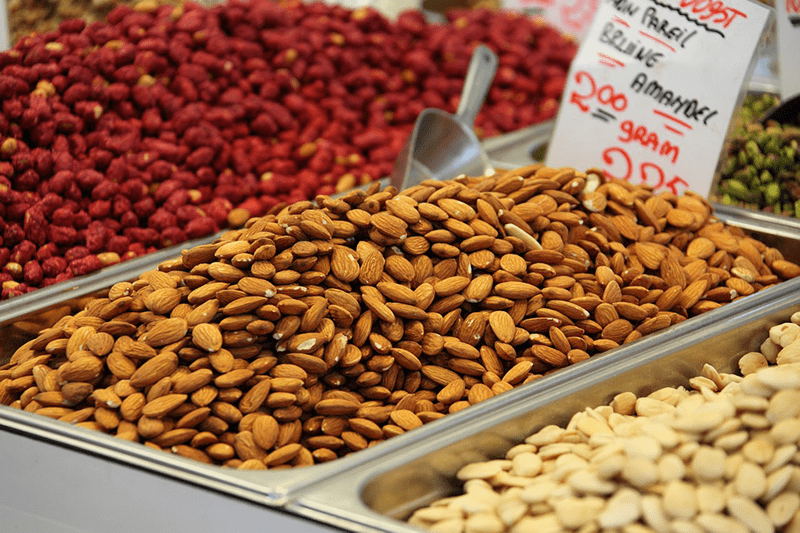
They are packed with vitamin E, which works wonders for skin, brain, eyes, and heart. It shields the skin from oxidative damage and UV radiation, but also brain cells and eyes from oxidative stress. Because of loads of dietary fiber, almonds promote regular bowel movements and positively impact gut microbiome.
Sweet Potatoes
First things first, sweet potatoes are a superb substitute for regular potatoes, as they have a low glycemic index and won’t make your sugar spike. They are prime ingredients to include on your daily menu if you have diabetes or insulin resistance. Sweet potatoes are also your skin’s best friend – they involve beta-carotene (which converts to vitamin A, vital for skin health and glow), plus vitamins C and E that boost collagen production, keeping the skin firm and youthful.
This vitamin group is prime for eyes and immune system health, too, protecting cells from stress and damage. Vitamin A actually prevents xerophthalmia – an eye condition that leads to blindness. When it comes to minerals, the spectrum is broad: potassium, manganese, magnesium, and iron – all necessary for a healthy heart and bones.
Avocado
There is no need to present nutrient profile of avocado, as it has its status of superfood for the longest time! It is a fount of healthy, monounsaturated fats (oleic acid in particular) that lower bad LDL cholesterol levels, but also keep you full for a long time. Because it is low in carbs, it is a staple in low-carb and ketogenic diets!

An avocado contains a whole range of different micronutrients: vitamins K, E, C, B5, B6, folate, potassium, magnesium, and copper. Besides all of these, there are a few incredible antioxidants, as well . lutein, zeaxanthin, and carotenoids. Of course, they support immune system, but especially make your eyes healthy and sharp.
Chickpeas
Chickpeas are a super versatile ingredient, as you can add them to everything – from sweet to savory dishes. They are a great source of plant-based protein, making them perfect for those who cut meat from their diet. In combination with dietary fiber, they nurture the digestive system and help you manage weight.
Due to low glycemic index, chickpeas regulate blood sugar and slow down the absorption of carbs. They contain loads of different minerals – iron, magnesium, potassium, phosphorous, zinc, and manganese, making chickpeas a nutrient powerhouse. This legume will better your immune system, heart, bones, and muscles, so there is 0 reason not to add them to your diet.
Olive Oil
This Mediterranean gem is world-famous for its amazing health benefits. Like avocados, it is packed with oleic acid, making it terrific for the cardiovascular system. The most interesting thing is oil’s anti-inflammatory properties, as oleocanthal acts similarly to ibuprofen in reducing inflammation. What’s more, vitamins E and K are the chief micronutrients here.
Olive oil soothes inflammations in the body, influencing all the organ systems, from the skin, to the cardiovascular, digestive, and neural. Antioxidants in the olive oil are the main reason why it is on a healthy diet pedestal and the first thing your nutritionist will recommend!


