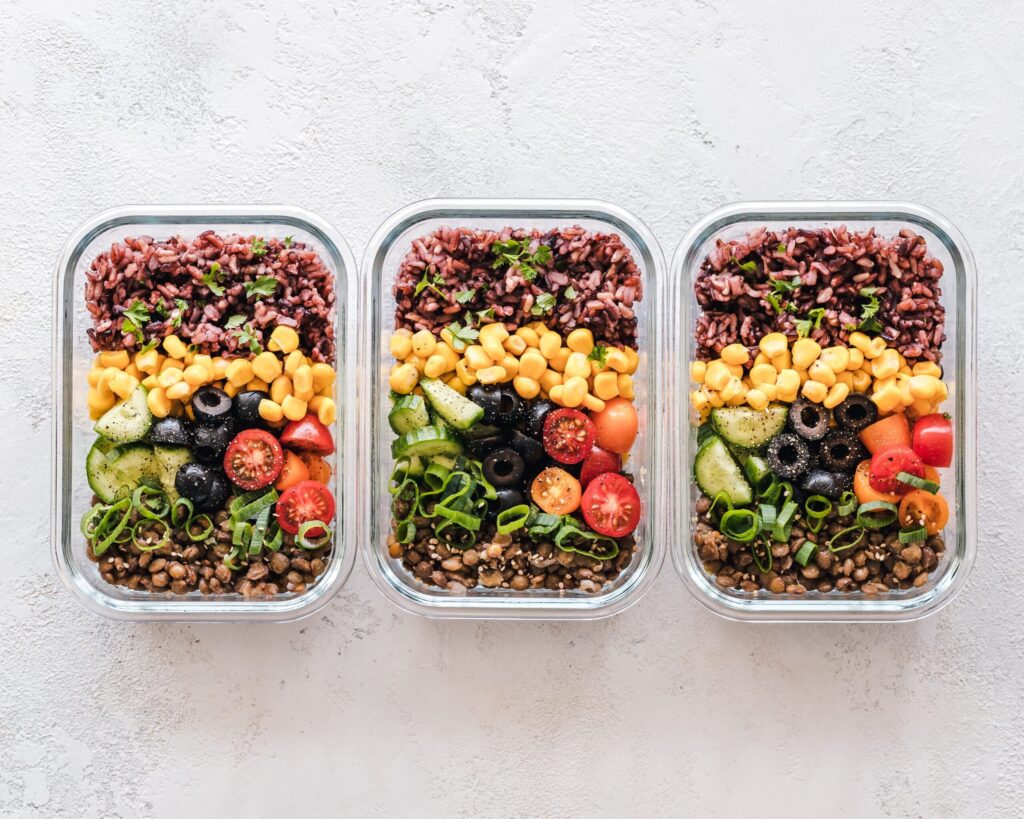
Achieving a six-pack is not just about endless sit-ups or crunches; diet plays a crucial role in revealing those abdominal muscles. Incorporating specific nutrient-dense foods into your diet can help reduce body fat, support muscle development, and improve overall health.
Below are ten scientifically-backed foods you should include in your diet if you want to attain and maintain a six-pack.
1. Eggs
Eggs are a powerhouse of nutrition, providing high-quality protein and essential nutrients. The protein in eggs contains all nine essential amino acids, making them a complete protein source. Amino acids are vital for muscle repair and growth, which is essential for building a defined core.

A study published in the American Journal of Clinical Nutrition highlighted that higher protein intake from sources like eggs promotes fat loss while preserving lean muscle mass (Pasiakos et al., 2013). Additionally, eggs are rich in choline, a nutrient that supports fat metabolism.
2. Salmon
Salmon is an excellent source of omega-3 fatty acids and high-quality protein, both of which are critical for muscle growth and fat loss. Omega-3s have been shown to reduce inflammation, improve fat metabolism, and enhance muscle protein synthesis.
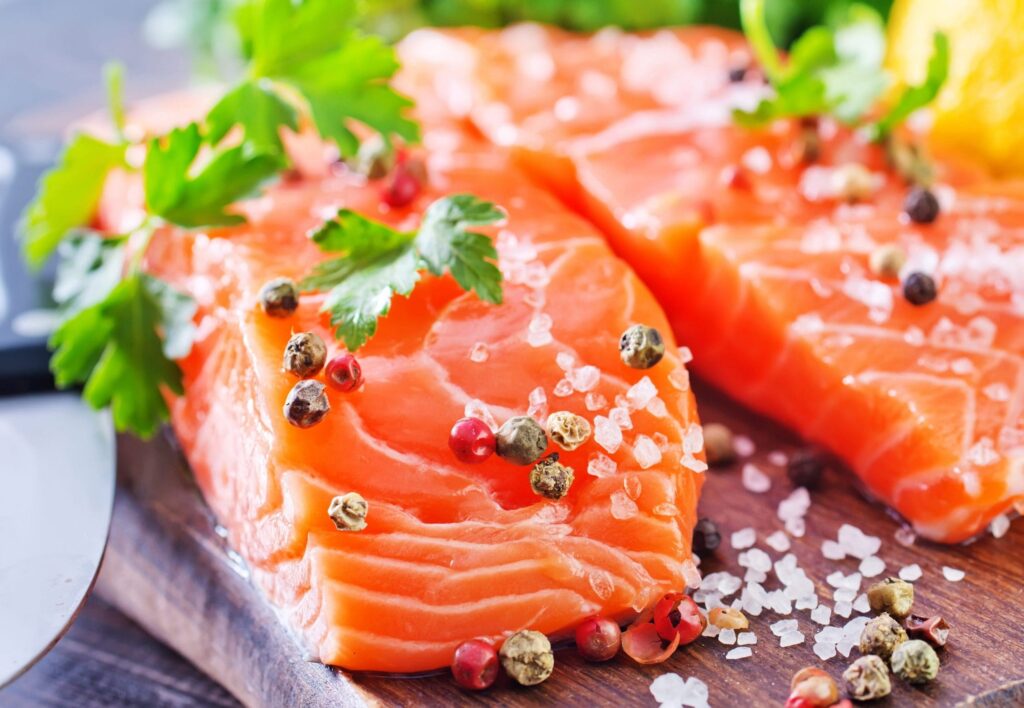
A study in the Journal of the International Society of Sports Nutrition demonstrated that omega-3 supplementation can increase the anabolic response to protein consumption (Smith et al., 2011). Moreover, salmon provides vitamin D, which plays a role in muscle function and fat reduction.
3. Greek Yoghurt
Greek yoghurt is packed with protein, probiotics, and calcium. The high protein content helps with muscle repair and keeps you satiated, reducing the likelihood of overeating. Probiotics in yoghurt improve gut health, which can influence weight management.
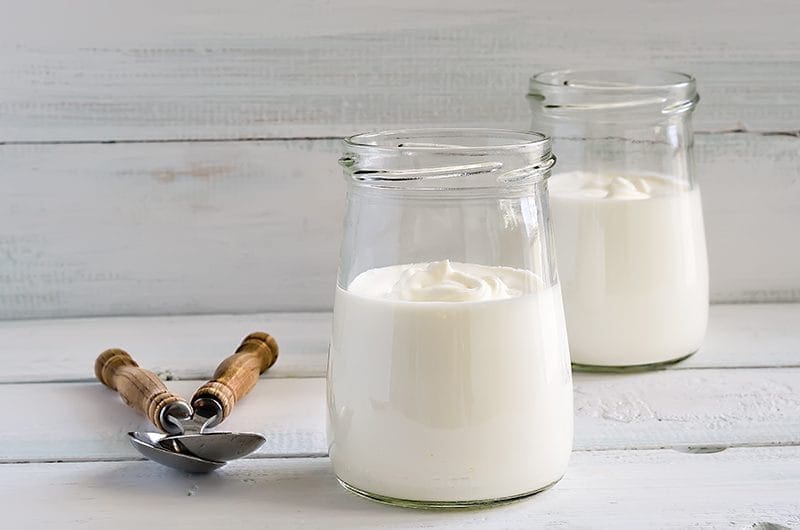
According to a study in the British Journal of Nutrition, probiotics are linked to lower body weight and fat mass (Schwiertz et al., 2016). Opt for plain, unsweetened Greek yoghurt to avoid added sugars.
4. Leafy Greens
Leafy greens such as spinach, kale, and Swiss chard are low in calories but high in fibre, vitamins, and minerals. Their fibre content promotes satiety and aids in digestion, which is crucial for a flat stomach. Furthermore, leafy greens contain nitrates that can enhance exercise performance by improving oxygen delivery to muscles.
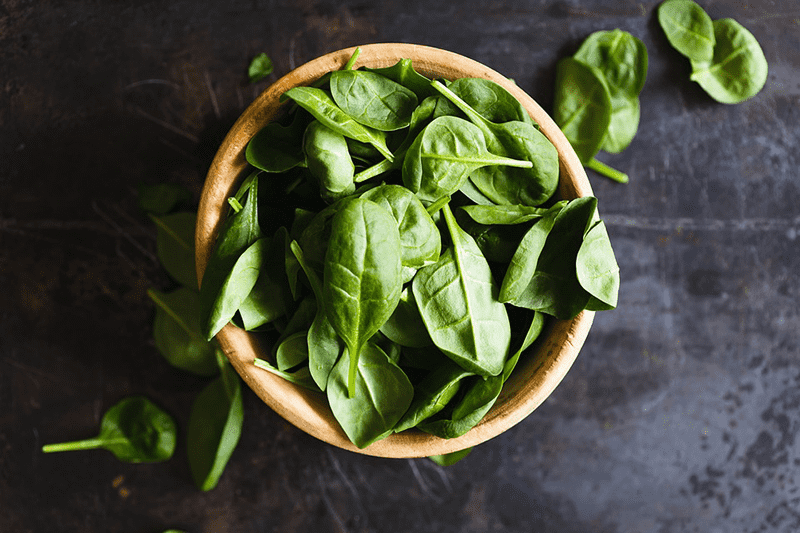
Research published in the Journal of Applied Physiology found that dietary nitrates improve muscular efficiency (Larsen et al., 2007). Incorporating leafy greens into meals helps create a calorie deficit necessary for fat loss.
5. Quinoa
Quinoa is a whole grain packed with protein, fibre, and complex carbohydrates. Unlike refined grains, quinoa provides sustained energy without causing spikes in blood sugar levels. This is essential for maintaining energy during workouts while supporting fat loss.
A study in the Journal of Medicinal Food highlighted that quinoa’s high fibre content aids in appetite regulation and weight management (Prego et al., 2014). Additionally, quinoa is gluten-free, making it suitable for those with dietary restrictions.
6. Chicken Breast
Chicken breast is a staple in many fitness diets due to its high protein content and low fat profile. Consuming lean protein like chicken aids in muscle recovery and growth, which is essential for a defined midsection.
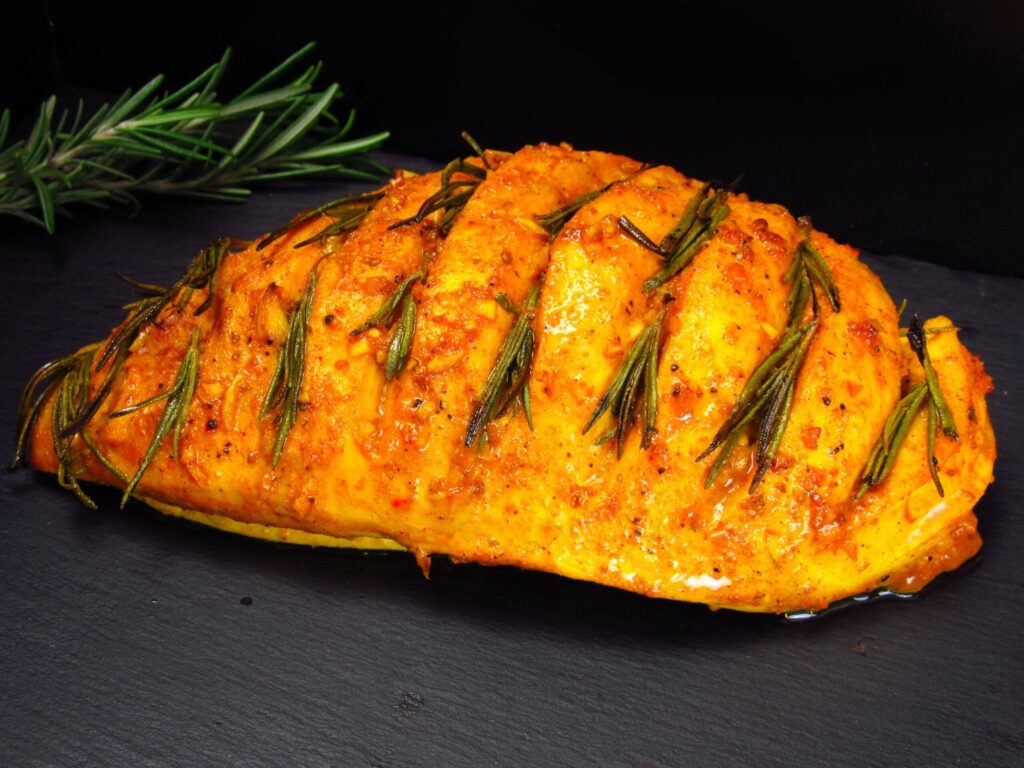
A study in Nutrition & Metabolism demonstrated that diets higher in lean protein improve fat loss and metabolic rate (Leidy et al., 2015). Grilled or baked chicken breast is an excellent addition to a balanced diet for a six-pack.
7. Almonds
Almonds are a nutrient-dense snack rich in healthy fats, protein, and fibre. They provide a steady source of energy and help control hunger, making them ideal for weight management.
A study in the Journal of the American Heart Association showed that almond consumption is associated with reduced central adiposity (fat around the abdomen) and improved cholesterol levels (Berryman et al., 2015). However, portion control is crucial as almonds are calorie-dense.
8. Sweet Potatoes
Sweet potatoes are a complex carbohydrate source rich in fibre, vitamins, and minerals. Unlike simple carbohydrates, sweet potatoes provide long-lasting energy and prevent blood sugar spikes. They also contain beta-carotene, an antioxidant that supports overall health.
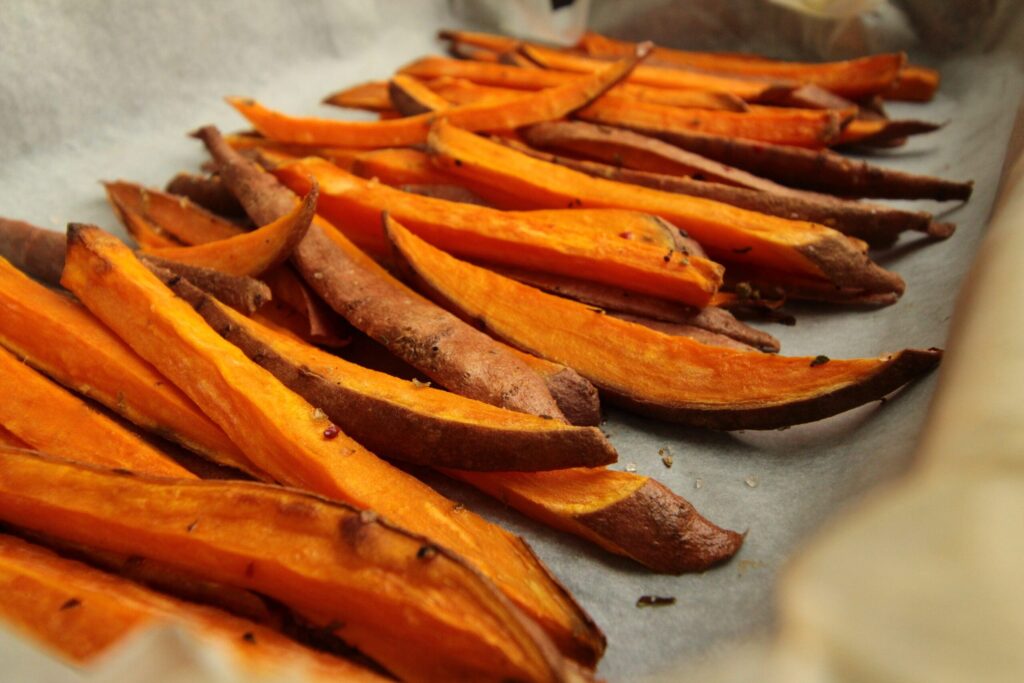
According to a study in the Journal of Nutrition and Metabolism, consuming low-glycaemic index foods like sweet potatoes helps regulate appetite and supports weight loss (Holt et al., 1997). Their fibre content also aids digestion and promotes satiety.
9. Berries
Berries such as blueberries, strawberries, and raspberries are low in calories but high in antioxidants, fibre, and vitamins. Their natural sweetness can satisfy sugar cravings while contributing to fat loss.
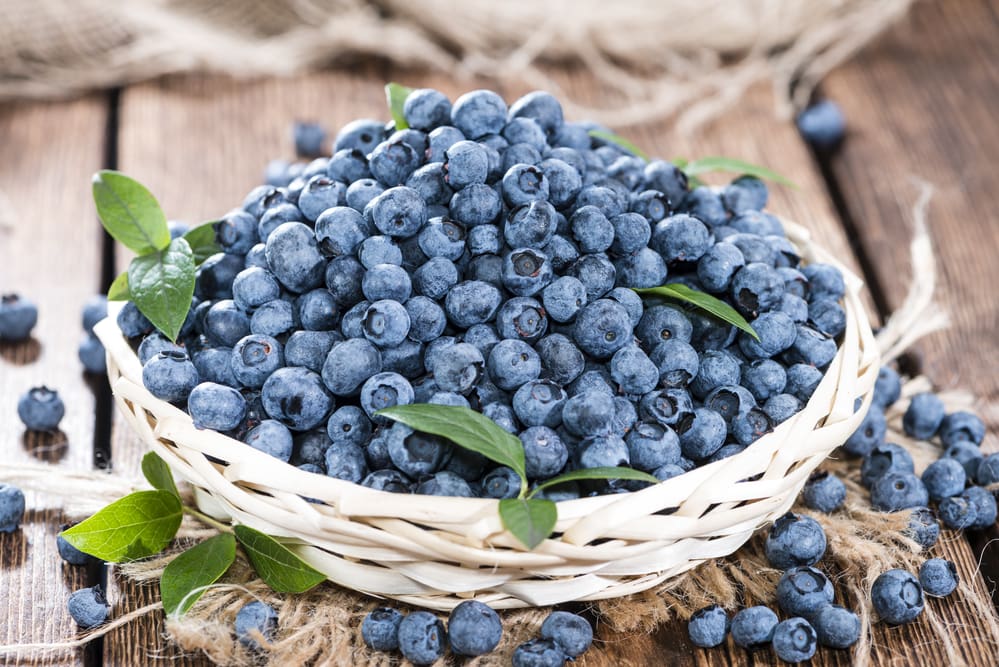
A study in Appetite found that berry consumption is linked to improved satiety and reduced calorie intake in subsequent meals (Krop et al., 2015). Additionally, the antioxidants in berries reduce oxidative stress and inflammation, both of which can hinder fat loss.
10. Green Tea
Green tea is renowned for its metabolism-boosting properties, thanks to its high content of catechins and caffeine. Catechins, particularly epigallocatechin gallate (EGCG), enhance fat oxidation and thermogenesis.

A meta-analysis in the International Journal of Obesity confirmed that green tea catechins contribute to significant reductions in body weight and fat mass (Hursel et al., 2009). Drinking green tea before workouts may also improve performance and fat burning.
Bibliography
Berryman, C.E., West, S.G., Fleming, J.A., Bordi, P.L. and Kris-Etherton, P.M., 2015. Effects of daily almond consumption on cardiometabolic risk and abdominal adiposity in healthy adults with elevated LDL-cholesterol: a randomized controlled trial. Journal of the American Heart Association, 4(1), p.e000993.
Holt, S.H., Miller, J.C. and Petocz, P., 1997. An insulin index of foods: the insulin demand generated by 1000-kJ portions of common foods. American Journal of Clinical Nutrition, 66(5), pp.1264-1276.
Hursel, R., Viechtbauer, W. and Westerterp-Plantenga, M.S., 2009. The effects of green tea on weight loss and weight maintenance: a meta-analysis. International Journal of Obesity, 33(9), pp.956-961.
Krop, E.M., Hetherington, M.M., Nekitsing, C., Miquel, S. and Sarkar, A., 2015. Influence of food textures on satiation: a systematic review and meta-analysis. Appetite, 86, pp.103-111.
Larsen, F.J., Weitzberg, E., Lundberg, J.O. and Ekblom, B., 2007. Effects of dietary nitrate on oxygen cost during exercise. Journal of Applied Physiology, 104(3), pp.975-981.
Leidy, H.J., Clifton, P.M., Astrup, A., Wycherley, T.P., Westerterp-Plantenga, M.S., Luscombe-Marsh, N.D. and Mattes, R.D., 2015. The role of protein in weight loss and maintenance. Nutrition & Metabolism, 12(1), pp.1-6.
Key Takeaways
| Food | Key Benefits |
|---|---|
| Eggs | High-quality protein, aids muscle repair. |
| Salmon | Omega-3s enhance fat metabolism. |
| Greek Yoghurt | Probiotics improve gut health. |
| Leafy Greens | Low calorie, high fibre. |
| Quinoa | Sustained energy from complex carbs. |
| Chicken Breast | Lean protein for muscle recovery. |
| Almonds | Healthy fats reduce hunger. |
| Sweet Potatoes | Fibre supports digestion. |
| Berries | Low calorie, high in antioxidants. |
| Green Tea | Boosts metabolism and fat oxidation. |