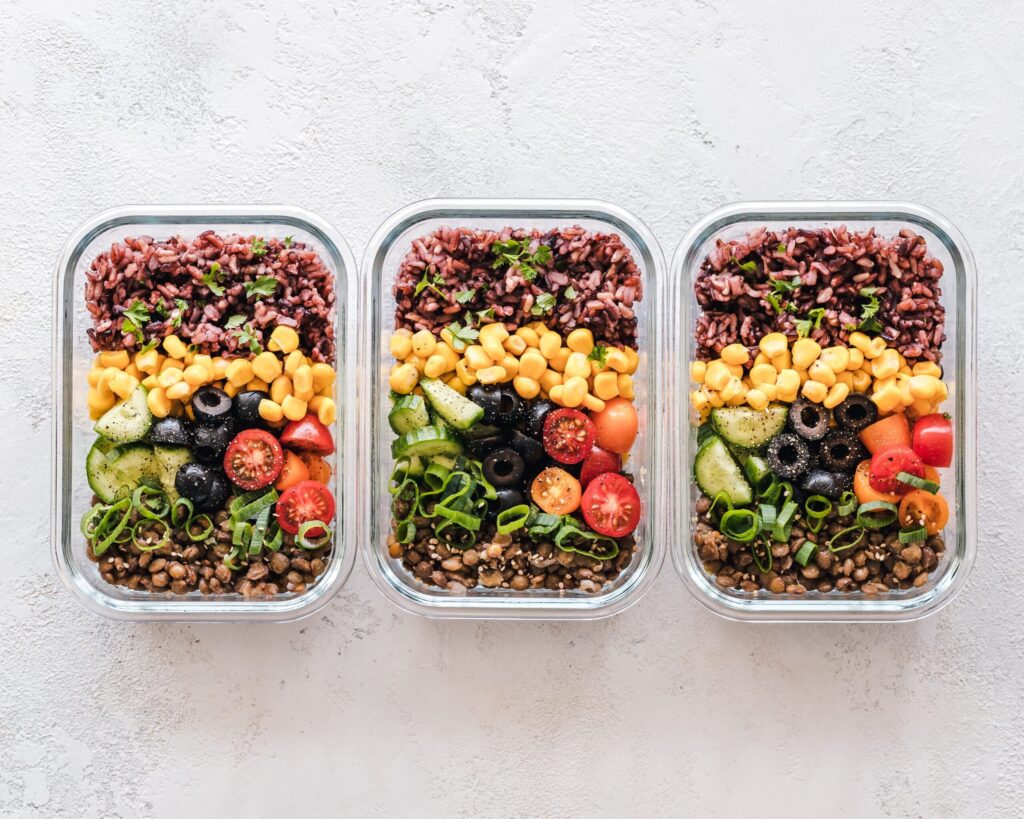
Weight loss requires a combination of balanced nutrition, exercise, and lifestyle adjustments. Including the right foods in your diet can significantly improve your ability to shed fat while maintaining overall health.
Below are 10 scientifically-backed foods to include in your weight-loss journey.
1. Leafy Greens
Leafy greens such as spinach, kale, Swiss chard, and lettuce are nutrient-dense and low in calories, making them ideal for weight loss. They are rich in fibre, which helps increase satiety and reduce calorie intake.

Additionally, leafy greens are high in water content, aiding hydration and improving digestion. A study published in the American Journal of Clinical Nutrition found that high-fibre diets, particularly those rich in vegetables, are associated with greater weight loss over time (Slavin & Green, 2007).
2. Oats
Oats are an excellent breakfast choice due to their complex carbohydrates, fibre, and ability to stabilise blood sugar levels. They contain beta-glucan, a type of soluble fibre known to promote feelings of fullness.

Research in Nutrients demonstrated that beta-glucan consumption is associated with lower hunger levels and improved metabolic health, which are essential for weight loss (Wolever et al., 2012).
3. Eggs
Eggs are a nutrient powerhouse, providing high-quality protein and essential vitamins. Studies have shown that eating eggs for breakfast can increase satiety and reduce calorie intake throughout the day.

A clinical trial published in the International Journal of Obesity concluded that participants who ate eggs for breakfast lost more weight and body fat than those who ate carbohydrate-heavy meals (Vander Wal et al., 2008).
4. Fatty Fish
Fatty fish such as salmon, mackerel, and sardines are excellent sources of omega-3 fatty acids, which promote fat loss and reduce inflammation. Omega-3s are also linked to improved metabolism.
A study in the Journal of Nutrition highlighted that including fatty fish in a calorie-restricted diet enhances fat loss while preserving muscle mass (Parra et al., 2007).
5. Greek Yoghurt
Greek yoghurt is rich in protein, calcium, and probiotics, all of which support weight management. Protein boosts metabolism and satiety, while probiotics improve gut health, which plays a critical role in weight regulation.
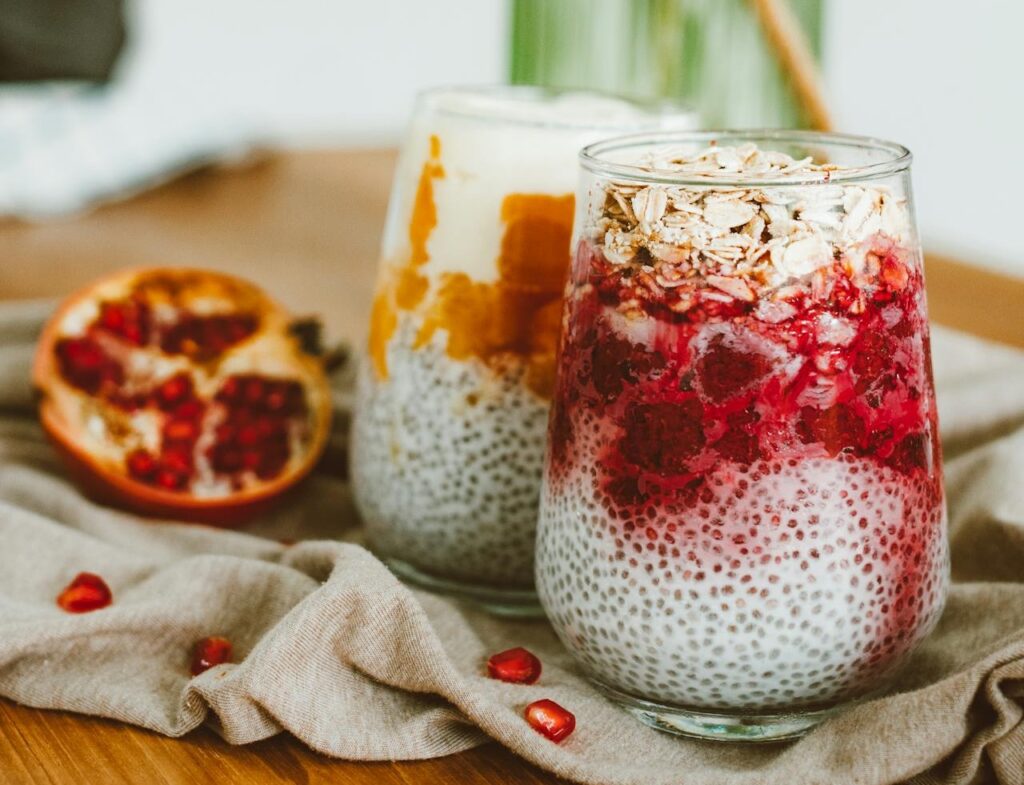
Research published in the British Journal of Nutrition found that consuming yoghurt as part of a calorie-controlled diet contributes to greater fat loss, particularly in the abdominal region (Zemel et al., 2005).
6. Legumes
Legumes such as lentils, chickpeas, and black beans are low in calories and high in protein and fibre. These properties make them excellent for appetite control.
A meta-analysis in Obesity found that regular consumption of legumes improves weight loss outcomes and enhances metabolic health due to their low glycaemic index and satiating effect (Clark & Duncan, 2012).
7. Avocados
Avocados are a source of healthy monounsaturated fats and fibre, both of which contribute to feelings of fullness and help regulate appetite. Despite being calorie-dense, studies indicate that moderate avocado consumption supports weight management. Research published in the Journal of Nutrition showed that incorporating avocados into a calorie-controlled diet led to improved body composition and reduced visceral fat (Wien et al., 2013).

8. Whole Grains
Whole grains such as quinoa, brown rice, and barley are nutrient-dense carbohydrates that provide sustained energy and fibre. They are associated with lower body fat levels and reduced risk of obesity. A study in Public Health Nutrition demonstrated that diets rich in whole grains are linked to better weight management and reduced hunger (Koh-Banerjee et al., 2004).
9. Nuts and Seeds
Almonds, walnuts, chia seeds, and flaxseeds are excellent sources of protein, healthy fats, and fibre. Although they are calorie-dense, their nutrient profile makes them ideal for reducing cravings and improving overall diet quality.
A study in the European Journal of Nutrition found that including nuts and seeds in a weight-loss diet enhances satiety and does not lead to significant weight gain despite their high caloric content (Sabate et al., 2003).
10. Berries
Berries such as blueberries, strawberries, and raspberries are low in calories and high in antioxidants, fibre, and water. They help satisfy sweet cravings without added sugar and provide essential vitamins and minerals.

Research in the Journal of Nutrition & Metabolism found that incorporating berries into a diet reduces fat accumulation and improves insulin sensitivity (Basu et al., 2010).
Key Takeaways
| Food | Key Benefit | Scientific Support |
|---|---|---|
| Leafy Greens | Low-calorie and high-fibre, increases satiety | Slavin & Green, 2007 |
| Oats | Stabilises blood sugar and prolongs fullness | Wolever et al., 2012 |
| Eggs | High-protein, reduces daily calorie intake | Vander Wal et al., 2008 |
| Fatty Fish | Boosts metabolism, preserves muscle mass | Parra et al., 2007 |
| Greek Yoghurt | Enhances gut health, reduces abdominal fat | Zemel et al., 2005 |
| Legumes | Satiating, improves metabolic health | Clark & Duncan, 2012 |
| Avocados | Healthy fats, regulates appetite | Wien et al., 2013 |
| Whole Grains | Sustained energy, lowers obesity risk | Koh-Banerjee et al., 2004 |
| Nuts and Seeds | Satiating, nutrient-dense | Sabate et al., 2003 |
| Berries | Low-calorie, improves insulin sensitivity | Basu et al., 2010 |
Bibliography
Clark, M.J. & Duncan, A.M., 2012. Legume consumption and weight management: a systematic review and meta-analysis. Obesity, 20(6), pp.1234-1240.
Koh-Banerjee, P. et al., 2004. Changes in whole-grain, bran, and cereal fiber consumption in relation to 8-y weight gain among men. Public Health Nutrition, 7(1), pp.93-100.
Parra, D. et al., 2007. Efficacy of fish for weight loss. Journal of Nutrition, 137(3), pp.647-651.
Sabate, J. et al., 2003. Nut consumption and health outcomes. European Journal of Nutrition, 42(4), pp.183-191.
Slavin, J.L. & Green, H., 2007. Dietary fibre and satiety. American Journal of Clinical Nutrition, 86(5), pp.1580-1586.
Vander Wal, J.S. et al., 2008. Egg breakfast enhances weight loss. International Journal of Obesity, 32(10), pp.1545-1551.
Wien, M. et al., 2013. Avocado consumption and weight management. Journal of Nutrition, 143(3), pp.431-436.
Wolever, T.M.S. et al., 2012. Role of low glycaemic index foods in weight management. Nutrients, 4(10), pp.1305-1320.
Zemel, M.B. et al., 2005. Calcium and dairy acceleration of weight and fat loss during energy restriction in obese adults. British Journal of Nutrition, 94(1), pp.1-7.
Basu, A. et al., 2010. Berries and potential in human health and performance. Journal of Nutrition & Metabolism, 2010(3), pp.1-8.