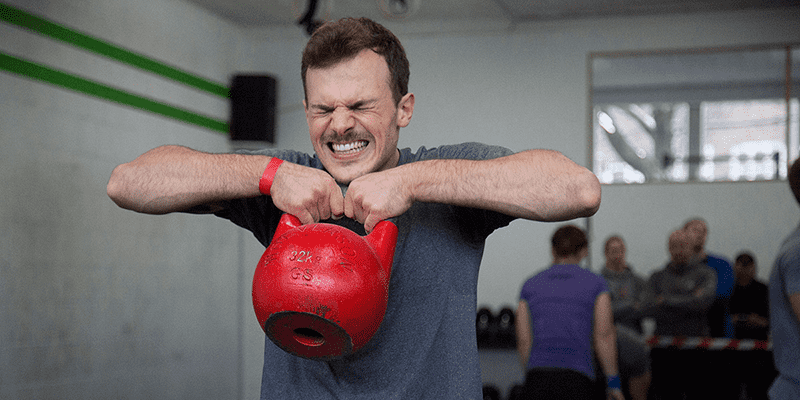
Add these rules into your life.
1. Progressive Overload Is Non-Negotiable
Progressive overload is the cornerstone of strength and muscle gains. This principle involves gradually increasing the weight, volume, or intensity of workouts to continually challenge muscles. Research has consistently shown that progressive overload is essential for hypertrophy and strength development (Schoenfeld, 2010).
Without it, the body adapts, and progress stagnates. To implement progressive overload, lifters should track their workouts and aim for small, incremental increases in resistance or reps each week.
2. Compound Movements Should Be Prioritised
Compound exercises, such as squats, deadlifts, bench presses, and pull-ups, engage multiple muscle groups and lead to greater neuromuscular adaptation (Kraemer & Ratamess, 2004). Studies indicate that multi-joint movements elicit greater hormonal responses, including increased testosterone and growth hormone production, compared to isolation exercises (Hansen et al., 2001).
Prioritising these movements results in more efficient workouts and greater overall strength gains.
3. Proper Nutrition Fuels Performance and Recovery
Optimal performance and muscle growth require adequate macronutrient intake. Research highlights the importance of protein intake, with a recommended daily intake of 1.6–2.2g/kg of body weight for muscle synthesis (Morton et al., 2018). Carbohydrates are also crucial for replenishing glycogen stores and supporting high-intensity training (Burke et al., 2011). Additionally, healthy fats play a vital role in hormone regulation and recovery (Volek et al., 2006). Without proper nutrition, recovery slows, and progress is hindered.
4. Recovery Is Just as Important as Training
Muscle growth occurs during recovery, not during training. Insufficient rest leads to overtraining syndrome, which can reduce performance and increase injury risk (Meeusen et al., 2013). Sleep is a critical recovery factor, with studies indicating that 7–9 hours of quality sleep per night enhances muscle recovery, cognitive function, and overall performance (Watson, 2017).

Active recovery methods, including mobility work and low-intensity activities, can aid in muscle repair and prevent stiffness.
5. Proper Form Prevents Injuries and Enhances Gains
Executing exercises with proper technique is essential for minimising injury risk and maximising muscle engagement. Poor form increases stress on joints and connective tissues, leading to chronic injuries (Myer et al., 2008). Studies suggest that movement patterns should be learned under lighter loads before progressing to heavier weights (Behm et al., 2010). Regular mobility and flexibility work can further improve movement efficiency and reduce injury risk.
6. Consistency Is the Key to Long-Term Success
Long-term adherence to a structured training programme is the primary predictor of success in strength and hypertrophy (Baechle & Earle, 2008). Sporadic training leads to suboptimal adaptations and plateauing. Research shows that training at least three times per week yields significant strength and muscle gains, with optimal frequency varying depending on volume and recovery (Schoenfeld et al., 2019). Sticking to a plan, avoiding long breaks, and progressively adjusting training variables ensure continuous progress.
7. Training Should Be Tailored to Individual Goals
A one-size-fits-all approach does not work in fitness. Different goals—whether hypertrophy, strength, endurance, or fat loss—require specific programming.

Research suggests that hypertrophy training benefits from moderate reps (6–12) with moderate loads, whereas maximal strength requires lower reps (1–5) with heavier loads (Schoenfeld, 2010). Tailoring training to specific goals leads to more efficient and effective progress.
8. Warm-Ups and Cool-Downs Enhance Performance and Recovery
Skipping warm-ups and cool-downs increases injury risk and reduces performance. Dynamic warm-ups improve joint mobility, muscle activation, and neural readiness for training (McCrary et al., 2015). Conversely, cool-downs aid in post-workout recovery by reducing lactate levels and preventing excessive stiffness (Mika et al., 2016). A structured warm-up should include mobility drills and light activation exercises, while a proper cool-down should involve stretching and low-intensity movement.
9. Tracking Progress Leads to Better Results
Keeping a training log enhances accountability and highlights areas for improvement. Research indicates that self-monitoring strategies increase adherence and motivation (Silberstein et al., 2019). By tracking weights, reps, and sets, lifters can ensure they apply progressive overload and adjust programmes accordingly. Regular assessments, such as strength tests and body composition analysis, provide further insight into progress.
10. Mental Resilience and Discipline Separate Success from Failure
Success in fitness is as much psychological as it is physical. Studies on mental toughness suggest that discipline, goal setting, and a strong mindset are crucial for long-term success (Gucciardi et al., 2015).
Developing resilience against setbacks, maintaining a structured routine, and staying motivated through goal setting and positive reinforcement significantly impact training outcomes. Building mental strength translates into greater consistency and overall fitness achievements.
Key Takeaways
| Rule | Summary |
|---|---|
| Progressive Overload | Gradually increase resistance to avoid plateaus. |
| Compound Movements | Prioritise multi-joint exercises for better gains. |
| Nutrition | Adequate protein, carbs, and fats fuel recovery and performance. |
| Recovery | Rest and sleep are essential for muscle growth. |
| Proper Form | Good technique prevents injuries and enhances results. |
| Consistency | Regular training leads to long-term success. |
| Goal-Specific Training | Programmes should align with individual fitness objectives. |
| Warm-Ups & Cool-Downs | Essential for injury prevention and performance. |
| Tracking Progress | Logging workouts improves adherence and results. |
| Mental Resilience | Discipline and mindset play key roles in success. |
Bibliography
Baechle, T. R. and Earle, R. W. (2008) Essentials of Strength Training and Conditioning. 3rd edn. Human Kinetics.
Behm, D. G., Drinkwater, E. J., Willardson, J. M. and Cowley, P. M. (2010) ‘Canadian Society for Exercise Physiology position stand: The use of instability to train the core in athletic and nonathletic conditioning’, Applied Physiology, Nutrition, and Metabolism, 35(1), pp. 109–112.
Burke, L. M., Kiens, B. and Ivy, J. L. (2011) ‘Carbohydrates and fat for training and recovery’, Journal of Sports Sciences, 27(13), pp. 1127–1135.
Gucciardi, D. F., Hanton, S. and Fleming, S. (2015) ‘Are mental toughness and mental health contradictory concepts in elite sport? A narrative review of theory and evidence’, Journal of Science and Medicine in Sport, 20(3), pp. 307–311.