As we age, our nutritional needs evolve, and it becomes crucial to adapt our diet to maintain optimal health.
For those over 35, incorporating certain foods into your diet can help manage weight, enhance energy levels, and prevent chronic diseases. Here are ten healthy foods that should be staples in the diet of anyone over 35.
1. Leafy Greens
Leafy greens such as spinach, kale, and Swiss chard are nutrient powerhouses. They are rich in vitamins A, C, and K, as well as folate, iron, calcium, and fiber. These nutrients are essential for maintaining bone health, supporting the immune system, and promoting cardiovascular health.
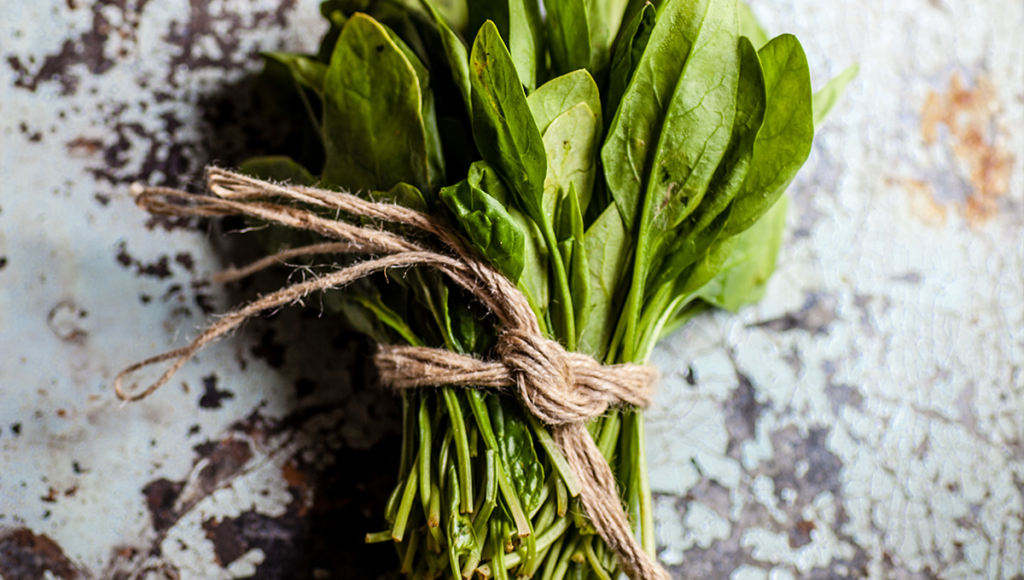
Why it’s important: Vitamin K is crucial for bone health, reducing the risk of osteoporosis, a common concern as we age. The antioxidants in leafy greens also help combat inflammation and chronic diseases like heart disease and cancer.
How to include them: Add a handful of spinach to your morning smoothie, include kale in your salads, or sauté Swiss chard as a side dish.
2. Berries
Berries, including blueberries, strawberries, and raspberries, are packed with antioxidants, fiber, and vitamins C and K. These small fruits are powerful tools in fighting inflammation and oxidative stress.
Why it’s important: Antioxidants in berries can help prevent age-related memory decline and protect the brain from degenerative diseases. The high fiber content also supports digestive health and aids in maintaining a healthy weight.

How to include them: Enjoy berries as a snack, add them to yogurt or oatmeal, or incorporate them into your desserts.
3. Fatty Fish
Fatty fish like salmon, mackerel, and sardines are rich in omega-3 fatty acids, protein, and vitamin D. Omega-3s are essential fats that our body cannot produce on its own.
Why it’s important: Omega-3 fatty acids help reduce inflammation, lower the risk of heart disease, and support brain health. Vitamin D is crucial for bone health, especially as the body’s ability to synthesize it from sunlight decreases with age.
How to include them: Aim to include fatty fish in your diet at least twice a week. Grill or bake salmon for dinner, or add sardines to your salads and sandwiches.
4. Nuts and Seeds
Nuts and seeds such as almonds, walnuts, chia seeds, and flaxseeds are excellent sources of healthy fats, protein, and fiber. They also provide a good amount of magnesium, which is essential for muscle and nerve function.

Why it’s important: The healthy fats in nuts and seeds can help manage cholesterol levels and reduce the risk of heart disease. The fiber content supports digestive health and can aid in weight management.
How to include them: Snack on a handful of nuts, sprinkle seeds over your cereal or yogurt, or add them to your smoothies and baked goods.
5. Whole Grains
Whole grains like quinoa, brown rice, oats, and barley are rich in fiber, B vitamins, and minerals such as iron and magnesium. They are a better choice compared to refined grains because they retain more nutrients.
Why it’s important: The high fiber content in whole grains helps regulate blood sugar levels, lower cholesterol, and improve digestion. They also provide sustained energy, which is essential for maintaining an active lifestyle as you age.
How to include them: Replace refined grains with whole grains in your diet. Opt for brown rice instead of white, choose whole-grain bread, and incorporate oats into your breakfast routine.
6. Legumes
Legumes, including beans, lentils, and chickpeas, are excellent sources of plant-based protein, fiber, and various vitamins and minerals. They are versatile and can be incorporated into many dishes.
Why it’s important: The protein and fiber in legumes help maintain muscle mass, promote digestive health, and keep you feeling full longer, which can aid in weight management.
How to include them: Add beans to your soups and salads, use lentils as a base for stews, and enjoy hummus made from chickpeas as a healthy snack or spread.
7. Avocados
Avocados are rich in healthy monounsaturated fats, fiber, and a variety of vitamins and minerals, including potassium and vitamin E. These nutrients contribute to their status as a superfood.
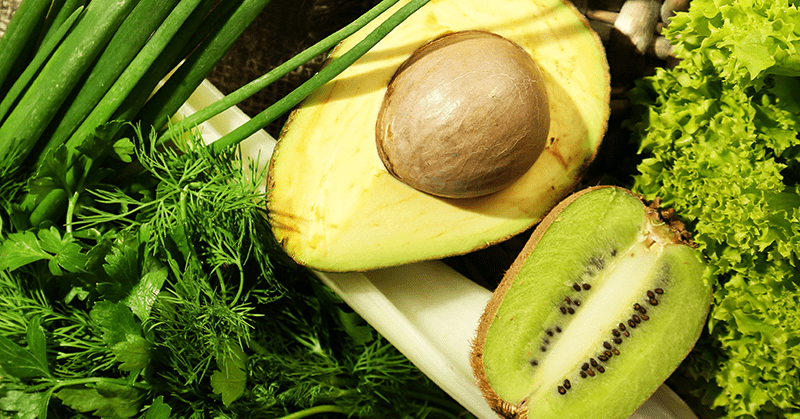
Why it’s important: The healthy fats in avocados support heart health by reducing bad cholesterol levels. Potassium helps regulate blood pressure, and vitamin E is a powerful antioxidant that supports skin health.
How to include them: Add avocado slices to your salads and sandwiches, blend them into smoothies, or enjoy them as guacamole with whole-grain crackers or vegetables.
8. Cruciferous Vegetables
Cruciferous vegetables like broccoli, Brussels sprouts, cauliflower, and cabbage are rich in fiber, vitamins C and K, and various phytonutrients that have cancer-fighting properties.
Why it’s important: These vegetables help detoxify the body, support immune function, and reduce the risk of certain cancers. The high fiber content also promotes digestive health.
How to include them: Steam, roast, or sauté cruciferous vegetables as a side dish, add them to stir-fries, or include them in soups and salads.
9. Yogurt
Yogurt, especially Greek yogurt, is an excellent source of protein, calcium, and probiotics. Probiotics are beneficial bacteria that support gut health.
Why it’s important: As we age, maintaining bone density becomes crucial, and calcium and protein in yogurt help support bone health. Probiotics promote a healthy gut microbiome, which is linked to improved digestion and a stronger immune system.

How to include it: Enjoy yogurt as a snack, use it as a base for smoothies, or incorporate it into dressings and dips. Opt for plain yogurt to avoid added sugars and sweeten it naturally with fruits or honey.
10. Dark Chocolate
Dark chocolate with a high cocoa content (70% or higher) is rich in antioxidants, specifically flavonoids, which have numerous health benefits.
Why it’s important: Flavonoids in dark chocolate help improve heart health by reducing inflammation and lowering blood pressure. Dark chocolate also contains magnesium, which is vital for muscle and nerve function.
How to include it: Enjoy a small piece of dark chocolate as an occasional treat, add cocoa powder to your smoothies, or use it in healthy baking recipes.
Conclusion
Incorporating these ten foods into your diet can provide numerous health benefits, especially for those over 35.
By focusing on nutrient-dense options like leafy greens, berries, fatty fish, nuts and seeds, whole grains, legumes, avocados, cruciferous vegetables, yogurt, and dark chocolate, you can support overall health, prevent chronic diseases, and maintain vitality as you age.
Remember, a balanced diet combined with regular physical activity is key to a healthy and fulfilling life.