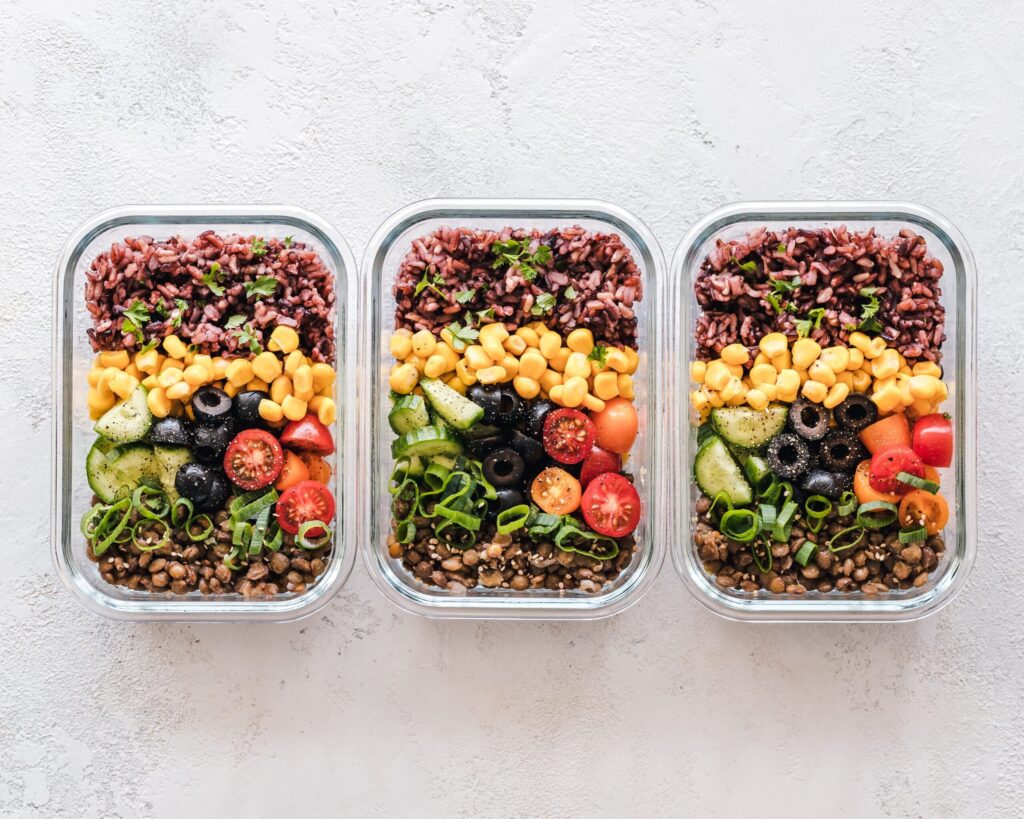
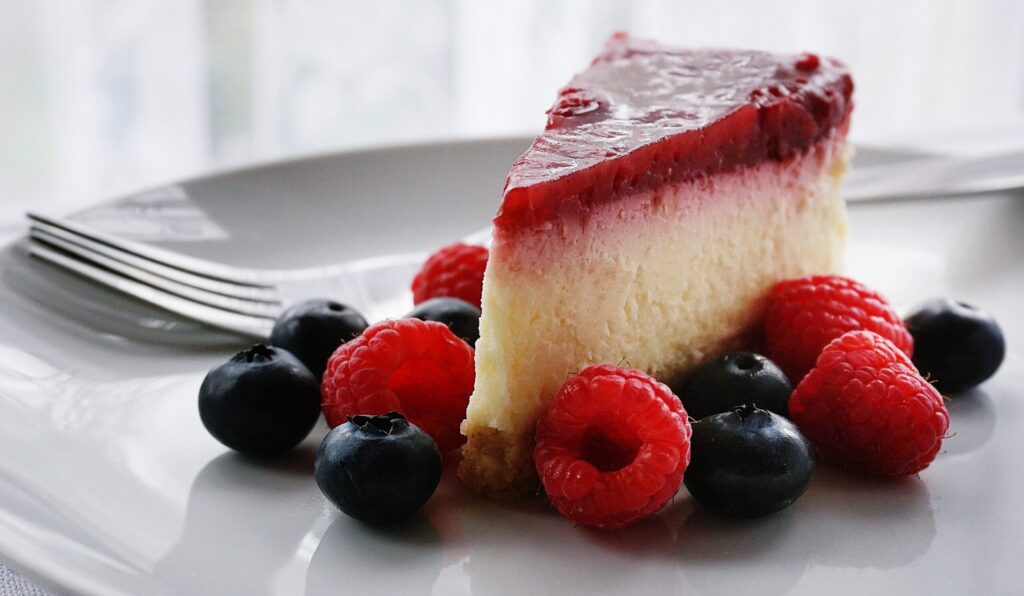
Achieving a flatter tummy is a common goal for many individuals, but it’s not just about rigorous exercise—your diet plays a crucial role. Choosing the right snacks can support your journey towards a toned abdomen, particularly when they help to reduce bloating, manage hunger, and fuel your body with the necessary nutrients. Below, we explore 10 scientifically backed snack options that can contribute to a flatter tummy.
1. Greek Yoghurt
Greek yoghurt is a powerhouse when it comes to promoting a flatter tummy. It’s rich in protein, which helps to maintain muscle mass and keeps you feeling full for longer. A study published in the American Journal of Clinical Nutrition found that diets high in protein helped individuals lose more belly fat compared to low-protein diets (Leidy et al., 2015).
The probiotics in Greek yoghurt also aid digestion, which is crucial for reducing bloating—a common cause of a distended belly. Probiotics improve gut health by balancing the gut flora, which has been shown to reduce gas and improve digestion (Floch et al., 2011).
2. Almonds
Almonds are an excellent snack for achieving a flatter tummy. They’re rich in healthy monounsaturated fats, fibre, and protein—all of which contribute to better satiety and reduced calorie intake. A study in The Journal of the American Heart Association concluded that regular consumption of almonds, combined with a calorie-restricted diet, helped reduce belly fat and waist circumference in overweight individuals (Wien et al., 2014).
The fibre content in almonds also promotes digestive health by preventing constipation and reducing bloating. In addition, the magnesium found in almonds helps regulate blood sugar levels, which is crucial for preventing belly fat storage triggered by insulin spikes (Song et al., 2013).
3. Berries
Berries such as blueberries, strawberries, and raspberries are high in antioxidants, fibre, and vitamins, making them a perfect snack for those aiming for a flatter stomach. The fibre in berries helps regulate digestion, preventing constipation and bloating, while also controlling hunger by promoting a feeling of fullness.

A study published in The American Journal of Clinical Nutrition found that consuming berries regularly was associated with reduced visceral fat and overall lower body weight (Basu et al., 2010). The antioxidants in berries, particularly anthocyanins, have also been shown to reduce inflammation, which can be a contributing factor to abdominal fat.
4. Avocados
Avocados are another fantastic snack option for trimming belly fat. They’re packed with monounsaturated fats, which help reduce visceral fat—a type of fat stored in the abdominal cavity that is linked to several chronic diseases. A study published in The Journal of Nutrition highlighted that participants who consumed avocados regularly saw a significant reduction in abdominal fat (Wang et al., 2015).
Avocados are also rich in fibre, which aids in digestion and helps prevent bloating. Their high potassium content helps regulate fluid balance in the body, reducing water retention and the bloating that comes with it.
5. Green Tea
Although not a traditional snack, green tea is worth mentioning as it can be consumed between meals to promote a flatter stomach. Green tea contains catechins, a type of antioxidant that has been shown to increase fat-burning and reduce abdominal fat. A study in The Journal of Nutrition demonstrated that individuals who consumed green tea regularly experienced significant reductions in body fat, particularly in the abdominal region (Maki et al., 2009).

The combination of catechins and caffeine in green tea promotes thermogenesis, the process of heat production in the body, which helps burn calories and fat. Additionally, green tea supports digestion and reduces bloating, making it an effective aid for a flatter tummy.
6. Cucumbers
Cucumbers are a hydrating and low-calorie snack that can help reduce belly bloating. They contain a high amount of water and fibre, which helps flush out excess fluids and toxins from the body, reducing water retention and bloating. A study published in the Journal of Agricultural and Food Chemistry found that cucumbers contain flavonoids and tannins, which possess anti-inflammatory properties that can help reduce swelling in the abdomen (Park et al., 2014).
Since cucumbers are low in calories, they’re an excellent option for those trying to reduce overall calorie intake, aiding in weight loss and a flatter stomach.
7. Apples
Apples are a versatile and portable snack packed with fibre and water, both of which help keep you full and prevent overeating. The soluble fibre in apples, known as pectin, promotes gut health by feeding beneficial gut bacteria, which can help reduce bloating and improve digestion. A study published in the Journal of Functional Foods found that pectin helped improve digestion and contributed to weight loss (Aprikian et al., 2003).
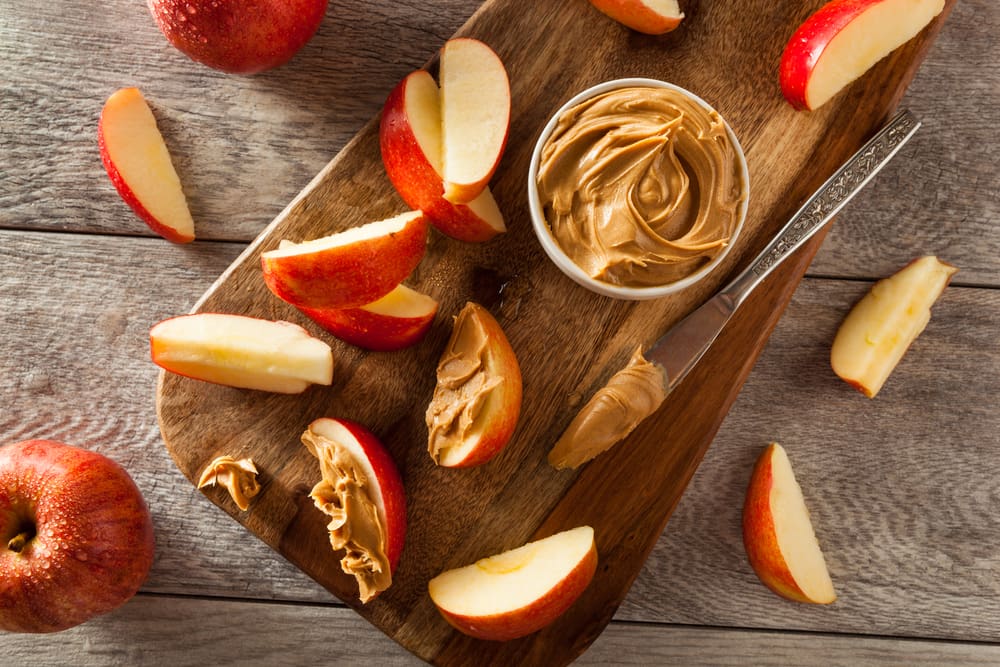
Additionally, apples are rich in polyphenols, which are antioxidants that reduce inflammation and may help prevent the accumulation of belly fat.
8. Eggs
Eggs are a highly nutritious and protein-rich snack that can support belly fat reduction. They are low in calories but high in protein, which increases satiety and helps curb hunger throughout the day. A study in the International Journal of Obesity found that individuals who ate eggs for breakfast experienced more significant weight loss and a reduction in abdominal fat compared to those who consumed a high-carbohydrate meal (Vander Wal et al., 2008).
Eggs are also rich in several essential nutrients, including choline, which is involved in fat metabolism and may help reduce the accumulation of belly fat.
9. Chia Seeds
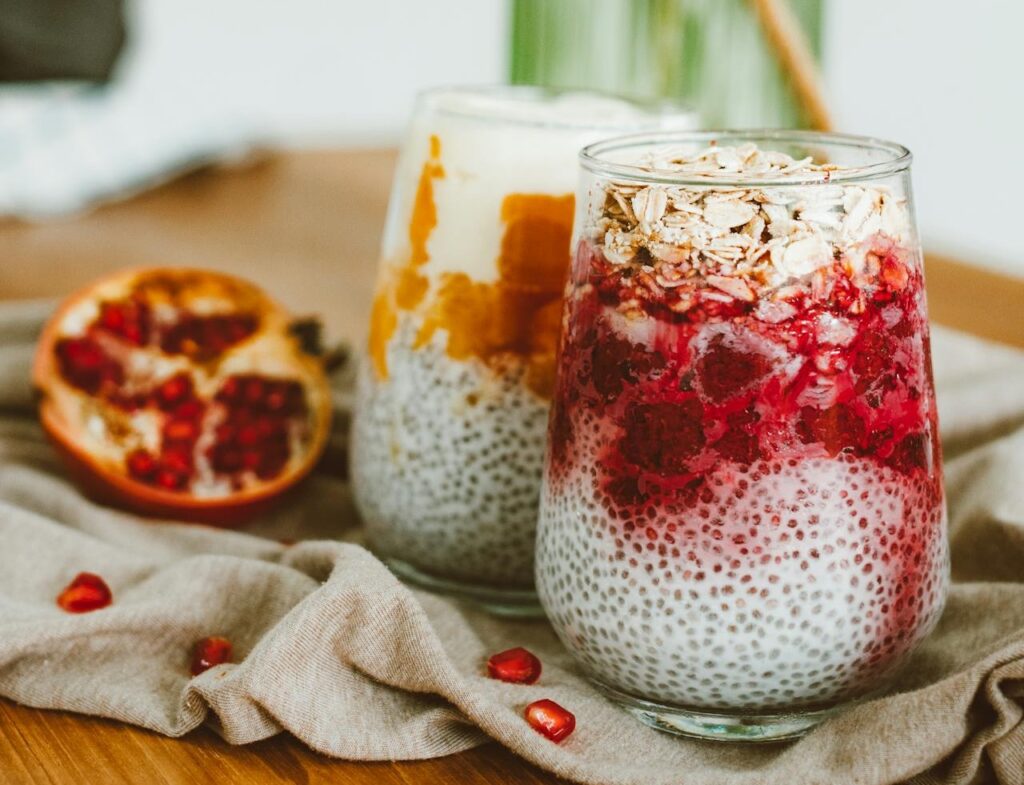
Chia seeds are tiny but powerful snacks that can aid in reducing belly fat due to their high content of fibre and omega-3 fatty acids. The soluble fibre in chia seeds absorbs water, expanding in the stomach and promoting feelings of fullness. A study published in The Journal of Nutritional Biochemistry found that chia seeds helped reduce visceral fat and improved overall body composition (Nieman et al., 2009).
The omega-3 fatty acids in chia seeds have anti-inflammatory properties, which can help reduce inflammation in the belly area and support fat loss.
10. Hummus and Veggies
Hummus, made from chickpeas, is a nutrient-dense snack that’s packed with protein, fibre, and healthy fats. Combined with raw vegetables like carrots, cucumbers, or bell peppers, hummus makes for a filling, low-calorie snack that can help reduce belly fat. The fibre in chickpeas aids digestion and promotes satiety, preventing overeating. A study published in Appetite found that chickpea consumption helped improve appetite control and reduced overall calorie intake (Pittaway et al., 2008).
Vegetables provide additional fibre and water content, which can help reduce bloating and support a flatter tummy.
Conclusion
Incorporating these 10 healthy snacks into your diet can support your efforts to achieve a flatter stomach. By choosing snacks that are high in protein, fibre, and healthy fats, and low in refined sugars and carbohydrates, you’ll be able to reduce belly fat, improve digestion, and minimise bloating. Remember, it’s important to combine these snacks with a balanced diet and regular physical activity for the best results.
Key Takeaways Table
| Snack | Benefits for a Flatter Tummy |
|---|---|
| Greek Yoghurt | High in protein, probiotics aid digestion and reduce bloating |
| Almonds | High in monounsaturated fats, protein, and fibre; helps reduce belly fat and waist circumference |
| Berries | Rich in antioxidants and fibre; reduces visceral fat and inflammation |
| Avocados | Packed with monounsaturated fats and fibre; reduces visceral fat and bloating |
| Green Tea | Contains catechins that promote fat burning and thermogenesis |
| Cucumbers | High water content helps flush out excess fluids and reduce bloating |
| Apples | High in fibre and water, promotes gut health and reduces belly fat accumulation |
| Eggs | High in protein, increases satiety, helps reduce abdominal fat |
| Chia Seeds | Rich in fibre and omega-3s; supports fat loss and reduces inflammation |
| Hummus and Veggies | Nutrient-dense, high in protein and fibre, helps control appetite and reduce bloating |
References
Aprikian, O., Duclos, V., Guyot, S., Besson, C., Manach, C., Bernalier, A., Morand, C., Rémésy, C. and Demigné, C., 2003. Apple pectin and polyphenol-rich apple concentrate are more effective together than separately on cecal fermentations and plasma lipids in rats. Journal of Nutrition, 133(6), pp.1860-1865.
Basu, A., Rhone, M. and Lyons, T.J., 2010. Berries: emerging impact on cardiovascular health. Nutrients, 2(3), pp. 195-210.
Floch, M.H., Walker, W.A., Madsen, K., Sanders, M.E., Macfarlane, G.T., Flint, H.J., Dieleman, L.A., Ringel, Y., Guandalini, S. and Kelly, C.P., 2011. Recommendations for probiotic use—2011 update. Journal of Clinical Gastroenterology, 45, pp.S168-S171.
Leidy, H.J., Clifton, P.M., Astrup, A., Wycherley, T.P., Westerterp-Plantenga, M.S., Luscombe-Marsh, N.D., Woods, S.C. and Mattes, R.D., 2015. The role of protein in weight loss and maintenance. American Journal of Clinical Nutrition, 101(6), pp.1320S-1329S.
Maki, K.C., Reeves, M.S., Farmer, M., Yasunaga, K., Matsuo, N., Katsuragi, Y., Komikado, M., Tokimitsu, I., Wilder, D. and Jones, F., 2009. Green tea catechin consumption enhances exercise-induced abdominal fat loss in overweight and obese adults. Journal of Nutrition, 139(2), pp.264-270.
Nieman, D.C., Cayea, E.J., Austin, M.D., Henson, D.A., McAnulty, S.R. and Jin, F., 2009. Chia seed does not promote weight loss or alter disease risk factors in overweight adults. The Journal of Nutritional Biochemistry, 20(8), pp.652-658.
Park, C.M., Yeo, H.J., Chon, J.W., Hwang, I.G., Gu, Y.S., and Seo, K.I., 2014. Anti-obesity effect of Cucumis sativus L. extract on high-fat diet-induced obesity in mice. Journal of Agricultural and Food Chemistry, 62(4), pp. 948-954.
Pittaway, J.K., Robertson, I.K., and Ball, M.J., 2008. Chickpeas may influence fatty acid and fibre intake in an ad libitum diet, leading to small improvements in serum lipid profile and glycaemic control. Appetite, 51(2), pp.331-335.
Song, Y., Manson, J.E., Buring, J.E., and Liu, S., 2013. A prospective study of magnesium intake and risk of type 2 diabetes in women. Diabetes Care, 27(1), pp. 59-65.
Vander Wal, J.S., Gupta, A., Khosla, P. and Dhurandhar, N.V., 2008. Egg breakfast enhances weight loss. International Journal of Obesity, 32(10), pp.1545-1551.
Wang, L., Bordi, P.L., Fleming, J.A., Hill, A.M., and Kris-Etherton, P.M., 2015. Effects of a moderate-fat diet with and without avocados on lipoprotein particle number, size, and subclasses in overweight and obese adults: a randomized, controlled trial. Journal of Nutrition, 145(7), pp.1693-1699.
Wien, M., Bleich, D., Raghuwanshi, M.P., Gould-Forgerite, S., Gomes, A., and Oda, K., 2014. Almond consumption and cardiovascular risk factors in adults with prediabetes. Journal of the American Heart Association, 3(3), e000993.