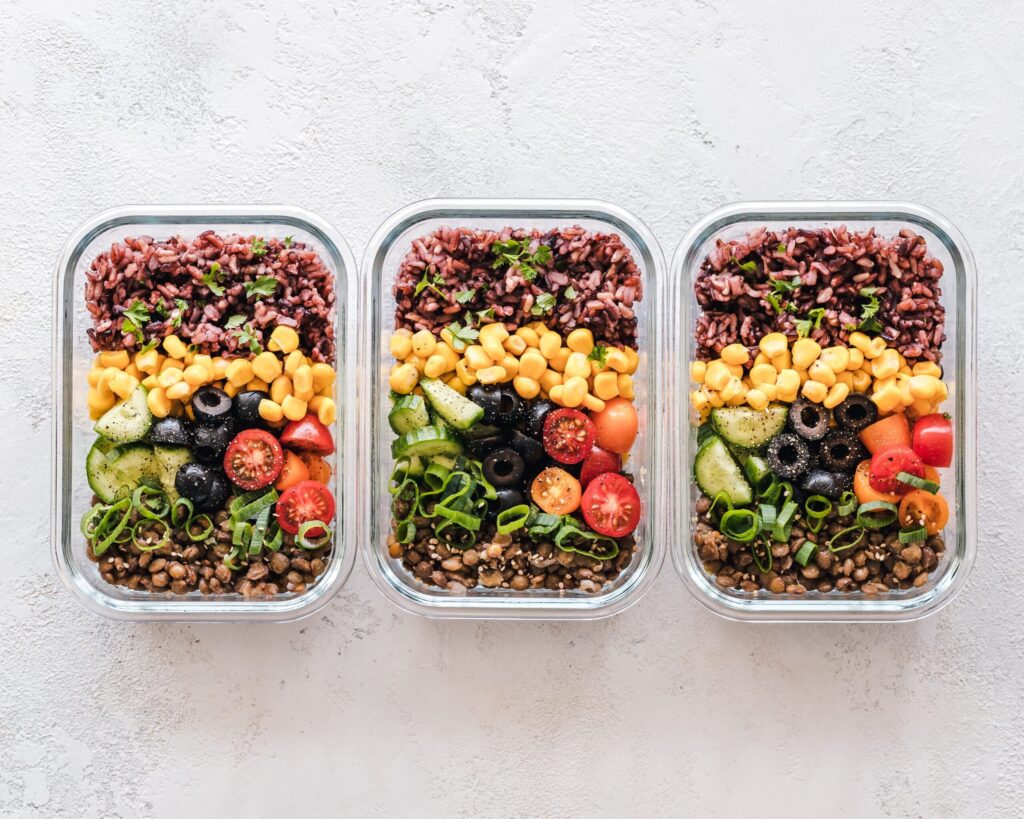
High-protein diets are associated with improved satiety, better body composition, enhanced recovery post-exercise, and preserved lean muscle mass during weight loss. For individuals training regularly or pursuing weight loss goals, quick and efficient meals that prioritise protein are essential. This article presents ten high-protein meals, each prepared in under 15 minutes, backed by science to support their nutritional benefit.
1. Scrambled Eggs with Smoked Salmon and Spinach
Eggs are a complete protein source, providing all nine essential amino acids. Each large egg contains approximately 6.3g of protein. Adding smoked salmon, which provides roughly 18g of protein per 85g serving, increases the protein content significantly. Spinach contributes micronutrients like magnesium and iron, beneficial for muscle function.

How to prepare: Scramble 2–3 eggs in olive oil or butter. Add 50g of smoked salmon and a handful of fresh spinach. Cook until spinach wilts.
Total protein: Approximately 27g
Scientific basis: Egg protein has a high biological value and is rapidly digested and absorbed (Boye et al., 2010).
2. Cottage Cheese with Pineapple and Almonds
Cottage cheese contains casein, a slow-digesting protein that helps maintain an anabolic state for longer periods. A 200g serving yields about 22g of protein. Paired with a few slices of pineapple for vitamin C and 10 almonds for healthy fats and an additional 2.5g of protein, this is a balanced meal for recovery or satiety.
How to prepare: Combine 200g of low-fat cottage cheese with 50g of fresh pineapple and 10 chopped almonds.
Total protein: Approximately 24.5g
Scientific basis: Casein’s slower digestion rate supports prolonged amino acid availability (Boirie et al., 1997).
3. Grilled Chicken Breast Wrap with Greek Yoghurt Dressing
Chicken breast is lean and protein-dense, with roughly 31g of protein per 100g. Greek yoghurt enhances both taste and protein content, offering an additional 10g per 100g.
How to prepare: Grill 100g chicken breast strips. Wrap in a wholegrain tortilla with lettuce, tomato, and a sauce made from 50g Greek yoghurt, garlic, and lemon juice.
Total protein: Approximately 38g
Scientific basis: Lean meats are linked to improved muscle protein synthesis when consumed after resistance training (Phillips et al., 2009).
4. Tuna and White Bean Salad
Canned tuna is a convenient, high-protein option at about 25g per 100g. White beans add plant-based protein and fibre, with around 8g per 100g.
How to prepare: Mix 100g drained tuna with 100g cooked white beans, diced red onion, parsley, and olive oil. Serve cold.
Total protein: Approximately 33g
Scientific basis: Combining animal and plant protein improves total dietary amino acid profiles (Millward, 1999).
5. Tofu Stir-Fry with Broccoli and Cashews
Tofu is a complete plant-based protein with about 10g per 100g serving. Broccoli provides additional protein (2.8g per 100g) and fibre, while cashews add fat and 5g protein per 30g.
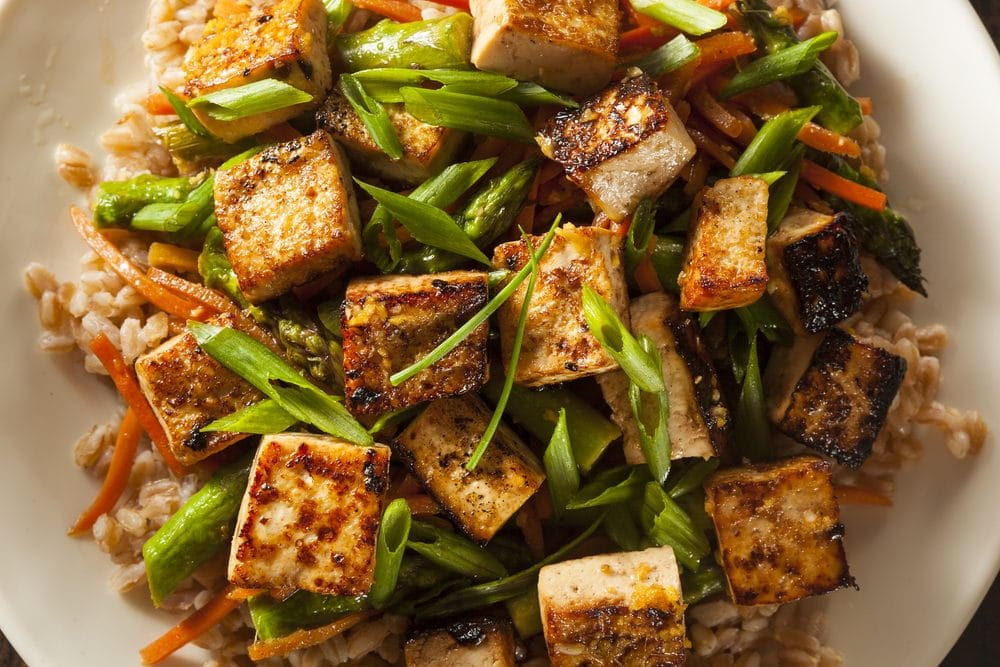
How to prepare: Stir-fry 150g firm tofu, 100g broccoli, and 30g cashews in sesame oil and soy sauce.
Total protein: Approximately 27.8g
Scientific basis: Soy protein has comparable effects to whey on muscle protein synthesis when dosed equivalently (Kato et al., 2020).
6. Protein Smoothie with Whey, Banana, and Peanut Butter
Whey protein isolate is rapidly absorbed, providing all essential amino acids. A 30g scoop typically yields 24g protein. Bananas offer potassium, while peanut butter adds flavour and about 8g protein per 2 tablespoons.
How to prepare: Blend 30g whey protein with 1 banana, 2 tablespoons peanut butter, and 250ml almond milk.
Total protein: Approximately 32g
Scientific basis: Whey stimulates muscle protein synthesis to a greater extent than casein and soy, particularly post-workout (Tang et al., 2009).
7. Turkey Mince Lettuce Cups
Turkey mince contains approximately 27g of protein per 100g. When wrapped in lettuce leaves, this makes for a low-carb, protein-rich meal.
How to prepare: Sauté 100g turkey mince with garlic, ginger, and spring onion. Spoon into romaine lettuce leaves and top with low-sugar hoisin sauce.
Total protein: Approximately 27g
Scientific basis: High-protein meals contribute to greater satiety and reduced subsequent calorie intake (Westerterp-Plantenga et al., 2009).
8. Edamame and Quinoa Bowl

Edamame offers 11g protein per 100g, while quinoa provides 4.4g per 100g cooked. When combined, they create a complete amino acid profile, ideal for vegetarians.
How to prepare: Mix 100g cooked quinoa with 100g shelled edamame, cherry tomatoes, cucumber, and a drizzle of lemon-tahini dressing.
Total protein: Approximately 15.4g
Scientific basis: Plant-based protein combinations can be nutritionally adequate when varied and balanced (Young & Pellett, 1994).
9. Sardines on Wholegrain Toast
Sardines are rich in omega-3 fatty acids and deliver 25g protein per 100g. Wholegrain bread adds 5g protein per slice.
How to prepare: Place 100g sardines (in olive oil) on 2 slices of toasted wholegrain bread. Top with capers and lemon zest.
Total protein: Approximately 35g
Scientific basis: Fish protein is associated with cardiovascular benefits and muscle maintenance (Ouellet et al., 2008).
10. Lentil and Egg Curry
Lentils offer 9g protein per 100g cooked, while eggs contribute 6.3g each. Combined in a spiced curry, they offer a high-protein vegetarian meal.
How to prepare: Heat pre-cooked lentils with curry spices and chopped tomatoes. Add 2 boiled eggs, halved.
Total protein: Approximately 21.6g
Scientific basis: Pulses and legumes enhance satiety and have been shown to support weight control (Li et al., 2014).
Bibliography
Boirie, Y., Dangin, M., Gachon, P., Vasson, M.P., Maubois, J.L. and Beaufrère, B., 1997. Slow and fast dietary proteins differently modulate postprandial protein accretion. Proceedings of the National Academy of Sciences, 94(26), pp.14930-14935.
Boye, J., Wijesinha-Bettoni, R. and Burlingame, B., 2012. Protein quality evaluation twenty years after the introduction of the Protein Digestibility Corrected Amino Acid Score method. British Journal of Nutrition, 108(S2), pp.S183-S211.
Kato, H., Suzuki, K. and Bannai, M., 2020. Whey, casein, and soy protein supplementation: Effects on muscle protein synthesis and body composition. Nutrition, 74, p.110812.
Li, S.S., Blanco Mejia, S., Lytvyn, Y., Stewart, S.E., Viguiliouk, E., Ha, V., de Souza, R.J., Leiter, L.A., Kendall, C.W., Jenkins, D.J. and Sievenpiper, J.L., 2014. Effect of pulses on body weight, body fat and waist circumference: a systematic review and meta-analysis of randomised controlled trials. Canadian Medical Association Journal, 186(8), pp.E252-E262.
Millward, D.J., 1999. The nutritional value of plant-based diets in relation to human amino acid and protein requirements. Proceedings of the Nutrition Society, 58(2), pp.249-260.
Ouellet, V., Marois, J., Weisnagel, S.J. and Tchernof, A., 2008. Dietary cod protein improves insulin sensitivity in insulin-resistant men and women: a randomized controlled trial. Diabetes Care, 31(2), pp.192-196.
Phillips, S.M., Tang, J.E. and Moore, D.R., 2009. The role of milk-and soy-based protein in support of muscle protein synthesis and muscle protein accretion in young and elderly persons. Journal of the American College of Nutrition, 28(4), pp.343-354.
Tang, J.E., Moore, D.R., Kujbida, G.W., Tarnopolsky, M.A. and Phillips, S.M., 2009. Ingestion of whey hydrolysate, casein, or soy protein isolate: effects on mixed muscle protein synthesis at rest and following resistance exercise in young men. Journal of Applied Physiology, 107(3), pp.987-992.
Westerterp-Plantenga, M.S., Lemmens, S.G. and Westerterp, K.R., 2009. Dietary protein—its role in satiety, energetics, weight loss and health. British Journal of Nutrition, 101(6), pp.999-1012.
Young, V.R. and Pellett, P.L., 1994. Plant proteins in relation to human protein and amino acid nutrition. The American Journal of Clinical Nutrition, 59(5), pp.1203S-1212S.