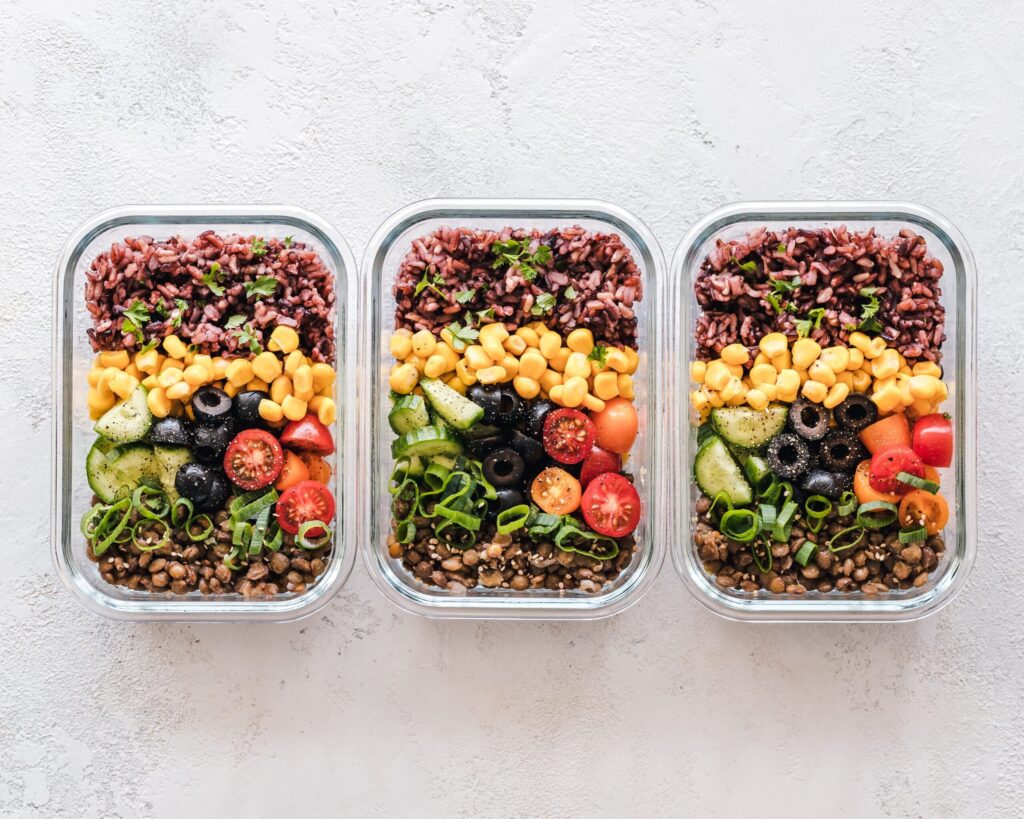
Many people want to eat healthier but find cooking to be a chore. Whether it’s a lack of time, skill, or simply no interest in spending hours in the kitchen, the struggle is real. Fortunately, healthy eating doesn’t have to mean slaving over a stove. With the right strategies, even the most kitchen-averse can improve their nutrition with minimal effort. These 10 science-backed hacks make healthy eating accessible—no gourmet skills required.
1. Prioritize Ready-to-Eat Whole Foods
When cooking is off the table, raw or minimally processed whole foods become a lifeline. Think fruits, vegetables, nuts, seeds, hard-boiled eggs, Greek yogurt, and canned beans. These options are rich in nutrients, require zero or minimal prep, and can be combined for satisfying meals.
[wpcode id=”229888″]A 2019 systematic review found that higher consumption of fruits and vegetables is associated with reduced risk of cardiovascular disease, cancer, and mortality overall (Aune et al., 2019). Keeping a rotating supply of apples, carrots, cucumbers, bananas, and other grab-and-go produce can significantly improve diet quality without ever turning on a stove.
2. Use Meal Replacement Shakes (Strategically)
Meal replacement shakes aren’t just for bodybuilders. When chosen wisely, they provide a fast, nutritionally balanced option for busy or cooking-averse individuals. Look for products with 20–30g of protein, 5–10g of fiber, and minimal added sugars. Avoid those loaded with artificial sweeteners or unrecognizable ingredients.
A meta-analysis of randomized controlled trials concluded that meal replacements can support weight management and improved glycemic control when integrated into a structured diet (Astbury et al., 2019). Using a shake as breakfast or lunch a few days a week can reduce decision fatigue while keeping nutritional goals on track.
3. Build a Minimalist Grocery List
For those who hate cooking, navigating a supermarket can be overwhelming. A simplified shopping list can minimize effort while maximizing nutrient density. Include:
- Pre-washed salad greens
- Canned fish (sardines, tuna, salmon)
- Whole-grain wraps or bread
- Hummus or guacamole
- Microwavable quinoa or brown rice
- Cheese sticks or cottage cheese
- Frozen berries and mixed vegetables
A 2020 study on food environment and choices showed that having healthy options easily available significantly influences dietary patterns (Glanz et al., 2020). Curating a streamlined, no-fuss list means healthier choices without mental clutter.
4. Embrace the Power of Frozen Foods
Frozen doesn’t mean unhealthy. In fact, frozen fruits and vegetables are often flash-frozen at peak ripeness, retaining nutrient levels comparable to or better than their fresh counterparts (Bouzar et al., 2020). Stock up on frozen spinach, peas, broccoli, and mixed stir-fry blends.
These can be microwaved or tossed into pre-cooked grains or legumes with olive oil and seasoning. Even frozen brown rice or quinoa can serve as the base for a quick meal. Incorporating frozen produce ensures variety without spoilage or prep.
5. Mix-and-Match Pre-Cooked Proteins
Protein is a vital macronutrient that supports satiety, muscle repair, and metabolic health. But cooking chicken breasts or tofu from scratch isn’t appealing if you hate the kitchen. Fortunately, supermarkets now offer convenient pre-cooked options:
- Rotisserie chicken
- Boiled eggs
- Grilled tempeh or tofu
- Canned lentils or beans
- Smoked salmon

Research shows that adequate protein intake (at least 1.2–1.6 g/kg/day for active adults) supports lean mass maintenance and appetite regulation (Phillips et al., 2016). With pre-cooked proteins, building a complete meal takes less than five minutes.
6. Make Snack Plates Your Main Meal
Who said meals need to follow the “meat and three sides” template? A snack plate—composed of fruits, vegetables, cheese, nuts, whole grains, and protein—can be just as satisfying and nutritionally complete.
A snack plate might include:
- Sliced bell peppers
- Hummus
- Whole grain crackers
- Boiled egg
- Grapes
- A handful of almonds
This kind of variety not only satisfies multiple cravings but also increases nutrient diversity. Research confirms that dietary diversity is positively correlated with nutrient adequacy and better overall health outcomes (Lo et al., 2016).
7. Use Meal Kits (Minimal-Prep Versions)
While traditional meal kits require some cooking, there are now “heat-and-eat” or minimal-prep versions on the market. These kits often include pre-cooked grains, vegetables, and proteins—all ready in under 10 minutes.
A 2021 analysis of consumer eating habits noted that convenience and time were the top barriers to healthy eating (Robinson et al., 2021). Meal kits reduce friction by eliminating decision-making and providing all the components in balanced portions. Choose ones with whole ingredients and minimal additives.
8. Automate Breakfast with Nutrient-Dense Staples
If you hate cooking, breakfast should be automatic. Some of the most nutritious and easy options include:
- Overnight oats with chia seeds, fruit, and Greek yogurt
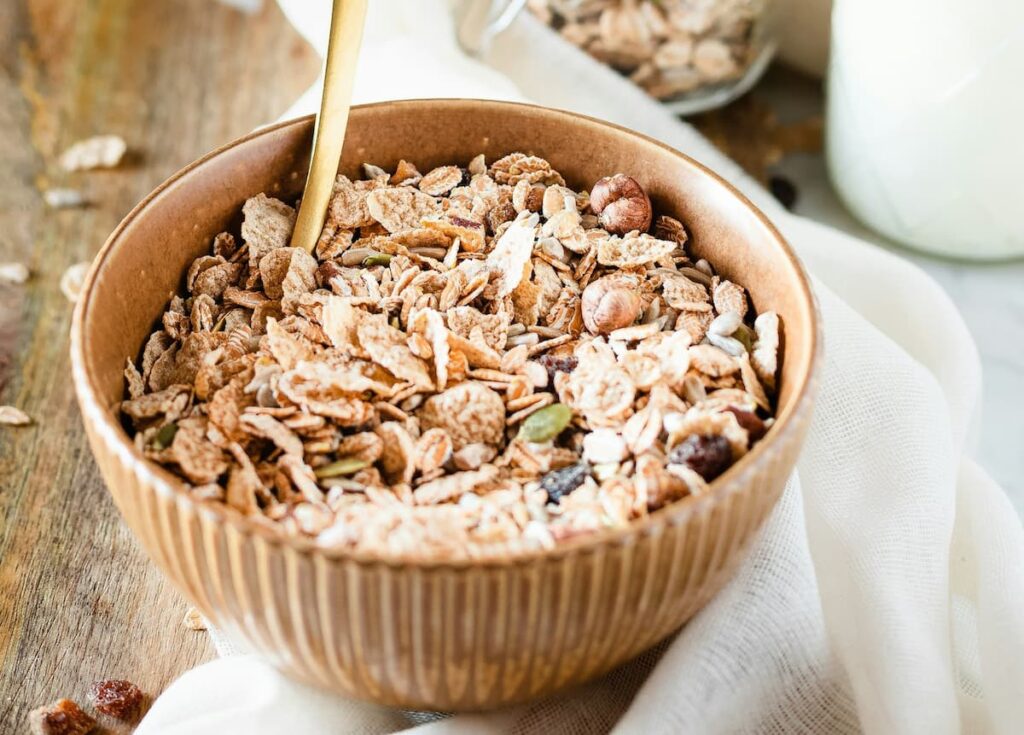
- High-protein cereal with milk or plant-based milk
- Smoothie packs with spinach, banana, protein powder, and frozen berries
Research consistently links a nutrient-dense breakfast to improved energy levels, cognitive performance, and better appetite control throughout the day (Betts et al., 2014). Automating breakfast reduces daily stress and sets a positive nutritional tone.
9. Batch Buy Smart Snacks
Snacks often make or break a healthy diet. When you don’t cook, it’s crucial to have smart, portion-controlled options on hand. Ideal snacks include:
- Trail mix (unsweetened, unsalted)
- Greek yogurt cups
- Pre-sliced fruit and nut butter packs
- Protein bars with low sugar and high fiber
Studies on snacking behavior suggest that structured snack intake with balanced macros can support weight control and energy regulation (Fayet-Moore et al., 2017). Stocking up prevents the temptation to reach for ultra-processed options.
10. Master “Assembly” Not Cooking
Cooking implies applying heat, but many healthy meals can be made entirely by assembling components. A few ideas:
- Grain bowls: precooked rice + beans + avocado + salsa
- Mediterranean box: olives + chickpeas + cucumber + feta + pita
- Breakfast parfait: Greek yogurt + granola + frozen berries
- Salad-in-a-jar: leafy greens + canned salmon + pumpkin seeds + vinaigrette
A randomized trial on healthy eating interventions found that reducing the effort barrier significantly improved adherence to healthy eating plans (Greaves et al., 2011). Emphasizing “assembly” instead of cooking changes the mental model and boosts follow-through.
Conclusion
Eating well doesn’t require culinary ambition. By reframing meals as something that can be assembled, bought ready-to-eat, or simplified into essentials, people who dislike cooking can still thrive nutritionally. Each of these strategies is backed by scientific evidence and offers a practical workaround to traditional cooking, ensuring health isn’t sacrificed for convenience.
Bibliography
Astbury, N.M., Piernas, C., Hartmann-Boyce, J., Lapworth, S., Aveyard, P. and Jebb, S.A., 2019. A systematic review and meta‐analysis of the effectiveness of meal replacements for weight loss. Obesity Reviews, 20(4), pp.569–587.
Aune, D., Giovannucci, E., Boffetta, P., Fadnes, L.T., Keum, N., Norat, T., Greenwood, D.C., Riboli, E., Vatten, L.J. and Tonstad, S., 2019. Fruit and vegetable intake and the risk of cardiovascular disease, total cancer and all-cause mortality—a systematic review and dose-response meta-analysis of prospective studies. International Journal of Epidemiology, 48(3), pp.1029–1056.
Betts, J.A., Richardson, J.D., Chowdhury, E.A., Holman, G.D., Tsintzas, K. and Thompson, D., 2014. The causal role of breakfast in energy balance and health: a randomized controlled trial in lean adults. American Journal of Clinical Nutrition, 100(2), pp.539–547.
Bouzar, E., Pénicaud, C. and Allirot, X., 2020. Nutritional quality of frozen compared to fresh fruits and vegetables: A systematic review. Journal of Food Composition and Analysis, 92, 103545.
Fayet-Moore, F., McConnell, A., Tuck, K. and Petocz, P., 2017. Prevalence of snack food consumption and its contribution to energy and nutrient intakes among Australian children and adolescents. Nutrients, 9(10), 1052.
Glanz, K., Bader, M.D. and Iyer, S., 2020. Retail grocery store marketing strategies and obesity: an integrative review. American Journal of Preventive Medicine, 59(4), pp.525–533.
Greaves, C.J., Sheppard, K.E., Abraham, C., Hardeman, W., Roden, M., Evans, P.H. and Schwarz, P., 2011. Systematic review of reviews of intervention components associated with increased effectiveness in dietary and physical activity interventions. BMC Public Health, 11(1), pp.1–12.
Lo, Y.T., Chang, Y.H., Lee, M.S. and Wahlqvist, M.L., 2016. Dietary diversity and food expenditure as indicators of food security in older Taiwanese. Appetite, 95, pp.74–81.
Phillips, S.M., Chevalier, S. and Leidy, H.J., 2016. Protein “requirements” beyond the RDA: implications for optimizing health. Applied Physiology, Nutrition, and Metabolism, 41(5), pp.565–572.
Robinson, E., Jones, A., Whitelock, V., Mead, B.R. and Haynes, A., 2021. (Over)eating out at major UK restaurant chains: observational study of energy content of main meals. BMJ Open, 11(2), e045670.