A wide upper body combined with a lean waist has long been associated with athleticism, strength, and physical attractiveness. The classic V shaped torso is created by building broad shoulders, thick lats, and a muscular upper back while keeping body fat low around the waist. Genetics influence your frame, but training, nutrition, recovery, and lifestyle habits have a much larger effect than most people realize.
The good news is that you do not need bodybuilding genetics or endless hours in the gym to dramatically improve your shape. Research consistently shows that a combination of resistance training, intelligent nutrition, and strategic lifestyle changes can significantly alter body composition and upper body proportions.


This guide breaks down 10 evidence based hacks that can help you build a more impressive V taper faster. These methods are practical, easy to understand, and supported by sports science.
Why the V Shape Matters
The V shaped torso is primarily created through three factors:
- Wide shoulders
- Developed latissimus dorsi muscles
- A lean waistline
Studies on physical attractiveness consistently show that shoulder to waist ratio strongly influences perceptions of male attractiveness, dominance, and athleticism. A wider upper body relative to the waist creates the illusion of greater strength and fitness.
From a performance perspective, stronger lats, shoulders, and core muscles also improve posture, pulling power, overhead stability, and athletic movement. Before diving into the hacks, remember one key point: you cannot out train poor recovery or bad nutrition. The fastest results come from combining several strategies consistently.
Hack 1: Prioritize Lat Training Twice Per Week
If you want a dramatic V taper, your lats are your best friend. The latissimus dorsi muscles are the large wing like muscles that spread across the sides of your back. When developed properly, they create width that visually narrows your waist.
Focus on Vertical Pulling Movements
Research on muscle activation consistently shows that pull ups and lat pulldowns strongly recruit the lats, especially when performed with full range of motion and controlled tempo.
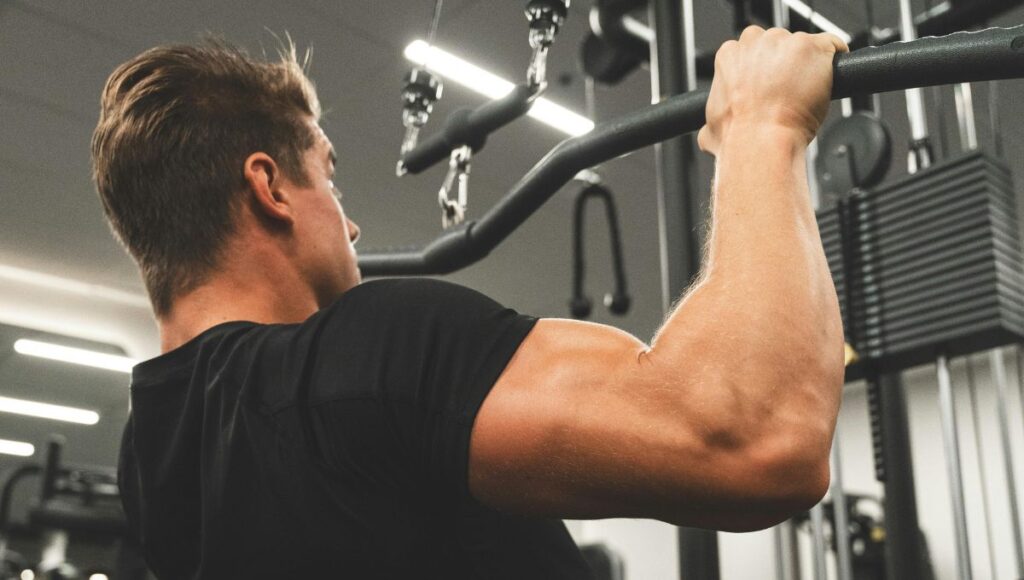
The best exercises include:
- Pull ups
- Chin ups
- Neutral grip pull ups
- Wide grip lat pulldowns
- Single arm cable pulldowns
- Straight arm pulldowns
Many lifters make the mistake of turning every pulling movement into a biceps exercise. Instead, think about driving your elbows down toward your hips.
Use Enough Weekly Volume
Evidence suggests that hypertrophy is optimized when muscle groups receive approximately 10 to 20 challenging sets per week. For faster lat growth, training your back twice weekly is usually more effective than smashing it once.
A simple setup could look like this:
Day 1:
- Pull ups
- Barbell rows
- Straight arm pulldowns
Day 2:
- Lat pulldowns
- Chest supported rows
- Single arm cable pulldowns
Improve Mind Muscle Connection
Studies suggest that internal focus cues can improve activation of target muscles during resistance training. During every rep, focus on stretching and squeezing the lats rather than just moving weight from point A to point B.
Hack 2: Build Boulder Shoulders With Smart Isolation Work
Broad shoulders instantly improve the appearance of a V shaped torso. While genetics influence clavicle width, building the deltoid muscles can massively change your visual proportions.

Train All Three Heads of the Deltoids
The shoulder consists of:
- Anterior deltoid
- Lateral deltoid
- Posterior deltoid
The lateral deltoids are especially important for creating width. Many pressing exercises already hammer the front delts, so most people need more side and rear delt work.
The Most Effective Shoulder Builders
Research comparing shoulder exercises consistently highlights these movements:
- Dumbbell lateral raises
- Cable lateral raises
- Rear delt flyes
- Face pulls
- Overhead press
Lateral raises are particularly valuable because they directly target the side delts with minimal triceps involvement.
Use Higher Repetitions
The deltoids often respond well to moderate and high repetition training. Sets of 10 to 20 reps with controlled form can create excellent hypertrophy stimulus while reducing joint stress. Do not swing the weight. Momentum shifts tension away from the muscles you are trying to build.
Hack 3: Get Lean Enough to Reveal the Taper
You can have great shoulders and thick lats, but excess body fat around the waist hides the V shape. Body fat reduction is often the fastest visual transformation strategy.
Fat Loss Changes Proportions Quickly

Research shows that reducing body fat improves waist circumference, muscle definition, and visual muscularity. Even losing 10 to 15 pounds of fat can dramatically improve your silhouette. The leaner your waist becomes, the wider your upper body appears.
Maintain a Moderate Calorie Deficit
Extreme dieting increases muscle loss risk and often reduces training performance. Most evidence supports moderate deficits of around 300 to 500 calories daily for sustainable fat loss. Key strategies include:
- Eating high protein meals
- Prioritizing whole foods
- Limiting liquid calories
- Increasing daily movement
- Tracking calorie intake consistently
Protein Intake Is Critical
Research strongly supports higher protein intake during fat loss phases to preserve lean muscle mass. Most active individuals benefit from approximately 1.6 to 2.2 grams of protein per kilogram of body weight daily.
Good protein sources include:
- Lean meat
- Eggs
- Greek yogurt
- Fish
- Cottage cheese
- Whey protein
- Tofu
- Tempeh
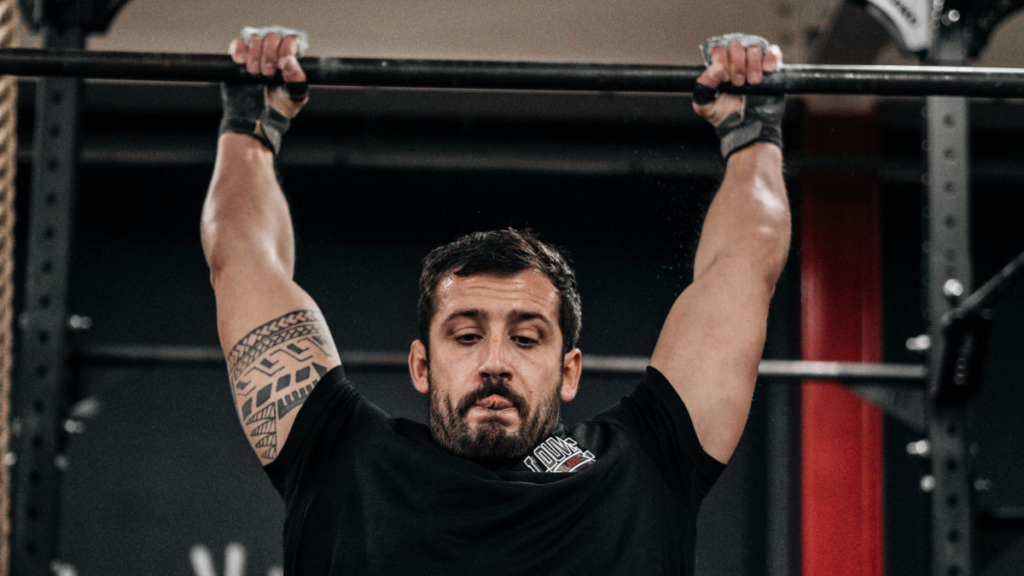
Hack 4: Master Pull Ups as Fast as Possible
Few exercises build a V taper faster than pull ups. They simultaneously target:
- Lats
- Teres major
- Rhomboids
- Rear delts
- Biceps
- Core muscles
Pull Ups Deliver High Muscle Activation
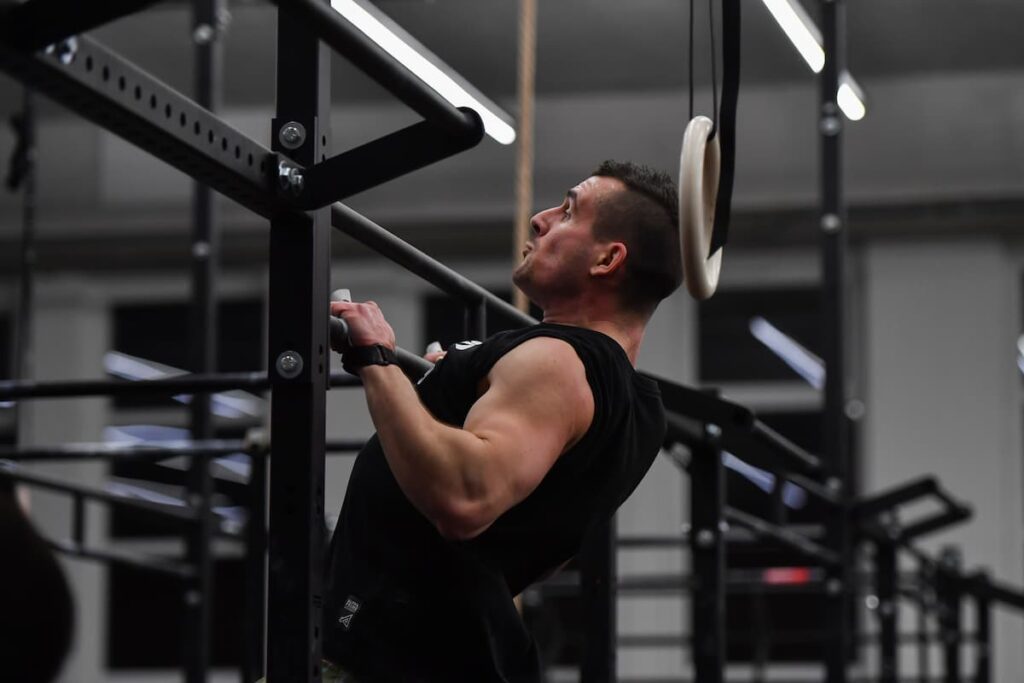
Electromyography research consistently shows that pull ups generate strong lat recruitment. Compared to many machine exercises, they also improve total body coordination and grip strength.
If You Cannot Do Pull Ups Yet
Start with:
- Assisted pull up machines
- Resistance band pull ups
- Negative reps
- Isometric holds
Progressive overload remains essential. Add reps over time before adding weight.
Use Different Grip Variations
Each grip slightly shifts muscle emphasis:
- Wide grip emphasizes upper lats
- Neutral grip is shoulder friendly
- Chin ups increase biceps involvement
- Mixed grips challenge stability
Rotating grips can reduce overuse stress while improving overall development.
Hack 5: Stop Overtraining Your Abs
Many people sabotage their V taper by building a thicker waist through excessive weighted oblique training. A strong core matters, but aesthetic goals require strategy.
Avoid Excessive Heavy Side Bending
Heavy oblique isolation work can hypertrophy the waist muscles and visually widen the midsection. This does not mean avoiding all oblique training. It means avoiding excessive hypertrophy focused loading if your primary goal is maximizing shoulder to waist contrast.
Train Core Stability Instead
Research supports core stability exercises for improving trunk strength and athletic performance without necessarily adding excessive waist thickness. Good options include:
- Planks
- Dead bugs
- Hollow holds
- Pallof presses
- Ab wheel rollouts
Improve Posture
Poor posture can make your torso appear narrower and your stomach more prominent. Strengthening the upper back and improving thoracic mobility helps create a taller, broader appearance naturally.
Hack 6: Use Progressive Overload Relentlessly
Your body adapts only when challenged. Progressive overload remains one of the most scientifically validated principles in resistance training.
What Progressive Overload Means
You must gradually increase training demands over time through:
- More weight
- More reps
- More sets
- Better technique
- Improved range of motion
Without progression, muscle growth stalls.
Track Your Training
Research on behavior and performance consistently shows that self monitoring improves adherence and results.
Track:
- Exercises
- Sets
- Reps
- Weight lifted
- Body measurements
- Body weight
A simple notebook works perfectly.
Small Increases Matter
You do not need giant jumps in strength every week. Adding:
- One extra rep
- Five extra pounds
- One additional set
Can compound into dramatic long term changes.
Hack 7: Improve Your Testosterone Supporting Habits
Natural testosterone levels influence muscle growth, recovery, body composition, and training performance. You do not need gimmicks or questionable supplements. Lifestyle habits have a major impact.

Sleep Is Non Negotiable
Sleep deprivation significantly reduces testosterone production and recovery capacity. Research shows that even short term sleep restriction can impair hormonal balance and muscle recovery.
Aim for:
- Seven to nine hours nightly
- Consistent sleep timing
- A cool dark room
- Limited screen exposure before bed
Maintain Healthy Body Fat Levels
Both obesity and extremely low body fat can negatively affect testosterone levels. Moderate leanness is generally optimal for hormonal health and aesthetics.
Resistance Training Helps
Heavy compound training is associated with acute increases in anabolic hormones and long term improvements in body composition. Focus especially on:
- Squats
- Deadlifts
- Rows
- Pull ups
- Presses
Hack 8: Increase Daily Protein Distribution
Many people hit their total protein goal but distribute it poorly throughout the day. Research suggests that muscle protein synthesis is stimulated more effectively when protein intake is spread across multiple meals.
Aim for Multiple Protein Feedings
Instead of eating most protein at dinner, spread intake across:
- Breakfast
- Lunch
- Dinner
- Post workout meals
This supports muscle repair and growth throughout the day.
Prioritize Leucine Rich Proteins
Leucine is a key amino acid involved in stimulating muscle protein synthesis. High leucine foods include:
- Whey protein
- Chicken
- Eggs
- Dairy products
- Beef
- Fish
Post Workout Nutrition Helps Recovery
Research indicates that consuming protein after resistance training supports muscle recovery and adaptation. A practical post workout meal might include:
- Protein source
- Carbohydrates
- Fluids
Perfection is unnecessary. Consistency matters most.
Hack 9: Improve Your Waistline Through Daily Activity
You do not need endless cardio to get leaner. Increasing total daily movement can significantly improve energy expenditure without compromising recovery.
Non Exercise Activity Thermogenesis Matters

Non exercise activity thermogenesis, often called NEAT, includes:
- Walking
- Standing
- Household chores
- Taking stairs
- General movement
Research shows that NEAT contributes significantly to daily calorie burn and body weight regulation.
Walk More Every Day
Walking is highly underrated for fat loss and recovery. Benefits include:
- Increased calorie expenditure
- Improved insulin sensitivity
- Reduced stress
- Better cardiovascular health
- Enhanced recovery
Aiming for 8,000 to 12,000 daily steps is a practical target for many people.
Avoid Excessive Cardio
Too much high intensity cardio can interfere with muscle recovery and resistance training performance. Moderate amounts work best for most physique focused trainees.
Hack 10: Train With Better Exercise Technique
Technique determines which muscles actually receive the training stimulus. Poor form often shifts tension away from the lats and shoulders toward smaller assisting muscles.
Control the Eccentric Phase
Research suggests that controlled eccentric training can improve hypertrophy and muscle damage responses. Lower weights slowly instead of dropping them. For example:
- Lower pull ups under control
- Pause during rows
- Stretch the lats fully
Use Full Range of Motion
Studies consistently support full range resistance training for maximizing hypertrophy. Partial reps have uses, but most trainees benefit more from controlled full range movement patterns.
Avoid Ego Lifting
Using excessive weight often causes:
- Reduced range of motion
- Momentum cheating
- Poor muscle targeting
- Increased injury risk
The target muscle does not know how much weight is on the bar. It only knows tension.
The Fastest Weekly Training Split for a V Taper
Here is a practical evidence based training structure for building a V shaped torso efficiently.
Day 1: Back and Rear Delts
- Pull ups
- Barbell rows
- Lat pulldowns
- Face pulls
- Rear delt flyes
Day 2: Chest and Side Delts
- Incline dumbbell press
- Flat bench press
- Cable lateral raises
- Dumbbell lateral raises
- Push ups
Day 3: Legs and Core
- Squats
- Romanian deadlifts
- Lunges
- Planks
- Ab wheel rollouts
Day 4: Back Width Focus
- Weighted pull ups
- Single arm pulldowns
- Straight arm pulldowns
- Chest supported rows
- Shrugs
Day 5: Shoulders and Arms
- Overhead press
- Cable lateral raises
- Rear delt flyes
- Hammer curls
- Triceps pushdowns
This structure increases weekly frequency for the muscles most responsible for the V taper while maintaining balanced development.
Common Myths About the V Taper
Myth 1: You Need Steroids
Natural trainees can absolutely develop impressive V shaped physiques with proper training and nutrition.
Myth 2: Endless Ab Work Creates a Smaller Waist
Spot reduction is largely ineffective. Fat loss comes primarily from calorie balance and energy expenditure.
Myth 3: Machines Are Useless
Machines can effectively target muscles with lower stability demands and reduced injury risk. The best program usually combines:
- Free weights
- Bodyweight exercises
- Machines
- Cables
Final Thoughts
Building an attractive V shaped torso is not about secret tricks or impossible genetics. The formula is surprisingly straightforward:
- Build wider lats
- Develop round shoulders
- Reduce excess body fat
- Train consistently
- Recover properly
The biggest difference between people who succeed and people who stay stuck is consistency over time.
If you apply these 10 evidence based hacks consistently for several months, your physique can change dramatically. You will not only look more athletic, but you will likely improve posture, strength, confidence, and overall health as well. The V taper is ultimately the result of intelligent training and disciplined habits repeated long enough to produce visible change.
Key Takeaways
| Hack | Why It Works | Fastest Action Step |
|---|---|---|
| Train lats twice weekly | Builds upper body width | Prioritize pull ups and pulldowns |
| Build side delts | Increases shoulder width | Add lateral raises 2 to 3 times weekly |
| Reduce body fat | Reveals waist contrast | Maintain moderate calorie deficit |
| Master pull ups | High lat activation | Progress from assisted reps |
| Avoid overbuilding obliques | Keeps waist visually smaller | Focus on core stability exercises |
| Use progressive overload | Drives muscle growth | Track weights and reps weekly |
| Improve sleep quality | Supports recovery and hormones | Sleep 7 to 9 hours nightly |
| Distribute protein intake | Enhances muscle protein synthesis | Eat protein across multiple meals |
| Increase daily movement | Supports fat loss | Walk 8,000 to 12,000 steps daily |
| Improve exercise technique | Maximizes muscle tension | Use controlled full range reps |
Bibliography
- Ahtiainen, J.P., Pakarinen, A., Alen, M., Kraemer, W.J. and Hakkinen, K. (2003) ‘Muscle hypertrophy, hormonal adaptations and strength development during strength training in strength trained and untrained men’, European Journal of Applied Physiology, 89(6), pp. 555 to 563.
- American College of Sports Medicine (2009) ‘Progression models in resistance training for healthy adults’, Medicine and Science in Sports and Exercise, 41(3), pp. 687 to 708.
- Areta, J.L., Burke, L.M., Ross, M.L., Camera, D.M., West, D.W., Broad, E.M., Jeacocke, N.A., Moore, D.R., Stellingwerff, T., Phillips, S.M. and Hawley, J.A. (2013) ‘Timing and distribution of protein ingestion during prolonged recovery from resistance exercise alters myofibrillar protein synthesis’, The Journal of Physiology, 591(9), pp. 2319 to 2331.
- Brad Schoenfeld, B. (2010) ‘The mechanisms of muscle hypertrophy and their application to resistance training’, Journal of Strength and Conditioning Research, 24(10), pp. 2857 to 2872.
- Brad Schoenfeld, B., Ogborn, D. and Krieger, J.W. (2017) ‘Dose response relationship between weekly resistance training volume and increases in muscle mass’, Journal of Sports Sciences, 35(11), pp. 1073 to 1082.
- Cribb, P.J. and Hayes, A. (2006) ‘Effects of supplement timing and resistance exercise on skeletal muscle hypertrophy’, Medicine and Science in Sports and Exercise, 38(11), pp. 1918 to 1925.