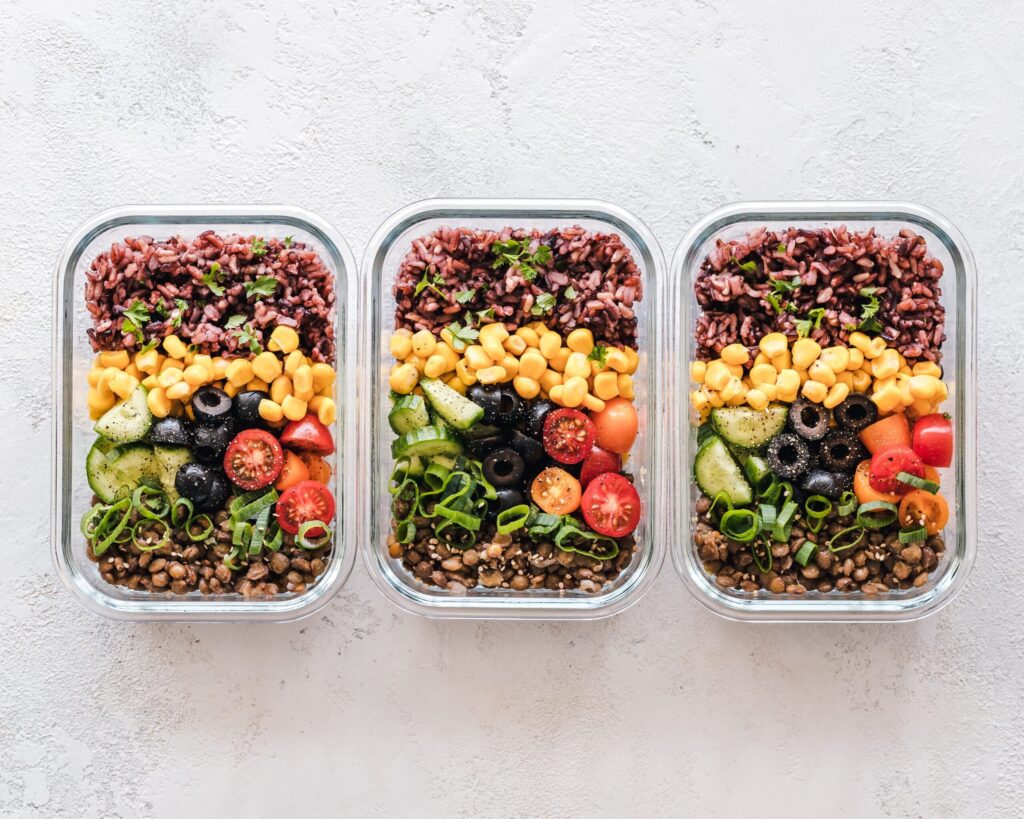
Switching to a vegetarian diet can bring health, environmental, and ethical benefits. However, it also requires careful planning to ensure nutritional adequacy and long-term sustainability. Below are 10 science-backed tips to help those considering vegetarianism make the transition in a healthy and informed way.
1. Understand Your Nutritional Needs
Before adopting a vegetarian diet, it is important to understand which nutrients require special attention. While plant-based diets provide abundant fiber, vitamins, and phytonutrients, they may lack certain key nutrients commonly found in animal products.
Focus Nutrients
- Protein: Essential for muscle repair and immune function. Plant sources include legumes, soy, nuts, seeds, and whole grains.
- Vitamin B12: Only naturally present in animal products. Deficiency can cause neurological issues. Supplementation is usually necessary.
- Iron: Plant-based iron (non-heme iron) is less bioavailable than heme iron from meat.
- Zinc: Required for cellular metabolism. Best plant sources include beans, lentils, pumpkin seeds, and fortified cereals.
- Omega-3 Fatty Acids: Important for brain and heart health. Found in flaxseeds, chia seeds, walnuts, and algae-based supplements.
Scientific studies consistently show that vegetarians can meet nutrient needs with careful planning, but supplementation may be required for B12 and omega-3 fatty acids (Craig, 2009).
2. Prioritize Protein Quality
Protein is not just about quantity; quality matters. Unlike animal proteins, many plant proteins are incomplete, meaning they lack one or more essential amino acids.
Strategies
- Complementary Proteins: Combine foods like rice and beans to create a complete amino acid profile.
- Soy and Quinoa: Both are complete proteins suitable for vegetarians.
- Dairy and Eggs (if included): Provide high-quality protein for lacto-ovo vegetarians.
Research shows that diverse plant-based diets easily provide sufficient protein when variety is emphasized (Gorissen & Witard, 2018).
3. Learn How to Boost Iron Absorption
Iron deficiency anemia is more common among vegetarians than omnivores due to reduced bioavailability of plant iron (Hunt, 2003).
Practical Tips
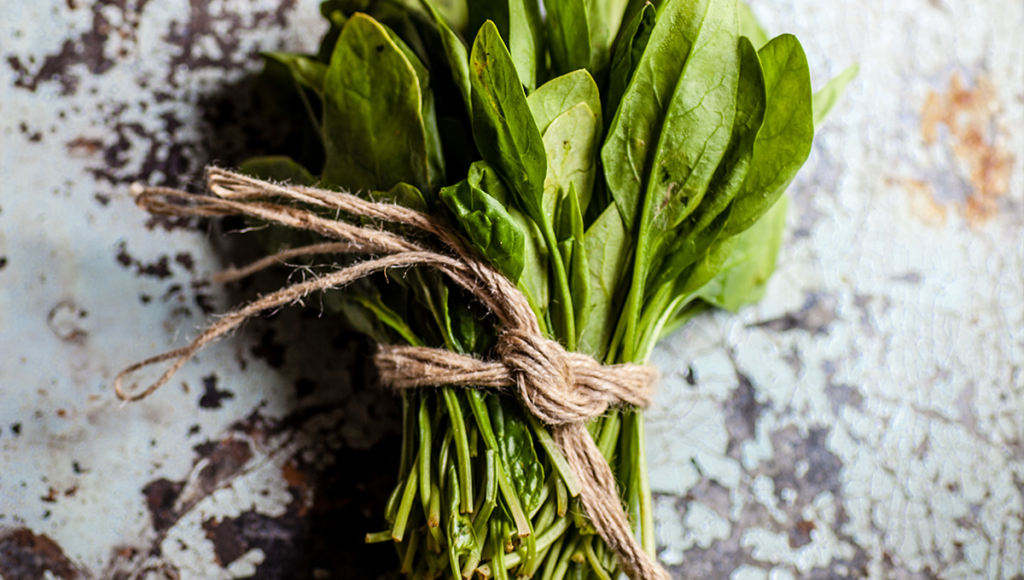
- Combine iron-rich foods (lentils, spinach, fortified cereals) with vitamin C sources (oranges, bell peppers) to enhance absorption.
- Avoid tea and coffee with meals, as polyphenols can inhibit iron uptake.
- Cook in cast iron pans to increase dietary iron content.
4. Supplement Wisely
A well-planned vegetarian diet minimizes deficiencies, but supplementation is often necessary.
Key Supplements
- Vitamin B12: Absolutely essential for vegetarians, as plants do not provide it.
- Vitamin D: Especially in regions with limited sunlight exposure.
- Omega-3 DHA/EPA: Algae-based supplements ensure adequate intake.
- Iron and Zinc: Only when deficiencies are diagnosed.
A systematic review found supplementation with B12 and omega-3s to be critical for long-term vegetarian health outcomes (Elorinne et al., 2016).
5. Diversify Protein and Food Sources
Relying on a narrow range of foods can lead to nutrient gaps. A diverse diet ensures better micronutrient coverage and reduces monotony.
Examples
- Rotate legumes: lentils, chickpeas, black beans.
- Incorporate nuts and seeds: pumpkin seeds, almonds, chia seeds.
- Explore whole grains: quinoa, amaranth, farro.
- Include fermented foods: tempeh, miso, kefir (if dairy is included).
Dietary diversity correlates with improved micronutrient adequacy and overall diet quality (Ruel, 2003).
6. Manage Energy Intake
Vegetarian diets are often lower in energy density, which can lead to unintentional calorie deficits, especially for active individuals.
Strategies
- Include calorie-dense foods such as nuts, seeds, avocados, and olive oil.
- Incorporate complex carbohydrates like whole grains and legumes for sustained energy.
- Monitor weight and energy levels during transition.
Studies show that vegetarians tend to have lower body mass index, but under-eating can impair performance and well-being (Tonstad et al., 2009).
7. Pay Attention to Calcium and Bone Health
Dairy provides a primary source of calcium for many. If avoiding dairy, alternative sources must be prioritized.
Sources
- Fortified plant milks (soy, almond, oat).
- Leafy greens such as kale and bok choy.
- Tofu made with calcium sulfate.
- Sesame seeds and tahini.
Calcium intake is directly associated with bone mineral density, particularly in vegetarian populations (Weikert et al., 2005).
8. Plan Meals Around Whole Foods, Not Processed Foods
Vegetarianism does not automatically mean a healthy diet. Highly processed vegetarian foods can be high in sodium, refined carbohydrates, and unhealthy fats.
Better Choices
- Whole fruits, vegetables, legumes, and grains.
- Home-cooked meals over packaged meat substitutes.
- Use minimally processed soy products like tempeh and tofu instead of heavily refined mock meats.
Evidence shows whole-food plant-based diets lower risks of chronic disease compared to diets high in processed foods (Satija et al., 2016).
9. Understand the Social and Practical Challenges
Going vegetarian extends beyond food—it often affects social dining, travel, and cultural settings.
Strategies
- Communicate dietary choices clearly in social situations.
- Research vegetarian-friendly restaurants and cuisines.
- Prepare snacks for travel to avoid reliance on poor-quality options.
Psychological studies suggest that social support improves adherence to vegetarian diets and reduces feelings of exclusion (Rosenfeld, 2019).
10. Transition Gradually for Long-Term Success
Sudden, drastic changes are harder to maintain. Gradual transitions allow time for adaptation and reduce the risk of nutritional errors.
Methods
- Start with “Meatless Mondays” and expand from there.
- Replace one meat-based meal a day with a vegetarian option.
- Experiment with new recipes before fully committing.
Behavioral research shows gradual transitions improve diet adherence compared to abrupt changes (Gardner et al., 2017).
Key Takeaways
| Tip | Key Point |
|---|---|
| 1 | Learn nutrient requirements before starting |
| 2 | Focus on protein quality and variety |
| 3 | Pair iron sources with vitamin C for better absorption |
| 4 | Supplement with B12, omega-3s, and vitamin D if needed |
| 5 | Diversify food sources for micronutrient adequacy |
| 6 | Ensure sufficient calorie intake, especially if active |
| 7 | Prioritize calcium for bone health |
| 8 | Emphasize whole foods over processed products |
| 9 | Plan for social and practical challenges |
| 10 | Transition gradually for sustainable success |
Bibliography
- Craig, W.J. (2009). Health effects of vegan diets. The American Journal of Clinical Nutrition, 89(5), 1627S–1633S.
- Elorinne, A.L., Alfthan, G., Erlund, I., Kivimäki, H., Paju, A., Salminen, I., Turpeinen, U. and Voutilainen, S. (2016). Food and nutrient intake and nutritional status of Finnish vegans and non-vegetarians. PLoS ONE, 11(2), e0148235.
- Gardner, C.D., Hartle, J.C., Garrett, R.D., Offringa, L.C. and Wasserman, A.S. (2017). Maximizing the intersection of human health and the health of the environment with regard to the amount and type of protein produced and consumed in the United States. Nutrition Reviews, 75(10), 749–764.
- Gorissen, S.H.M. and Witard, O.C. (2018). Characterising the muscle anabolic potential of dairy, meat and plant-based protein sources in older adults. Proceedings of the Nutrition Society, 77(1), 20–31.
- Hunt, J.R. (2003). Bioavailability of iron, zinc, and other trace minerals from vegetarian diets. The American Journal of Clinical Nutrition, 78(3), 633S–639S.
- Rosenfeld, D.L. (2019). The psychology of vegetarianism: Recent advances and future directions. Appetite, 131, 125–138.
- Ruel, M.T. (2003). Operationalizing dietary diversity: A review of measurement issues and research priorities. The Journal of Nutrition, 133(11), 3911S–3926S.
- Satija, A., Bhupathiraju, S.N., Rimm, E.B., Spiegelman, D., Chiuve, S.E., Borgi, L., Willett, W.C., Manson, J.E., Sun, Q. and Hu, F.B. (2016). Plant-based dietary patterns and incidence of type 2 diabetes in US men and women: Results from three prospective cohort studies. PLoS Medicine, 13(6), e1002039.
- Tonstad, S., Butler, T., Yan, R. and Fraser, G.E. (2009). Type of vegetarian diet, body weight, and prevalence of type 2 diabetes. Diabetes Care, 32(5), 791–796.
- Weikert, C., Walter, D., Hoffmann, K., Kroke, A., Bergmann, M.M. and Boeing, H. (2005). The relation between dietary protein, calcium and bone health in women: Results from the EPIC-Potsdam cohort. The American Journal of Clinical Nutrition, 82(4), 922–932.