The allure of a flat stomach is a common goal for many. The idea of lounging on the beach or by the pool with confidence in our appearance is undeniably appealing. However, achieving this coveted physique requires more than quick fixes or fad diets; it demands a comprehensive and sustainable approach.
The journey to a flat stomach is not solely about vanity or achieving an ideal body image—it’s about embracing a healthier lifestyle that benefits all aspects of our well-being. It involves understanding and responding to our body’s needs through a balanced diet, regular physical activity, and mindful lifestyle choices.
A holistic approach is key, focusing not only on the goal of reducing belly fat but also on enhancing overall health. This includes nourishing our body with the right nutrients, engaging in exercises that improve cardiovascular health and strengthen our core, and making lifestyle adjustments that support mental and emotional well-being.

Moreover, it’s essential to recognize that there’s no one-size-fits-all solution. Our bodies are unique, and what works for one person may not work for another. Thus, patience, perseverance, and a commitment to gradual, consistent changes are vital components of this journey.
In the following sections, we’ll delve into practical tips and strategies that can help you achieve a flat stomach by summer, emphasizing the importance of a holistic approach that integrates diet, exercise, and lifestyle modifications. Let’s embark on this journey together, with the goal of not only enhancing our physical appearance but also nurturing our overall health and happiness.
1. Hydration is Key
Staying well-hydrated is a cornerstone of health, playing a critical role in achieving a flat stomach.
Water is essential for nearly every bodily function, including digestion. It helps to keep the digestive system flowing, allowing your body to flush out toxins and waste more efficiently. Moreover, adequate hydration can significantly reduce bloating, a common hurdle on the path to a flat stomach.

When your body is dehydrated, it tends to hold onto water, leading to swelling and puffiness. By keeping yourself properly hydrated, you’re essentially telling your body it’s okay to let go of excess water, minimizing bloating.
The Benefits of Drinking Water for Digestion and Reducing Bloat
Enhances Digestive Efficiency: Water helps to break down food, allowing your body to absorb nutrients more effectively. It also aids in preventing constipation, which can cause bloating and discomfort.
Reduces Water Retention: Regular water intake helps maintain the balance of bodily fluids, reducing unnecessary water retention and bloating.
Tips for Incorporating More Water Into Your Day
Start Your Day with Water: Begin each morning with a glass of water to kickstart your hydration.
Carry a Reusable Water Bottle: Having a water bottle on hand makes it easier to drink water throughout the day, whether you’re at home, work, or on the go.
Set Reminders: In our busy lives, it’s easy to forget to drink water. Setting reminders on your phone or computer can help maintain consistent water intake.
Flavor Your Water: If you find plain water unappealing, add a splash of natural flavor with slices of lemon, lime, cucumber, or berries.
Eat Water-Rich Foods: Consuming fruits and vegetables with high water content, such as watermelon, cucumber, and oranges, can also help boost your hydration levels.
Hydrate Before, During, and After Exercise: Replace fluids lost through sweat during workouts by drinking water before, sipping it during, and refilling after your exercise session.
Achieving optimal hydration is a simple yet effective step towards a flat stomach for summer. It not only aids in digestion and reducing bloat but also supports overall health and well-being. Make water your beverage of choice, and you’ll be well on your way to looking and feeling your best in the warmer months ahead.
2. Incorporate High-Fiber Foods
In the quest for a flat stomach, the role of dietary fiber cannot be overstated. Fiber, found in various plant foods, is a powerhouse nutrient that supports digestive health, aids in weight management, and can significantly reduce bloating.
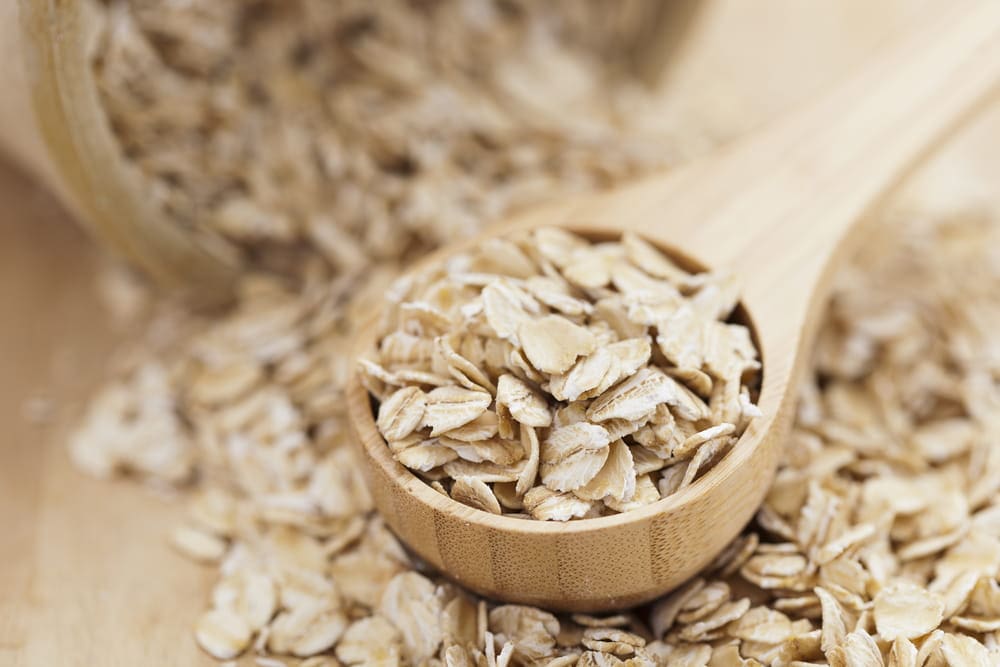
Unlike other food components, fiber is not digested by your body. Instead, it passes relatively intact through your stomach, small intestine, and colon, and out of your body, aiding in the elimination process and helping to keep your digestive system running smoothly.
How Fiber Helps with Digestion and Can Prevent Bloating
Supports Digestive Health: Fiber adds bulk to your stool, which helps to regulate bowel movements and prevent constipation, a common cause of bloating.
Controls Blood Sugar Levels: By slowing the absorption of sugar, high-fiber foods help prevent spikes in blood glucose, which can affect your weight and belly fat.
Promotes Satiety: High-fiber foods are more filling, which can help control appetite and prevent overeating, contributing to a flatter stomach.
Examples of High-Fiber Foods to Include in Meals
Vegetables: Incorporate a variety of vegetables into your diet, such as broccoli, carrots, and Brussels sprouts. These are not only rich in fiber but also packed with nutrients.
Fruits: Opt for fiber-rich fruits like berries, apples (with the skin), and pears. These sweet options can satisfy sugar cravings naturally while contributing to your fiber intake.
Legumes: Beans, lentils, and peas are excellent sources of fiber. They can be added to salads, soups, and stews for an extra fiber boost.
Whole Grains: Swap out refined grains for whole grains like quinoa, oats, and whole wheat. These contain the entire grain, including the fiber-rich outer layer.
Nuts and Seeds: Almonds, chia seeds, and flaxseeds are not only high in fiber but also healthy fats and protein, making them a great snack option or addition to meals.
When incorporating high-fiber foods into your diet, it’s important to increase your intake gradually to give your body time to adjust, and ensure you’re drinking plenty of water. This combination will help to maximize the benefits of fiber for digestion and reduce the risk of bloating. By making high-fiber foods a staple in your diet, you’ll be well on your way to achieving a flat stomach for summer, while also nurturing your overall digestive health.
3. Limit Salt Intake
While salt is an essential nutrient for the human body, playing a crucial role in nerve function and muscle contraction, excessive consumption can have adverse effects, particularly when it comes to achieving a flat stomach.

Salt, or sodium chloride, can cause the body to retain water, leading to bloating and a less-than-desirable swollen appearance. This water retention is the body’s way of diluting the high levels of salt. Understanding how to manage salt intake can significantly impact your journey toward a flatter abdomen.
How Excessive Salt Consumption Leads to Water Retention and Bloating
Water Retention: Sodium holds onto water in the body. High salt intake means your body retains more water, which can lead to bloating and puffiness, especially around the abdominal area.
Increased Blood Pressure: Over time, excessive salt consumption can lead to higher blood pressure, as the extra water in the body puts more strain on the blood vessels.
Affects Digestive Health: High salt intake can disrupt the balance of your digestive system, potentially leading to bloating and other gastrointestinal issues.
Alternatives for Flavoring Food Without Adding Salt
Reducing salt does not mean your meals have to be bland. There are numerous ways to add flavor to your food without reaching for the salt shaker:
- Herbs and Spices: Fresh or dried herbs like basil, parsley, rosemary, and spices such as cumin, paprika, and turmeric can add a wealth of flavor to dishes without adding sodium.
- Citrus Juice and Zest: Lemon, lime, and orange juice and zest can brighten up your meals, adding a fresh and zesty flavor that replaces the need for salt.
- Vinegar: Balsamic, red wine, apple cider, and rice vinegar can add acidity and complexity to dishes, enhancing flavors similarly to salt.
- Garlic and Onion: Fresh, powdered, or granulated garlic and onion provide a robust flavor foundation for many recipes, from soups to sautés.
- Nutritional Yeast: Offering a cheesy flavor, nutritional yeast is a fantastic salt-free addition to popcorn, pasta, and salads.
- Seaweed: With its natural salty taste, seaweed is a great salt alternative, especially in soups and salads.
- Spice Blends: Look for or make your own salt-free spice blends. A combination of various spices and herbs can create a depth of flavor that surpasses the need for salt.
Incorporating these alternatives into your cooking can significantly reduce your salt intake, helping to decrease bloating and water retention for a flatter stomach.
Remember, the key to reducing salt consumption is not only about avoiding the salt shaker but also being mindful of the high sodium content in processed foods. Opting for fresh, whole foods whenever possible is another effective strategy to keep your sodium intake in check.
4. Focus on Whole Foods
In the pursuit of a flat stomach and overall wellness, the quality of the food you eat is just as important as the quantity. Whole, unprocessed foods are packed with the nutrients your body needs to function optimally, without the added sugars, salts, and fats often found in processed foods. By prioritizing whole foods in your diet, you’re likely to see not just improvements in your waistline but in your overall health as well.

Benefits of Eating Whole, Unprocessed Foods
- Rich in Nutrients: Whole foods are naturally rich in essential nutrients like vitamins, minerals, fiber, and antioxidants that your body needs for optimal health.
- Natural Portion Control: Whole foods are more filling due to their higher fiber and water content, which can help in managing calorie intake and promoting weight loss.
- Supports Digestive Health: The fiber in whole foods aids digestion, helps prevent constipation, and can reduce bloating, contributing to a flatter stomach.
- Reduces Cravings: The natural sugars in whole foods are released slowly into the bloodstream, helping to stabilize blood sugar levels and reduce cravings for sugary snacks.
Suggestions for Simple Swaps to Reduce Processed Food Intake
Choose Whole Grains: Swap white bread, pasta, and rice for their whole-grain counterparts like whole wheat bread, whole grain pasta, and brown or wild rice. These contain more fiber and nutrients.
Snack on Whole Fruits and Nuts: Instead of reaching for chips or cookies, choose whole fruits, raw nuts, or seeds. These snacks are nutrient-dense and provide healthy fats and fibers.
Make Your Own Meals: Preparing meals at home allows you to control what goes into your food. Start with simple recipes that require minimal ingredients, focusing on vegetables, lean proteins, and whole grains.
Opt for Fresh or Frozen Vegetables: Instead of canned vegetables, which often contain added salt, choose fresh or frozen varieties to boost your nutrient intake without the extra sodium.
Read Labels: When purchasing packaged foods, read the labels. Look for products with a short list of recognizable ingredients, indicating minimal processing.
Drink Water or Herbal Tea: Replace sugary drinks, sodas, and juices with water or herbal teas. This not only reduces your sugar intake but also helps in hydration.
Incorporating more whole foods into your diet is a straightforward strategy for achieving a flat stomach and enhancing your health. Start with small changes, such as making one meal a day completely whole-food-based, and gradually build from there. As you reduce your intake of processed foods, you may notice not just a change in your physical appearance but also an increase in your energy levels and an overall sense of well-being.
5. Engage in Cardiovascular Exercise
Cardiovascular exercise, often simply called cardio, is an integral part of any strategy aimed at achieving a flat stomach.
By raising your heart rate and increasing your body’s energy expenditure, cardio helps burn calories and reduce body fat, including the stubborn fat around your midsection known as visceral fat. This type of fat is not only unsightly but also dangerous, as it wraps around your internal organs and is linked to various health problems like heart disease and diabetes.
How Regular Cardio Helps Burn Belly Fat
Increases Calorie Burn: Cardio exercises increase your heart rate, which in turn boosts the number of calories your body burns. Consistently burning more calories than you consume can lead to weight loss and reduction of belly fat.

Improves Metabolism: Engaging in regular cardiovascular activity can enhance your metabolic rate not just during the activity, but also for hours afterwards, a phenomenon known as the afterburn effect or excess post-exercise oxygen consumption (EPOC).
Targets Visceral Fat: Studies have shown that aerobic exercises are particularly effective at combating visceral fat, helping to reduce waist circumference and improve health outcomes.
Examples of Effective Cardio Exercises for All Fitness Levels
Walking: An accessible form of cardio for most people, walking can be easily incorporated into your daily routine. To maximize its benefits, aim for brisk walks and gradually increase your pace and distance over time.
Jogging or Running: A step up from walking, jogging, and running are excellent ways to burn calories and reduce belly fat. Start with short distances and slowly build up your endurance.
Cycling: Whether on a stationary bike or outdoors, cycling is a low-impact cardio exercise that can significantly increase your heart rate and calorie expenditure.
Swimming: A full-body workout, swimming not only burns a considerable number of calories but also builds muscle. It’s especially beneficial for those looking for a low-impact option due to joint issues.
High-Intensity Interval Training (HIIT): HIIT involves short bursts of intense exercise followed by periods of rest or lower-intensity exercise. It’s highly efficient at burning fat in a shorter period and can be adapted to many types of activities.
Jump Rope: Jumping rope is a high-intensity exercise that improves cardiovascular endurance and coordination while burning calories. It’s inexpensive, portable, and can be done almost anywhere.
Dance: Dance classes or dance-based workout videos can make cardio fun and engaging, offering both physical and mental health benefits.
To achieve the best results, aim for at least 150 minutes of moderate-intensity or 75 minutes of high-intensity cardiovascular exercise per week, as recommended by health organizations. Remember, consistency is key when it comes to exercise. Find activities you enjoy, and make them a regular part of your lifestyle to help achieve and maintain a flat stomach.
6. Strength Training and Core Exercises
While cardiovascular exercise plays a crucial role in burning belly fat, strength training is equally important for sculpting a flat stomach and boosting overall metabolism. Incorporating muscle-building exercises into your routine not only helps in developing a toned abdomen but also increases your resting metabolic rate, meaning you’ll burn more calories even when you’re not working out.
The Role of Muscle-Building in Increasing Metabolism and Sculpting the Abdomen
Boosts Metabolism: Muscle tissue burns more calories at rest than fat tissue. By increasing your muscle mass through strength training, you enhance your body’s ability to burn calories, aiding in fat loss and weight management.
Enhances Body Composition: Strength training helps build muscle and reduce body fat. A higher muscle-to-fat ratio leads to a more defined and sculpted abdominal area.

Improves Core Strength: Core exercises target the muscles around your trunk and pelvis, including your abs, back, and sides. A strong core not only gives you a flat stomach but also improves posture, stability, and athletic performance.
To effectively sculpt your abdomen and increase metabolism, incorporate a balanced mix of general strength training and core-focused exercises into your routine:
General Strength Training Routines:
- Squats: Works the lower body and core.
- Deadlifts: Targets the back, glutes, and hamstrings, engaging the core for stability.
- Push-ups: Strengthens the chest, shoulders, triceps, and core muscles.
- Pull-ups or Lat Pull-downs: Focuses on the back and biceps while engaging the core.
- Plank Rows: Combines a plank with a rowing motion to work the core and upper body.
Incorporate these exercises into your routine 2-3 times per week, focusing on different muscle groups each session to allow for recovery.
Core-Specific Exercises:
- Planks: A foundational core exercise that strengthens the entire abdominal region.
- Russian Twists: Targets the obliques and helps in achieving a toned waistline.
- Leg Raises: Strengthens the lower abdomen.
- Mountain Climbers: A dynamic exercise that boosts heart rate while targeting the core.
- Bicycle Crunches: Engages the deep abdominal muscles and the obliques.
For core exercises, aim for short, concentrated sessions 2-3 times per week. Quality is more important than quantity; focus on maintaining proper form and engaging your core muscles throughout each exercise.
By combining general strength training with core-specific exercises, you not only enhance your metabolism and reduce belly fat but also work towards a strong, sculpted abdomen.
Remember, consistency and progression are key. Gradually increase the intensity and complexity of your workouts as you become stronger to continue challenging your muscles and stimulating growth.
7. Practice Mindful Eating
Mindful eating is a practice rooted in mindfulness, a form of meditation that involves paying full attention to the present moment. When applied to eating, it means being fully aware of the experience of eating and drinking, both inside and outside the body.
Mindful eating focuses on listening to your body’s hunger and satiety cues rather than emotional or habitual eating patterns. This approach can transform your relationship with food, leading to improved digestion, weight management, and a deeper enjoyment of meals.
Benefits of Mindful Eating for Weight Management
Enhances Satiety: Mindful eating encourages slower eating, which can help you better recognize your body’s fullness signals, reducing the likelihood of overeating.
Reduces Emotional Eating: By becoming more aware of your eating habits, you can learn to distinguish between true hunger and emotional or boredom-driven eating, leading to healthier food choices.

Improves Digestion: Eating slowly and chewing thoroughly as part of mindful eating can improve digestion and reduce issues like bloating and discomfort.
Promotes Enjoyment of Food: Focusing on the taste, texture, and aroma of food enhances the dining experience, making it more satisfying even with smaller portions.
Tips for Implementing Mindful Eating Practices in Daily Life
Eat Without Distractions: Avoid eating while watching TV, working, or using your phone. Distractions prevent you from fully experiencing your meal and recognizing when you’re full.
Listen to Your Body: Before eating, ask yourself if you’re truly hungry. Learn to recognize physical hunger cues and differentiate them from emotional hunger.
Start with Small Portions: You can always get more if you’re still hungry, but starting with smaller portions encourages mindful assessment of your hunger and fullness levels.
Chew Thoroughly: Take the time to chew each bite thoroughly, savoring the flavors and textures. This not only aids digestion but also slows down your eating pace.
Put Down Your Utensils Between Bites: This simple act can help slow down your eating pace, allowing you to check in with your hunger and fullness signals.
Appreciate Your Food: Take a moment to express gratitude for your meal. This can enhance your eating experience and promote a positive relationship with food.
Keep a Food Diary: Writing down what you eat, when, and how you felt before and after eating can help you identify patterns and triggers for mindless eating.
Implementing mindful eating practices can lead to lasting changes in your eating habits and attitudes toward food. It’s a gentle approach that emphasizes compassion for oneself and can lead to a healthier body weight, improved digestion, and an increased appreciation for the joy of eating. Start small, incorporating one or two practices at a time, and observe how they influence your relationship with food and your path to a flat stomach for the summer.
8. Reduce Stress Levels
Stress is an inevitable part of life, but its impact on our health, particularly our weight and abdominal fat, can be profound.
Chronic stress triggers the body’s release of cortisol, a hormone designed to help you cope with threats by increasing energy through elevated blood sugar levels. While beneficial in short bursts, prolonged elevated cortisol levels can lead to increased appetite, cravings for sugary or fatty foods, and a higher tendency for fat to be stored in the abdominal area.
Understanding the connection between stress, cortisol, and weight gain is crucial in managing stress for a healthier body and mind.
The Link Between Stress, Cortisol Levels, and Abdominal Fat
Increased Appetite and Cravings: Chronic stress can make you more likely to seek comfort in food, particularly high-calorie, sweet, or fatty foods, contributing to weight gain.
Altered Fat Storage: High cortisol levels are associated with greater fat storage in the abdomen, where it poses a greater health risk by surrounding vital organs.
Impacts on Metabolism: Stress can slow down your metabolism, making it harder to lose weight even when you’re eating well and exercising.
Stress-Reduction Techniques That Can Help with Weight Management
Regular Exercise: Physical activity is a powerful stress reliever. Activities like yoga, walking, or any form of exercise that you enjoy can significantly reduce stress levels.
Mindfulness and Meditation: Practices such as meditation, deep breathing exercises, and mindfulness can help lower cortisol levels, reducing the urge to eat in response to stress.
Adequate Sleep: Poor sleep can exacerbate stress, while good sleep helps regulate cortisol levels. Aim for 7-9 hours of quality sleep per night.
Healthy Eating Habits: A balanced diet can counter the effects of stress by stabilizing blood sugar levels. Focus on whole foods rich in nutrients and avoid excessive caffeine and sugar.
Social Support: Spending time with friends and family or joining support groups can provide emotional support and reduce stress.
Time Management: Organizing your schedule, setting priorities, and learning to say no can help manage your stress levels by preventing overcommitment.
Hobbies and Interests: Engage in activities that bring you joy and relaxation, whether it’s reading, gardening, painting, or any hobby that takes your mind off stressors.
Reducing stress is not just about managing your mental health; it’s also a critical component of achieving and maintaining a flat stomach and overall wellness. By incorporating these stress-reduction techniques into your daily routine, you can lower cortisol levels, minimize stress-related eating, and create a more favorable environment for weight loss and health. Remember, the goal is not to eliminate stress entirely—that’s an unrealistic aim—but to manage it effectively so it doesn’t derail your health and fitness goals.
9. Ensure Adequate Sleep
Sleep plays a vital role in maintaining optimal health, influencing everything from cognitive function to metabolic processes. Its effect on weight management and metabolism is particularly significant.
Adequate sleep helps regulate the hormones that control appetite, with sleep deprivation linked to increased hunger and a preference for high-calorie foods.

Furthermore, a lack of sleep can slow down your metabolism and reduce your body’s ability to burn fat, making it harder to achieve a flat stomach.
Improving Sleep Quality and Establishing a Healthy Sleep Routine
- Set a Regular Sleep Schedule: Go to bed and wake up at the same time every day, even on weekends, to regulate your body’s internal clock.
- Create a Restful Environment: Ensure your bedroom is cool, quiet, and dark. Consider using earplugs, eye shades, or white noise machines if necessary.
- Limit Screen Time Before Bed: The blue light from screens can interfere with your ability to fall asleep. Try to avoid electronic devices for at least an hour before bedtime.
- Avoid Stimulants: Limit caffeine and nicotine, especially in the hours leading up to bedtime, as they can disrupt sleep.
- Wind Down: Develop a pre-sleep routine to relax your mind and body, such as reading, taking a warm bath, or practicing relaxation exercises.
10. Be Consistent and Patient
Achieving a flat stomach for summer is a journey that requires consistency in your diet and exercise routines. The body needs time to adapt to changes, and overnight success is rare. Consistency means sticking to your healthy habits even when progress seems slow.
Importance of Consistency in Diet and Exercise Routines
- Set Realistic Goals: Break your main goal into smaller, manageable milestones to keep motivated.
- Track Your Progress: Keep a journal of your diet, exercise, and measurements to see how far you’ve come and adjust as needed.
- Stay Flexible: Be prepared to adapt your routine if something isn’t working. Flexibility is key to finding what works best for your body.
Setting Realistic Goals for Sustainable Weight Loss
- Everyone has off days. What matters is getting back on track without being too hard on yourself.
- Recognize and reward yourself for meeting small goals along the way to keep motivation high.
Conclusion
Achieving a flat stomach is about more than just aesthetics; it’s about making sustainable lifestyle changes that enhance your overall health.
By focusing on hydration, incorporating high-fiber foods, limiting salt intake, emphasizing whole foods, engaging in both cardio and strength training, practicing mindful eating, reducing stress levels, ensuring adequate sleep, and maintaining consistency and patience, you’re not just working towards a flat stomach—you’re building a foundation for lifelong health.
Let this be the summer you not only achieve your fitness goals but also embrace a healthier lifestyle. With dedication, patience, and a positive mindset, you can make significant changes that last beyond the summer months. Start implementing these tips today, and take the first step towards a healthier, happier you.