Achieving a more attractive physique is not just about aesthetics; it’s about improving your health, functionality, and confidence. Science offers us actionable insights on how to optimize our body composition, posture, and appearance through targeted changes in training, nutrition, and lifestyle.
Below are ten evidence-backed strategies to help you reach your physique goals with precision and effectiveness.
1. Focus on Resistance Training to Build Muscle
Resistance training, including weightlifting and bodyweight exercises, is the cornerstone of building a lean, muscular physique. Numerous studies have shown that resistance training leads to hypertrophy, increased metabolic rate, and improved insulin sensitivity. A meta-analysis by Schoenfeld et al. (2017) found that training each muscle group twice a week yields optimal hypertrophic gains.
Compound movements such as squats, deadlifts, presses, and pulls should form the foundation of any training program, as they recruit multiple muscle groups and maximize hormonal response.
2. Prioritize Protein Intake for Muscle Growth and Fat Loss
Adequate protein intake supports muscle repair, growth, and satiety. A systematic review by Morton et al. (2018) concluded that consuming around 1.6 to 2.2 grams of protein per kilogram of body weight per day is optimal for muscle hypertrophy when combined with resistance training.

Furthermore, protein has a high thermic effect, meaning it requires more energy for digestion and absorption, contributing to a greater caloric burn.
3. Implement Progressive Overload
Progressive overload is the gradual increase in stress placed on the body during training. Without it, muscle adaptation plateaus. A study by Rhea et al. (2003) highlighted that increasing volume or intensity systematically results in continued strength and muscle gains. This can be achieved by increasing weight, reps, sets, or reducing rest time between sets.
4. Optimize Sleep for Recovery and Hormonal Health
Sleep plays a vital role in muscle recovery, hormone regulation, and fat metabolism. Research by Walker (2017) shows that inadequate sleep impairs growth hormone secretion and increases cortisol levels, both of which are detrimental to muscle growth and fat loss. Aim for 7 to 9 hours of quality sleep per night to optimize recovery and body composition.
5. Manage Body Fat Through Sustainable Caloric Deficits
While building muscle is essential, reducing excess body fat enhances muscle definition and overall appearance. A moderate caloric deficit (10-20% below maintenance) is more sustainable and preserves lean mass. A study by Garthe et al. (2011) showed that athletes who lost weight more gradually retained more lean body mass compared to those with aggressive caloric deficits.
6. Incorporate High-Intensity Interval Training (HIIT)
HIIT involves short bursts of intense activity followed by rest or low-intensity periods. It is highly effective for fat loss while preserving muscle.
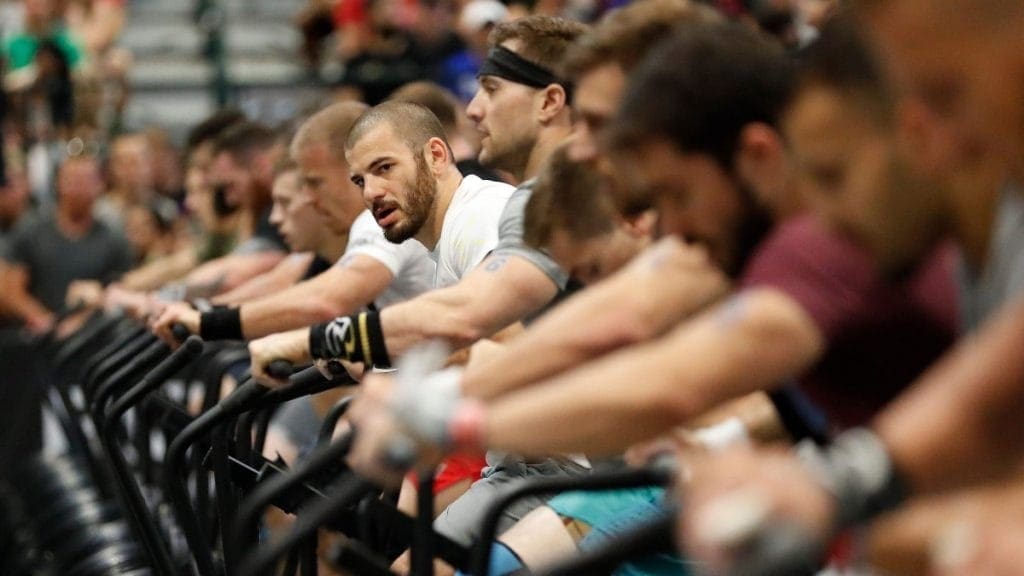
A review by Weston et al. (2014) concluded that HIIT significantly improves cardiovascular fitness and reduces body fat, often outperforming steady-state cardio in terms of time efficiency.
7. Improve Posture to Enhance Physical Presence
Good posture not only prevents injuries but also improves physical appearance by elongating the body and making muscles more prominent. A study by Kuo et al. (2019) indicated that postural correction exercises improved shoulder and spine alignment, contributing to a more upright and confident stance. Regular mobility work and core strengthening can aid posture enhancement.
8. Stay Hydrated for Muscle Function and Aesthetic
Water is crucial for maintaining muscle fullness, optimizing performance, and supporting metabolic processes. A study by Judelson et al. (2007) found that dehydration impairs muscular strength and anaerobic performance. Aim for at least 3 liters of water daily, adjusting based on activity level and environment.
9. Use Strategic Nutrient Timing
While total daily intake is paramount, nutrient timing can enhance performance and recovery. Research by Aragon and Schoenfeld (2013) supports consuming protein and carbohydrates within two hours post-workout to stimulate muscle protein synthesis and replenish glycogen stores. Pre-workout nutrition, including carbs and amino acids, also boosts training output.
10. Track Progress with Objective Metrics
Subjective evaluation often leads to misjudgment. Use measurable tools such as progress photos, body composition scans, strength logs, and tape measurements to assess improvements. A study by Brawley et al. (2000) demonstrated that individuals who tracked their progress were more likely to adhere to fitness routines and achieve body transformation goals.
References
Aragon, A.A. and Schoenfeld, B.J., 2013. Nutrient timing revisited: is there a post-exercise anabolic window?. Journal of the International Society of Sports Nutrition, 10(1), pp.1-11.
Brawley, L.R., Rejeski, W.J. and King, A.C., 2000. Promoting physical activity for older adults: the challenges for changing behavior. American Journal of Preventive Medicine, 19(3), pp.212-217.
Garthe, I., Raastad, T., Refsnes, P.E., Koivisto, A. and Sundgot-Borgen, J., 2011. Effect of two different weight-loss rates on body composition and strength and power-related performance in elite athletes. International Journal of Sport Nutrition and Exercise Metabolism, 21(2), pp.97-104.
Judelson, D.A., Maresh, C.M., Anderson, J.M., Armstrong, L.E., Casa, D.J., Kraemer, W.J. and Volek, J.S., 2007. Hydration and muscular performance: does fluid balance affect strength, power and high-intensity endurance?. Sports Medicine, 37(10), pp.907-921.
Kuo, Y.L., Tully, E.A., Galea, M.P., 2019. Sagittal spinal posture after spinal extension exercise: a randomized controlled trial. Physical Therapy, 99(8), pp.1020-1029.
Morton, R.W., Murphy, K.T., McKellar, S.R., Schoenfeld, B.J., Henselmans, M., Helms, E., Aragon, A.A., Devries, M.C., Banfield, L. and Krieger, J.W., Phillips, S.M., 2018. A systematic review, meta-analysis and meta-regression of the effect of protein supplementation on resistance training-induced gains in muscle mass and strength in healthy adults. British Journal of Sports Medicine, 52(6), pp.376-384.
Rhea, M.R., Alvar, B.A., Burkett, L.N. and Ball, S.D., 2003. A meta-analysis to determine the dose response for strength development. Medicine and Science in Sports and Exercise, 35(3), pp.456-464.
Schoenfeld, B.J., Ogborn, D. and Krieger, J.W., 2017. Dose-response relationship between weekly resistance training volume and increases in muscle mass: A systematic review and meta-analysis. Journal of Sports Sciences, 35(11), pp.1073-1082.
Walker, M.P., 2017. Why We Sleep: Unlocking the Power of Sleep and Dreams. Scribner.
Weston, K.S., Wisløff, U. and Coombes, J.S., 2014. High-intensity interval training in patients with lifestyle-induced cardiometabolic disease: a systematic review and meta-analysis. British Journal of Sports Medicine, 48(16), pp.1227-1234.