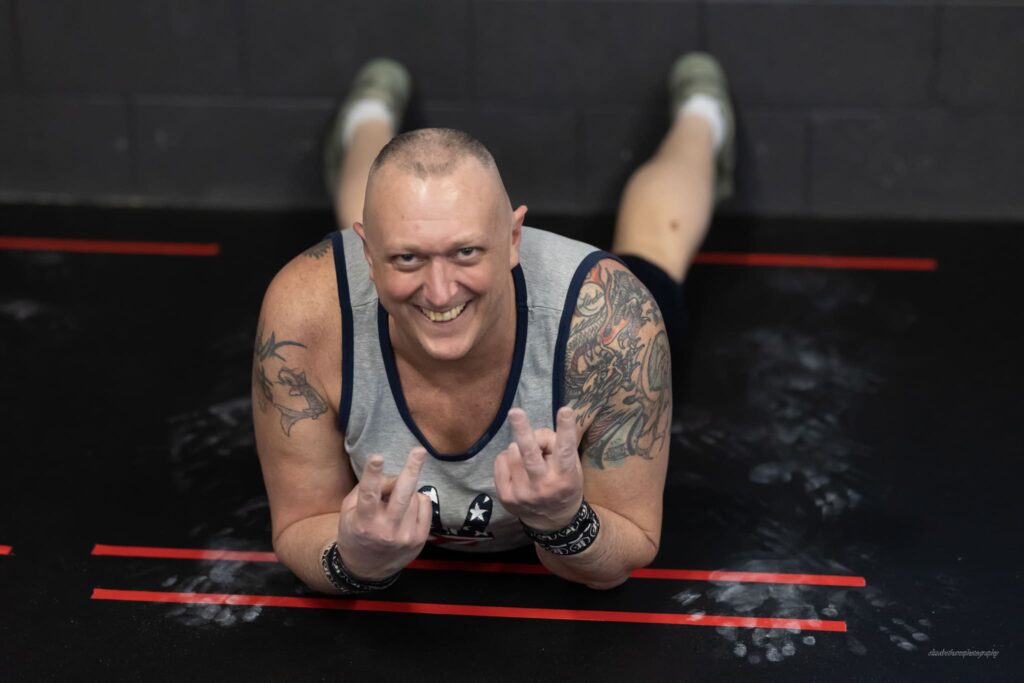
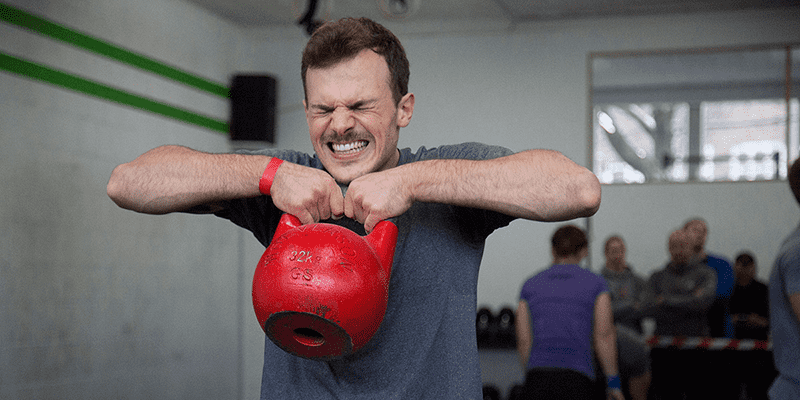
Strength training after 50 is not just safe—it’s essential. From preserving muscle mass and bone density to improving metabolic health and cognitive function, the benefits are extensive. However, training strategies must be adapted to suit the needs of the aging body.
[wpcode id=”229888″]The tips below are designed to help individuals aged 50 and older train effectively, safely, and scientifically.
1. Prioritize Compound Movements
Compound exercises such as squats, deadlifts, rows, and presses engage multiple muscle groups and joints, which leads to greater strength development and functional carryover. These exercises improve coordination, balance, and core stability.
A study published in the Journal of Strength and Conditioning Research found that compound movements result in superior hormonal responses compared to isolation exercises, particularly testosterone and growth hormone release, which decline with age (Kraemer et al., 1999).
2. Focus on Muscle Mass Preservation (Hypertrophy)
Sarcopenia, or age-related muscle loss, begins as early as age 30 and accelerates after 50. Resistance training is the most effective countermeasure.
A meta-analysis in the Journal of Cachexia, Sarcopenia and Muscle concluded that progressive resistance training leads to significant gains in muscle mass and strength among older adults (Peterson et al., 2010). Training with moderate to heavy loads (60–80% of 1RM) and targeting all major muscle groups at least twice per week is optimal.
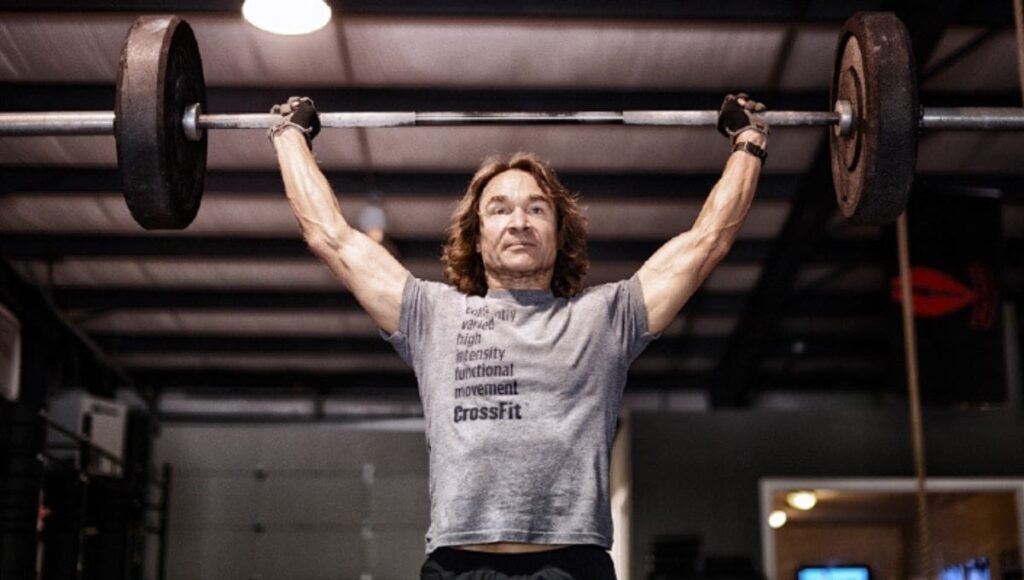
3. Don’t Avoid Heavy Weights
Many older adults avoid lifting heavier weights out of fear of injury. However, using challenging loads within proper form is critical for stimulating bone density and neuromuscular adaptation.
A study in Osteoporosis International showed that high-intensity resistance training improved bone mineral density, strength, and functional performance in women over 60 without increasing injury risk (Watson et al., 2018).
4. Respect Recovery Needs
Recovery becomes increasingly important with age due to slower tissue regeneration and hormonal shifts. While younger lifters may recover from intense sessions within 24–48 hours, older adults often require 48–72 hours.
Adequate sleep, hydration, nutrition, and managing cumulative training stress are essential. Periodization strategies such as deload weeks and alternating intensity can help prevent overtraining.
5. Incorporate Power and Speed Training
Fast-twitch muscle fibers decline more rapidly than slow-twitch fibers with aging, impacting reaction time and fall prevention. Incorporating power exercises such as kettlebell swings, medicine ball slams, and speed squats can mitigate these losses. A study in the European Review of Aging and Physical Activity demonstrated that power training led to greater improvements in functional performance than traditional strength training in older adults (Reid & Fielding, 2012).
6. Mobility and Warm-Up Are Non-Negotiable
Joint stiffness, reduced synovial fluid, and connective tissue degradation become more prevalent with age. Prioritizing mobility drills and dynamic warm-ups prepares joints and muscles for load. Targeting thoracic spine rotation, hip mobility, and ankle dorsiflexion is especially important. Research in the Journal of Aging and Physical Activity supports that dynamic stretching before resistance training improves performance and reduces injury risk (Behm et al., 2016).
7. Mind-Muscle Connection Matters More
Neuromuscular efficiency diminishes with age. Focusing on the mind-muscle connection during training helps recruit the correct muscle fibers and enhances motor unit synchronization. A study published in Neurobiology of Aging found that older adults benefit significantly from intentional cueing to increase voluntary activation of muscles (Clark et al., 2013). Using controlled tempos and focusing on form enhances this effect.
8. Individualization Is Critical
Older adults present a wide spectrum of mobility, health history, training background, and goals. A one-size-fits-all program is ineffective and potentially harmful. Exercise selection and progression should consider pre-existing conditions like osteoarthritis, hypertension, or joint replacements. The American College of Sports Medicine recommends individualized programming based on a thorough assessment (ACSM, 2014).
9. Nutrition Supports Training Outcomes
Protein intake becomes more critical with age to combat anabolic resistance. Older adults require higher relative protein intake (1.2–1.6g/kg/day) to stimulate muscle protein synthesis, especially in conjunction with resistance training. A study in the American Journal of Clinical Nutrition confirmed that increased protein intake post-training leads to greater hypertrophy in older subjects (Yang et al., 2012). Creatine and vitamin D supplementation also show evidence in supporting strength gains and recovery.
10. Train for Function and Independence
The ultimate goal of strength training at 50+ should be maintaining independence and quality of life. Exercises that mimic daily activities (e.g., step-ups, carries, sit-to-stands) build real-world strength. A randomized controlled trial published in the Archives of Physical Medicine and Rehabilitation showed that functional resistance training improved gait speed, balance, and fall risk reduction more than traditional machine-based training (Liu & Latham, 2009).
Bibliography
American College of Sports Medicine (2014). ‘Exercise and Physical Activity for Older Adults’. Medicine & Science in Sports & Exercise, 46(4), pp. 709-731.
Behm, D.G., Blazevich, A.J., Kay, A.D. and McHugh, M. (2016). ‘Acute Effects of Muscle Stretching on Physical Performance, Range of Motion, and Injury Incidence in Healthy Active Individuals: A Systematic Review’. Journal of Aging and Physical Activity, 24(1), pp. 1-12.
Clark, B.C., Manini, T.M., Bolanowski, S.J. and Ploutz-Snyder, L.L. (2013). ‘Adaptations in human neuromuscular function with aging’. Neurobiology of Aging, 34(4), pp. 1094-1104.
Kraemer, W.J., Volek, J.S., Bush, J.A., Putukian, M. and Sebastianelli, W.J. (1999). ‘Hormonal responses to consecutive days of heavy-resistance exercise with or without nutritional supplementation’. Journal of Strength and Conditioning Research, 13(3), pp. 273-282.
Liu, C.J. and Latham, N.K. (2009). ‘Progressive resistance strength training for improving physical function in older adults’. Archives of Physical Medicine and Rehabilitation, 90(3), pp. 389-397.
Peterson, M.D., Rhea, M.R. and Sen, A. (2010). ‘Resistance exercise for muscular strength in older adults: a meta-analysis’. Journal of Cachexia, Sarcopenia and Muscle, 1(3), pp. 160-169.
Reid, K.F. and Fielding, R.A. (2012). ‘Skeletal muscle power: a critical determinant of physical functioning in older adults’. European Review of Aging and Physical Activity, 9(1), pp. 19-24.
Watson, S.L., Weeks, B.K., Weis, L.J., Harding, A.T., Horan, S.A. and Beck, B.R. (2018). ‘Heavy resistance training is safe and improves bone, function, and stature in postmenopausal women with low to very low bone mass: novel early findings from the LIFTMOR trial’. Osteoporosis International, 29(2), pp. 543-551.
Yang, Y., Breen, L., Burd, N.A., Hector, A.J., Churchward-Venne, T.A., Josse, A.R., Tarnopolsky, M.A. and Phillips, S.M. (2012). ‘Resistance exercise enhances myofibrillar protein synthesis with graded intakes of whey protein in older men’. American Journal of Clinical Nutrition, 96(2), pp. 411-419.