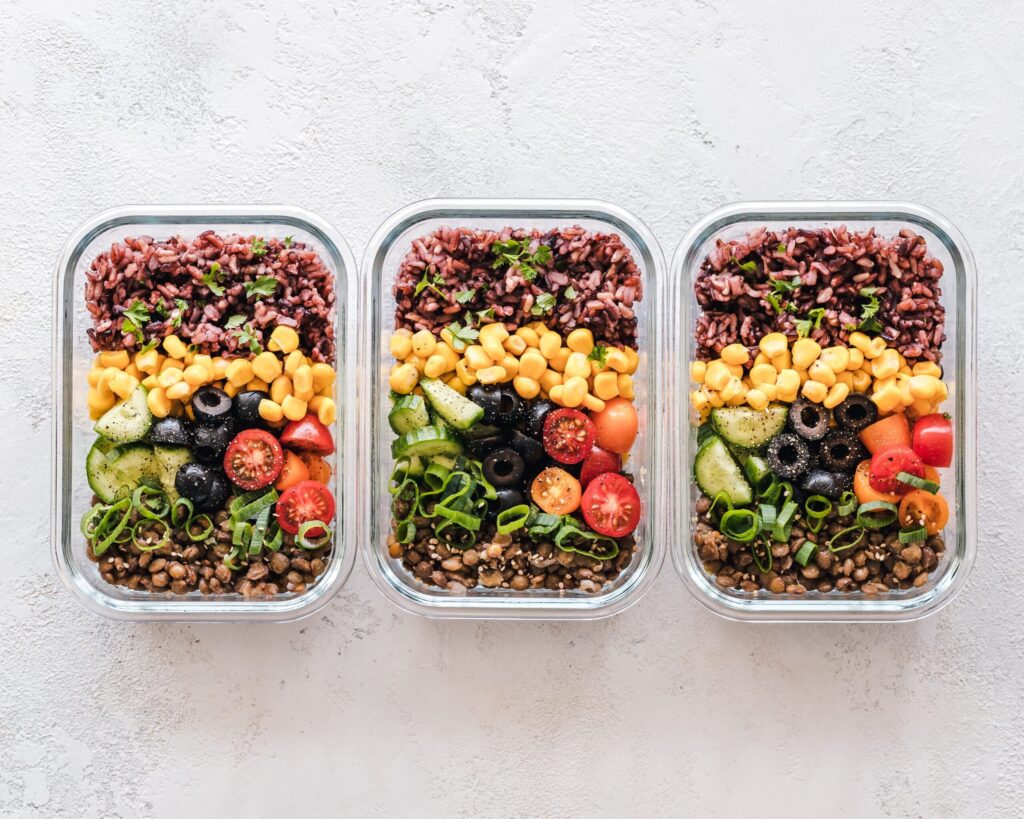
When it comes to fuelling your workouts, carbohydrates play a crucial role. However, not all carbs are created equal. Simple carbohydrates, like those found in sugary snacks, provide a quick burst of energy, but they often lead to a rapid spike and subsequent crash in blood sugar levels.
On the other hand, complex carbohydrates are digested more slowly, providing a steady stream of energy that can power you through intense gym sessions. In this article, we’ll explore ten super healthy complex carbohydrates that can help you enhance your energy levels and optimise your gym performance.
What Are Complex Carbohydrates?
Complex carbohydrates are long chains of sugar molecules that the body breaks down into glucose to use as energy. Unlike simple carbohydrates, which consist of just one or two sugar molecules, complex carbs are made up of three or more. These long chains take more time to digest, leading to a more gradual release of glucose into the bloodstream, which helps maintain stable energy levels.
Complex carbohydrates are typically found in whole, unprocessed foods, such as whole grains, legumes, and vegetables. They are also rich in fibre, vitamins, and minerals, which are essential for overall health and performance. The slow digestion and nutrient density of complex carbohydrates make them an excellent choice for sustaining energy during workouts.
The Importance of Carbohydrates for Gym Performance
Carbohydrates are the body’s preferred source of energy, especially during high-intensity exercise. When you eat carbs, your body converts them into glucose, which is then stored in your muscles and liver as glycogen. During exercise, glycogen is broken down into glucose to fuel your muscles.
A diet rich in complex carbohydrates can help maintain glycogen stores, ensuring you have the energy needed to perform at your best. Studies have shown that consuming an adequate amount of carbohydrates before and after exercise can improve performance, reduce fatigue, and enhance recovery .
Let’s delve into ten super healthy complex carbohydrates that you should consider including in your diet to boost your energy levels for the gym.
1. Oats
Oats are a powerhouse of nutrition and one of the best sources of complex carbohydrates. They are packed with fibre, particularly beta-glucan, which has been shown to improve cholesterol levels and promote heart health . Oats also provide a slow and steady release of glucose into the bloodstream, making them an ideal pre-workout meal.
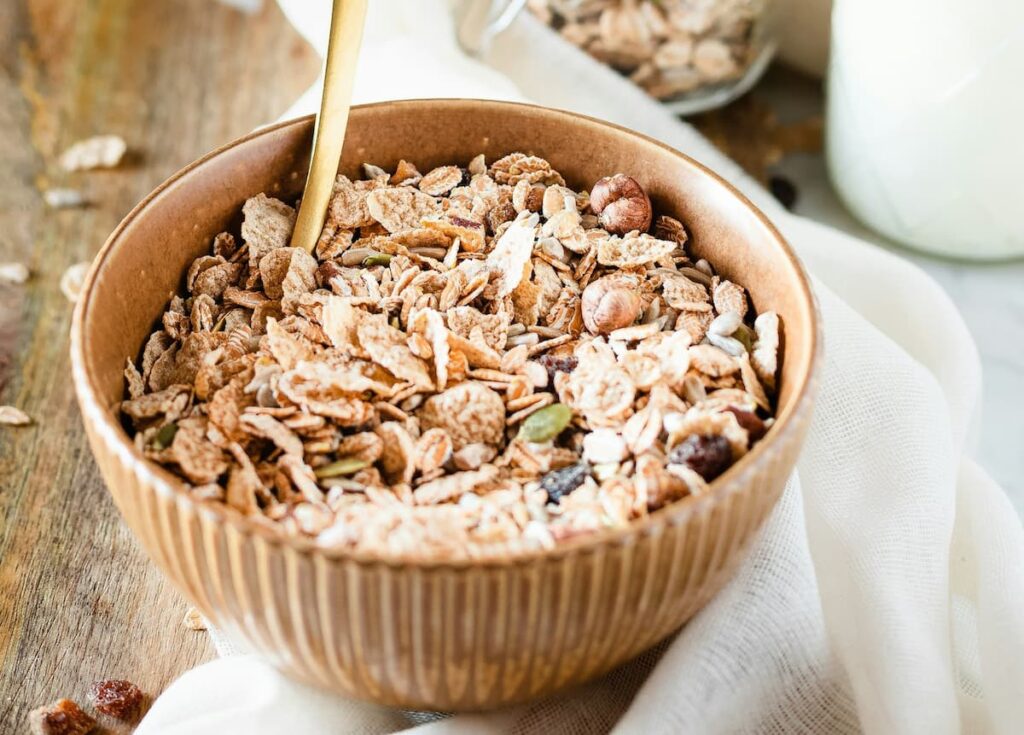
Research has indicated that consuming oats can improve satiety and reduce hunger throughout the day, which can be beneficial for those looking to maintain energy levels during extended workout sessions .
How to Include Oats in Your Diet
Oats are incredibly versatile. You can prepare them as oatmeal, add them to smoothies, or use them in baking. A bowl of oatmeal with fruit and nuts can provide the perfect balance of complex carbs, protein, and healthy fats to fuel your gym sessions.
2. Sweet Potatoes
Sweet potatoes are rich in complex carbohydrates, fibre, and essential nutrients like vitamin A, vitamin C, and potassium. They have a low glycaemic index (GI), meaning they release sugar into the bloodstream slowly, providing sustained energy for workouts.
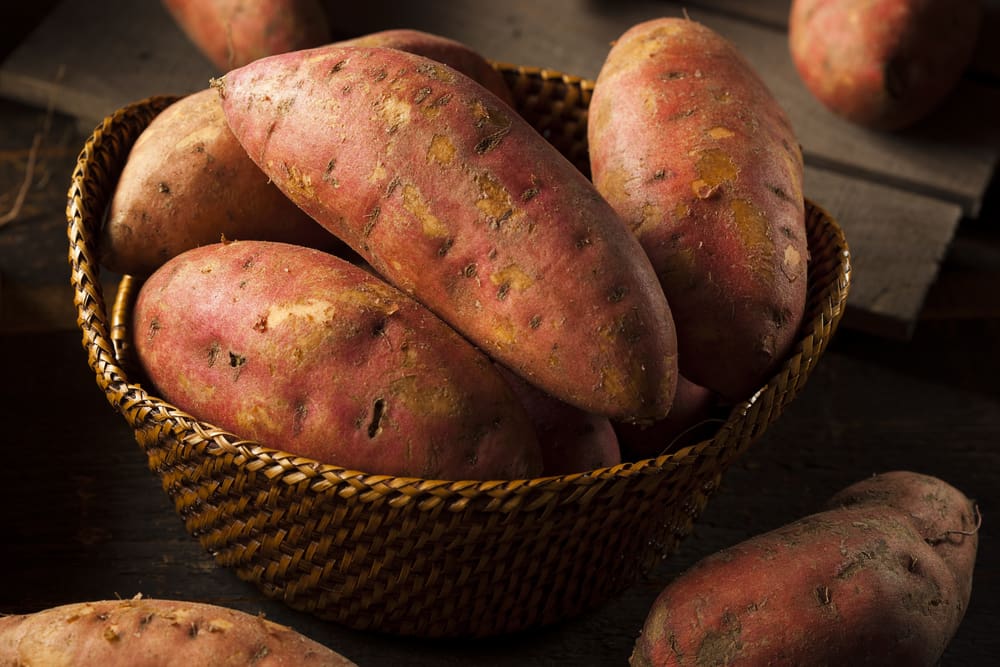
The fibre content in sweet potatoes also helps with digestion and promotes a feeling of fullness, which can prevent overeating and aid in weight management.
How to Include Sweet Potatoes in Your Diet
Roast sweet potatoes as a side dish, mash them for a nutritious alternative to regular mashed potatoes, or slice them into wedges and bake them for a healthy snack. They also make an excellent post-workout meal when combined with a source of lean protein.
3. Quinoa
Quinoa is a nutrient-dense pseudo-grain that is high in protein and complex carbohydrates. It contains all nine essential amino acids, making it a complete protein source, which is rare among plant-based foods . Quinoa’s high fibre content and low GI make it an excellent choice for sustained energy release.
Studies have shown that quinoa consumption can enhance athletic performance by providing a steady supply of glucose and amino acids needed for muscle repair and recovery .
How to Include Quinoa in Your Diet
Use quinoa as a base for salads, mix it into soups, or serve it as a side dish with your favourite protein. It can also be used in breakfast bowls with fruit and nuts for a balanced meal that will keep you energised throughout the day.
4. Brown Rice
Brown rice is a whole grain that retains the bran and germ, which are removed in white rice. This means it is higher in fibre, vitamins, and minerals, making it a healthier option. Brown rice has a moderate GI, providing a steady release of energy.

The fibre in brown rice aids digestion and helps maintain a healthy weight by promoting satiety. It is also a good source of magnesium, which is essential for muscle function and energy production .
How to Include Brown Rice in Your Diet
Brown rice can be used as a base for stir-fries, added to soups, or served as a side dish with grilled chicken or fish. It is also a great addition to meal prep, as it keeps well in the fridge and can be easily reheated.
5. Lentils
Lentils are a type of legume that is high in protein, fibre, and complex carbohydrates. They have a low GI, making them an excellent source of sustained energy . Lentils are also rich in iron, which is crucial for oxygen transport in the blood and energy production.
A diet that includes lentils can help improve overall diet quality and may reduce the risk of chronic diseases such as heart disease and type 2 diabetes .
How to Include Lentils in Your Diet
Lentils can be added to soups, stews, and salads, or used as a base for veggie burgers. They cook quickly and absorb flavours well, making them a versatile ingredient in a variety of dishes.
6. Chickpeas
Chickpeas, also known as garbanzo beans, are another excellent source of complex carbohydrates and plant-based protein. They are high in fibre and have a low GI, which means they provide a slow and steady release of energy.

Research has shown that chickpeas can improve blood sugar control, reduce appetite, and promote heart health . Their nutrient profile makes them an ideal food for athletes looking to sustain energy levels during workouts.
How to Include Chickpeas in Your Diet
Chickpeas can be used in a variety of dishes, from hummus to salads to curries. They can also be roasted for a crunchy snack or added to soups and stews for extra protein and fibre.
7. Barley
Barley is a whole grain that is rich in fibre, vitamins, and minerals. It has a low GI, providing a slow release of glucose into the bloodstream, which can help maintain energy levels during exercise . Barley is also high in beta-glucan, a type of soluble fibre that has been shown to lower cholesterol and improve heart health .
In addition to its energy-boosting properties, barley may also improve digestion and promote a healthy gut due to its high fibre content .
How to Include Barley in Your Diet
Barley can be used in soups, stews, and salads, or served as a side dish. It can also be used as a substitute for rice or pasta in various recipes.
8. Whole Wheat Pasta
Whole wheat pasta is made from whole grains and is a great source of complex carbohydrates. Unlike regular pasta, which is made from refined flour, whole wheat pasta retains the bran and germ, providing more fibre and nutrients.
The complex carbs in whole wheat pasta are digested slowly, providing a sustained release of energy. This makes it an excellent choice for athletes who need long-lasting fuel for endurance activities .
How to Include Whole Wheat Pasta in Your Diet
Use whole wheat pasta in your favourite pasta dishes, or try it in cold pasta salads for a quick and easy meal. Pair it with a lean protein source and plenty of vegetables for a balanced meal that will keep you energised for hours.
9. Black Beans
Black beans are a nutrient-dense legume that is high in protein, fibre, and complex carbohydrates. They have a low GI, providing a slow and steady release of glucose into the bloodstream. Black beans are also rich in antioxidants, which can help reduce inflammation and support overall health.

The combination of protein and complex carbs in black beans makes them an excellent food for sustaining energy levels during workouts. They are also a good source of iron and magnesium, both of which are important for energy production .
How to Include Black Beans in Your Diet
Black beans can be used in a variety of dishes, including soups, stews, salads, and burritos. They can also be mashed and used as a base for veggie burgers or added to dips for a nutritious snack.
10. Butternut Squash
Butternut squash is a versatile vegetable that is rich in complex carbohydrates, fibre, and essential nutrients like vitamin A and potassium. It has a moderate GI, providing a steady release of energy . The high fibre content in butternut squash helps with digestion and promotes satiety, making it an excellent choice for those looking to maintain energy levels during workouts.
In addition to its energy-boosting properties, butternut squash is also rich in antioxidants, which can help reduce inflammation and support overall health .
How to Include Butternut Squash in Your Diet
Roast butternut squash as a side dish, add it to soups and stews, or mash it for a nutritious alternative to mashed potatoes. It can also be used in salads or as a topping for pizzas.
Conclusion
Incorporating these ten super healthy complex carbohydrates into your diet can help you sustain energy levels and enhance your gym performance. These foods provide a steady release of glucose into the bloodstream, ensuring that your muscles have the fuel they need to perform at their best. In addition to their energy-boosting properties, these complex carbs are also rich in fibre, vitamins, and minerals, which are essential for overall health and recovery.
Key Takeaways Table
| Complex Carbohydrate | Key Benefits for Gym Performance | Recommended Use |
|---|---|---|
| Oats | Steady energy release, high in fibre, improves satiety | Oatmeal, smoothies, baking |
| Sweet Potatoes | Low GI, rich in fibre and vitamins, aids digestion | Roasted, mashed, baked |
| Quinoa | Complete protein, high in fibre, enhances recovery | Salads, soups, breakfast bowls |
| Brown Rice | Moderate GI, high in fibre, good source of magnesium | Stir-fries, side dishes, meal prep |
| Lentils | High in protein, low GI, rich in iron | Soups, stews, veggie burgers |
| Chickpeas | Low GI, improves blood sugar control, promotes heart health | Hummus, salads, curries |
| Barley | Low GI, high in beta-glucan, supports heart health | Soups, stews, salads |
| Whole Wheat Pasta | Slow energy release, retains nutrients, supports endurance | Pasta dishes, cold pasta salads |
| Black Beans | Low GI, rich in antioxidants, supports energy production | Soups, stews, burritos |
| Butternut Squash | Moderate GI, high in fibre, rich in antioxidants | Roasted, mashed, soups |
References
- Aune, D., Keum, N., Giovannucci, E., Fadnes, L. T., Boffetta, P., Greenwood, D. C., Tonstad, S., Vatten, L. J., Riboli, E. and Norat, T., 2016. Whole grain consumption and risk of cardiovascular disease, cancer, and all cause and cause specific mortality: systematic review and dose-response meta-analysis of prospective studies. BMJ, 353, p.i2716.
- Clark, N. and Mach, N., 2016. Exercise-induced stress behavior, gut-microbiota-brain axis and diet: a systematic review for athletes. Journal of the International Society of Sports Nutrition, 13(1), pp.1-21.
- Jenkins, D. J., Kendall, C. W., Augustin, L. S., Franceschi, S., Hamidi, M., Marchie, A., Jenkins, A. L. and Axelsen, M., 2002. Glycemic index: overview of implications in health and disease. The American journal of clinical nutrition, 76(1), pp.266S-273S.
- Slavin, J. L., 2003. Dietary fiber and body weight. Nutrition, 19(5), pp.438-442.
- Slavin, J. L., 2005. Dietary fiber and body weight regulation. Nutrition, 21(3), pp.411-418.
- Slavin, J., 2013. Fiber and prebiotics: mechanisms and health benefits. Nutrients, 5(4), pp.1417-1435.
- Stephens, B. R., Cole, A. S., Mahon, A. K., Sharoff, C. G., Chipkin, S. R., Kupchak, B. R., Cooper, J. A. and Braun, B., 2007. Aerobic exercise and postprandial lipemia: clearance of lipemia after acute exercise. Journal of Applied Physiology, 103(6), pp.1847-1853.
- Thorne, R., Thomson, C., and Owens, J., 2014. Pre-exercise meal effects on fat oxidation and performance. Sports Medicine, 44(1), pp.67-76.
- Wahlqvist, M. L., Lee, M. S., Lau, J. H., Kuo, K. N. and Huang, C. J., 2012. Dietary diversity no longer a simple count of foods in 21st century research. Asia Pacific journal of clinical nutrition, 21(4), pp.590-593.
- Whole Grains Council, 2017. Health Benefits. Whole Grains Council.
By including these complex carbohydrates in your diet, you can maintain steady energy levels throughout your workouts, support your overall health, and optimise your performance at the gym.