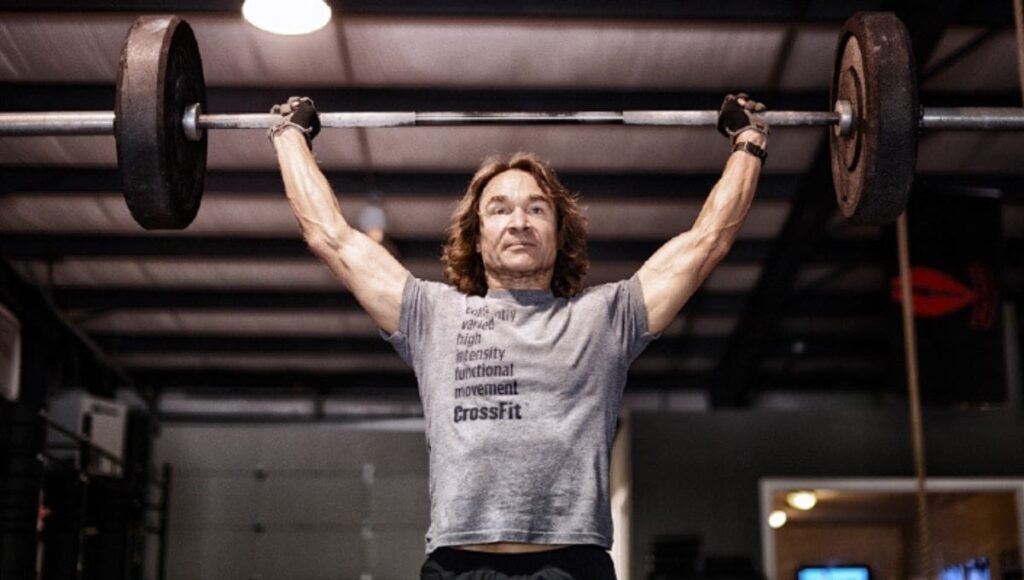
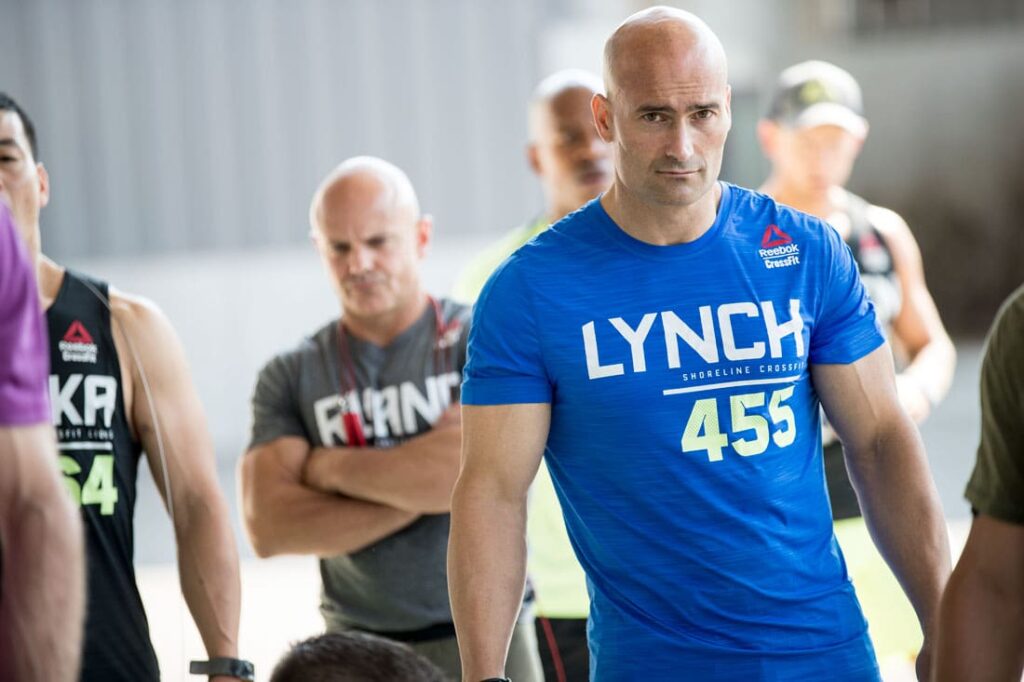
As men move past the age of 35, physiological changes make it essential to adapt training methods to maintain progress, avoid injury and optimise long-term health. Testosterone levels naturally decline, recovery slows down, and the risk of injury increases. However, with the right approach in the gym, men over 35 can still build muscle, burn fat, and improve performance efficiently.
This article outlines 10 evidence-based strategies that men in this age group must implement for sustained progress and results in the gym.
1. Prioritise Recovery as Much as Training
Once you’re over 35, recovery capacity starts to decline due to age-related hormonal shifts, particularly a reduction in testosterone and growth hormone production. A 2008 study published in the Journal of Clinical Endocrinology & Metabolism showed that testosterone levels decrease by approximately 1% per year after age 30 (Harman et al., 2001). This means muscles take longer to repair and nervous system fatigue lingers longer after sessions.
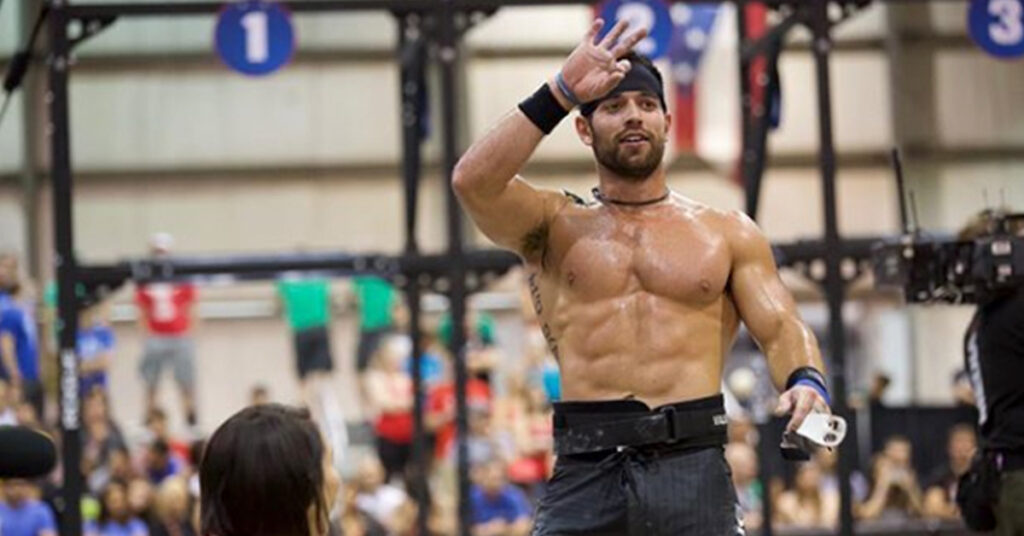
Training frequency and volume must be adjusted accordingly. While younger men may tolerate five or six sessions a week, men over 35 often benefit from three to four well-structured sessions with focused rest days. Adequate sleep, stress management and nutrition also become critical elements of effective recovery.
2. Incorporate More Mobility and Warm-Up Work
Joint stiffness and reduced range of motion are more common past 35. Skipping warm-ups increases the risk of soft tissue injuries. A study in Sports Medicine demonstrated that dynamic warm-ups enhance power output, muscular performance and reduce injury risk (Fradkin et al., 2006).
Start each session with 5–10 minutes of dynamic mobility work, targeting common problem areas like the hips, thoracic spine and shoulders. Band work, bodyweight movements, and light cardio will raise core temperature and activate key muscle groups.
3. Switch to Lower-Impact Conditioning
High-intensity workouts like plyometrics and sprint intervals can be taxing on ageing joints and connective tissue. Over time, these methods increase the risk of overuse injuries in men over 35, especially those with pre-existing joint conditions.
Replace some high-impact cardio with low-impact modalities like rowing, incline walking, cycling or sled pushes. These are easier on the joints while still offering cardiovascular and metabolic benefits. A 2014 study published in The American Journal of Physiology found that low-impact aerobic training improved cardiovascular health markers significantly in older men without causing musculoskeletal strain (DeSouza et al., 2000).
4. Train With Moderate to Heavy Loads—But Prioritise Form
Lifting heavy remains critical for preserving muscle mass and bone density as you age. Sarcopenia (age-related muscle loss) begins to accelerate after 35, making resistance training essential. A 2019 meta-analysis in Ageing Research Reviews found that resistance training significantly mitigates muscle mass and strength decline in men over 35 (Lopez et al., 2019).

However, due to the increased risk of injury, technique becomes paramount. Prioritise perfect form and controlled tempo over maximal loads. Moderate-to-heavy lifting (70–85% of your one-rep max) for 6–12 reps across compound lifts like squats, deadlifts, rows and presses should form the foundation of your programme.
5. Reduce Volume and Increase Intensity
Volume training (high reps and sets) can lead to excessive fatigue and hinder recovery in older men. A more effective approach is to reduce total volume slightly and increase intensity, focusing on progressive overload over time.
A 2016 study in Journal of Strength and Conditioning Research found that older individuals benefited more from lower volume and higher intensity compared to younger adults, due to reduced anabolic hormone response and longer recovery needs (Peterson et al., 2011). Focus on high-quality sets rather than quantity, allowing for better recovery and more consistent strength gains.
6. Don’t Neglect Power Training
While strength is vital, power—the ability to exert force rapidly—declines even faster with age. A 2005 study in The Journals of Gerontology reported that power decreases at nearly twice the rate of strength after the age of 30 (Skelton et al., 1994).
Incorporate low-risk, explosive movements like kettlebell swings, med ball slams and speed sled pushes. These exercises develop fast-twitch fibres, improve neuromuscular efficiency and help maintain athletic function. Keep reps low (3–5) and rest periods long (1–2 minutes) to maximise force output and minimise fatigue.
7. Track Hormonal Health and Biomarkers
At this stage of life, monitoring key biomarkers becomes essential. Suboptimal testosterone, cortisol, insulin and thyroid levels can all impair recovery, mood, and results in the gym. Symptoms such as poor sleep, lack of libido, and difficulty losing fat may signal hormonal imbalance.
Regular blood tests—ideally every 6 to 12 months—help guide nutritional, lifestyle and training decisions. A study published in Mayo Clinic Proceedings emphasised the importance of screening middle-aged men for testosterone deficiency, especially those engaged in resistance training (Bhasin et al., 2010).
Simple interventions like improving sleep quality, reducing alcohol, and managing stress can significantly improve hormonal balance and performance without medical intervention.
8. Eat for Muscle Preservation, Not Just Fat Loss
Many men over 35 enter the gym focused solely on fat loss. While body composition matters, excessive calorie restriction often results in muscle loss and metabolic slowdown. Age-related muscle loss is already an issue; poor nutrition exacerbates it.
A 2020 review in Nutrients confirmed that men over 35 need higher protein intakes (1.6–2.2g per kg of bodyweight) and adequate energy availability to maintain lean mass during training phases (Morton et al., 2018). Include high-quality proteins, healthy fats, and nutrient-dense carbs around training sessions to support recovery and muscle retention.
9. Manage Stress to Improve Performance
Cortisol, the body’s primary stress hormone, rises with age and is often elevated in high-stress professionals over 35. Chronic cortisol elevation impairs muscle recovery, increases fat storage, and disrupts sleep patterns—all of which hinder gym progress.
Research from Psychoneuroendocrinology indicates that high stress levels significantly lower testosterone and hinder hypertrophy outcomes (Papacosta & Nassis, 2011). Incorporating stress-reduction techniques such as meditation, breath work, nature walks or low-intensity aerobic sessions can help regulate cortisol and improve gym performance.
10. Make Mobility, Not Just Muscle, a Long-Term Goal
Training goals should evolve. While building muscle is important, maintaining mobility and function is even more critical past 35. Losing hip, ankle or thoracic spine mobility compromises lifting technique and daily movement quality, increasing injury risk.

Include mobility drills and active stretching after workouts. Yoga, Pilates or dedicated mobility sessions once or twice per week can restore movement quality. A 2018 study in BMJ Open Sport & Exercise Medicine demonstrated that mobility training improved strength, movement efficiency, and reduced injury rates in older gym-goers (Behm et al., 2016).
Bibliography
Bhasin, S. et al., 2010. Testosterone therapy in men with androgen deficiency syndromes: an Endocrine Society clinical practice guideline. Mayo Clinic Proceedings, 85(5), pp. 440–442.
Behm, D.G. et al., 2016. Acute effects of muscle stretching on physical performance, range of motion, and injury incidence in healthy active individuals: a systematic review. BMJ Open Sport & Exercise Medicine, 2(1), p.e000123.
DeSouza, C.A. et al., 2000. Regular aerobic exercise prevents and restores age-related declines in endothelium-dependent vasodilation in healthy men. The American Journal of Physiology, 278(5), pp.H1986-H1991.
Fradkin, A.J., Zazryn, T.R. & Smoliga, J.M., 2006. Effects of warming-up on physical performance: a systematic review with meta-analysis. Journal of Strength and Conditioning Research, 20(3), pp. 640–644.
Harman, S.M. et al., 2001. Longitudinal effects of aging on serum total and free testosterone levels in healthy men. Journal of Clinical Endocrinology & Metabolism, 86(2), pp.724–731.
Lopez, P. et al., 2019. Resistance training as a treatment for sarcopenia: prescription and delivery. Ageing Research Reviews, 52, pp.58–71.
Morton, R.W. et al., 2018. Protein intake to maximise muscle maintenance and adaptation to resistance exercise in older adults: a position statement. Nutrients, 10(7), p. 929.
Papacosta, E. & Nassis, G.P., 2011. Saliva as a tool for monitoring steroid, peptide and immune markers in sport and exercise science. Psychoneuroendocrinology, 36(9), pp.1357–1372.
Peterson, M.D. et al., 2011. Resistance exercise for muscular strength in older adults: a meta-analysis. Journal of Strength and Conditioning Research, 25(2), pp. 321–326.
Skelton, D.A. et al., 1994. Strength, power and related functional ability of healthy people aged 65–89 years. The Journals of Gerontology Series A: Biological Sciences and Medical Sciences, 49(1), pp.M45–M54.