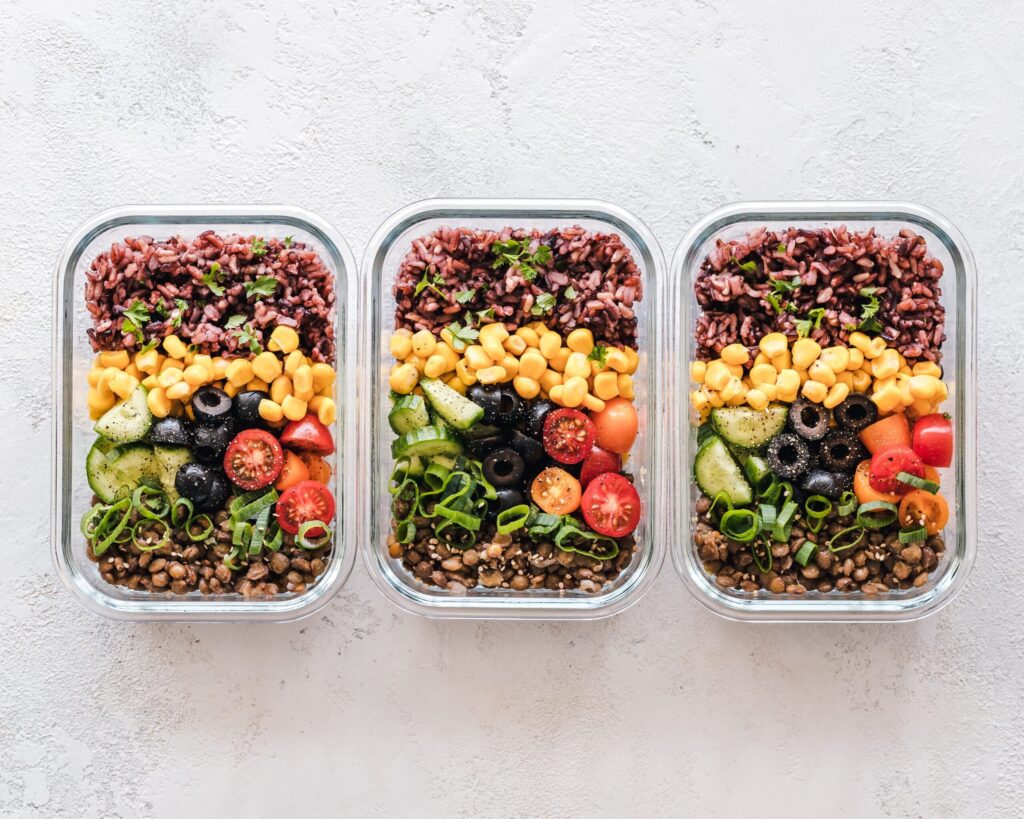
Optimise the way you eat.
1. Prioritise Whole Foods Over Processed Options
Whole foods such as vegetables, fruits, lean proteins, whole grains, and healthy fats should make up the bulk of your diet. Processed foods often contain additives, excess sugar, and unhealthy fats that contribute to obesity, heart disease, and metabolic disorders (Monteiro et al., 2019).
[brid video=”1930535″ player=”46457″ title=”7 Incredible Statistics About Healthy Eating” duration=”194″ description=”undefined” uploaddate=”2025-01-08″ thumbnailurl=”https://cdn.target-video.com/live/partners/30459/snapshot/1930535_th_677e9a4cadb55_1736350284.jpg” image=”https://cdn.target-video.com/live/partners/30459/snapshot/1930535_sd_677e9a4cadb55_1736350284.jpg” contenturl=”https://cdn.brid.tv/live/partners/30459/sd/1930535.mp4″ width=”16″ height=”9″]A study published in Cell Metabolism found that individuals consuming ultra-processed diets ate an average of 500 more calories per day compared to those consuming minimally processed foods (Hall et al., 2019).
2. Increase Your Fibre Intake
Fibre supports digestion, regulates blood sugar levels, and aids in weight management. The recommended daily intake is 30g for adults in the UK (NHS, 2023). High-fibre foods like legumes, whole grains, and vegetables improve gut health by feeding beneficial bacteria, which play a role in immune function and inflammation control (Makki et al., 2018).
Additionally, studies indicate that higher fibre intake is associated with lower risks of cardiovascular disease and type 2 diabetes (Reynolds et al., 2019).
3. Control Portion Sizes
Overeating, even healthy foods, can lead to weight gain. Portion control is essential for maintaining a balanced energy intake. Research has shown that using smaller plates and bowls can help reduce calorie consumption without affecting satiety (Robinson et al., 2014). Eating mindfully—paying attention to hunger cues and eating slowly—also reduces overeating (Wansink et al., 2006).
4. Consume Adequate Protein
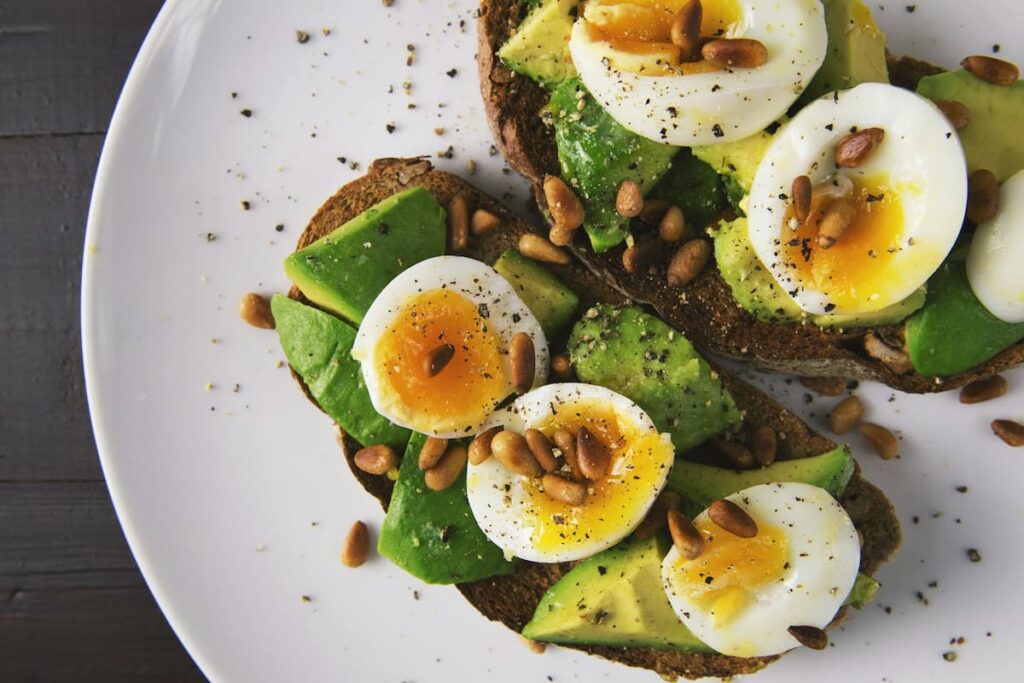
Protein is crucial for muscle maintenance, satiety, and metabolic health. A study in The American Journal of Clinical Nutrition found that higher protein intake increases feelings of fullness and preserves lean mass during weight loss (Leidy et al., 2015). Sources like lean meats, fish, eggs, dairy, legumes, and plant-based proteins should be included in daily meals to support overall health.
5. Reduce Added Sugars
Excess sugar intake is linked to obesity, insulin resistance, and an increased risk of cardiovascular disease (Malik et al., 2010). The World Health Organization recommends limiting added sugars to less than 10% of total daily calories (WHO, 2015). Replacing sugary snacks and drinks with naturally sweet alternatives like fruits can help reduce intake while still satisfying cravings.
6. Stay Hydrated with Water
Proper hydration supports digestion, metabolism, and cognitive function. Dehydration can lead to fatigue, headaches, and impaired physical performance (Popkin et al., 2010). Water should be the primary beverage, replacing sugary drinks and excessive caffeine. Research suggests that drinking water before meals can help reduce calorie intake and support weight management (Dennis et al., 2010).
7. Eat More Healthy Fats
Not all fats are bad; omega-3 and monounsaturated fats provide anti-inflammatory benefits and support heart health. Foods such as avocados, olive oil, nuts, and fatty fish improve cholesterol levels and reduce the risk of heart disease (Mozaffarian et al., 2006). Replacing trans fats and excessive saturated fats with healthier options can significantly impact long-term health outcomes.
8. Plan and Prepare Meals in Advance
Meal planning reduces reliance on fast food and convenience meals, which are often high in unhealthy fats, sugars, and sodium. A study in The International Journal of Behavioral Nutrition and Physical Activity found that meal planning is associated with better diet quality and a lower risk of obesity (Ducrot et al., 2017). Preparing meals in bulk can also save time and money while ensuring healthier eating habits.
9. Reduce Sodium Intake
Excessive salt consumption is a risk factor for hypertension and cardiovascular disease. The NHS recommends adults consume no more than 6g of salt per day (NHS, 2023). Processed foods contribute significantly to daily sodium intake. Reading nutrition labels and opting for fresh, home-cooked meals helps control sodium levels.
10. Increase Fruit and Vegetable Consumption
A diet rich in fruits and vegetables provides essential vitamins, minerals, and antioxidants. The NHS advises eating at least five portions per day, as this reduces the risk of chronic diseases such as heart disease, stroke, and certain cancers (NHS, 2023).
A large meta-analysis found that consuming more than five servings of fruits and vegetables daily is associated with a longer lifespan and lower disease risk (Aune et al., 2017).
Key Takeaways
| Tip | Summary |
|---|---|
| Prioritise Whole Foods | Reduce processed foods and focus on whole food sources. |
| Increase Fibre Intake | Supports digestion, heart health, and metabolic function. |
| Control Portion Sizes | Helps prevent overeating and supports weight management. |
| Consume Adequate Protein | Increases satiety and supports muscle maintenance. |
| Reduce Added Sugars | Lowers the risk of obesity and metabolic diseases. |
| Stay Hydrated | Enhances metabolism and cognitive function. |
| Eat More Healthy Fats | Supports heart health and reduces inflammation. |
| Plan and Prepare Meals | Encourages healthier food choices and prevents reliance on fast food. |
| Reduce Sodium Intake | Helps prevent high blood pressure and cardiovascular disease. |
| Increase Fruit & Vegetables | Provides essential nutrients and reduces disease risk. |
Bibliography
- Aune, D., Giovannucci, E., Boffetta, P., Fadnes, L.T., Keum, N., Norat, T., Greenwood, D.C., Riboli, E., Vatten, L.J. and Tonstad, S., 2017. Fruit and vegetable intake and the risk of cardiovascular disease, total cancer, and all-cause mortality—a systematic review and dose-response meta-analysis of prospective studies. International Journal of Epidemiology, 46(3), pp.1029-1056.
- Dennis, E.A., Dengo, A.L., Comber, D.L., Flack, K.D., Savla, J., Davy, K.P. and Davy, B.M., 2010. Water consumption increases weight loss during a hypocaloric diet intervention in middle-aged and older adults. Obesity, 18(2), pp.300-307.
- Ducrot, P., Méjean, C., Aroumougame, V., Ibanez, G., Lomenie, J., Peneau, S., Hercberg, S. and Péneau, S., 2017. Meal planning is associated with food variety, diet quality and body weight status in a large sample of French adults. International Journal of Behavioral Nutrition and Physical Activity, 14(1), p.12.
- Hall, K.D., Ayuketah, A., Brychta, R., Cai, H., Cassimatis, T., Chen, K.Y., Chung, S.T., Costa, E., Courville, A., Darcey, V. and Fletcher, L.A., 2019. Ultra-processed diets cause excess calorie intake and weight gain: an inpatient randomized controlled trial of ad libitum food intake. Cell Metabolism, 30(1), pp.67-77.
- Leidy, H.J., Clifton, P.M., Astrup, A., Wycherley, T.P., Westerterp-Plantenga, M.S., Luscombe-Marsh, N.D., Woods, S.C. and Mattes, R.D., 2015. The role of protein in weight loss and maintenance. The American Journal of Clinical Nutrition, 101(6), pp.1320S-1329S.
- Malik, V.S., Popkin, B.M., Bray, G.A., Després, J.P. and Hu, F.B., 2010. Sugar-sweetened beverages, obesity, type 2 diabetes and cardiovascular disease risk. Circulation, 121(11), pp.1356-1364.
- WHO, 2015. Guideline: Sugars intake for adults and children. World Health Organization.