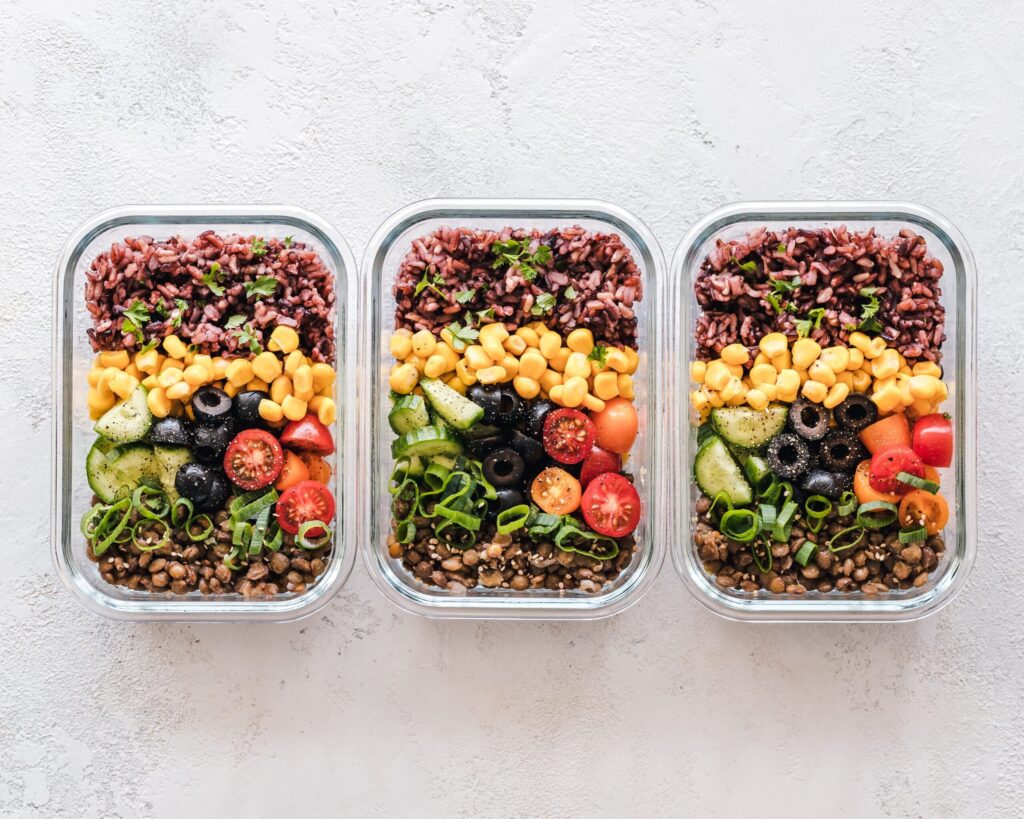
Eating healthier is one of the most powerful steps you can take to improve your overall health, boost your energy, and reduce your risk of chronic disease. But in an age of conflicting nutrition advice, it can be hard to know where to start. The good news: science provides clear, evidence-based principles for building a better diet—without extreme restrictions or gimmicks.
Below are ten scientifically backed strategies that make healthy eating practical, sustainable, and effective for real life.
1. Prioritize Whole, Minimally Processed Foods
Why Whole Foods Matter
Whole foods—fruits, vegetables, whole grains, legumes, nuts, seeds, and unprocessed meats—retain their natural nutrients, fiber, and beneficial plant compounds. In contrast, ultra-processed foods often contain refined sugars, fats, and additives that promote overeating and inflammation.
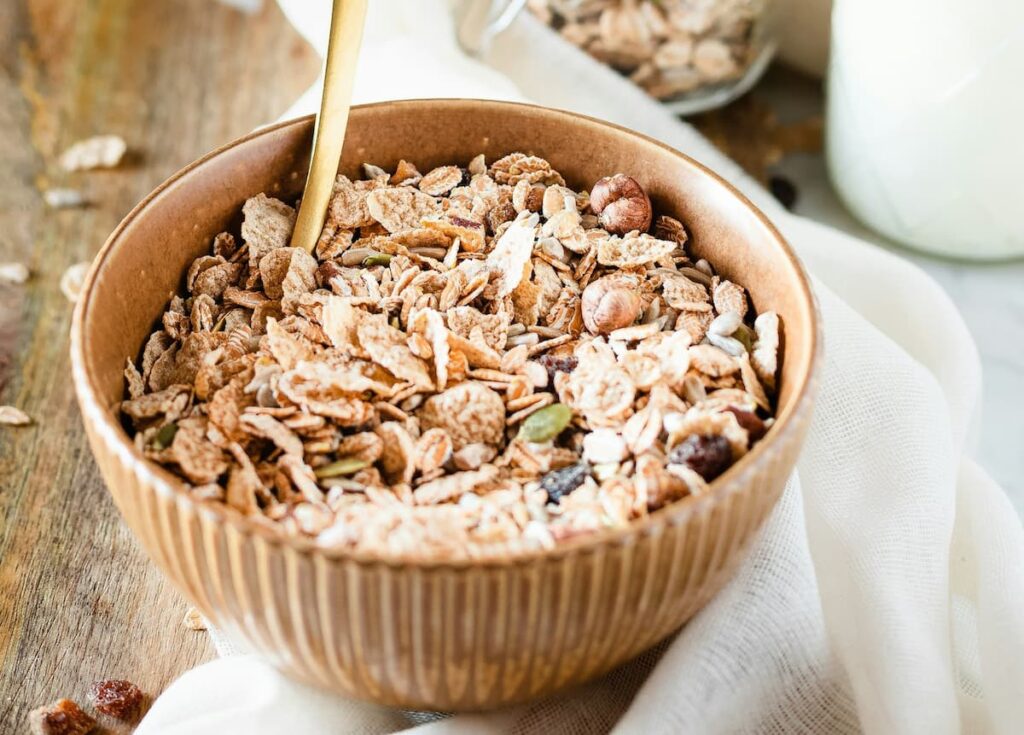
Large-scale epidemiological research has shown that diets high in ultra-processed foods are linked with higher risks of obesity, cardiovascular disease, and all-cause mortality. A 2019 study in BMJ followed over 100,000 adults and found that higher intake of ultra-processed foods was associated with a 62% increased risk of all-cause mortality.
How to Apply It
- Choose foods with short ingredient lists.
- Replace refined snacks (chips, cookies) with fresh fruit, nuts, or yogurt.
- Cook more meals at home—home-cooked meals are statistically healthier than restaurant or packaged alternatives.
2. Balance Macronutrients Intelligently
The Role of Protein, Carbs, and Fat
All three macronutrients—protein, carbohydrates, and fats—play vital roles in health. The key is not eliminating any one of them but finding balance.
Protein supports muscle maintenance, metabolism, and satiety. Research in The American Journal of Clinical Nutrition shows that higher-protein diets improve body composition and reduce appetite.
Healthy fats, especially unsaturated ones from olive oil, avocados, and nuts, improve cardiovascular health and help absorb fat-soluble vitamins. Carbohydrates—especially from whole grains, fruits, and vegetables—provide fiber and essential micronutrients.
How to Apply It
- Include a protein source in every meal (chicken, fish, tofu, lentils).
- Prefer complex carbs over refined ones (brown rice over white rice).
- Use olive oil instead of butter for cooking.
3. Eat More Fruits and Vegetables
The Science Behind Plants
Fruits and vegetables are the foundation of a healthy diet, providing vitamins, minerals, antioxidants, and phytochemicals that protect against disease. The World Health Organization recommends at least 400 grams (about five portions) per day.
A meta-analysis published in The International Journal of Epidemiology in 2017 found that eating up to 800 grams of fruits and vegetables daily was associated with a 31% lower risk of premature death.
How to Apply It
- Fill half your plate with produce at lunch and dinner.
- Vary colors—each pigment offers unique compounds, such as lycopene in tomatoes and anthocyanins in blueberries.
- Add vegetables to sauces, soups, and smoothies to increase intake effortlessly.
4. Reduce Added Sugars

The Problem with Excess Sugar
High sugar intake contributes to obesity, diabetes, fatty liver disease, and cardiovascular issues. The Journal of the American Medical Association (JAMA) reported that people consuming 25% or more of daily calories from added sugars had nearly triple the risk of cardiovascular mortality compared to those consuming less than 10%.
Sugar spikes blood glucose and insulin levels, promoting fat storage and hunger rebound. Cutting back can stabilize energy and reduce cravings.
How to Apply It
- Avoid sugary beverages; even 12 oz of soda adds about 40 grams of sugar.
- Read labels: sugar hides under names like maltose, dextrose, or syrup.
- Choose unsweetened yogurt, drinks, and snacks.
5. Stay Hydrated—But Choose Water
Why Hydration Matters
Water supports every physiological process, from temperature regulation to nutrient transport. Dehydration can impair physical and cognitive performance.

A study in Frontiers in Nutrition (2022) confirmed that even mild dehydration (1–2% body weight loss) can reduce alertness and concentration. Yet many people replace water with calorie-laden beverages, negating hydration benefits.
How to Apply It
- Aim for about 2–3 liters of water per day, more if active or in hot conditions.
- Flavor water naturally with citrus, cucumber, or mint if plain water feels boring.
- Limit juice, soda, and energy drinks.
6. Watch Portion Sizes
Why Portion Control Works
Even healthy foods can lead to weight gain if consumed in excess. Portion distortion—larger servings becoming the new normal—has contributed to rising calorie intake over recent decades.
Controlled studies have shown that larger portions consistently cause people to eat more, regardless of hunger. Research in The American Journal of Clinical Nutrition (2005) found that doubling portion sizes increased calorie intake by up to 35%.
How to Apply It
- Use smaller plates to reduce serving sizes naturally.
- Serve food in the kitchen rather than at the table.
- Stop eating when you’re 80% full (a practice known as “hara hachi bu” in Japan).
7. Plan and Prepare Meals
The Power of Preparation
Meal planning improves dietary quality and reduces impulsive, unhealthy choices. A 2017 study in The International Journal of Behavioral Nutrition and Physical Activity found that people who planned meals were more likely to eat a varied, nutrient-rich diet and less likely to be overweight.
How to Apply It
- Dedicate one day a week to plan and prep key meals.
- Cook extra portions for easy leftovers.
- Keep staples like canned beans, frozen vegetables, and whole grains stocked for quick meals.
8. Improve Your Relationship with Food
Mindful and Intuitive Eating
Eating habits are shaped by mindset as much as nutrients. Mindful eating—paying attention to hunger, fullness, and sensory cues—can reduce overeating and emotional eating.
A review in Obesity Reviews (2018) found that mindfulness-based interventions led to significant reductions in binge eating and emotional eating behavior.
How to Apply It
- Eat slowly and without distractions.
- Notice how different foods make you feel.
- Avoid labeling foods as “good” or “bad.” Aim for balance, not perfection.
9. Limit Processed Meats and Refined Grains
Why It Matters
Processed meats (sausages, bacon, deli meats) are linked with higher risks of colorectal cancer and heart disease. A 2015 World Health Organization report classified processed meats as Group 1 carcinogens (carcinogenic to humans).
Refined grains, such as white bread and pasta, lose much of their fiber and nutrients during processing, leading to blood sugar spikes. Diets high in refined grains have been associated with higher risk of type 2 diabetes and obesity.
How to Apply It
- Replace processed meats with fish, poultry, or legumes.
- Choose whole-grain versions of bread, pasta, and rice.
- Focus on food quality, not just calorie count.
10. Be Consistent, Not Perfect
Long-Term Habits Matter Most
Sustainable habits—not short-term diets—drive lasting health improvements. Consistency ensures better nutrient intake and stable body weight over time.

Longitudinal research in The Lancet Public Health (2018) found that moderate carbohydrate intake (45–55% of total calories) was linked with lower mortality, suggesting that balance—not extremes—supports longevity.
How to Apply It
- Follow the 80/20 principle: eat nutrient-rich foods 80% of the time, enjoy indulgences moderately.
- Build gradual, lasting habits—small daily choices compound over time.
- Focus on progress, not perfection.
Key Takeaways
| Tip | Focus | Why It Works |
|---|---|---|
| 1 | Whole foods | More nutrients, fewer additives |
| 2 | Balanced macros | Supports energy and metabolism |
| 3 | Fruits & veggies | Lowers disease risk |
| 4 | Cut added sugars | Prevents metabolic issues |
| 5 | Hydration | Enhances focus and performance |
| 6 | Portion control | Manages calorie intake |
| 7 | Meal prep | Encourages consistency |
| 8 | Mindful eating | Reduces overeating |
| 9 | Limit processed foods | Decreases cancer and diabetes risk |
| 10 | Consistency | Builds sustainable health |
Bibliography
- Fiolet, T., Srour, B., Sellem, L., et al. (2019) ‘Consumption of ultra-processed foods and mortality: a prospective cohort study’, BMJ, 365:l1949.
- Leidy, H.J. et al. (2015) ‘The role of protein in weight loss and maintenance’, The American Journal of Clinical Nutrition, 101(6), pp.1320S–1329S.
- Aune, D. et al. (2017) ‘Fruit and vegetable intake and the risk of cardiovascular disease, total cancer and all-cause mortality’, International Journal of Epidemiology, 46(3), pp.1029–1056.
- Yang, Q. et al. (2014) ‘Added sugar intake and cardiovascular diseases mortality among US adults’, JAMA Internal Medicine, 174(4), pp.516–524.
- Benton, D. and Young, H.A. (2022) ‘Do small differences in hydration status affect mood and cognitive performance?’, Frontiers in Nutrition, 9:836106.
- Rolls, B.J. et al. (2005) ‘Portion size of food affects energy intake in normal-weight and overweight men and women’, The American Journal of Clinical Nutrition, 82(5), pp.1203–1208.
- Ducrot, P. et al. (2017) ‘Meal planning is associated with food variety, diet quality and body weight status in a large sample of French adults’, International Journal of Behavioral Nutrition and Physical Activity, 14(1):12.
- Katterman, S.N. et al. (2018) ‘Mindfulness-based interventions for binge eating: a systematic review and meta-analysis’, Obesity Reviews, 19(2), pp.219–232.
- World Health Organization (2015) ‘Q&A on the carcinogenicity of the consumption of red meat and processed meat’, International Agency for Research on Cancer (IARC).
- Seidelmann, S.B. et al. (2018) ‘Dietary carbohydrate intake and mortality: a prospective cohort study and meta-analysis’, The Lancet Public Health, 3(9), pp.e419–e428.