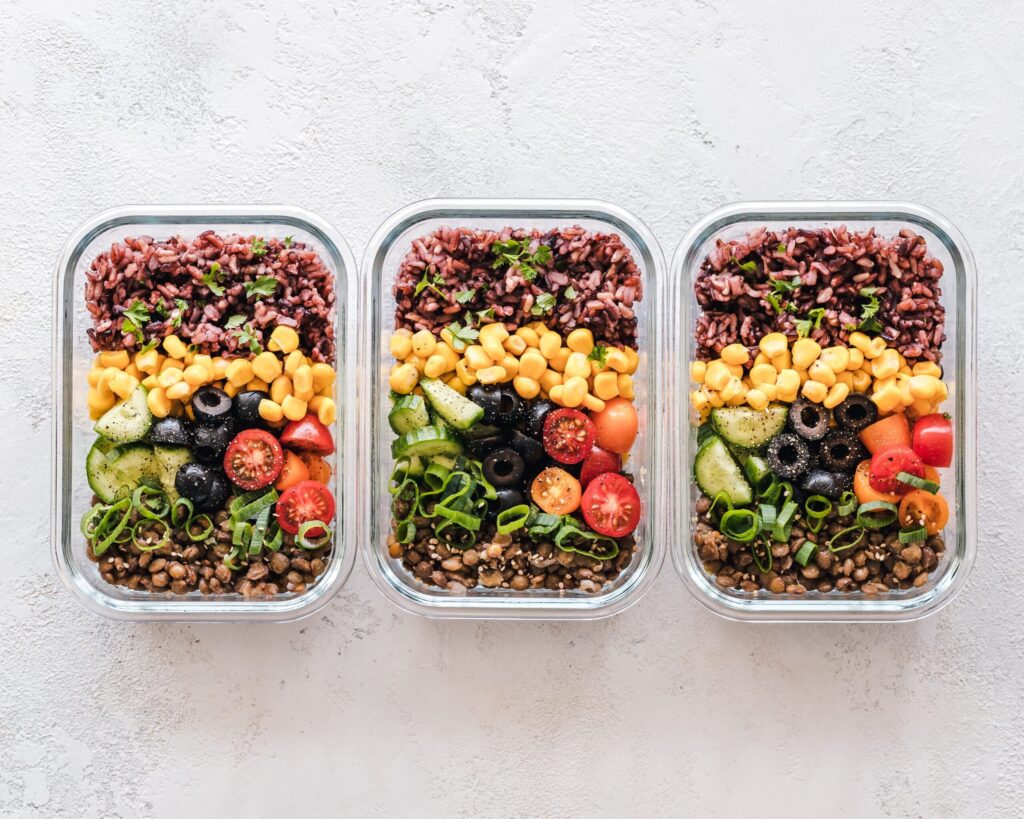
Food cravings can feel sudden, intense, and hard to ignore. They often show up when you’re stressed, tired, or even after you’ve just eaten. While cravings are a normal part of being human, research shows that certain strategies can significantly reduce how often they occur and how strongly you feel them.
This article breaks down ten science-backed ways to manage cravings so you can stay more in control of your nutrition and energy throughout the day.
Below, each tip is supported by scientific findings, explained in friendly, easy-to-follow language, and written to help you apply the information in real life.
What Causes Food Cravings?
Before diving into the practical tips, it helps to understand where cravings come from. Studies show that cravings are not simply about hunger.
They’re influenced by brain chemistry, hormones, habits, emotions, memory, and even your environment. Several biological systems—such as dopamine pathways involved in reward, the stress hormone cortisol, and hunger-related hormones like ghrelin—shape what you crave and how strongly you crave it (Volkow et al., 2011;Adam & Epel, 2007;Cummings et al., 2001).
Cravings also tend to be highly specific. Rather than wanting “food,” people typically want chocolate, pizza, salty snacks, or something sugary. That specificity is one reason cravings feel intense—and why they require targeted strategies to manage.
Now let’s look at ten proven tools to help you counter them.
1. Prioritize High-Protein Meals
Protein plays a powerful role in reducing cravings by increasing satiety and improving appetite control. Research shows that high-protein meals lower levels of ghrelin—the hormone that stimulates hunger—more effectively than meals higher in fat or carbohydrates (Nguyen et al., 2015). Another study found that increasing protein intake to around 25–30 percent of daily calories significantly reduces late-night snacking and food cravings (Leidy et al., 2011).

Why It Works
Protein slows digestion, stabilizes blood sugar, and triggers the release of satiety hormones like peptide YY(PYY), which helps you feel fuller for longer. In practice, this means fewer spikes and crashes that cause sudden cravings.
How to Apply It
Include high-quality protein sources—such as eggs, lean meat, Greek yogurt, cottage cheese, tofu, beans, or lentils—at every meal. Even a small protein boost at breakfast can reduce cravings later in the day.
2. Balance Your Blood Sugar
Fluctuations in blood sugar are strongly linked to cravings, especially for sugary or high-carbohydrate foods. When blood glucose drops quickly, the brain seeks fast energy, leading to intense cravings for sweets or refined carbohydrates. Studies show that stable glucose levels reduce cravings and improve overall appetite control (Benton & Young, 2017).
Why It Works
Stable blood sugar prevents the rapid shifts that activate the brain’s reward centers and drive impulsive eating.
How to Apply It
Combine protein, healthy fats, and fiber at meals to slow the release of glucose. Choose whole-grain carbohydrates and avoid long periods without eating. If you exercise intensely, refuel with a balanced meal rather than sugary snacks to prevent rebound cravings.
3. Manage Stress More Effectively
Stress-induced eating is one of the most common drivers of cravings, especially for calorie-dense, high-sugar foods. Cortisol—the body’s stress hormone—can increase appetite and intensify cravings. Studies show that people under stress tend to consume more sweets and fatty foods (Adam & Epel, 2007).

Why It Works
Stress changes how your brain processes reward and emotion, making certain foods feel more appealing and harder to resist.
How to Apply It
Implement short daily stress-management practices such as breathing exercises, mindfulness, physical activity, or stepping away from your workspace. Even brief stress-reduction practices have been shown to reduce emotional eating (Keng et al., 2011).
4. Improve Sleep Quality and Duration
Sleep deprivation is strongly associated with increased cravings, overeating, and stronger responses to highly palatable foods. Research shows that inadequate sleep increases ghrelin, decreases leptin (the hormone that signals fullness), and heightens reward responses in the brain, making cravings harder to resist (Spathis et al., 2021).
Why It Works
When you’re tired, your brain becomes more sensitive to food cues, especially those related to sugar and fat. Lack of sleep also impairs decision-making, making impulses harder to control.
How to Apply It
Aim for 7–9 hours of quality sleep per night. Maintain a consistent bedtime, reduce screen exposure before bed, and avoid caffeine late in the day.
5. Hydrate Consistently Throughout the Day
Many people mistake thirst for hunger, leading to cravings, especially for salty foods. Research shows that mild dehydration can impair mood and cognitive function, which increases the likelihood of reaching for quick comfort foods (Ganio et al., 2011).
Why It Works
Proper hydration supports energy, mood regulation, and digestion. When the body is well hydrated, cravings triggered by physiological stress decrease.
How to Apply It
Drink water regularly throughout the day. You don’t need to overdo it—just avoid going long stretches without drinking. Unsweetened tea, sparkling water, or water-rich foods like fruit can help.
6. Eat More Fiber-Rich Foods
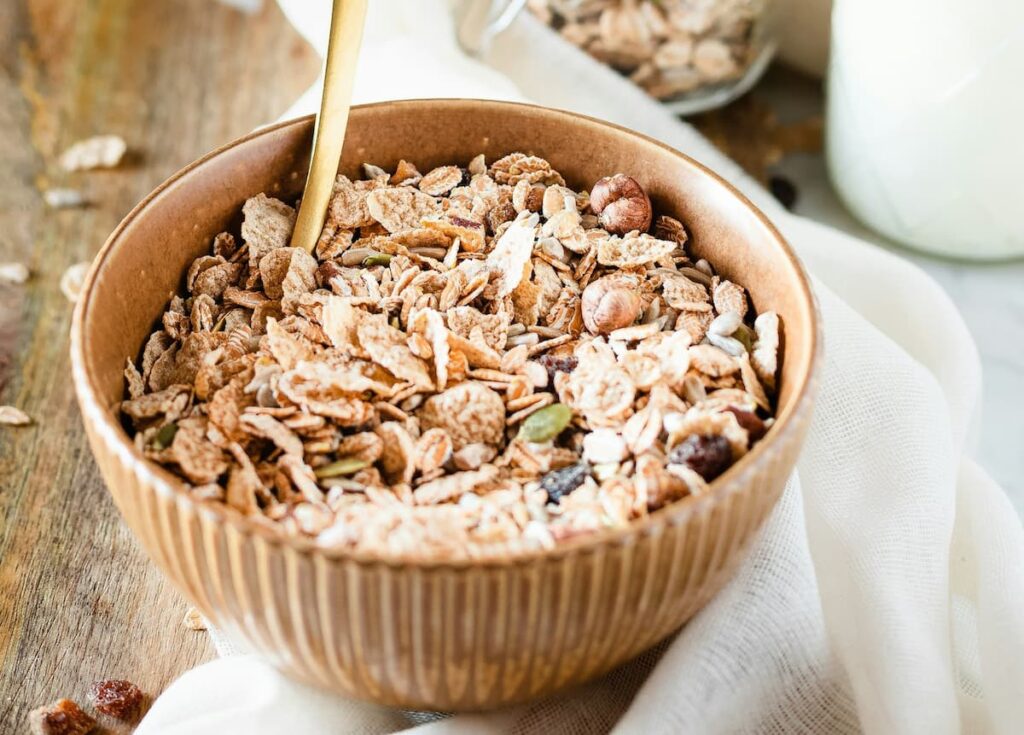
Fiber slows digestion, helps stabilize blood sugar, and increases fullness. Multiple studies show that high-fiber diets reduce appetite and cravings by prolonging satiety and improving gut hormone responses (Wanders et al., 2011).
Why It Works
Fiber forms a gel-like substance in the stomach, increasing gastric distention and triggering the release of appetite-regulating hormones.
How to Apply It
Include vegetables, fruits, legumes, whole grains, nuts, and seeds daily. Even small increases in fiber intake—like adding chia seeds or berries to breakfast—can help reduce cravings throughout the day.
7. Reduce Trigger Exposure and Modify Your Environment
Cravings are strongly influenced by external cues—such as seeing certain foods, smelling them, or keeping them close by. Research shows that environmental triggers activate the brain’s reward system, increasing both craving intensity and impulsive eating (Volkow et al., 2011).
Why It Works
Removing or reducing exposure to triggers decreases the number of craving episodes. If a craving never starts, you don’t have to fight it.
How to Apply It
Store tempting foods out of sight, keep healthier snacks easily accessible, and structure your environment to support your goals. For example, placing fruit on the counter while keeping sweets in a cabinet can significantly influence choices.
8. Practice Mindful Eating
Mindful eating improves awareness of hunger, fullness, and emotional cues that drive cravings. Numerous studies show that mindfulness-based practices reduce binge eating, emotional eating, and craving intensity (Keng et al., 2011).
Why It Works
Mindfulness strengthens the ability to pause between the urge and the behavior, allowing you to make more conscious decisions instead of reacting to cravings automatically.
How to Apply It
Slow down while eating, focus on the sensory aspects of food, avoid multitasking during meals, and check in with your hunger level before and after eating. Even one minute of intentional breathing before a snack can help interrupt impulsive decisions.
9. Keep Regular Meal Timing
Skipping meals or eating at irregular times increases the likelihood of cravings—especially in the late afternoon and evening. Studies show that consistent meal timing improves appetite regulation and reduces the intensity of cravings for high-energy foods (Alhussain et al., 2021).
Why It Works
Predictable eating patterns help maintain stable blood sugar and prevent hormonal fluctuations that contribute to cravings. Skipping meals triggers strong compensatory hunger cues, making indulgent foods harder to resist.
How to Apply It
Create a daily eating schedule that works for your lifestyle. You don’t need to eat every few hours, but avoid prolonged periods without food unless you are intentionally fasting and doing so in a structured way.
10. Allow Occasional Treats Without Guilt
Completely restricting enjoyable foods often backfires. Research consistently shows that rigid dietary restraint increases cravings and the likelihood of overeating, while flexible restraint leads to better long-term outcomes (Schaumberg et al., 2016).

Why It Works
When foods are labeled as “forbidden,” the brain assigns them higher reward value, increasing cravings. Allowing occasional treats reduces psychological pressure and improves adherence.
How to Apply It
Plan small amounts of your favorite foods into your diet occasionally and eat them mindfully rather than in response to stress. Enjoying treats without guilt removes the “all-or-nothing” mindset that fuels overindulgence.
Putting It All Together
Food cravings are normal, but they don’t have to control your behavior. By understanding the science behind cravings and applying these strategies consistently, you can reduce their frequency and intensity. Small changes—such as improving sleep, eating balanced meals, managing stress, and practicing mindful eating—add up and help you make choices that align with your long-term health and performance goals.
Below is a summary table outlining the key takeaways from each of the ten science-backed strategies.
References
- Adam,T.C. & Epel,E.S.,2007.Stress, eating and the reward system.Physiology & Behavior,91(4),pp.449-458.
- Alhussain,M.H., Macdonald,I.A. & Taylor,M.A.,2021.The impact of meal timing on appetite regulation.British Journal of Nutrition,126(3),pp.393-403.
- Benton,D. & Young,H.A.,2017.A meta-analysis of the relationship between blood glucose and mood.Neuroscience & Biobehavioral Reviews,72,pp.1-12.
- Cummings,D.E. et al.,2001.A preprandial rise in plasma ghrelin levels suggests a role in meal initiation.Diabetes,50(8),pp.1714-1719.
- Ganio,M.S. et al.,2011.Effects of mild dehydration on cognitive performance.British Journal of Nutrition,106(9),pp.1535-1543.
- Keng,S.L., Smoski,M.J. & Robins,C.J.,2011.Effects of mindfulness on psychological health: A review.Clinical Psychology Review,31(6),pp.1041-1056.
- Leidy,H.J. et al.,2011.The benefits of increasing protein intake on satiety and weight management.Journal of the American Dietetic Association,111(8),pp.1150-1160.
- Nguyen,N.Q. et al.,2015.Hormonal and appetite responses to high-protein meals.Clinical Nutrition,34(5),pp.868-875.
- Schaumberg,K. et al.,2016.Eating behaviors and restraint: A systematic review.Appetite,107,pp.373-392.
- Spathis,D. et al.,2021.Sleep duration and food cravings: A systematic review.Sleep Medicine Reviews,58,pp.101-103.
- Volkow,N.D. et al.,2011.Reward, dopamine, and the control of food intake: Implications for obesity.Trends in Cognitive Sciences,15(1),pp.37-46.
- Wanders,A.J. et al.,2011.Effects of dietary fiber on appetite, energy intake, and body weight.Nutrition Reviews,69(9),pp.536-552.