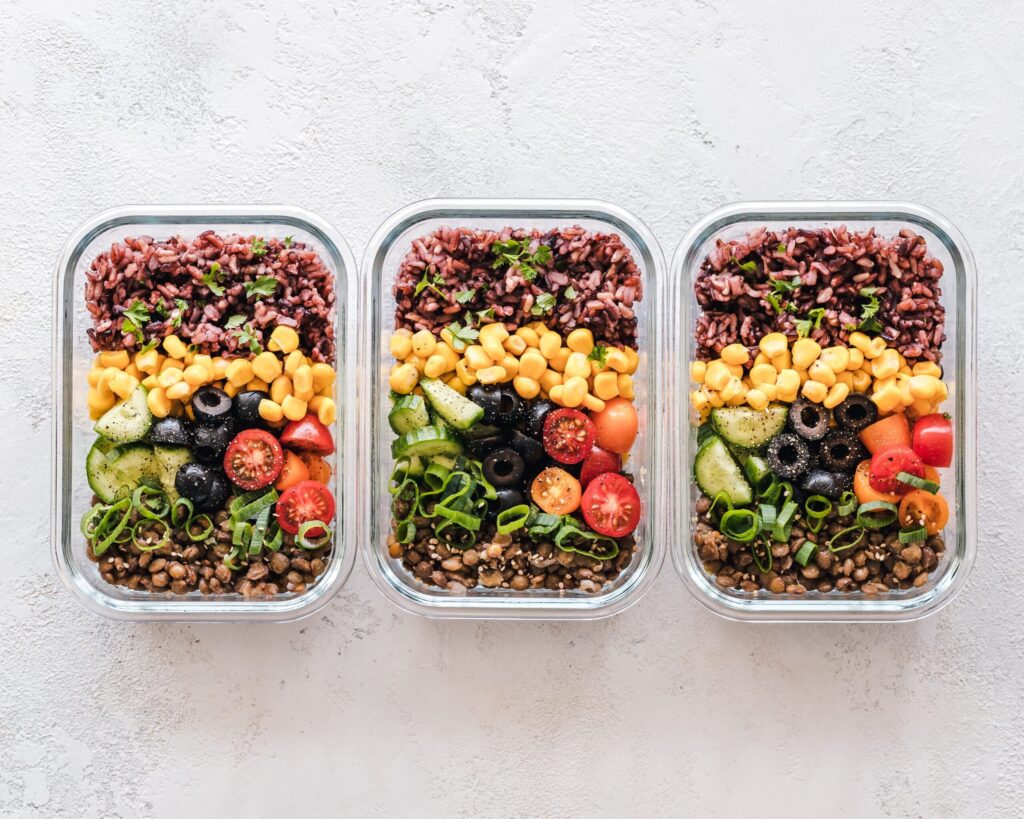
Learn how to stick to your diet!
Understand Your Why
Long-term dietary adherence starts with a clear understanding of why you are dieting. Whether it’s for health reasons, athletic performance, or body composition, having a strong internal motivation significantly increases adherence. Research indicates that intrinsic motivation leads to more sustainable weight loss and healthier eating habits compared to extrinsic motivation (Teixeira et al., 2012).
Set Realistic Goals
Unrealistic expectations often lead to frustration and diet abandonment. Studies suggest that setting small, achievable goals results in better long-term adherence. A review found that individuals with realistic weight loss expectations were more likely to maintain dietary changes over time (Dalle Grave et al., 2013).
Prioritise Protein Intake
Protein not only supports muscle maintenance but also enhances satiety. High-protein diets have been shown to improve appetite regulation, reduce calorie intake, and enhance weight loss (Leidy et al., 2015). Ensuring each meal contains a high-protein source can reduce cravings and help with dietary consistency.
Manage Hunger with Fibre-Rich Foods
Diets high in fibre promote satiety by slowing digestion and stabilising blood sugar levels. A study found that increasing dietary fibre intake resulted in lower overall calorie consumption and improved adherence to a calorie-restricted diet (Clark & Slavin, 2013). Incorporating fibre-rich foods such as vegetables, legumes, and whole grains helps control hunger and prevent binge eating episodes.
Plan and Prepare Meals in Advance
Meal prepping reduces the likelihood of making impulsive, unhealthy food choices. Research shows that individuals who plan their meals in advance have healthier diets and are more likely to meet their nutritional goals (Fulkerson et al., 2011). Preparing meals in bulk ensures that healthy options are readily available, reducing reliance on convenience foods.

Use the 80/20 Rule
Strict diets often lead to burnout and binge-eating cycles. Allowing 20% of your intake to come from foods you enjoy helps maintain long-term adherence. A study on flexible dieting approaches found that individuals who permitted occasional treats had better diet sustainability and overall psychological well-being compared to those on rigid diets (Westenhoefer, 2001).
Manage Stress and Sleep
Poor sleep and high stress levels negatively impact dietary adherence. Sleep deprivation increases cravings for high-calorie foods by altering ghrelin and leptin levels (Greer et al., 2013). Chronic stress also triggers emotional eating, making it harder to maintain a healthy diet. Implementing relaxation techniques and ensuring adequate sleep can improve dietary consistency.
Stay Hydrated
Dehydration can sometimes be mistaken for hunger, leading to unnecessary snacking. Studies suggest that drinking water before meals can reduce calorie intake and improve weight management (Dennis et al., 2010). Staying hydrated also supports digestion and overall metabolic function, aiding diet adherence.
Avoid an All-or-Nothing Mindset
Many individuals abandon their diet after a single deviation, believing they have “failed.” This mindset leads to cycles of binge eating and restriction. Cognitive behavioural therapy (CBT) techniques help individuals reframe setbacks as learning experiences, improving long-term adherence (Forman et al., 2009). Recognising that one slip does not negate overall progress fosters a healthier relationship with food.
Find a Support System
Social support plays a crucial role in dietary adherence. Studies indicate that individuals with accountability partners, whether friends, family, or online communities, are more likely to stick to their nutrition plans (Wing & Jeffery, 1999). Seeking support from like-minded individuals provides encouragement, accountability, and motivation to stay consistent.
Key Takeaways
| Tip | Key Insight |
|---|---|
| Understand Your Why | Strong internal motivation leads to better long-term adherence. |
| Set Realistic Goals | Achievable targets prevent frustration and promote consistency. |
| Prioritise Protein Intake | High-protein diets improve satiety and regulate appetite. |
| Manage Hunger with Fibre | Fibre-rich foods slow digestion and reduce cravings. |
| Plan and Prepare Meals | Meal prepping prevents impulsive, unhealthy food choices. |
| Use the 80/20 Rule | Occasional indulgences improve long-term adherence. |
| Manage Stress and Sleep | Poor sleep and high stress increase cravings and emotional eating. |
| Stay Hydrated | Proper hydration reduces unnecessary snacking and supports metabolism. |
| Avoid an All-or-Nothing Mindset | Reframing setbacks prevents binge-restrict cycles. |
| Find a Support System | Social accountability enhances motivation and consistency. |
Bibliography
Clark, M. J., & Slavin, J. L. (2013). The Effect of Fibre on Satiety and Food Intake: A Systematic Review. Journal of the American College of Nutrition, 32(3), 200-211.
Dalle Grave, R., Calugi, S., Centis, E., Marzocchi, R., El Ghoch, M., & Marchesini, G. (2013). Cognitive-Behavioral Strategies to Increase the Adherence to Exercise in the Management of Obesity. Journal of Obesity, 2013, 656204.
Dennis, E. A., Dengo, A. L., Comber, D. L., Flack, K. D., Savla, J., & Davy, B. M. (2010). Water Consumption Increases Weight Loss During a Hypocaloric Diet Intervention in Middle-aged and Older Adults. Obesity, 18(2), 300-307.
Forman, E. M., Butryn, M. L., Hoffman, K. L., & Herbert, J. D. (2009). An Open Trial of an Acceptance-Based Behavioral Intervention for Weight Loss. Cognitive and Behavioral Practice, 16(2), 223-235.
Fulkerson, J. A., Farbakhsh, K., Lytle, L., Hearst, M. O., Dengel, D. R., Pasch, K. E., & Kubik, M. Y. (2011). Away-from-Home Family Dinner Sources and Associations with Weight Status, Body Composition, and Related Biomarkers of Chronic Disease Among Adolescents and Their Parents. Journal of the American Dietetic Association, 111(12), 1892-1897.