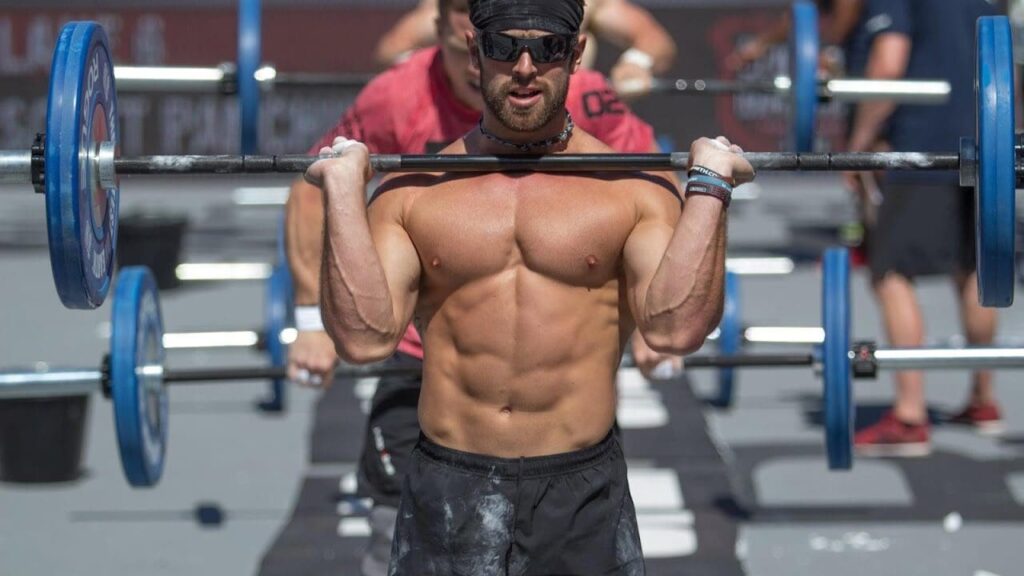
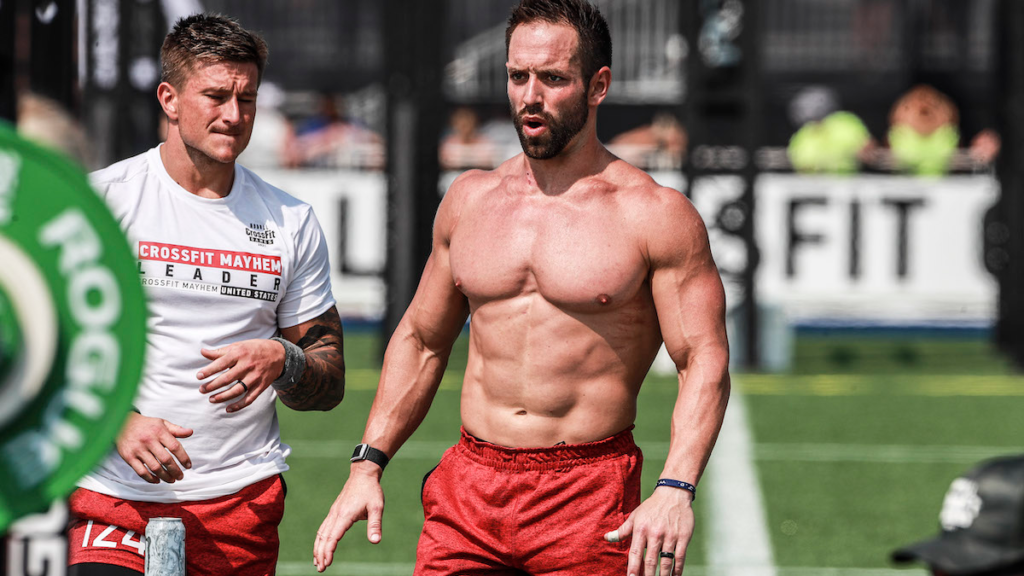
Achieving the coveted V-shaped torso, characterised by broad shoulders and a narrow waist, requires a combination of effective fat loss strategies and muscle-building exercises. This article outlines ten scientifically-backed methods to help men shed fat faster and achieve an attractive V-shaped physique.
1. Optimise Your Diet for Fat Loss
Prioritise Protein Intake
High protein diets have been shown to enhance fat loss while preserving lean muscle mass. Protein boosts metabolism through the thermic effect of food (TEF), where approximately 20-30% of protein calories are burned during digestion and processing by the body (Jäger et al., 2017).
Aim for 1.6 to 2.2 grams of protein per kilogram of body weight per day. Incorporate sources like lean meats, fish, eggs, dairy, legumes, and plant-based proteins.
Reduce Refined Carbohydrates
Refined carbohydrates, such as those found in sugary snacks and white bread, can spike insulin levels, promoting fat storage and hunger. Studies suggest that low-carbohydrate diets are effective in reducing visceral fat and improving metabolic health (Tobias et al., 2015).
Opt for whole grains, vegetables, and fruits to keep your carbohydrate intake nutritious and low on the glycaemic index.
Incorporate Healthy Fats
Healthy fats, including monounsaturated and polyunsaturated fats, can aid in fat loss by promoting satiety and supporting metabolic health. Sources include avocados, nuts, seeds, olive oil, and fatty fish. A balanced intake of fats can help you feel fuller for longer and reduce overall calorie consumption (Willett & Leibel, 2002).
2. Engage in High-Intensity Interval Training (HIIT)
High-Intensity Interval Training (HIIT) involves short bursts of intense exercise followed by brief recovery periods. This training modality has been shown to be highly effective for fat loss. HIIT workouts can burn significant calories in a shorter amount of time compared to traditional steady-state cardio and increase post-exercise oxygen consumption, leading to continued calorie burn after the workout (Gillen & Gibala, 2014).
Incorporate HIIT workouts 2-3 times per week, using exercises such as sprints, burpees, and cycling intervals.
3. Strength Training to Build Muscle
Strength training is crucial for achieving a V-shaped torso as it builds muscle mass, particularly in the upper body. Muscle tissue is metabolically active and burns more calories at rest compared to fat tissue. Compound exercises such as deadlifts, bench presses, and pull-ups are particularly effective.
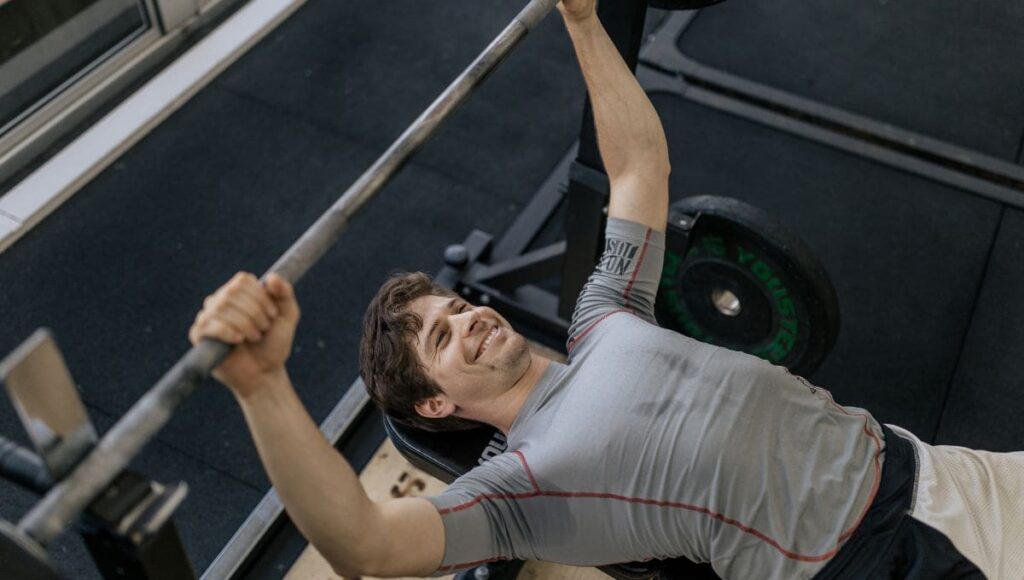
Aim for 3-4 strength training sessions per week, focusing on progressive overload to continuously challenge your muscles and promote growth (Kraemer & Ratamess, 2004).
4. Prioritise Sleep and Stress Management
Improve Sleep Quality
Poor sleep quality and insufficient sleep can negatively impact your body’s ability to lose fat. Sleep deprivation disrupts hormones that regulate hunger, such as ghrelin and leptin, leading to increased appetite and calorie consumption (Spiegel et al., 2004). Aim for 7-9 hours of quality sleep per night.
Manage Stress
Chronic stress elevates cortisol levels, which can promote fat storage, particularly around the abdomen. Effective stress management techniques include mindfulness meditation, yoga, and deep breathing exercises (Epel et al., 2000).
5. Stay Hydrated
Hydration plays a key role in metabolic function and fat loss. Drinking water before meals can increase feelings of fullness and reduce overall calorie intake. Additionally, staying hydrated supports physical performance and energy levels, which are essential for maintaining an active lifestyle (Stookey et al., 2008).
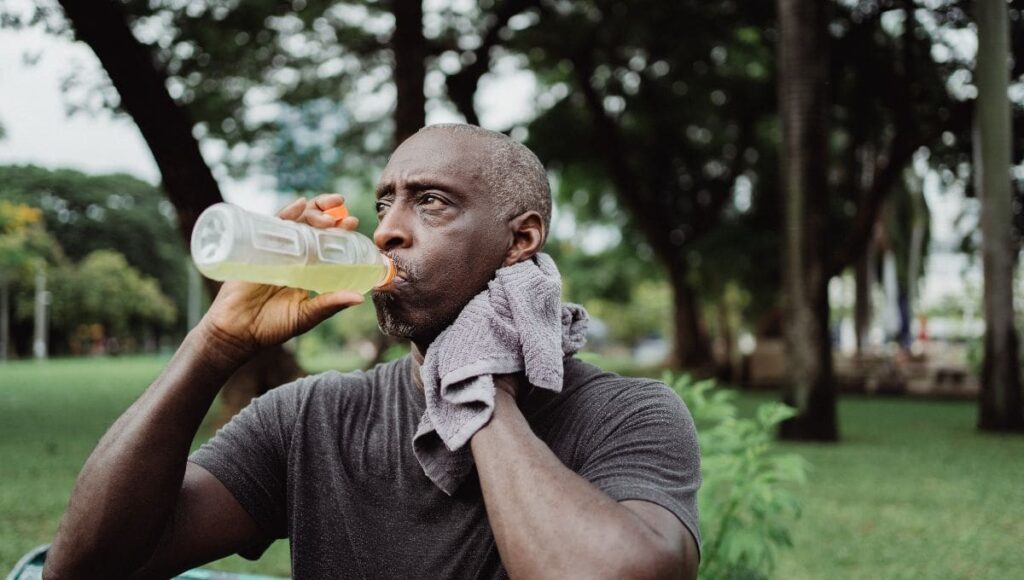
Aim for at least 3 litres of water per day, adjusting based on activity level and climate.
6. Implement Intermittent Fasting
Intermittent fasting (IF) involves cycling between periods of eating and fasting. This eating pattern has been shown to support fat loss while maintaining muscle mass. Popular methods include the 16/8 method (16 hours of fasting followed by an 8-hour eating window) and the 5:2 diet (5 days of normal eating and 2 days of restricted calorie intake) (Patterson et al., 2015).
Choose an IF schedule that fits your lifestyle and ensures you are still able to meet your nutritional needs during eating periods.
7. Track Your Progress and Adjust Accordingly
Regularly tracking your progress can help you stay motivated and make necessary adjustments to your diet and exercise routine. Use methods such as body measurements, progress photos, and body fat percentage assessments to monitor changes.
Adjust your caloric intake and workout intensity based on your progress to continue moving towards your V-shaped torso goal.
8. Incorporate Core-Specific Workouts
While spot reduction of fat is a myth, strengthening your core muscles can enhance the appearance of a lean and defined waistline. Core exercises such as planks, Russian twists, and leg raises can build muscle and improve overall stability and posture (Schoenfeld, 2010).
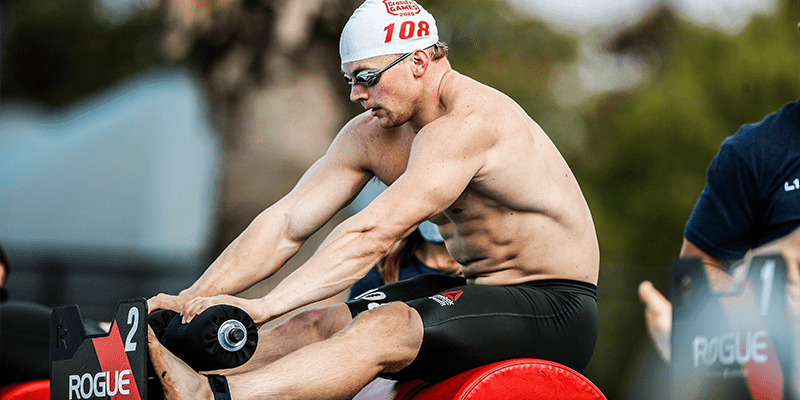
Include core-specific workouts 2-3 times per week as part of your strength training routine.
9. Utilise Nutritional Supplements Wisely
Consider Protein Supplements
Protein supplements can help you meet your daily protein requirements, especially if you have a busy lifestyle. Whey protein, casein, and plant-based protein powders are popular choices.
Green Tea Extract
Green tea extract contains catechins and caffeine, which have been shown to enhance fat burning and increase energy expenditure (Hursel et al., 2009). Consider incorporating green tea or its extract into your routine.
Omega-3 Fatty Acids
Omega-3 supplements, such as fish oil, can support fat loss by reducing inflammation and improving metabolic health. Studies suggest that omega-3s can help reduce body fat and improve body composition (Buckley et al., 2009).
10. Stay Consistent and Patient
Achieving a V-shaped torso requires time, consistency, and patience. Sustainable fat loss and muscle gain come from long-term adherence to a healthy lifestyle. Avoid drastic diets or extreme exercise routines that are not maintainable. Focus on gradual progress and celebrate small milestones along the way.
Set Realistic Goals
Set realistic and achievable goals, such as losing 0.5-1 kg of fat per week. This approach is not only healthier but also more sustainable in the long run.
Conclusion
Sculpting a V-shaped torso involves a combination of effective fat loss strategies and muscle-building exercises. By optimising your diet, engaging in HIIT and strength training, prioritising sleep and stress management, staying hydrated, implementing intermittent fasting, tracking progress, incorporating core workouts, using supplements wisely, and maintaining consistency, you can achieve your fitness goals.
Remember, the journey to a better physique is a marathon, not a sprint. Stay dedicated, make informed choices, and the results will follow.
Key Takeaways
| Strategy | Key Points |
|---|---|
| Optimise Diet | High protein intake, reduce refined carbs, incorporate healthy fats |
| HIIT | Effective for fat loss, increases post-exercise calorie burn |
| Strength Training | Builds muscle mass, enhances metabolic rate |
| Sleep & Stress Management | Improve sleep quality, manage stress to regulate hormones |
| Hydration | Supports metabolic function and physical performance |
| Intermittent Fasting | Effective for fat loss, maintain muscle mass |
| Track Progress | Use body measurements, photos, and adjust diet/workout accordingly |
| Core Workouts | Strengthen core muscles, enhance waistline appearance |
| Nutritional Supplements | Protein supplements, green tea extract, omega-3 fatty acids |
| Consistency and Patience | Sustainable lifestyle changes, realistic goal setting |
Bibliography
Buckley, J. D., Howe, P. R., Buckley, J. D., & Howe, P. R. (2009). Long-chain omega-3 polyunsaturated fatty acids may be beneficial for reducing obesity—a review. Nutrients, 1(2), 105-121.
Epel, E. S., McEwen, B., Seeman, T., Matthews, K., Castellazzo, G., Brownell, K. D., Bell, J., & Ickovics, J. R. (2000). Stress and body shape: stress-induced cortisol secretion is consistently greater among women with central fat. Psychosomatic Medicine, 62(5), 623-632.
Gillen, J. B., & Gibala, M. J. (2014). Is high-intensity interval training a time-efficient exercise strategy to improve health and fitness?. Applied Physiology, Nutrition, and Metabolism, 39(3), 409-412.
Hursel, R., Westerterp-Plantenga, M. S., & Westerterp-Plantenga, M. S. (2009). Thermogenic ingredients and body weight regulation. International Journal of Obesity, 34(4), 659-669.
Jäger, R., Kerksick, C. M., Campbell, B. I., Cribb, P. J., Wells, S. D., Skwiat, T. M., Purpura, M., Ziegenfuss, T. N., Ferrando, A. A., Arent, S. M., & Others. (2017). International Society of Sports Nutrition Position Stand: protein and exercise. Journal of the International Society of Sports Nutrition, 14(1), 20.
Kraemer, W. J., & Ratamess, N. A. (2004). Fundamentals of resistance training: progression and exercise prescription. Medicine & Science in Sports & Exercise, 36(4), 674-688.
Patterson, R. E., Laughlin, G. A., LaCroix, A. Z., Hartman, S. J., Natarajan, L., Senger, C. M., Martínez, M. E., Villaseñor, A., Sears, D. D., Marinac, C. R., & Gallo, L. C. (2015). Intermittent fasting and human metabolic health. Journal of the Academy of Nutrition and Dietetics, 115(8), 1203-1212.
Schoenfeld, B. J. (2010). Core training for improved performance. NSCA’s Performance Training Journal, 9(1), 19-22.
Spiegel, K., Tasali, E., Penev, P., & Van Cauter, E. (2004). Brief communication: sleep curtailment in healthy young men is associated with decreased leptin levels, elevated ghrelin levels, and increased hunger and appetite. Annals of Internal Medicine, 141(11), 846-850.
Stookey, J. D., Constant, F., Gardner, C. D., & Popkin, B. M. (2008). Drinking water is associated with weight loss in overweight dieting women independent of diet and activity. Obesity, 16(11), 2481-2488.
Tobias, D. K., Chen, M., Manson, J. E., Ludwig, D. S., Willett, W., & Hu, F. B. (2015). Effect of low-fat vs. other diet interventions on long-term weight change in adults: a systematic review and meta-analysis. The Lancet Diabetes & Endocrinology, 3(12), 968-979.
Willett, W. C., & Leibel, R. L. (2002). Dietary fat is not a major determinant of body fat. The American Journal of Medicine, 113(9), 47-59.
This article provides evidence-based strategies to support your journey towards a V-shaped torso. Adjust your diet, engage in high-intensity workouts, and adopt healthy lifestyle habits to see significant improvements. Stay consistent, track your progress, and use the recommended methods to achieve your fitness goals effectively.