Sleep is a fundamental aspect of overall health and well-being, yet many people struggle with various sleep-related issues. Addressing these common concerns can help improve sleep quality and, consequently, overall health. This article explores the most frequently asked sleep questions, offering insights and practical advice to help you achieve better rest.
Sleep is crucial for maintaining physical health, mental clarity, and emotional balance. However, many people experience difficulties in falling asleep, staying asleep, or getting restful sleep. Understanding the factors that affect sleep and how to manage them can significantly enhance your sleep quality.
The information in this article is largely based on a video shared by Mike Varshavski. Commonly known as Doctor Mike, Varshavski is a Russian-American family medicine physician who gained prominence through social media. He rose to fame on platforms like YouTube and Instagram, where he blends entertainment with medical education, offering his audience insights into health topics, medical myths, and wellness advice while also giving a glimpse into his life as a doctor. Doctor Mike’s approachable style and efforts to make medical information accessible and engaging to a broad audience have earned him a substantial following. He has nearly 4.5 million followers on Instagram and a whopping 12 million subscribers on YouTube.
Table of Contents
Comprehensive Guide to Common Sleep Questions
1. How Long Should It Take to Fall Asleep?
Falling asleep within 10 to 20 minutes is considered normal. This period, known as sleep latency, can vary among individuals. If you fall asleep immediately upon closing your eyes, it might indicate sleep deprivation. Conversely, lying awake for 45 minutes or more could signal a sleep disorder like insomnia. Occasional difficulty falling asleep is normal, but a consistent pattern warrants medical consultation.
Unlock the Secrets to Better Sleep: 6 Expert Tips
2. Is a Full Stomach Good for Sleep?

Eating a large meal before bed can disrupt sleep by causing heartburn and digestive discomfort. It’s best to have a moderate dinner at least two to three hours before bedtime. If you’re hungry later, opt for a light, sleep-friendly snack, avoiding caffeine, spicy foods, and alcohol.
3. Is Exercise Helpful or Hurtful for Sleep?
Regular exercise can significantly improve sleep quality, enhancing deep sleep and overall restfulness. However, intense workouts right before bedtime might be stimulating. Aim to finish vigorous activities at least a few hours before sleep, but if evening exercise is your only option, it’s better than no exercise at all.
4. What’s the Best Sleep Position?
The optimal sleep position varies based on individual health needs. Back sleeping is often recommended for its alignment benefits, reducing pressure on the spine and joints. Side sleeping can alleviate snoring and sleep apnea, while stomach sleeping is generally discouraged due to strain on the neck and back. Personal comfort and any existing health issues should guide your choice.
8 Sleeping Habits KILLING Your Gains
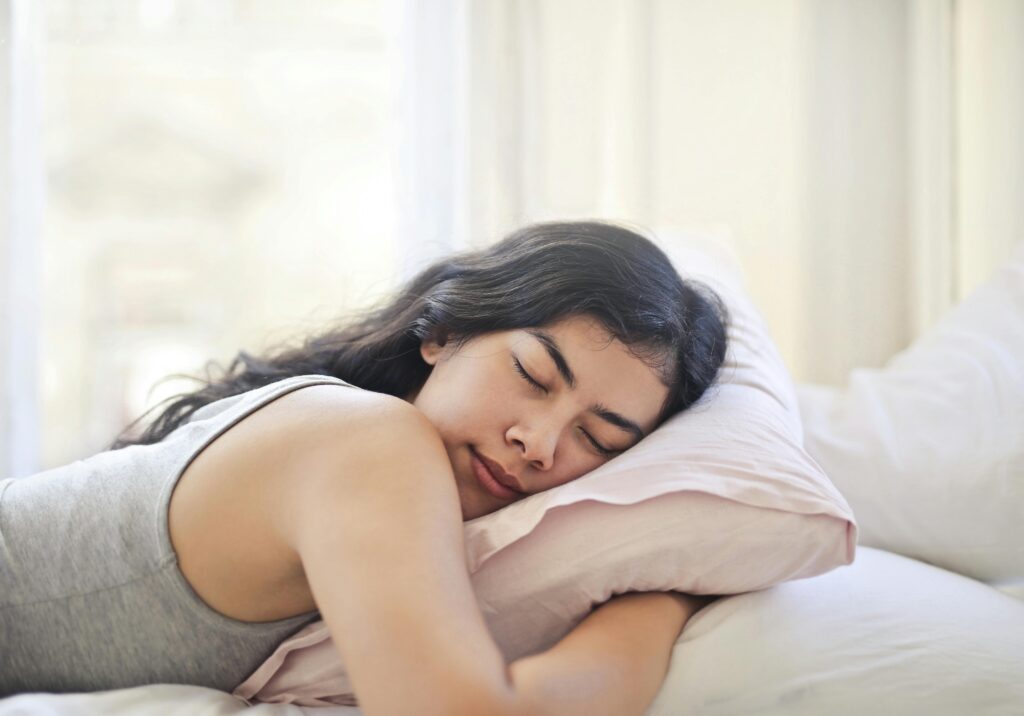
5. Is Sleeping Naked Healthy?
Sleeping naked can help regulate body temperature, potentially improving sleep quality. However, direct skin contact with bedding might expose you to allergens. Wearing light, breathable clothing like bamboo pyjamas can offer similar benefits while reducing exposure to potential irritants.
6. Does Temperature Really Matter?
Temperature plays a crucial role in sleep quality. Most experts recommend a bedroom temperature between 60 to 68 degrees Fahrenheit (15 to 20 degrees Celsius). A cooler environment helps lower core body temperature, facilitating the onset and maintenance of sleep. Using cooling technology, such as the Eight Sleep Pod, can provide personalized temperature control, enhancing sleep comfort.
7. Should I Let My Dog Sleep in Bed with Me?
Sleeping with pets is a personal choice and can be beneficial for some, providing comfort and companionship. However, pets can also disrupt sleep due to their movements and higher body temperature. Consider your sleep quality and health needs when deciding whether to share your bed with your furry friend.

8. Is a Sleep Divorce a Valid Strategy?
A sleep divorce, where partners sleep in separate beds or rooms, can be a practical solution for those whose sleep is disrupted by their partner’s habits. This arrangement can improve sleep quality and relationship satisfaction, reducing nighttime disturbances. Open communication and, if needed, professional guidance can help navigate this decision.
Research Shows How To Lose Fat While Sleeping
9. Does Different Fabric Give Better Sleep?
Natural fabrics like cotton, linen, and bamboo are generally more breathable and comfortable for sleep compared to synthetic materials. These fabrics help maintain an optimal sleeping temperature by allowing better air circulation and moisture-wicking properties. High thread count does not necessarily equate to better sleep, as lower thread count cotton can also be effective in promoting cool and restful sleep.

10. What’s the Deal with Sleep Medications?
Sleep medications, including prescription drugs and over-the-counter options like melatonin, should be used with caution. While they can provide temporary relief, long-term use can lead to dependency and other health issues. Addressing underlying causes of sleep problems and establishing healthy sleep habits are preferable to relying on medication.
11. What’s the Longest Someone Has Gone Without Sleep?
The record for the longest time without sleep is 18 days and 21 hours, set by Robert McDonald in 1986. Extreme sleep deprivation is dangerous and can lead to severe physical and mental health issues. The Guinness Book of World Records no longer recognises attempts to break this record due to the associated health risks.
Read More: What Happens to Your Body if You Only Sleep 4 Hours a Night for 30 Days?
Conclusion
Understanding and addressing common sleep issues can significantly enhance sleep quality and overall health. By following these guidelines and seeking professional advice when necessary, you can improve your sleep patterns and enjoy better rest.
Key Takeaways
| Question | Key Points |
| How long should it take to fall asleep? | 10-20 minutes is normal; immediate sleep or prolonged wakefulness could indicate a problem. |
| Is a full stomach good for sleep? | No, it can cause heartburn; eat a moderate dinner 2-3 hours before bed. |
| Is exercise helpful or hurtful for sleep? | Helpful if done regularly; avoid high-intensity exercise right before bed. |
| What’s the best sleep position? | Varies by individual; back sleeping often recommended, but personal comfort is key. |
| Is sleeping naked healthy? | Yes, it can regulate temperature; alternatively, use light, breathable clothing. |
| Does temperature really matter? | Yes, ideal bedroom temperature is 60-68°F (15-20°C); cooling technology can help. |
| Should I let my dog sleep in bed with me? | Depends on personal comfort and sleep quality; pets can both help and hinder sleep. |
| Is a sleep divorce a valid strategy? | Yes, it can improve sleep and relationship satisfaction if needed. |
| Does different fabric give better sleep? | Natural fabrics like cotton, linen, and bamboo are better for breathability and comfort. |
| What’s the deal with sleep medications? | Use cautiously; address underlying issues and establish healthy habits instead. |
| What’s the longest someone has gone without sleep? | 18 days and 21 hours; extreme sleep deprivation is dangerous and not recommended. |
Improving your sleep is an ongoing process that involves understanding your body’s needs and making adjustments to your lifestyle and environment. With the right knowledge and practices, you can achieve better sleep and overall health.