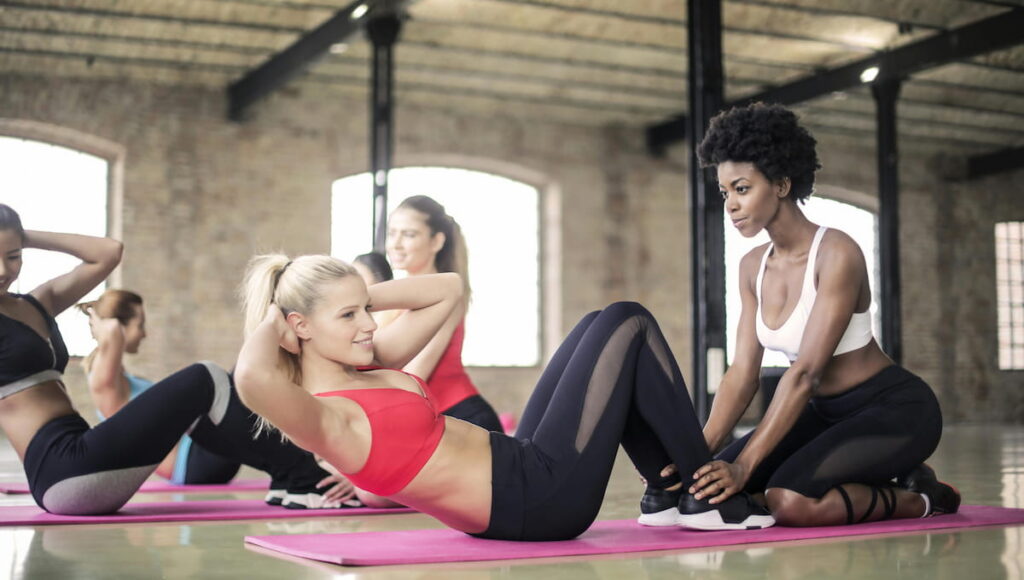
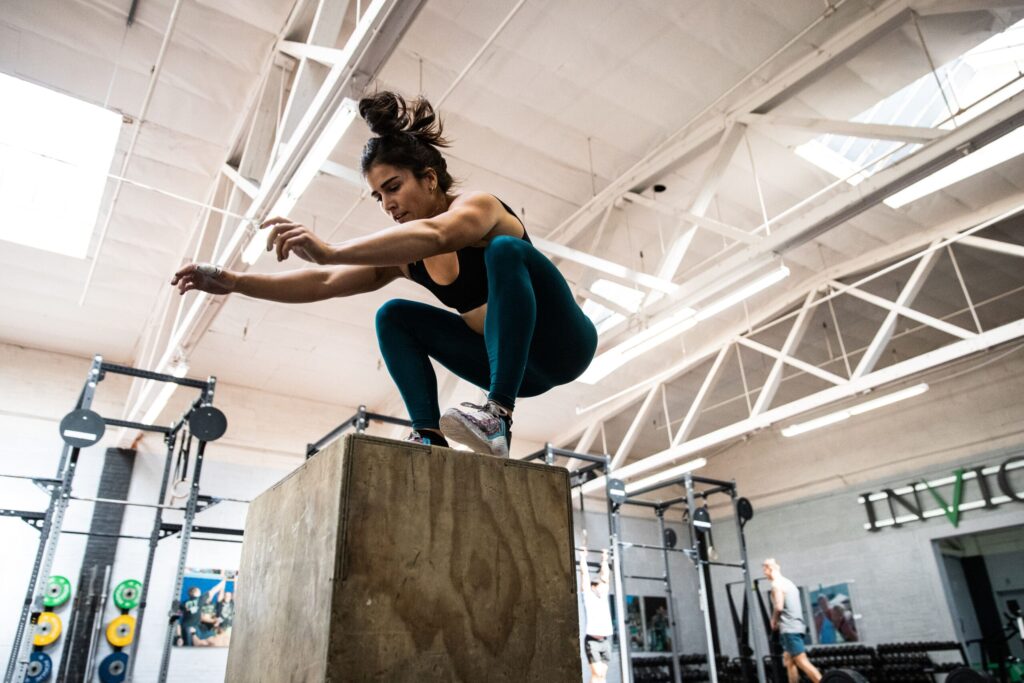
Getting visible, defined abs requires a combination of proper nutrition, consistent training, and exercises that stimulate the core muscles effectively. While gym equipment can help, it’s not necessary. Bodyweight movements can activate the abdominal muscles to a high degree, offering strength, endurance, and hypertrophy benefits without needing anything other than your body.
The following twelve exercises are science-backed and ranked by their effectiveness in recruiting the core muscles—particularly the rectus abdominis, obliques, and transverse abdominis.
1. Hollow Body Hold
The hollow body hold is a staple in gymnastics for a reason. It trains core stability and isometric endurance in the rectus abdominis and transverse abdominis. In a 2014 study on core stability, researchers found that static holds like the hollow body position increase deep core activation and improve spinal stability (Kibler et al., 2014). To perform it, lie flat, contract your core to press your lower back into the floor, lift your legs and shoulders slightly off the ground, and hold.
2. Hanging Leg Raises
Electromyographic (EMG) analysis shows that hanging leg raises activate the lower rectus abdominis more than many traditional ab exercises (Escamilla et al., 2010). By lifting the legs while hanging from a pull-up bar, you increase the lever arm and core tension, intensifying the demand on the abs. This also recruits the hip flexors, but proper form—posterior pelvic tilt and controlled movement—keeps the emphasis on the core.
3. Ab Wheel Rollouts (Bodyweight Version: Walkouts)
While the ab wheel itself is equipment, the same stimulus can be achieved through bodyweight walkouts from a standing or kneeling position. EMG data ranks rollouts as one of the highest activation movements for the rectus abdominis and obliques (Andersson et al., 1997). By extending the body into a near-horizontal plank and retracting, the abs must contract eccentrically and concentrically to stabilize the spine.
4. V-Ups
V-Ups are a dynamic movement that targets both upper and lower rectus abdominis. The simultaneous raising of legs and torso increases muscle activation. According to research by Axler and McGill (1997), movements that involve hip flexion and spinal flexion together significantly recruit the entire abdominal wall. This makes V-Ups an effective conditioning and hypertrophy tool.
5. Plank to Push-Up (Dynamic Planks)
Traditional planks are a solid isometric exercise, but dynamic variations increase core demand by introducing movement and instability. A study by Ekstrom et al. (2007) found that transitioning between plank and push-up positions significantly increased activation in the transverse abdominis and external obliques due to the shifting base of support and need for anti-rotation.
6. Side Plank with Reach Under
Oblique training is critical for rotational strength and spinal support. Side planks already target the internal and external obliques, but adding a reach-under component increases rotational torque, which boosts muscular engagement. A 2018 study in the Journal of Sports Science & Medicine showed that rotational planking variations led to higher oblique EMG activation compared to static holds (Lehman et al., 2005).
7. Reverse Crunches
Reverse crunches are superior to traditional crunches in targeting the lower portion of the rectus abdominis. They also reduce spinal load compared to sit-ups. Clark et al. (2003) found that reverse crunches, when performed with posterior pelvic tilt, maximized abdominal activation while minimizing lumbar spine stress, making them safer for long-term use.
8. Mountain Climbers
Mountain climbers are a compound movement that combines core stabilization with cardiovascular conditioning. They require constant isometric engagement of the abs to stabilize the spine while the legs alternate quickly. Research by Willardson et al. (2006) supports that dynamic instability increases core muscle recruitment, particularly in multi-planar activities like mountain climbers.
9. Dead Bug
The dead bug is an underrated but highly effective move for training core stabilization and anti-extension. It’s used in physical therapy and athletic development because it forces the deep core to activate without spinal flexion. Studies have shown that dead bugs produce significant activation in the transverse abdominis and rectus abdominis, particularly when movement is slow and controlled (Ekstrom et al., 2007).
10. L-Sit Hold
The L-sit requires tremendous isometric strength and endurance in the rectus abdominis, hip flexors, and even quads. Though it looks simple, holding the L position challenges core stability under constant load. EMG research by Youdas et al. (2008) ranked the L-sit among the highest in ab engagement due to the constant torque created by leg position and gravity.
11. Bicycle Crunches
Despite their simplicity, bicycle crunches are among the most effective ab exercises according to EMG studies. The American Council on Exercise found in a comparative study that bicycle crunches generated the highest activity in both the rectus abdominis and obliques compared to traditional crunches and other core exercises (Porcari et al., 2001). The twisting motion and alternating leg drive make it a top choice for abdominal hypertrophy and endurance.
12. Flutter Kicks
Flutter kicks may seem basic, but they deliver high-frequency stimulation to the lower abs and hip flexors. The key is to keep the lower back pressed into the floor and legs low to maintain tension.
A 2015 study in the Journal of Strength and Conditioning Research noted that sustained low-leg movements increase rectus abdominis activation, especially when performed for extended periods (Snarr et al., 2015).
Key Takeaways Table
| Exercise | Targeted Muscles | Key Benefit |
|---|---|---|
| Hollow Body Hold | Rectus abdominis, transverse abdominis | Enhances core endurance and spinal stability |
| Hanging Leg Raises | Lower rectus abdominis | High activation, improves lower ab strength |
| Walkouts | Entire core | Emulates ab wheel rollout, high EMG activity |
| V-Ups | Upper and lower abs | Great for hypertrophy and control |
| Plank to Push-Up | Transverse abdominis, obliques | Builds anti-rotation and dynamic control |
| Side Plank with Reach | Obliques | Trains rotational core strength |
| Reverse Crunch | Lower abs | Low spine load, focused lower ab work |
| Mountain Climbers | Core, hip flexors | Combines core strength with cardio |
| Dead Bug | Transverse abdominis | Anti-extension, rehab-friendly |
| L-Sit Hold | Entire anterior core | Advanced isometric core challenge |
| Bicycle Crunch | Obliques, rectus abdominis | Top-rated by EMG for full ab activation |
| Flutter Kicks | Lower abs | High frequency, endurance focus |