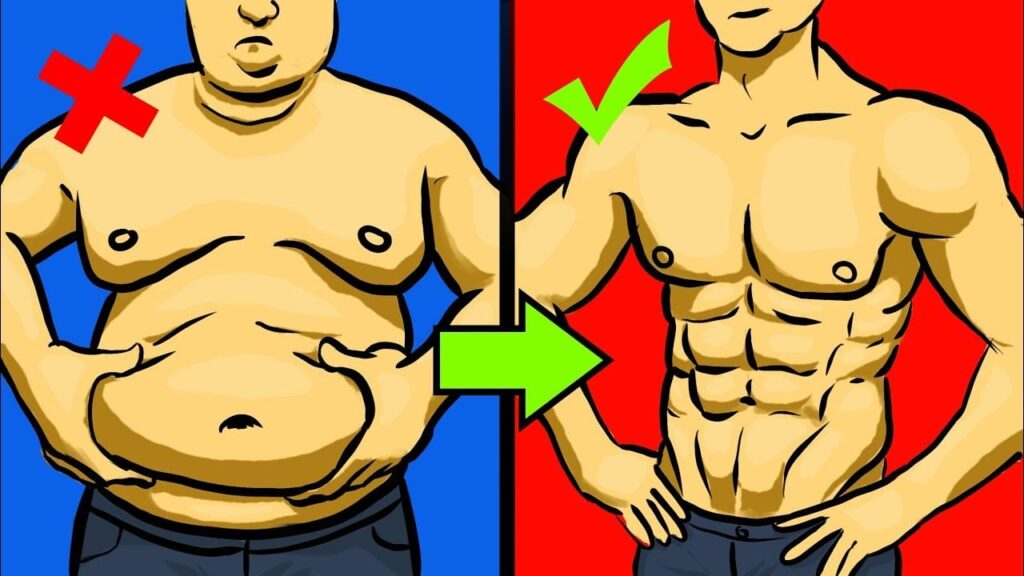
Persistent adipose tissue tends to accumulate in areas such as the lower abdomen, love handles, or chest, presenting a notorious challenge when attempting to eliminate it.
This difficulty is not unique to you but extends to everyone, including myself, particularly in the region around my love handles.
The resilience of this type of fat stems from its distinct characteristics. It experiences reduced blood circulation compared to other fat deposits and possesses a higher concentration of alpha-receptors, hindering fat breakdown.
Simultaneously, it features a lower number of beta-receptors, which are responsible for promoting fat release. These factors contribute to its resistance against conventional diet and exercise approaches.
Effectively eliminating stubborn fat requires a sustained caloric deficit and a consistent intake of health-promoting, fat-burning foods over an extended period. The key to achieving this is finding enjoyment in your diet, as losing motivation just before witnessing the gradual dissolution of stubborn fat is a common pitfall.
Today, we aim to provide you with a list, compiled by Max Posternak from the Gravity Transformation Youtube channel, of 15 foods that can be seamlessly integrated into your dietary plan, enhancing its sustainability, and enabling you to eventually target those stubborn fat stores.
Max’s list is a convergence of interesting different foods, allowing you to pick and choose which ones will be useful and effective for you and your tastes.
Video: 15 Foods to Lose Stubborn Fat
Watch his video to learn more, and to find out how diet soda can even be utilised.
Timestamps for the 15 Foods
- #1 0:56 Egglife egg white wraps
- #2 1:45 Mash cauliflower
- #3 2:18 Shirataka noodles
- #4 2:56 Italian ice
- #5 3:30 Portabella mushroom caps
- #6 4:18 Sugar-free jello
- #7 4:42 Butter-free popcorn
- #8 5:10 Zuzzhini pasta
- #9 5:50 Chicken noodle soup
- #10 6:18 Diet soda/drinks
- #11 7:12 Powdered peanut butter
- #12 7:42 Plain non-fat greek yogurt
- #13 8:40 Walden farms dressing
- #14 8:49 Low-calorie condiments
- #15 9:22 Protein bars
What are the Benefits of a Lower Body Fat Percentage?
Achieving and maintaining a lower body fat percentage can offer various health and aesthetic benefits. Here are some of the potential advantages:
Improved Cardiovascular Health: Lower body fat levels are associated with a reduced risk of cardiovascular diseases. Excess body fat, especially around the abdominal area, is linked to conditions like heart disease and high blood pressure.
Enhanced Metabolic Health: Lower body fat is often correlated with better insulin sensitivity, which means your body can more effectively regulate blood sugar levels. This can help prevent or manage conditions like type 2 diabetes.
Joint Health: Carrying excess body weight can put additional stress on joints, leading to issues such as osteoarthritis. Maintaining a lower body fat percentage can help reduce the load on joints, promoting better joint health.
Increased Energy Levels: Lower body fat levels are generally associated with improved energy levels and endurance. This can contribute to better physical performance in various activities, from daily tasks to sports and exercise.

Improved Hormonal Balance: Adipose tissue (body fat) can produce hormones, and excess body fat, especially around the abdomen, is linked to hormonal imbalances. Maintaining a healthy body fat percentage can contribute to better hormonal balance.
Enhanced Athletic Performance: Lower body fat levels can improve the power-to-weight ratio, which is crucial for many sports. Athletes often aim for lower body fat percentages to optimize their performance.
Better Body Composition: Achieving and maintaining a lower body fat percentage often involves gaining or preserving lean muscle mass. This contributes to a more favorable body composition, which is associated with improved overall health.
Positive Psychological Effects: For many individuals, achieving a lower body fat percentage can boost self-esteem and body image. Feeling good about one’s physical appearance may lead to increased confidence and mental well-being.
Reduced Risk of Obesity-Related Conditions: Excess body fat is associated with an increased risk of various health conditions, including certain cancers, sleep apnea, and liver disease. Maintaining a lower body fat percentage can help reduce these risks.
Aesthetic Benefits: Lower body fat levels often result in a more defined and toned appearance. Many individuals pursue a lower body fat percentage for aesthetic reasons, seeking a leaner and more sculpted physique.
It’s essential to note that the ideal body fat percentage varies among individuals based on factors such as age, gender, genetics, and fitness goals. Additionally, extreme reductions in body fat can have negative health implications, so it’s crucial to pursue a balanced and sustainable approach to achieving and maintaining a healthy body composition.
Why Can a Diet be Hard to Stick To?
Sticking to a diet can be challenging for several reasons, and these challenges can vary from person to person. Here are some common reasons why people may find it difficult to adhere to a diet:
Unrealistic Expectations: If a diet sets unrealistic or overly restrictive expectations, individuals may find it hard to comply in the long term. Extreme diets that require significant changes in eating habits or drastic calorie restrictions may be difficult to sustain.
Lack of Enjoyment: If a diet plan involves foods that individuals do not enjoy or find unappetizing, they may struggle to stick with it. The enjoyment of meals is a significant factor in long-term dietary adherence.
Social and Environmental Influences: Social situations and environments can strongly influence eating habits. If a person’s social circle or environment encourages unhealthy food choices, it can be challenging to stick to a diet plan.
Emotional Eating: Emotional factors, such as stress, boredom, sadness, or anxiety, can lead to emotional eating. People may turn to food for comfort, making it difficult to adhere to a diet during challenging emotional times.
Lack of Planning: Poor planning and preparation can make it easy to fall back into unhealthy eating habits. Without access to nutritious options or a plan for meals, individuals may resort to convenient but less healthy choices.
Cravings and Food Addiction: Cravings for high-calorie and sugary foods can be powerful and difficult to overcome. Some individuals may struggle with food addiction, making it challenging to resist certain types of foods.
Lack of Education and Knowledge: Some people may not have sufficient knowledge about nutrition and healthy eating. Without understanding the principles of a balanced diet, individuals may struggle to make informed food choices.

Slow Progress or Plateaus: If individuals do not see immediate results or experience weight loss plateaus, they may become discouraged and lose motivation to continue with the diet.
Rigid Rules: Diets with strict and inflexible rules may lead to feelings of deprivation. This can increase the likelihood of binge eating or falling off the diet altogether.
Boredom with the Diet: Eating the same foods repeatedly can lead to dietary boredom, making it more likely for individuals to abandon the diet in search of more variety.
Lifestyle Changes: Changes in lifestyle, such as a busy schedule or increased stress, can disrupt established eating habits and make it challenging to stick to a diet.
Lack of Social Support: Having a lack of support from friends, family, or a community can make it more challenging to stay motivated and accountable.
Successful adherence to a diet often requires addressing these challenges through realistic goal-setting, incorporating enjoyable and nutritious foods, seeking social support, and developing sustainable eating habits. Additionally, focusing on overall lifestyle changes rather than short-term dieting can contribute to long-term success.
5 Tricks to Help Anyone Stick to a Diet
Sticking to a diet can be challenging, but incorporating some practical strategies and mindset shifts can make the process more sustainable. Here are five tricks to help anyone stick to a diet:
Set Realistic and Achievable Goals:
Break down your long-term goals into smaller, realistic, and achievable milestones. This can make the process more manageable and provide a sense of accomplishment along the way.
Focus on behaviors rather than just outcomes. Instead of setting a goal like losing a certain amount of weight, consider goals related to healthy habits, such as eating more vegetables, drinking more water, or exercising regularly.
Find Enjoyable and Nutritious Foods:
Explore and experiment with a variety of healthy foods to find options that you genuinely enjoy. This can make sticking to your diet more enjoyable and sustainable in the long run.
Create a diverse and appealing menu that includes a mix of flavors, textures, and nutrients. This helps prevent boredom and increases the likelihood of sticking to your dietary plan.
Meal Planning and Preparation:
Plan your meals in advance to ensure you have nutritious options readily available. This reduces the temptation to make unhealthy food choices when you’re hungry and pressed for time.
Set aside time for meal preparation each week. Having pre-prepared meals or ingredients makes it easier to stick to your diet, especially during busy days.
Build a Support System:
Share your goals with friends, family, or a support group. Having a support system can provide encouragement, accountability, and understanding during challenging times.
Engage in activities with like-minded individuals who share similar health and fitness goals. This sense of community can foster motivation and make the process more enjoyable.
Practice Mindful Eating:
Pay attention to your body’s hunger and fullness cues. Eating mindfully can help you develop a healthier relationship with food and prevent overeating.
Be present and savor the flavors of your meals. Avoid distractions, such as watching TV or using electronic devices, while eating. This can help you appreciate your food and reduce the likelihood of mindless eating.
Remember that everyone’s journey is unique, and it’s essential to find strategies that work for you.
Additionally, be flexible and open to adjusting your approach as needed. Sustainable changes often involve a gradual and realistic transition to healthier habits rather than drastic or restrictive measures. If you have specific health concerns or goals, consulting with a registered dietitian or healthcare professional can provide personalized guidance and support.
Learn More
5 Reasons Why Walking for 30 Minutes Every Day will Help You Live a Longer Life
13 Easy to Cook Meals for Burning Your Visceral Fat Quicker (GET LEAN FAST)
8 Reasons Why Meal Prepping is Your Golden Ticket to a Flatter Stomach in 2024
Perfect 5 Minutes Posture Routine
How to Hack Muscle Growth in 2024
How to Get Stronger and Better Looking Glutes
The Perfect Biceps Workout for Muscle Mass and Great Looking Arms