Reaching and maintaining 15% body fat is a goal many strive for, as it represents a lean, healthy physique without venturing into the extremes. But what exactly does 15% body fat mean, and why do so many fitness enthusiasts target this percentage? Whether you’re a man aiming for visible muscle definition or a woman seeking a toned, fit look, 15% body fat offers numerous benefits in terms of health, appearance, and athletic performance.
This article will delve into what 15% body fat looks like, the differences between men and women at this level, and most importantly, how to achieve it. We’ll break down the science behind body fat, share evidence-based strategies for lowering fat, and outline sustainable approaches to maintaining your ideal body composition.
Table of Contents
What Does 15% Body Fat Look Like?
For Men
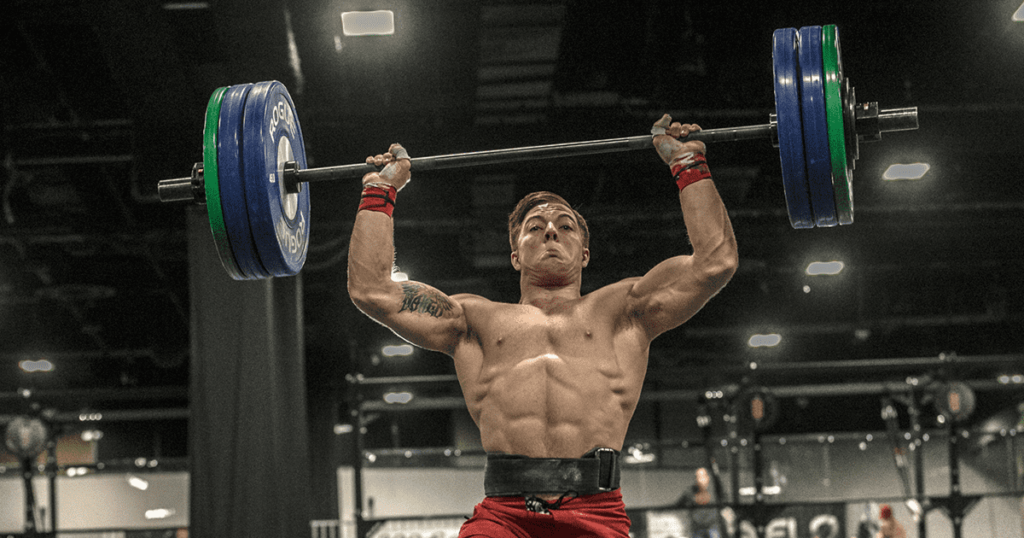
- Visible Abs: At 15% body fat, most men start to see some definition in their abdominal area, though the abs might not be fully “chiseled.”
- Muscle Definition: You’ll notice some muscle separation, particularly in the shoulders and arms, but the overall appearance remains healthy rather than excessively lean.
- Face: Men will typically have a more defined jawline and less fat around the face and neck.
For Women
- Toned Look: At this body fat percentage, women will have a defined, athletic appearance. Visible muscle definition, especially in the arms and legs, is noticeable.
- Stomach Area: For most women, 15% body fat won’t reveal six-pack abs but will show a flat, toned stomach.
- Face and Neck: Similar to men, a more defined jawline with a noticeable reduction in fat around the face is typical.
Ultimate Guide On How to Get Shredded – Steps to Lower Your Body Fat Percentage Every Time
Understanding Body Fat Percentage
What Is Body Fat?
Body fat percentage refers to the proportion of fat mass compared to your total body weight. Fat plays crucial roles in the body, including energy storage, hormone regulation, and protecting vital organs. However, excessive fat is linked to health risks, while too little fat can compromise health, especially for women.
Essential vs. Storage Fat
- Essential Fat: This is the minimum fat your body needs to function properly. For men, this is around 2-5%, and for women, it’s typically 10-13%. Essential fat is important for protecting organs, regulating body temperature, and supporting reproductive health (especially in women).
- Storage Fat: This is the fat you carry in addition to essential fat, which can be used for energy or stored around the body. When aiming to reduce body fat, we’re typically focused on lowering storage fat.

Healthy Body Fat Ranges
- Men: The healthy body fat range for men is typically considered to be between 10% and 20%.
- Women: For women, the healthy range is between 18% and 28%, taking into account essential fat levels required for hormonal and reproductive health.
At 15%, both men and women are within these healthy ranges, signalling a fit and athletic body composition.
The Best Ways to Use Walking to Get Under 15% Body Fat
Benefits of Reaching 15% Body Fat
Achieving 15% body fat has significant benefits that extend beyond aesthetics. Let’s explore the advantages of reaching this level.
Improved Health
- Reduced Risk of Chronic Diseases: A lower body fat percentage is associated with reduced risks of cardiovascular diseases, diabetes, and certain cancers. A 2020 study published in The Lancet found that maintaining a healthy body fat percentage reduced the risk of type 2 diabetes by 50%.
- Enhanced Hormonal Balance: For both men and women, healthy fat levels help regulate hormones. In men, excess fat can lead to reduced testosterone levels, while in women, too much fat can cause hormonal imbalances that affect menstruation.
- Better Metabolic Function: With less fat, the body’s metabolism improves. Research shows that higher body fat percentages are linked to insulin resistance and metabolic syndrome.
Enhanced Athletic Performance

- Improved Endurance: Leaner individuals tend to have better endurance, as there is less weight to carry during physical activity. Studies have shown that reducing body fat improves performance in endurance sports such as running and cycling.
- Increased Strength-to-Weight Ratio: A lower body fat percentage increases your strength-to-weight ratio, allowing for greater muscle efficiency. This is particularly beneficial for sports that require strength and agility.
Psychological and Emotional Benefits
- Boosted Confidence: Many people find that achieving a leaner physique helps improve their self-esteem and confidence. This can lead to a more positive outlook on life, contributing to better mental health overall.
- Reduced Stress: Research indicates that exercise and fat loss can help reduce levels of the stress hormone cortisol, leading to improved mood and lower stress.
How to Achieve 15% Body Fat
Reaching 15% body fat requires a combination of proper nutrition, regular exercise, and lifestyle adjustments. Let’s break down each component.
1. Nutrition: Fuel Your Fat Loss
Calorie Deficit
- Create a Moderate Deficit: To lose body fat, you need to consume fewer calories than you burn. A moderate calorie deficit of 10-20% below your maintenance level is generally recommended to promote sustainable fat loss without losing muscle mass.
- Track Your Intake: Use apps like MyFitnessPal or Cronometer to track calories and macronutrients, ensuring you stay on target with your goals.
Prioritise Protein
- Why Protein Is Key: Adequate protein intake is crucial when aiming for fat loss, as it preserves muscle mass while in a calorie deficit. Aiming for 1.6–2.2 grams of protein per kilogram of body weight has been shown to optimise fat loss while maintaining lean muscle.
- Protein-Rich Foods: Include lean meats, fish, eggs, dairy products, legumes, and plant-based protein sources in your diet.
Balance Macronutrients
- Carbs and Fats: There’s no one-size-fits-all approach to carb and fat intake. Both macronutrients are important, and balancing them to suit your energy needs and preferences is key. Aim for complex carbohydrates like whole grains and healthy fats such as avocados, nuts, and olive oil.
- Fibre for Satiety: High-fibre foods like vegetables, fruits, and legumes help keep you full and promote healthy digestion, making it easier to maintain a calorie deficit.
2. Exercise: Training for Fat Loss and Muscle Preservation
Strength Training
- Lift Weights Regularly: Strength training is essential for maintaining muscle while losing fat. Research has consistently shown that resistance training helps prevent muscle loss during fat loss phases.
- Focus on Compound Movements: Exercises like squats, deadlifts, bench presses, and rows engage multiple muscle groups, providing the best results for fat loss and strength.
12 Must-Have Exercises In Your Training Program
Cardiovascular Exercise
- Incorporate HIIT: High-intensity interval training (HIIT) has been shown to be one of the most effective forms of cardio for fat loss. It can boost your metabolism and burn more fat in a shorter amount of time.
- Low-Intensity Steady State (LISS): Combining HIIT with LISS, such as walking or cycling, can help you burn additional calories without causing fatigue or muscle loss.
Progressive Overload
- Challenge Your Muscles: Ensure that your strength training is progressive, meaning you gradually increase the resistance or intensity over time. This prevents plateaus and encourages continuous muscle growth, even in a calorie deficit.

How to Build Muscle: The 4 Day Split Program
3. Lifestyle Factors: Sleep and Stress Management
Prioritise Sleep
- Why Sleep Matters: Lack of sleep can derail your fat loss efforts by increasing hunger hormones like ghrelin and decreasing your ability to recover from workouts. Aim for 7-9 hours of quality sleep per night.
- Optimise Your Sleep Routine: Create a consistent sleep schedule, avoid screen time before bed, and make your sleep environment comfortable and conducive to rest.
Manage Stress
- The Cortisol Connection: High levels of chronic stress lead to elevated cortisol, a hormone linked to increased fat storage, particularly around the abdominal area.
- Stress-Relieving Practices: Meditation, yoga, and regular physical activity can help lower stress levels. Taking time to relax and engage in activities you enjoy is crucial for mental and physical health.
4. Consistency and Patience: The Key to Long-Term Success
Set Realistic Expectations
- Slow and Steady Wins the Race: Fat loss doesn’t happen overnight. Aim to lose 0.5–1% of your body weight per week, which translates to 0.5-1kg for most people.
- Avoid Drastic Measures: Extreme dieting or over-exercising can lead to muscle loss, burnout, and potential health issues. Consistency with a balanced approach is more sustainable.
Track Your Progress

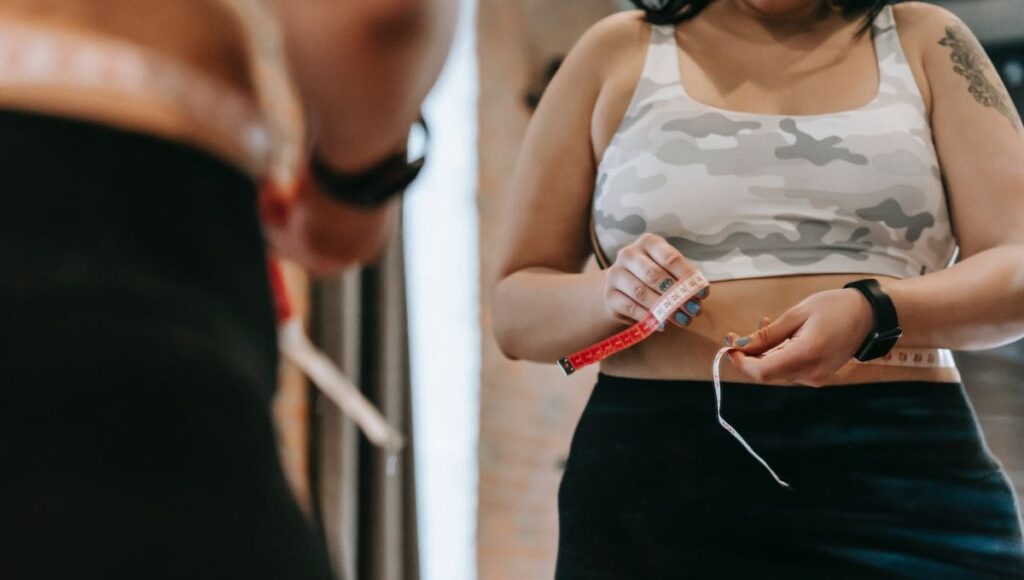
- Measure Beyond the Scale: Track your body measurements, strength gains, and how your clothes fit. A 2016 study found that body composition changes (like losing fat and gaining muscle) aren’t always reflected by the scale.
- Photos and Journals: Take progress photos and keep a journal of how you feel throughout your fat-loss journey. This can help you stay motivated and aware of non-scale victories.
How Long Does it Take to Get Down to 15% Body Fat?
Conclusion
Achieving and maintaining 15% body fat is a realistic and healthy goal for both men and women. At this level, you’ll enjoy improved muscle definition, enhanced athletic performance, and a reduced risk of chronic diseases. While it takes time and effort, reaching 15% body fat can be achieved with the right combination of nutrition, exercise, and lifestyle habits. Focus on consistency, create a sustainable calorie deficit, and ensure you’re balancing strength training with adequate recovery and stress management. Over time, the results will speak for themselves.
Are Low Body Fat Levels Unhealthy?
References
- The Lancet (2020). “Associations of body fat with risk of cardiovascular disease, diabetes, and cancer: a systematic review.”
- American Journal of Clinical Nutrition (2017). “Protein intake and preservation of lean mass during weight loss: a meta-analysis.”
- Journal of Sports Medicine (2019). “Effects of HIIT vs steady-state cardio on fat loss and metabolic adaptations.”
- Journal of Strength and Conditioning Research (2016). “Progressive overload and muscle preservation in fat loss phases.”
- Sleep Health (2018). “The role of sleep in weight loss: hormonal pathways and energy expenditure.”
Key Takeaways
| Topic | Key Points |
|---|---|
| What is 15% body fat? | A level where men have visible muscle definition, and women achieve a toned, athletic look. |
| Health Benefits | Reduced risks of chronic diseases, improved hormone balance, better metabolic function. |
| How to Achieve It | Combine a calorie deficit, strength training, HIIT, and proper recovery. |
| Importance of Nutrition | Prioritise protein, balance carbs and fats, track intake for sustainable fat loss. |
| Exercise | Focus on strength training with progressive overload and incorporate HIIT for fat burning. |
| Lifestyle Factors | Sleep 7-9 hours per night, manage stress with relaxation techniques, and stay consistent. |
| Long-Term Success | Slow, steady fat loss with realistic expectations leads to sustainable results. |