Find out 15 foods to speed up muscle growth that you probably didn’t know about.
Building muscle is a goal that many strive for, whether for aesthetic reasons, athletic performance, or overall health. However, the journey to increased muscle mass involves more than just regular visits to the gym. In fact, what you consume plays a crucial role, perhaps even more so than your workout regimen.
These insights are initially shared by Max Posternak, the visionary behind Gravity Transformation, a dedicated advocate for fitness improvement and weight loss with a substantial following of over 5.8 million subscribers on his YouTube channel.
This comprehensive guide will delve into the pivotal role nutrition plays in muscle development, highlighting 15 best foods to speed up muscle growth, including some lesser-known options that could give you an edge in your fitness journey.
15 Foods to Speed Up Muscle Growth
If you are in a hurry, here is what you’ve been wanting to see. According to Max Posternak, the 15 foods that can significantly speed up muscle growth include a mix of well-known protein sources, innovative options, and nutrient-dense foods. Here’s a concise list:
- Egg Life Egg White Wraps: A convenient and protein-rich alternative for various wraps and dishes.
- Mung Bean Fetuccini: A high-protein, low-carb pasta alternative, great for a light fetuccini Alfredo.
- Beef Jerky and Turkey Jerky: Lean, high-protein snacks perfect for on-the-go eating, with options like Jack Link’s Zero Sugar Beef Jerky being particularly noteworthy for their low carb and fat content.
- Seitan: A plant-based protein that’s high in protein and can mimic the taste and texture of chicken and meat, suitable for those reducing meat intake or following vegan/vegetarian diets.
- Bison Meat: A leaner, nutrient-rich alternative to beef, offering a high-quality amino acid profile with less fat.
- Light String Cheese: A low-calorie, high-protein snack that’s preferable to more processed options like protein bars.
- Greek and Icelandic Yogurt: Dairy options that are higher in protein than regular yogurt, offering a mix of fast and slow-digesting proteins.
- Eggs: A highly bioavailable source of protein, known for being rich in essential amino acids and nutrients.
- Brown Rice: A complex carbohydrate that provides steady energy release, supporting muscle performance.
- Tuna: Convenient and high in protein, making it easy to add to meals without the need for cooking or refrigeration.
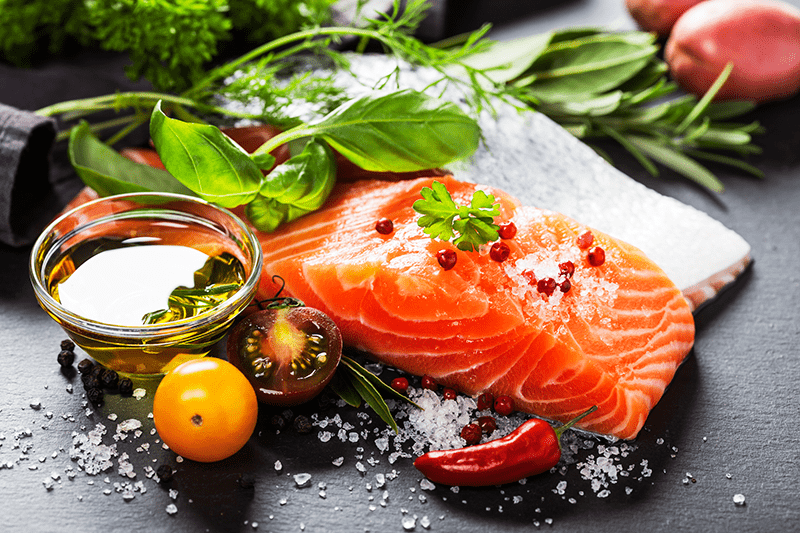
- Salmon: Rich in protein and omega-3 fatty acids, which support muscle synthesis and recovery.
- Sweet Potatoes: A high-carbohydrate food that provides sustained energy and is rich in antioxidants and vitamins.
- Chicken: A staple protein source in muscle-building diets, versatile for various recipes.
- Lean Ground Beef: Preferably grass-fed, a rich source of protein and natural creatine, aiding in muscle building.
- Lean Ground Turkey: A versatile protein that can be used in numerous healthy recipes, from turkey tacos to stir-fries.

Incorporating these foods into your diet can help accelerate muscle growth by providing the necessary nutrients for muscle repair, growth, and overall bodily function.
Read More: 10 Diet Mistakes That Are Ruining Your Muscle Gains
The Foundation: Nutrition and Muscle Building
Before diving into the specifics, it’s vital to understand the fundamental relationship between diet and muscle growth. Regardless of the intensity of your workouts, if your nutritional intake isn’t aligned with your goals, your progress will be minimal. Many enthusiasts prioritize their gym routine, focusing on sets, reps, and weights, while overlooking the critical post-workout phase in the kitchen. This guide aims to shift the focus towards nutritional strategies that complement your physical efforts, ensuring a balanced approach to muscle building.
Protein: The Building Block of Muscle
Protein stands at the forefront of muscle-building nutrients, providing the essential amino acids required for muscle repair and growth. While chicken, fish, and eggs are well-known protein sources, there are several other options that might not be on your radar yet.

Innovative Protein Sources:
- Egg Life Egg White Wraps: A novel addition to the market, these wraps offer a protein-packed alternative for creating delicious meals like soft tacos and low-carb enchiladas, with each wrap containing 5g of protein and minimal fat and carbs.
- Mung Bean Fetuccini: Unlike traditional pasta, mung bean fetuccini boasts a high protein content (24g per serving) with significantly lower carbs, offering a nutritious and tasty option for pasta lovers.
- Beef and Turkey Jerky: Ideal for on-the-go snacking, these jerky options provide a lean protein source, with some varieties like Jack Link’s Zero Sugar Beef Jerky being particularly low in carbs and fat.
Plant-Based Proteins
For those exploring vegetarian or vegan diets, or simply looking to reduce meat consumption, there are ample plant-based proteins that effectively support muscle growth:
- Seitan: This wheat-based protein is notable for its meat-like texture and high protein content, making it a versatile and nutritious option for plant-based diets.
- Bison Meat: Although not plant-based, bison offers a leaner alternative to traditional beef, with a superior amino acid profile and lower fat content, making it an excellent choice for those seeking quality meat sources.
- Related: Most Important Factors to Build Muscle Beyond Protein Consumption
Nutrient-Dense Snacks
Snacking smartly can significantly contribute to your muscle-building goals. Options like light string cheese offer a high protein-to-calorie ratio, making them superior choices over more processed snacks like protein bars.
The Role of Carbohydrates and Fats
While protein is critical, carbohydrates and fats also play vital roles in a muscle-building diet. Carbs provide the necessary energy for intense workouts, while certain fats, particularly omega-3 fatty acids found in salmon, support muscle recovery and growth.
Carbohydrate Sources for Sustained Energy
- Brown Rice and Sweet Potatoes: These complex carbohydrates are staples in bodybuilding diets, offering sustained energy release to fuel workouts and aid in recovery.
Top Training Programs to Gain Size and Mass
Dairy and Eggs: Versatile Protein Sources
Greek and Icelandic yogurts offer a mix of fast and slow-digesting proteins, making them excellent for muscle maintenance, while eggs remain one of the most bioavailable protein sources available.
The Importance of Whole Foods
Incorporating whole foods like chicken, lean ground beef, and turkey into your diet ensures you’re getting high-quality protein along with other essential nutrients. These foods not only support muscle growth but also contribute to overall health.

7 Ways to Burn More Fat While Sleeping
Crafting Your Muscle-Building Diet
When assembling your diet, aim for diversity and balance. Including a range of protein sources, from both animal and plant origins, ensures you’re getting a broad spectrum of amino acids and other nutrients. Carbohydrates should be chosen for their quality and ability to provide sustained energy, while healthy fats should not be overlooked for their role in hormone production and nutrient absorption.
Meal Planning Tips
- Preparation is Key: Having ready-to-eat protein sources like hard-boiled eggs, pre-cooked chicken, or canned tuna can make it easier to meet your protein needs without resorting to less nutritious options.
- Balance Your Plate: Each meal should include a protein source, a complex carbohydrate, and vegetables to ensure a range of nutrients supporting muscle growth and overall health.
- Stay Hydrated: Adequate hydration is essential for optimal muscle function and recovery, so ensure you’re drinking plenty of water throughout the day.
How To Create The Optimal Caloric Deficit For Fat Loss
Conclusion
Building muscle is a multifaceted endeavor that extends beyond the gym and into the kitchen. By prioritizing nutrition and incorporating a variety of protein-rich foods, complex carbohydrates, and healthy fats into your diet, you can create a solid foundation for muscle growth. Remember, consistency in both your workout and dietary habits is key to achieving and maintaining your muscle-building goals.
If you want a more detailed explanation of the 15 foods to speed up muscle growth in video format, simply click below. In it, Max Posternak goes deeper in analyzing why these will help you build muscle, providing you are doing your part in the gym.
Check it out.
12 Must-Have Exercises In Your Training Program
The Best Training Technique to Build Muscle in Half the Time
How to Build Muscle
Building muscle, a process known as muscle hypertrophy, involves more than just lifting weights. It’s underpinned by several fundamental principles that govern how effectively one can increase muscle mass and strength. Understanding and applying these principles can significantly enhance the results of a training program.
1. Progressive Overload
As previously discussed, progressive overload is the gradual increase in stress placed on the muscle during training. This can be achieved by increasing the weight lifted, the number of repetitions or sets, reducing rest times between sets, or enhancing the intensity of workouts. The key is to continuously challenge the muscles to adapt by growing stronger and larger.
2. Specificity
The principle of specificity states that to improve in a particular aspect of fitness or to grow specific muscles, you must train with exercises that target those areas or mimic the desired activity. Your training should be specific to your goals; for example, if you want to increase the size of your biceps, your program should include exercises that focus on elbow flexion, like curls.
3. Volume
Training volume is a critical factor for muscle hypertrophy and is often quantified as the total number of sets and repetitions multiplied by the weight used in a given workout. A sufficient volume is crucial for muscle growth, but there’s a balance to be found, as too much can lead to overtraining and hinder progress.
4. Intensity
Intensity in the context of resistance training can refer to the heaviness of the load relative to a one-repetition maximum (1RM) or the effort level of the workout. Training at a high intensity, typically within 65-85% of 1RM for hypertrophy, is essential for stimulating muscle growth. Effort can also be considered in terms of how close to failure you go; training close to or at failure can be a powerful stimulus for hypertrophy.
5. Frequency
Frequency refers to how often you train a muscle group. While the optimal frequency can vary based on individual recovery capabilities and other factors, hitting each muscle group at least 2-3 times per week is often recommended for maximizing muscle growth, given that it allows for an appropriate distribution of training volume over the week.

6. Recovery
Recovery is as important as the workout itself. Muscles need time to repair and grow after being subjected to the stresses of training. This includes adequate sleep, rest days, and proper nutrition, particularly sufficient protein intake to support muscle repair and growth.
7. Nutrition
Adequate nutrition is crucial for muscle hypertrophy. Consuming enough calories to support muscle growth (often requiring a caloric surplus) and a sufficient intake of protein to repair and build muscle tissue are fundamental. Carbohydrates are also important for fueling workouts and aiding recovery, while fats play a vital role in hormone regulation, including those involved in muscle growth.
8. Consistency
Consistency in training and nutrition over time is perhaps the most critical factor. Muscle hypertrophy is a slow process that requires persistent effort. Short-term bursts of effort followed by periods of neglect will not yield significant results.
9. Adaptation and Variation
While consistency is key, so is variation. The body adapts to repeated stress over time, making it less effective at inducing muscle growth. Periodically changing your training variables (exercises, sets, reps, intensity, etc.) can help to continue challenging your muscles and promote growth.
10. Mind-Muscle Connection
Focusing on the muscle being worked and executing each movement with proper form can enhance the effectiveness of the exercise. This mind-muscle connection can help ensure that the target muscle is being adequately stressed, leading to better hypertrophy outcomes.
Applying these principles in a balanced and thoughtful way, tailored to individual goals and capabilities, is the foundation of effective muscle-building programs.
Dieting vs. Exercise for Weight Loss – How Does it All Work?
How to Do HIIT Cardio to Get To 10% Body Fat