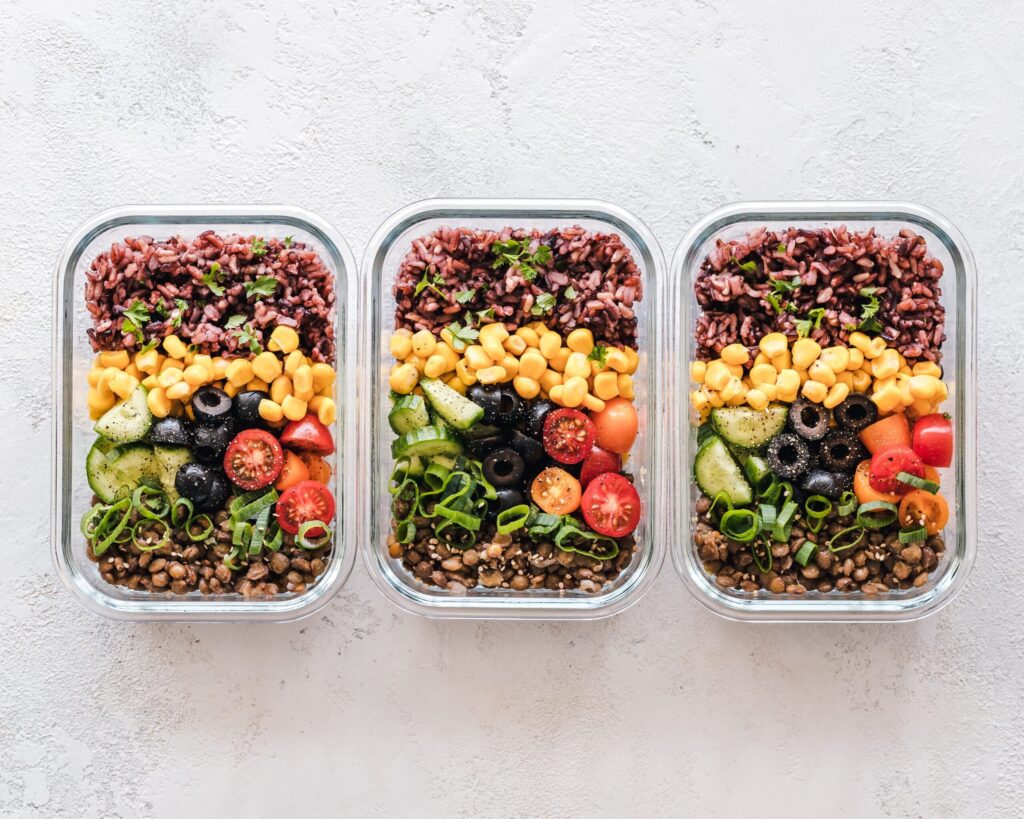
Protein is essential for muscle growth, recovery, and repair, making it a cornerstone of any strength or bodybuilding programme. If you’re looking to optimise your muscle-building efforts, getting enough protein from high-quality sources is crucial. In this article, we explore the 20 best high-protein foods scientifically proven to support faster muscle gains.

Let’s break down the benefits of these foods, backed by research, and explain why you should incorporate them into your diet.
Why Protein is Essential for Muscle Gains
Protein serves as the building block of muscle tissue. When you engage in resistance training or any muscle-stimulating exercise, you create micro-tears in your muscle fibres. Protein, specifically its amino acids, helps repair and grow these muscle fibres, making them stronger and larger over time.
Research shows that consuming protein after resistance training improves muscle protein synthesis, which is critical for muscle hypertrophy (muscle growth).
How Much Protein is Needed for Muscle Growth?
Before diving into the best high-protein foods, it’s important to understand how much protein is needed for muscle growth. According to the International Society of Sports Nutrition, an intake of 1.4–2.0 g of protein per kilogram of body weight per day is sufficient for most individuals looking to build muscle mass. More advanced lifters may benefit from even higher intakes.
Now, let’s explore the 20 best high-protein foods to fuel your muscle-building journey.
Top 20 High-Protein Foods for Faster Muscle Gains
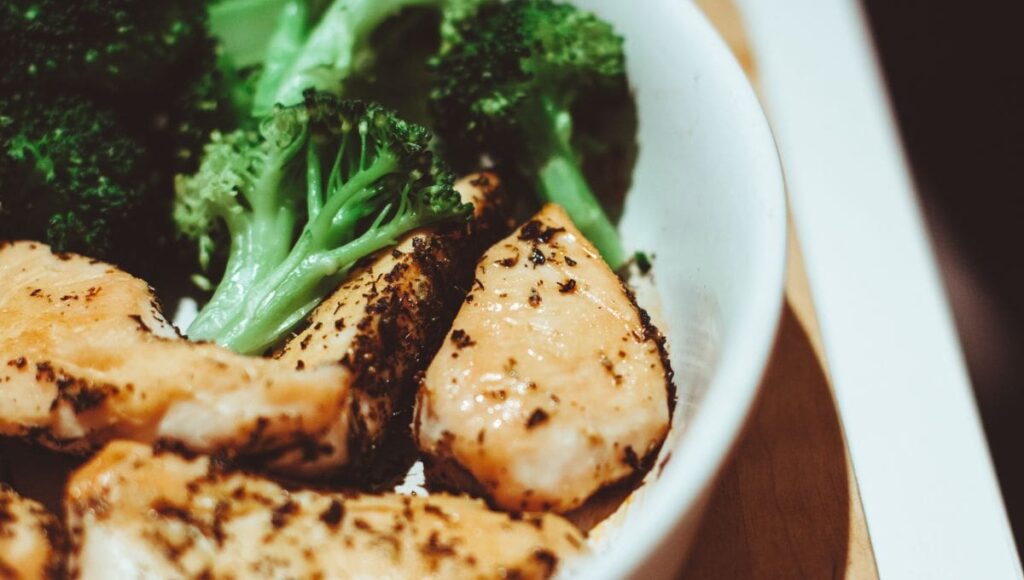
1. Chicken Breast
Protein per 100g: 31g
Chicken breast is one of the most popular and affordable sources of lean protein. It is low in fat, easy to cook, and highly versatile. The high protein content helps stimulate muscle protein synthesis post-workout.
2. Eggs
Protein per 100g: 13g
Eggs are an excellent source of high-quality protein, containing all nine essential amino acids. A study published in the American Journal of Clinical Nutrition found that egg protein maximises muscle repair and growth when consumed after exercise . Additionally, eggs are a source of vitamin D and omega-3 fatty acids, which also support muscle function.
3. Greek Yoghurt
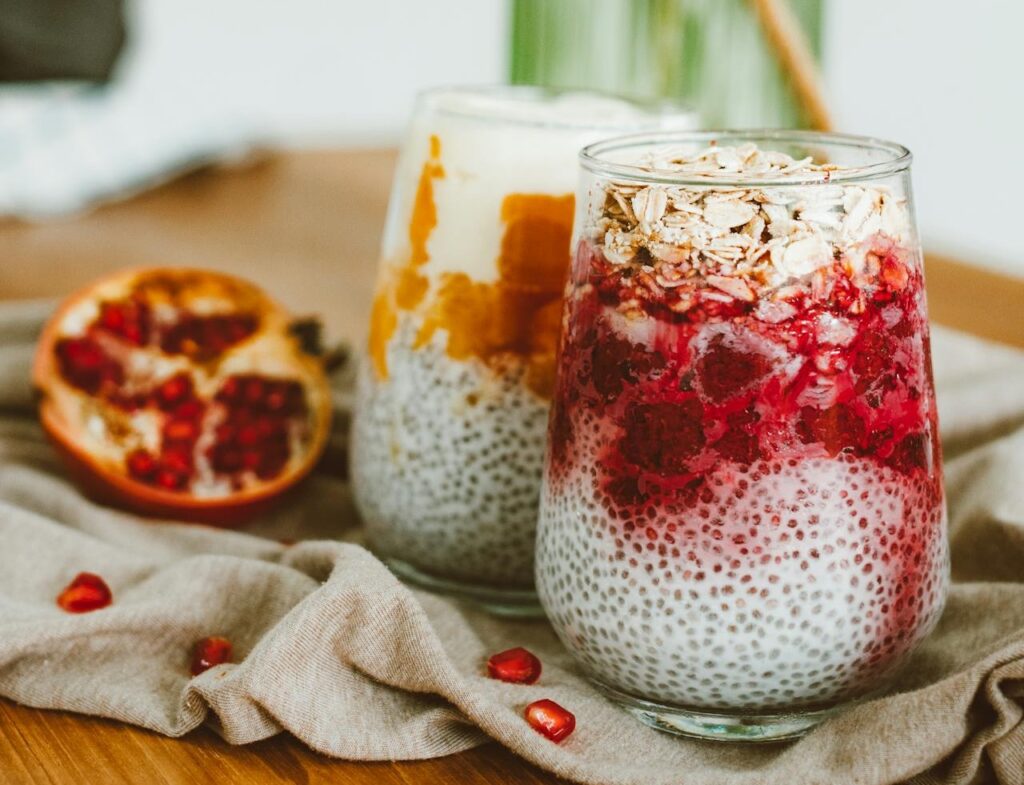
Protein per 100g: 10g
Greek yoghurt has nearly twice the protein of regular yoghurt and is an excellent post-workout snack. The combination of whey and casein protein in yoghurt makes it ideal for both quick absorption and sustained release of amino acids into the bloodstream.
4. Lean Beef
Protein per 100g: 26g
Beef is rich in protein and contains significant amounts of creatine and iron, which are vital for muscle growth and energy production during high-intensity workouts. Choose lean cuts like sirloin or ground beef to reduce fat intake.
5. Salmon
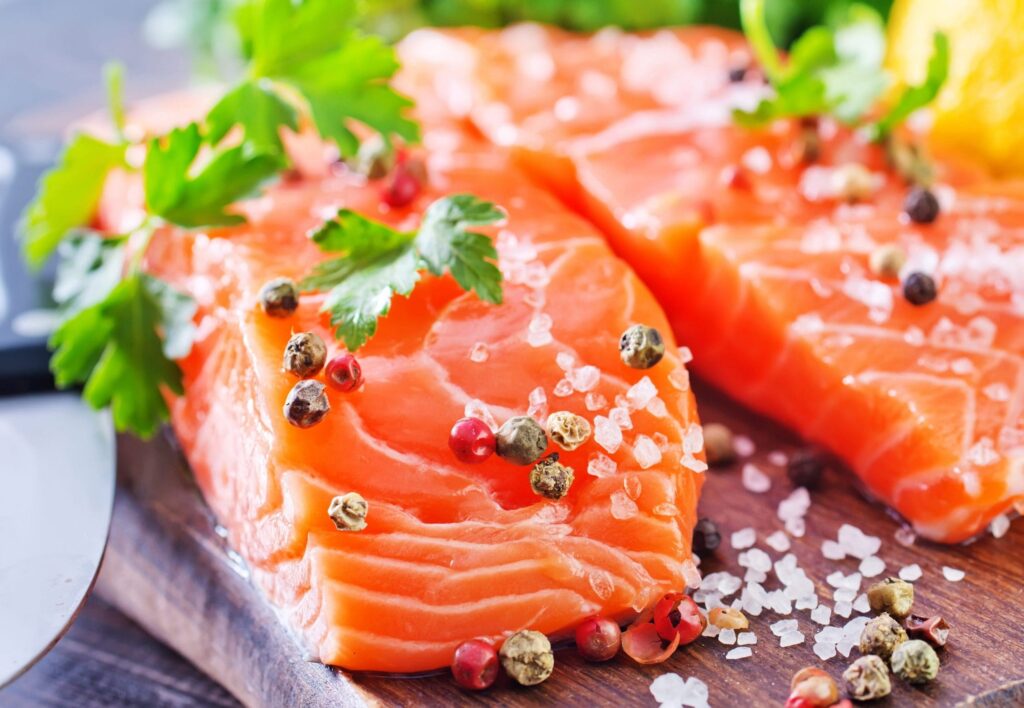
Protein per 100g: 25g
Salmon is not only high in protein but also packed with omega-3 fatty acids. These healthy fats help reduce inflammation and support muscle recovery. Research shows that omega-3s can enhance muscle protein synthesis.
6. Cottage Cheese
Protein per 100g: 11g
Cottage cheese is an excellent source of casein, a slow-digesting protein. Eating it before bed provides your muscles with a steady supply of amino acids during the night.
7. Tuna
Protein per 100g: 29g
Tuna is incredibly protein-dense and a convenient option for a quick, protein-packed meal. It’s also rich in vitamins B6 and B12, which support energy metabolism and muscle function.
8. Quinoa
Protein per 100g (cooked): 4g
Quinoa is one of the few plant-based foods that provide all nine essential amino acids. It’s a great option for vegetarians or anyone looking to diversify their protein intake. Research has shown that plant-based proteins like quinoa can still support muscle gains when consumed in adequate amounts.
9. Whey Protein Powder
Protein per scoop (30g): 24g
Whey protein is quickly absorbed, making it ideal for post-workout nutrition. Multiple studies have shown that whey protein supplementation can significantly improve muscle mass and strength gains when combined with resistance training.
10. Lentils
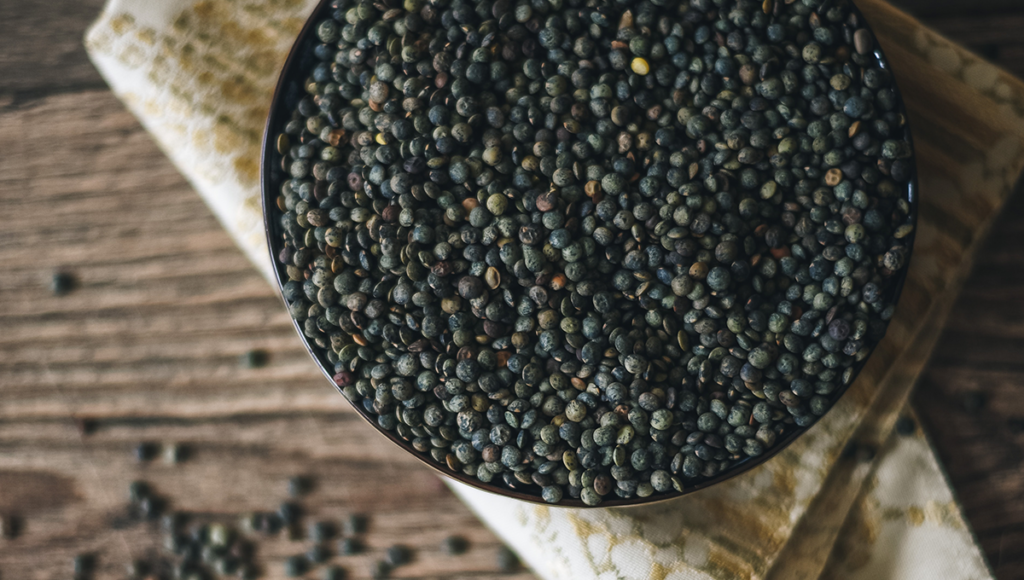
Protein per 100g (cooked): 9g
Lentils are a powerhouse of plant-based protein, providing a great source of fibre and iron as well. Including lentils in your diet can help support muscle repair and overall health.
11. Turkey Breast
Protein per 100g: 29g
Turkey breast, similar to chicken, offers a lean source of protein with minimal fat. It’s also high in niacin and selenium, which are crucial for energy production and reducing oxidative stress during intense workouts.
12. Tofu
Protein per 100g: 8g
Tofu is a complete plant-based protein that’s versatile and can be used in a variety of dishes. Studies show that soy protein, found in tofu, can be as effective as animal proteins in promoting muscle growth.
13. Bison
Protein per 100g: 20g
Bison meat is lower in fat than beef but offers comparable protein content. It’s also high in B vitamins, zinc, and iron, which are critical for muscle growth and recovery.
14. Almonds
Protein per 100g: 21g
Almonds are an excellent source of plant-based protein and healthy fats. While they’re calorie-dense, they provide vital nutrients like magnesium and vitamin E, which support muscle function and recovery.
15. Chickpeas
Protein per 100g (cooked): 9g
Chickpeas are another excellent plant-based protein source, rich in fibre and essential vitamins and minerals. They’re ideal for vegetarians looking to increase their protein intake.
16. Edamame
Protein per 100g (cooked): 11g
Edamame, or young soybeans, are a great source of complete plant-based protein. A study in the Journal of the American College of Nutrition found that soy protein can promote muscle gains when consumed in adequate amounts.
17. Shrimp
Protein per 100g: 24g
Shrimp is extremely high in protein and low in calories and fat, making it an excellent choice for muscle gain without excess calories. It’s also rich in selenium and antioxidants.
18. Pork Loin
Protein per 100g: 27g
Pork loin is a lean cut of meat that offers a significant amount of high-quality protein. It’s also a great source of thiamine, which is important for muscle energy production.
19. Peanuts
Protein per 100g: 26g
Peanuts are one of the most protein-dense plant foods available. They also provide healthy fats, which can support hormonal balance and muscle recovery.
20. Spirulina

Protein per 100g (dried): 57g
Spirulina, a blue-green algae, is incredibly protein-rich and packed with vitamins and antioxidants. While it’s typically consumed in smaller quantities, its protein content makes it a powerful addition to smoothies and shakes.
Conclusion: Prioritising Protein for Faster Muscle Gains
Incorporating these high-protein foods into your diet can significantly accelerate muscle growth and improve recovery. Whether you prefer animal-based or plant-based sources, the key is to consume enough high-quality protein regularly. Additionally, spreading your protein intake evenly throughout the day and consuming it post-workout can further enhance muscle protein synthesis.
Make sure to adjust your diet based on your body weight, activity level, and training intensity to ensure you’re getting the right amount of protein for optimal muscle gains.
Key Takeaways
| Food | Protein per 100g | Additional Benefits |
|---|---|---|
| Chicken Breast | 31g | Lean protein, versatile, low fat |
| Eggs | 13g | Contains all essential amino acids, vitamin D |
| Greek Yoghurt | 10g | Contains both whey and casein protein |
| Lean Beef | 26g | Rich in creatine and iron |
| Salmon | 25g | High in omega-3 fatty acids, anti-inflammatory |
| Cottage Cheese | 11g | Slow-digesting casein protein |
| Tuna | 29g | High in B vitamins, convenient |
| Quinoa | 4g (cooked) | Complete plant-based protein |
| Whey Protein Powder | 24g (per scoop) | Fast-absorbing, ideal post-workout |
| Lentils | 9g (cooked) | High fibre, good for vegetarians |
| Turkey Breast | 29g | Lean, rich in niacin and selenium |
| Tofu | 8g | Plant-based, versatile |
| Bison | 20g | Lower in fat than beef, high in zinc and iron |
| Almonds | 21g | High in healthy fats, magnesium |
| Chickpeas | 9g (cooked) | Rich in fibre, vitamins, and minerals |
| Edamame | 11g (cooked) | Complete plant-based protein |
| Shrimp | 24g | Low-calorie, rich in selenium |
| Pork Loin | 27g | Lean meat, high in thiamine |
| Peanuts | 26g | Protein-dense, supports hormonal balance |
| Spirulina | 57g (dried) | Extremely high in protein, packed with vitamins |
Bibliography
- Phillips, S. M., 2014. A brief review of critical processes in exercise-induced muscular hypertrophy. Sports Medicine, 44(1), pp. S71-S77.
- Morton, R. W., et al., 2018. A systematic review, meta-analysis and meta-regression of the effect of protein supplementation on resistance training-induced gains in muscle mass and strength in healthy adults. British Journal of Sports Medicine, 52(6), pp. 376-384.
- Wolfe, R. R., 2017. Protein supplements and exercise. The American Journal of Clinical Nutrition, 106(2), pp. 551S-557S.
- Campbell, B., et al., 2007. International Society of Sports Nutrition position stand: protein and exercise. Journal of the International Society of Sports Nutrition, 4(1), p. 8.
- Smith, G. I., et al., 2011. Fish oil-derived n-3 PUFA therapy increases muscle mass and function in healthy older adults. The American Journal of Clinical Nutrition, 102(1), pp. 115-122.
- Tang, J. E., et al., 2009. Minimal whey protein with carbohydrate stimulates muscle protein synthesis following resistance exercise in trained young men. Applied Physiology, Nutrition, and Metabolism, 34(4), pp. 557-564.