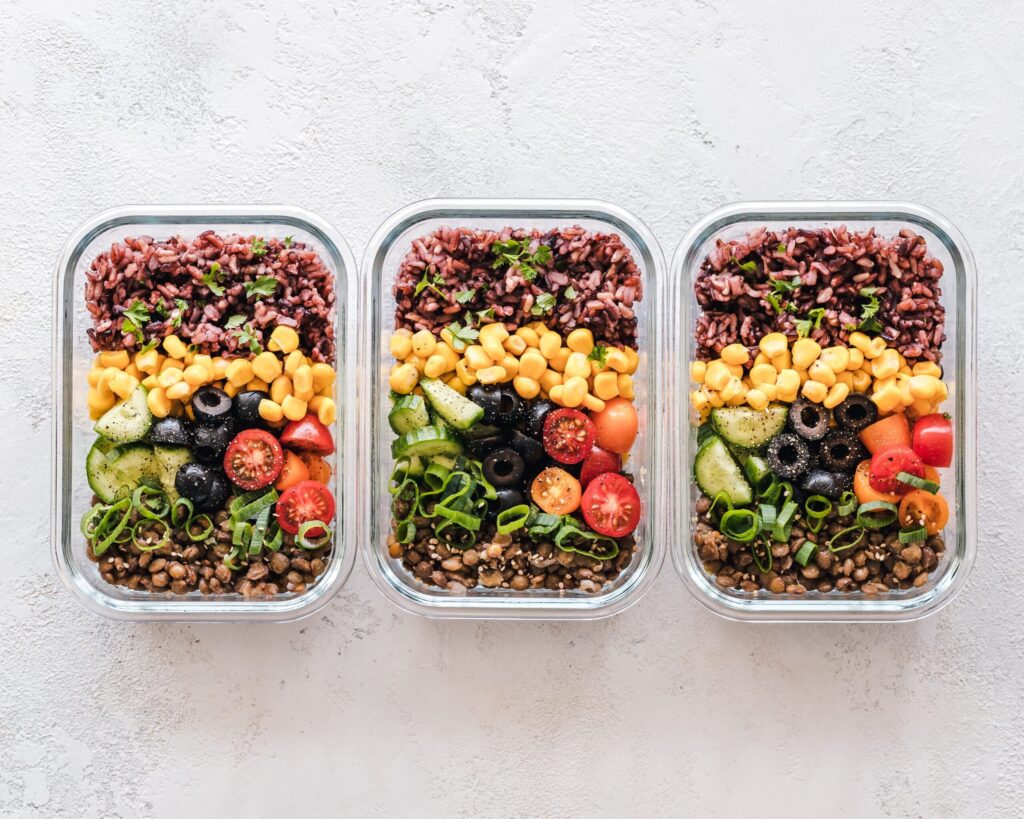
In today’s health-conscious world, understanding the benefits of fibre is crucial for anyone aiming to optimise their fitness, maintain a healthy gut, and support overall well-being. Fibre is an indigestible part of plant foods that plays an essential role in digestive health, weight management, blood sugar control, and reducing the risk of chronic diseases such as heart disease and type 2 diabetes.
There are two types of fibre: soluble and insoluble. Soluble fibre dissolves in water, forming a gel-like substance that helps regulate blood sugar and cholesterol levels. Insoluble fibre adds bulk to the stool, aiding in regular bowel movements and preventing constipation. In this article, we will explore 20 high-fibre foods that can elevate your health and fitness goals. These foods are not only nutrient-dense but also backed by scientific evidence, proving their positive impact on health.
1. Lentils
Lentils are a versatile and highly nutritious legume that offers an impressive 7.9 grams of fibre per 100 grams when cooked. They are packed with both soluble and insoluble fibre, making them excellent for digestion and heart health.
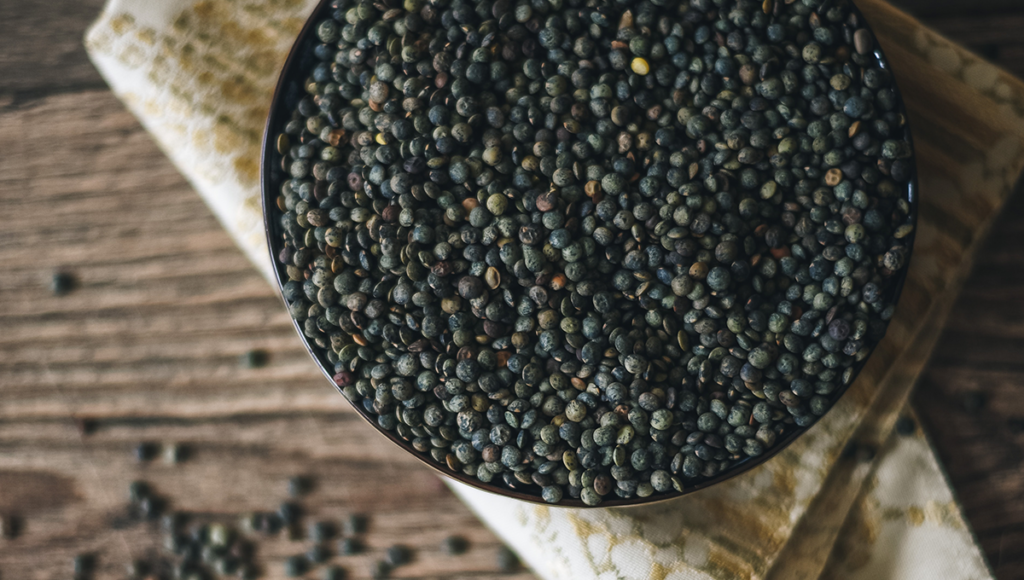
Lentils also provide a substantial amount of plant-based protein, making them a favourite among vegetarians and vegans. Research shows that diets rich in lentils can help reduce the risk of cardiovascular disease by lowering LDL cholesterol and improving gut health through increased bowel regularity.
Key Nutrients:
- Fibre: 7.9g per 100g
- Protein: 9g per 100g
- Iron, Folate, Magnesium
2. Chickpeas
Chickpeas, or garbanzo beans, are another legume rich in fibre. A 100-gram serving of cooked chickpeas contains approximately 7.6 grams of fibre. Soluble fibre in chickpeas helps stabilise blood glucose levels, making them an excellent food for individuals with diabetes or those seeking to maintain steady energy levels. A study published in the British Journal of Nutrition highlighted that regular consumption of chickpeas can reduce blood pressure and improve lipid profiles, supporting cardiovascular health.
Key Nutrients:
- Fibre: 7.6g per 100g
- Protein: 8.9g per 100g
- Folate, Iron, Magnesium
3. Chia Seeds
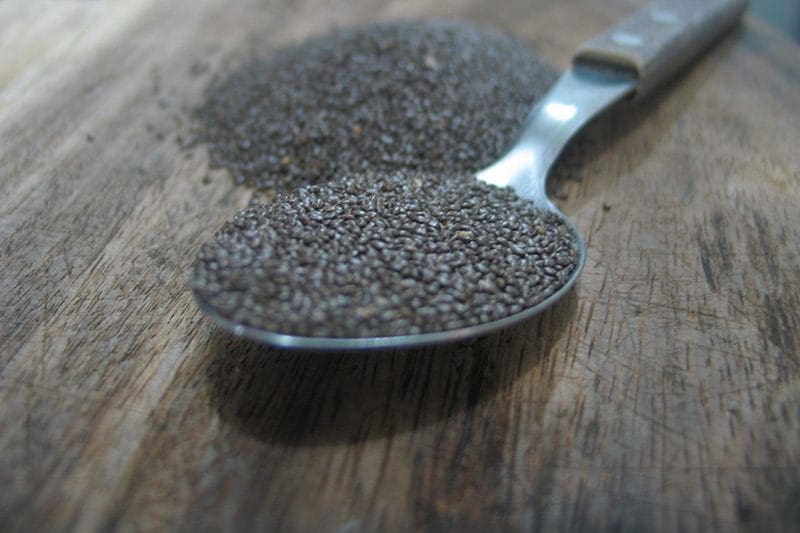
Chia seeds are tiny powerhouses of nutrition, boasting an impressive 34.4 grams of fibre per 100 grams. Most of this is soluble fibre, which forms a gel when mixed with water. This gel helps slow digestion, keeping you fuller for longer and aiding in stabilising blood sugar levels. Several studies have shown that chia seeds can improve heart health by reducing cholesterol levels and blood pressure. They are also a great source of omega-3 fatty acids, which further support cardiovascular health.
Key Nutrients:
- Fibre: 34.4g per 100g
- Omega-3 Fatty Acids
- Protein, Calcium, Magnesium
4. Flaxseeds
Flaxseeds provide 27 grams of fibre per 100 grams and are an excellent source of both soluble and insoluble fibre. They are particularly known for their ability to improve digestive health, as their high fibre content helps promote bowel regularity and prevent constipation. Flaxseeds are also rich in lignans, plant compounds with antioxidant properties, which have been linked to a reduced risk of breast cancer.
Key Nutrients:
- Fibre: 27g per 100g
- Omega-3 Fatty Acids
- Lignans, Protein, Magnesium
5. Oats
Oats are one of the best sources of soluble fibre, particularly beta-glucan, which has been shown to lower cholesterol and regulate blood sugar levels. A 100-gram serving of oats contains approximately 10.1 grams of fibre. Consuming oats regularly can improve heart health, aid in weight management by increasing satiety, and help maintain healthy cholesterol levels.
Key Nutrients:
- Fibre: 10.1g per 100g
- Beta-Glucan
- Protein, Iron, Magnesium
6. Pears
Pears are among the highest-fibre fruits, containing around 3.1 grams of fibre per 100 grams. Most of the fibre in pears is insoluble, making them excellent for promoting regular bowel movements and preventing constipation. A study from The Journal of Nutrition noted that pears, due to their fibre content and low glycaemic index, can improve digestive health and support healthy blood sugar levels.
Key Nutrients:
- Fibre: 3.1g per 100g
- Vitamin C, Vitamin K, Potassium
7. Apples
Apples, especially with their skin on, are a rich source of both soluble and insoluble fibre, with around 2.4 grams per 100 grams. The soluble fibre, pectin, helps reduce cholesterol and slow glucose absorption, while the insoluble fibre supports digestive health. Regular apple consumption has been associated with a reduced risk of stroke and heart disease, according to research from the British Medical Journal.
Key Nutrients:
- Fibre: 2.4g per 100g
- Vitamin C, Potassium
- Antioxidants
8. Raspberries
Raspberries are not only delicious but also packed with fibre, offering 6.5 grams per 100 grams. This high-fibre fruit contains a mix of soluble and insoluble fibre, which aids digestion and promotes satiety. The polyphenols and antioxidants in raspberries also offer additional benefits, such as protecting against oxidative stress and reducing inflammation.
Key Nutrients:
- Fibre: 6.5g per 100g
- Vitamin C, Manganese
- Antioxidants, Polyphenols
9. Broccoli
Broccoli is a cruciferous vegetable that offers around 2.6 grams of fibre per 100 grams. It is rich in both soluble and insoluble fibre, which helps promote a healthy gut and regular bowel movements. Research published in The Journal of Agricultural and Food Chemistry suggests that cruciferous vegetables like broccoli may help reduce the risk of certain cancers due to their high levels of glucosinolates and fibre content.
Key Nutrients:
- Fibre: 2.6g per 100g
- Vitamin C, Vitamin K
- Folate, Potassium
10. Brussels Sprouts
Brussels sprouts provide around 3.8 grams of fibre per 100 grams, making them a fantastic addition to a high-fibre diet. Like broccoli, they are high in both soluble and insoluble fibre, promoting gut health and supporting regular digestion. Studies have shown that cruciferous vegetables, including Brussels sprouts, are associated with a reduced risk of colorectal cancer due to their high fibre and antioxidant content.
Key Nutrients:
- Fibre: 3.8g per 100g
- Vitamin C, Vitamin K
- Folate, Antioxidants
11. Sweet Potatoes
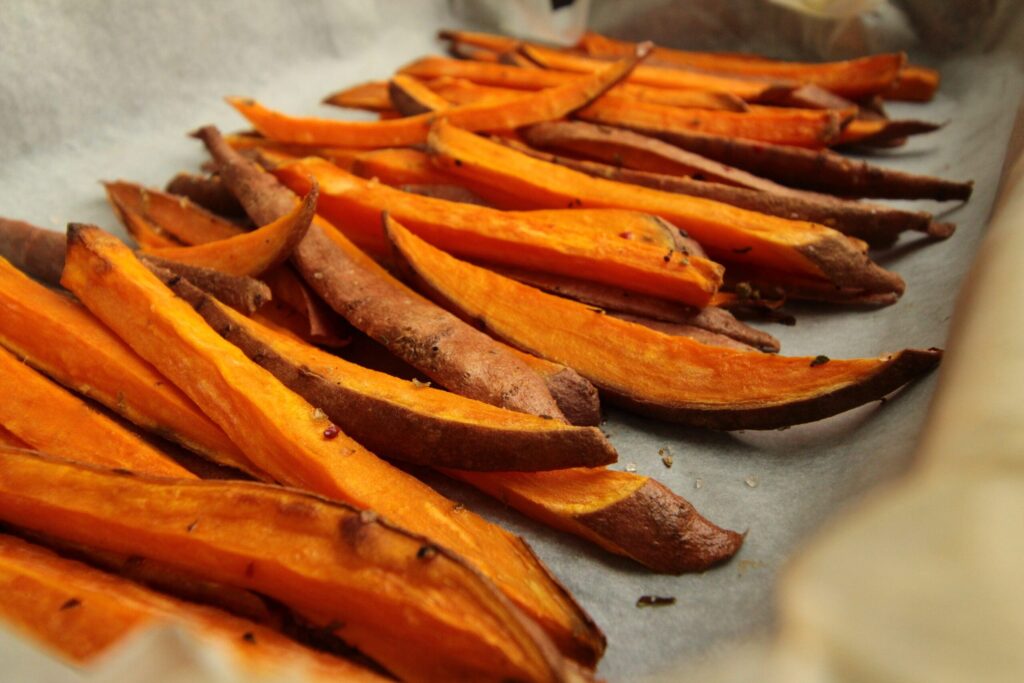
Sweet potatoes are a fibre-rich, starchy vegetable, offering around 3.3 grams of fibre per 100 grams. They are an excellent source of both soluble and insoluble fibre, supporting gut health and providing slow-releasing carbohydrates for sustained energy. A study published in the Journal of Nutrition found that diets rich in fibre from vegetables like sweet potatoes can help reduce the risk of metabolic diseases, including type 2 diabetes.
Key Nutrients:
- Fibre: 3.3g per 100g
- Vitamin A, Vitamin C
- Potassium, Beta-Carotene
12. Carrots
Carrots are well-known for their beta-carotene content, but they are also a good source of fibre, providing around 2.8 grams per 100 grams. Most of this fibre is insoluble, which supports digestive health by adding bulk to the stool and promoting regular bowel movements. Carrots have also been linked to improved eye health and may reduce the risk of certain cancers.
Key Nutrients:
- Fibre: 2.8g per 100g
- Vitamin A, Vitamin K
- Beta-Carotene, Potassium
13. Avocados
Avocados are unique among fruits for their high fibre and healthy fat content. A 100-gram serving of avocado contains around 6.7 grams of fibre, with a mix of both soluble and insoluble types. The high fibre content helps promote a healthy gut, while the monounsaturated fats support heart health by improving cholesterol levels.

Key Nutrients:
- Fibre: 6.7g per 100g
- Monounsaturated Fats
- Vitamin C, Potassium
14. Artichokes
Artichokes are a lesser-known vegetable that is incredibly high in fibre, with 8.6 grams per 100 grams. This makes them one of the most fibre-dense vegetables. Artichokes are particularly rich in inulin, a type of soluble fibre that acts as a prebiotic, feeding the beneficial bacteria in the gut. This supports digestive health and boosts immunity.
Key Nutrients:
- Fibre: 8.6g per 100g
- Vitamin C, Vitamin K
- Folate, Magnesium
15. Bananas
Bananas are a convenient and highly nutritious fruit, offering around 2.6 grams of fibre per 100 grams. The fibre in bananas includes pectin, a type of soluble fibre that helps improve digestive health by regulating bowel movements and promoting the growth of beneficial gut bacteria. Bananas are also rich in resistant starch, especially when unripe, which acts like fibre and improves gut health.
Key Nutrients:
- Fibre: 2.6g per 100g
- Vitamin C, Potassium
- Vitamin B6, Antioxidants
16. Quinoa
Quinoa is a grain-like seed that contains around 2.8 grams of fibre per 100 grams. It is a complete protein, meaning it contains all nine essential amino acids, making it a popular choice for vegetarians and vegans. The fibre in quinoa helps regulate digestion and promotes satiety, aiding in weight management and digestive health.
Key Nutrients:
- Fibre: 2.8g per 100g
- Complete Protein
- Magnesium, Iron, Folate
17. Barley
Barley is an ancient grain that offers an impressive 17.3 grams of fibre per 100 grams. It is particularly high in beta-glucan, a type of soluble fibre that has been shown to lower cholesterol levels and improve heart health. Research published in The American Journal of Clinical Nutrition supports the role of barley in reducing the risk of cardiovascular diseases and promoting healthy blood sugar levels.
Key Nutrients:
- Fibre: 17.3g per 100g
- Beta-Glucan
- Protein, Magnesium, Phosphorus
18. Almonds
Almonds are a nutrient-dense nut that provides around 12.5 grams of fibre per 100 grams. They are also a great source of healthy fats, protein, and antioxidants, making them a well-rounded snack. The fibre in almonds, especially when eaten with the skin, promotes gut health and helps regulate blood sugar levels.
Key Nutrients:
- Fibre: 12.5g per 100g
- Healthy Fats
- Vitamin E, Magnesium, Protein
19. Black Beans
Black beans are another legume rich in fibre, with around 8.7 grams per 100 grams. They contain a mix of soluble and insoluble fibre, which promotes heart health, regulates blood sugar levels, and improves digestion. Regular consumption of black beans has been linked to a reduced risk of chronic diseases, such as heart disease and type 2 diabetes, due to their high fibre content.
Key Nutrients:
- Fibre: 8.7g per 100g
- Protein, Folate, Iron
- Magnesium, Potassium
20. Split Peas
Split peas are a fibre-rich legume, offering around 8.3 grams of fibre per 100 grams. They are a great source of both soluble and insoluble fibre, supporting heart health, digestive health, and satiety. Research shows that diets rich in split peas can improve blood sugar control and reduce cholesterol levels.

Key Nutrients:
- Fibre: 8.3g per 100g
- Protein, Folate, Iron
- Vitamin B6, Potassium
Conclusion
Incorporating high-fibre foods into your diet can have profound effects on your overall health and fitness. These foods help maintain healthy digestion, support heart health, regulate blood sugar, and aid in weight management. The key is to consume a variety of fibre-rich foods to ensure you’re getting both soluble and insoluble fibre for maximum health benefits.
Key Takeaways Table
| Food | Fibre Content (per 100g) | Key Benefits |
|---|---|---|
| Lentils | 7.9g | Supports heart health, gut regularity |
| Chickpeas | 7.6g | Stabilises blood sugar, lowers cholesterol |
| Chia Seeds | 34.4g | Promotes heart health, rich in omega-3 |
| Flaxseeds | 27g | Improves digestion, reduces cancer risk |
| Oats | 10.1g | Lowers cholesterol, regulates blood sugar |
| Pears | 3.1g | Supports digestive health, lowers GI |
| Apples | 2.4g | Lowers cholesterol, aids in digestion |
| Raspberries | 6.5g | Supports gut health, rich in antioxidants |
| Broccoli | 2.6g | Reduces cancer risk, promotes digestion |
| Brussels Sprouts | 3.8g | Supports digestion, reduces cancer risk |
| Sweet Potatoes | 3.3g | Supports gut health, slow-releasing carbs |
| Carrots | 2.8g | Improves eye health, promotes digestion |
| Avocados | 6.7g | Promotes heart health, rich in healthy fats |
| Artichokes | 8.6g | Improves gut health, boosts immunity |
| Bananas | 2.6g | Regulates bowel movements, supports gut health |
| Quinoa | 2.8g | Aids digestion, supports weight management |
| Barley | 17.3g | Lowers cholesterol, improves heart health |
| Almonds | 12.5g | Regulates blood sugar, promotes gut health |
| Black Beans | 8.7g | Supports heart health, regulates blood sugar |
| Split Peas | 8.3g | Improves blood sugar control, lowers cholesterol |
Bibliography
- Jenkins, D.J., Kendall, C.W., Marchie, A., Jenkins, A.L., Connelly, P.W., and Jones, P.J. (2003). “Effect of high-fibre foods on blood cholesterol and coronary heart disease.” British Journal of Nutrition, 90(3), pp.687-693.
- Slavin, J.L. (2005). “Dietary fibre and body weight.” Nutrition, 21(3), pp.411-418.
- Willett, W.C., Manson, J.E., and Liu, S. (2002). “The glycemic index and risk of cardiovascular disease.” The American Journal of Clinical Nutrition, 76(1), pp.274S-280S.
- Lattimer, J.M., and Haub, M.D. (2010). “Effects of dietary fibre and its components on metabolic health.” Nutrients, 2(12), pp.1266-1289.