Shoulders, often referred to as the cornerstone of an impressive physique, play a pivotal role in creating that broad, powerful look.
Whether you’re an avid fitness enthusiast or a casual gym-goer, sculpting a set of boulder shoulders is likely high on your fitness agenda. While various workout routines exist, incorporating dumbbell exercises into your regimen can be a game-changer.
Dumbbells offer versatility, allowing for a range of motion that engages multiple muscle fibers, leading to both strength and size gains.
In this guide, we’ll explore the significance of incorporating dumbbell exercises into your shoulder workout routine and unveil three of the best dumbbell exercises aimed at building stronger and more substantial shoulders.
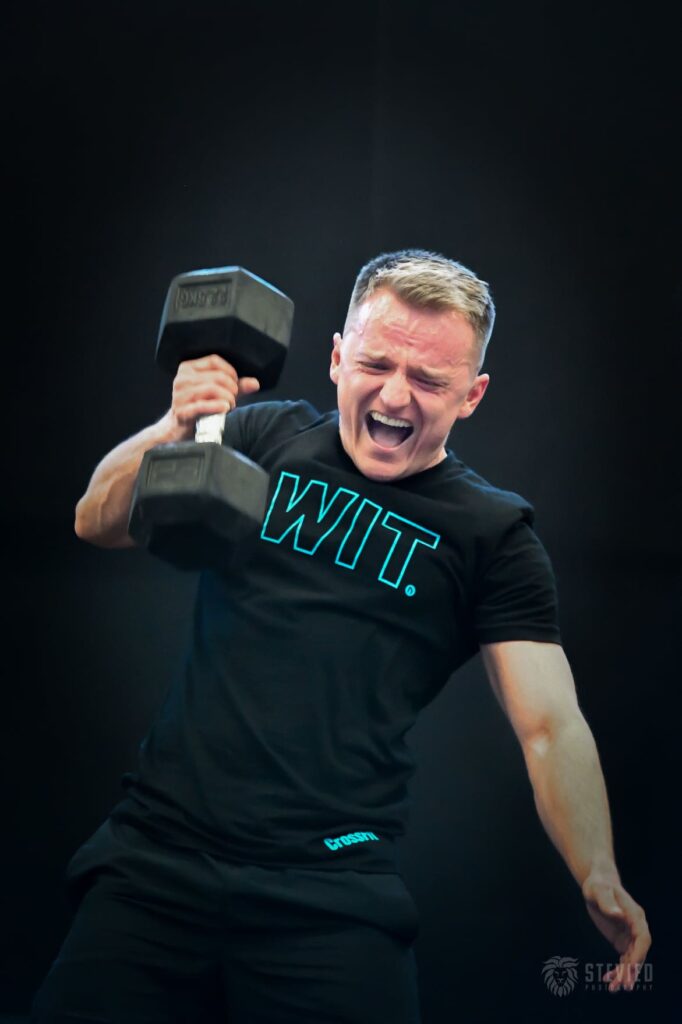
From the fundamentals of shoulder training to step-by-step instructions for each exercise, we’ll provide you with the knowledge and tools to take your shoulder development to new heights. Get ready to transform those deltoids and embark on a journey to achieve the robust and brawny shoulders you’ve always desired.
The Importance of Dumbbell Exercises
When it comes to shoulder training, the choices can be overwhelming. From machines to cables, each equipment type has its merits, but dumbbells stand out as a versatile and effective option.
Understanding the importance of incorporating dumbbell exercises into your shoulder workout is crucial for unlocking the full potential of your shoulder development.
Range of Motion and Muscle Activation:
Dumbbell exercises allow for a greater range of motion compared to many other forms of resistance training. This extended range activates a broader spectrum of muscle fibers in the shoulders, leading to more comprehensive development. As you move through various angles and planes, each repetition engages different parts of the deltoids, contributing to a well-rounded and sculpted look.
Stabilizer Muscle Engagement:
Unlike machines that provide stability, dumbbells require greater proprioception and muscle coordination. This means that not only are you working the primary muscles, but your stabilizer muscles are also actively engaged. This holistic approach to training contributes not only to shoulder strength but also to overall joint stability and injury prevention.
Individualized Resistance:
Dumbbells provide the flexibility to use individual arms, allowing you to address strength imbalances between your shoulders. This is particularly beneficial for those recovering from injuries or anyone seeking a more customized approach to their workout. You can adjust the weight for each arm independently, ensuring that both shoulders receive the appropriate level of challenge.
Functional Movement Mimicry:
Dumbbell exercises often mimic natural, functional movements more closely than fixed machines. Whether you’re reaching overhead, lifting objects, or simply moving through daily activities, the functional carryover of dumbbell exercises enhances your overall athleticism and usability of your shoulder strength.

Versatility in Exercise Selection:
From presses to raises, the repertoire of dumbbell shoulder exercises is vast. This versatility allows you to tailor your workout to target specific areas of the shoulder complex. Whether you’re focusing on the front, side, or rear deltoids, or aiming for an all-encompassing routine, dumbbells provide the tools to create a well-balanced and effective workout.
In essence, the importance of dumbbell exercises in shoulder training lies in their ability to offer a dynamic and adaptable approach to building strength and size.
As we delve into the specific exercises, keep in mind the unique advantages that dumbbells bring to the table, making them an indispensable tool for anyone serious about cultivating impressive, boulder shoulders.
Choosing the Right Weight: A Crucial Step
Embarking on a shoulder workout with dumbbells begins with a crucial decision—choosing the right weight.
This decision significantly influences the effectiveness of your workout, affecting both muscle engagement and the risk of injury. Here’s a guide to help you navigate the process of selecting the appropriate weight for your dumbbell shoulder exercises.
Start Conservatively:
It’s tempting to grab the heaviest dumbbells available, especially if you’re aiming for significant gains. However, starting with a conservative weight allows you to focus on proper form and technique.
This foundation is essential for maximizing muscle activation and minimizing the risk of injury. As a rule of thumb, choose a weight that allows you to perform 8-12 repetitions with proper form.
Consider Your Fitness Level:
Your fitness level plays a crucial role in determining the appropriate weight for your shoulder workout.
If you’re a beginner, it’s advisable to begin with lighter weights and gradually progress as your strength increases. Intermediate and advanced individuals may opt for heavier weights, but always prioritize form over lifting excessively heavy loads.
Focus on Control and Stability:
The ideal weight enables you to maintain control throughout the entire range of motion. If you find yourself struggling to control the dumbbells, it’s a sign that the weight is too heavy. Effective shoulder training requires smooth, controlled movements, emphasizing muscle engagement rather than relying on momentum.
Account for Different Exercises:
Different shoulder exercises may require varying levels of resistance. For example, a shoulder press typically involves heavier weights than lateral raises due to the larger muscle groups involved. Tailor your weight selection to the specific demands of each exercise, ensuring that you challenge the muscles appropriately for optimal growth.

Listen to Your Body:
Pay attention to how your body responds during and after each set. If the weight feels excessively challenging, causing compromised form or discomfort beyond the normal burn of a workout, it may be too heavy. Conversely, if you find the weight too easy and can breeze through repetitions, consider increasing the resistance.
Progressive Overload Principles:
To continually stimulate muscle growth, it’s essential to incorporate the principle of progressive overload. Gradually increase the weight as your strength improves to provide a consistent stimulus for muscle adaptation. This progressive approach ensures ongoing gains and prevents plateaus in your shoulder development.
In summary, choosing the right weight for your dumbbell shoulder exercises is a strategic decision that requires a balance between challenge and control.
By starting with an appropriate weight, considering your fitness level, focusing on control, adapting to different exercises, listening to your body, and incorporating progressive overload, you set the stage for a shoulder workout that not only enhances strength but also promotes long-term muscle growth and resilience.
Exercise 1: Dumbbell Shoulder Press
The Dumbbell Shoulder Press stands as a cornerstone in the realm of shoulder exercises, revered for its ability to target multiple muscles within the shoulder complex.
This compound movement engages the front and middle deltoids, as well as the trapezius and triceps. Mastering the Dumbbell Shoulder Press not only contributes to building boulder shoulders but also enhances overall upper body strength. Here’s a step-by-step guide to executing this fundamental exercise with precision:
Step 1: Set Up Your Position
Begin by sitting on a sturdy bench with back support or standing with a straight posture. Ensure that your feet are firmly planted on the ground for stability.
Hold a dumbbell in each hand at shoulder height with your palms facing forward. Your elbows should be bent at a 90-degree angle, forming an “L” shape.
Step 2: Engage Your Core
Tighten your core muscles to create a stable base. This not only supports your lower back but also helps to transfer power efficiently to your shoulders.
Step 3: Press the Dumbbells Upward
In a controlled manner, exhale and press the dumbbells overhead until your arms are fully extended. Be mindful not to lock your elbows at the top of the movement to maintain tension on the muscles.
Step 4: Lower the Dumbbells with Control
Inhale as you slowly lower the dumbbells back to the starting position, maintaining control throughout the descent. Keep your core engaged to stabilize your body.
Step 5: Repeat and Focus on Form
Aim for 8-12 repetitions per set, focusing on quality over quantity. Ensure that your shoulders, not your neck, bear the brunt of the work. If you find yourself using momentum or straining, consider reducing the weight.
Tips for Optimal Performance:
Full Range of Motion: Emphasize a complete range of motion by lowering the dumbbells until your elbows are slightly below shoulder level.
Neutral Spine: Whether seated or standing, maintain a neutral spine to minimize stress on your lower back.
Steady Tempo: Avoid rushing through the movement. A controlled and steady tempo maximizes muscle engagement and reduces the risk of injury.
Progression:
As you grow stronger, gradually increase the weight to ensure progressive overload. This constant challenge stimulates muscle growth and strength development over time.
Incorporating the Dumbbell Shoulder Press into your routine not only builds impressive shoulder aesthetics but also contributes to functional upper body strength. Remember to prioritize proper form, gradually increase resistance, and customize the exercise to your fitness level. With consistency and dedication, this foundational movement can become a key component of your journey to achieving stronger and bigger boulder shoulders.
Exercise 2: Lateral Raises for Broad Shoulders
If your goal is to achieve broad, well-defined shoulders, Lateral Raises with dumbbells should be a staple in your workout routine.
This isolation exercise specifically targets the lateral or side deltoids, contributing to that sought-after width and definition. Here’s a comprehensive guide on how to perform Lateral Raises effectively for optimal shoulder development:
Step 1: Starting Position
Begin by standing with a dumbbell in each hand, arms by your sides, and palms facing your body. Ensure a slight bend in your elbows to prevent locking.
Step 2: Engage Your Core and Maintain Posture
Tighten your core muscles to stabilize your spine. Maintain an upright posture throughout the exercise to maximize the engagement of your lateral deltoids.
Step 3: Lift the Dumbbells to the Side
Exhale as you raise the dumbbells to the sides, keeping your arms straight or slightly bent at the elbows. Lift the weights until they reach shoulder height, or slightly above, forming a “T” shape with your body.
Step 4: Control the Descent
Inhale and slowly lower the dumbbells back to the starting position in a controlled manner. Avoid letting the weights swing or using momentum to lift them.
Step 5: Repeat and Focus on Form
Aim for 10-15 repetitions per set. Focus on the quality of the movement, ensuring that your lateral deltoids are doing the work. If you find the weight too heavy, consider using a lighter pair to maintain proper form.
Tips for Optimal Performance:
Partial Reps for Intensity: To intensify the burn, consider incorporating partial reps at the end of each set. Lift the dumbbells only halfway for the last few repetitions to keep tension on the muscles.
Mind-Muscle Connection: Visualize your lateral deltoids doing the work throughout the movement. This mental connection can enhance the effectiveness of the exercise.
Avoid Excessive Leaning: While a slight lean is natural, avoid excessive body movement to ensure the targeted muscles bear the load.
Progression:
Gradually increase the weight as your strength improves. Progressive overload is essential for stimulating muscle growth and achieving broader shoulders over time.
Including Lateral Raises in your shoulder workout not only enhances the aesthetics of your physique but also contributes to a balanced and well-developed shoulder structure. Focus on form, incorporate these raises regularly, and watch as your shoulders broaden and become a focal point of your physique.
Exercise 3: Front Raises for a Well-Rounded Look
Completing the trifecta of essential dumbbell exercises for comprehensive shoulder development, Front Raises target the anterior or front deltoids.
This exercise is pivotal for achieving a well-rounded and balanced shoulder appearance. Here’s a step-by-step guide to executing Front Raises effectively, ensuring that your front deltoids receive the attention they deserve:
Step 1: Proper Set-Up
Begin by standing with a dumbbell in each hand, arms by your sides, and palms facing your body. Maintain a slight bend in your elbows to prevent joint strain.
Step 2: Engage Core Muscles and Maintain Posture
Activate your core muscles to stabilize your spine. Keep an upright posture throughout the exercise, ensuring that your front deltoids bear the load.
Step 3: Lift the Dumbbells to the Front
Exhale as you raise the dumbbells directly in front of you. Aim to lift the weights until your arms are parallel to the ground or slightly below shoulder height, forming a straight line with your body.
Step 4: Control the Descent
Inhale and slowly lower the dumbbells back to the starting position. Maintain control over the descent, preventing the weights from swinging or using momentum.
Step 5: Repeat and Focus on Form
Aim for 10-15 repetitions per set. Focus on the quality of the movement, ensuring that your front deltoids are actively engaged. If you find the weight too challenging, consider using a lighter pair to maintain proper form.
Tips for Optimal Performance:
Avoid Excessive Swinging: Keep the movement controlled and avoid excessive swinging of the weights. This ensures that your front deltoids, rather than momentum, are doing the work.
Thumb-Up Grip: Experiment with a thumb-up grip (palms facing the ground) during Front Raises. This variation can target the front deltoids more directly.
Full Range of Motion: Aim for a full range of motion by lifting the dumbbells as high as comfortably possible without compromising form.
Progression:
Gradually increase the weight as your strength improves. Consistent progression is key to stimulating muscle growth and achieving a well-rounded shoulder appearance.
Incorporating Front Raises into your shoulder workout routine adds a crucial dimension to your training, ensuring that all aspects of your deltoids receive focused attention. Emphasize proper form, include this exercise regularly, and witness the transformation as your shoulders develop a balanced and aesthetically pleasing look.
Sample Dumbbell Shoulder Workout
Achieving boulder shoulders involves a well-structured and balanced workout routine that targets all aspects of the deltoids.
This sample dumbbell shoulder workout is designed to enhance strength, size, and definition. Remember to warm up before starting your workout, and adjust the weights according to your fitness level.
Warm-Up:
Begin with 5-10 minutes of light cardiovascular exercise such as jogging, jumping jacks, or cycling. Follow this with dynamic stretches to increase blood flow to the shoulder muscles and improve joint mobility.
1. Dumbbell Shoulder Press: 3 sets x 8-12 reps
- Rest: 60-90 seconds between sets
- Choose a weight that challenges you while allowing for proper form.
2. Lateral Raises: 3 sets x 10-15 reps
- Rest: 60 seconds between sets
- Maintain a controlled tempo and focus on the contraction of the lateral deltoids.
3. Front Raises: 3 sets x 10-15 reps
- Rest: 60 seconds between sets
- Experiment with grip variations and keep the movement controlled throughout.
4. Seated Lateral Raises: 3 sets x 12-15 reps
- Rest: 45-60 seconds between sets
- Perform this variation seated to isolate the lateral deltoids further.
5. Bent-Over Rear Delt Flyes: 3 sets x 12-15 reps
- Rest: 45-60 seconds between sets
- Target the rear deltoids by bending at the hips and keeping a slight bend in the elbows.
6. Shrugs: 3 sets x 12-15 reps
- Rest: 45 seconds between sets
- Elevate the shoulders in a controlled manner, emphasizing the contraction at the top.
Cool Down:
Finish your workout with static stretches for the shoulders. Hold each stretch for 15-30 seconds, focusing on the front, side, and rear deltoids.
Important Tips:
Prioritize Form: Maintain proper form throughout each exercise to maximize muscle engagement and reduce the risk of injury.
Progressive Overload: Gradually increase the weight as you become stronger to ensure ongoing muscle stimulation.
Listen to Your Body: If you experience pain (not to be confused with the normal burn of a workout), reduce the weight or consult a fitness professional.
Consistency is Key: Perform this workout 2-3 times per week, allowing for at least one day of rest between sessions.
Customize this sample workout to suit your preferences and fitness level. Adjust the number of sets and repetitions based on your individual goals, and always prioritize safety and proper technique in your shoulder training routine.
Tips for Maximal Gains and Injury Prevention
Building stronger and bigger boulder shoulders is an exciting journey, but it’s essential to approach your training with a focus on both maximal gains and injury prevention. Here are key tips to optimize your shoulder workouts:
Warm-Up Adequately:
Before diving into your shoulder workout, ensure a thorough warm-up. Engage in light cardiovascular activity and incorporate dynamic stretches to increase blood flow and prepare the shoulder joints for the impending workload.
Perfect Your Form:
Prioritize proper form over lifting heavy weights. Incorrect form not only hinders muscle engagement but also increases the risk of injury. Focus on controlled movements and maintain a neutral spine during exercises.
Mindful Range of Motion:
Embrace a full range of motion in your exercises. Whether it’s a shoulder press, lateral raise, or front raise, allowing your muscles to work through their complete range enhances muscle activation and promotes balanced development.
Strengthen Stabilizer Muscles:
While the primary goal is shoulder development, don’t neglect the importance of strengthening stabilizer muscles. Exercises that engage these muscles contribute to joint stability, reducing the risk of injuries and creating a solid foundation for shoulder growth.
Include Rotator Cuff Exercises:
Incorporate rotator cuff exercises into your routine to enhance shoulder stability. Simple exercises such as external rotations with light dumbbells can go a long way in preventing imbalances and potential injuries.
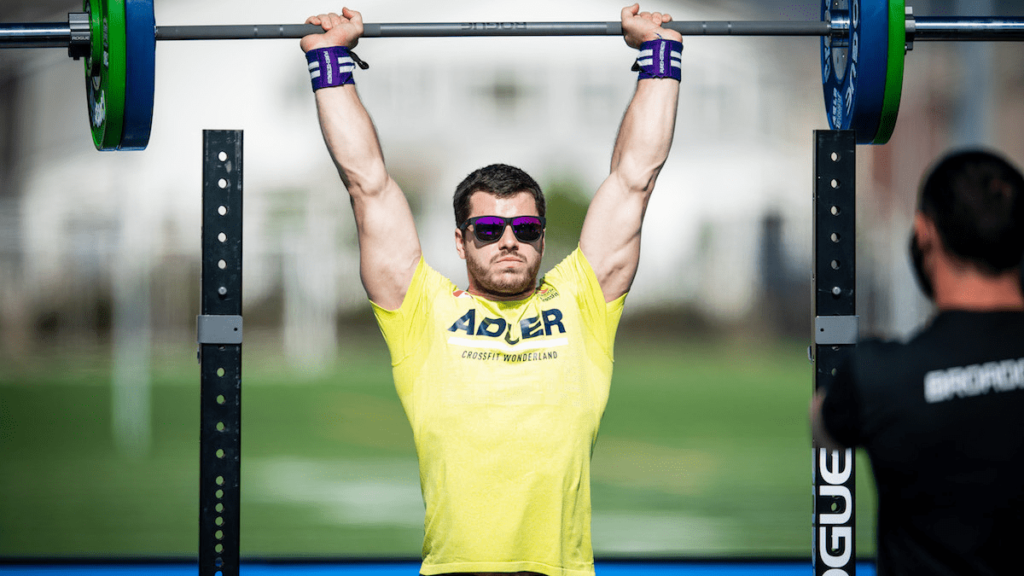
Progress Gradually:
Aim for gradual progression in terms of weight and intensity. Rapidly increasing weights can lead to overtraining and increase the likelihood of injury. Listen to your body, and only progress when you can maintain proper form.
Balanced Workout Routine:
Achieve a well-balanced shoulder development by targeting all three deltoid heads – front, lateral, and rear. A comprehensive routine ensures proportional growth and reduces the risk of muscle imbalances.
Allow Ample Recovery:
Adequate rest is crucial for muscle recovery and growth. Avoid overtraining by giving your shoulders at least 48 hours of rest between intense workouts. This rest allows the muscles to repair and adapt to the stress applied during training.
Stay Hydrated:
Hydration is often overlooked but is crucial for joint health. Proper hydration supports the lubrication of joints, aiding in smooth movements and reducing the risk of joint-related injuries.
Listen to Your Body:
Pay attention to any signs of discomfort or pain during and after workouts. If you experience persistent pain, it’s essential to consult a healthcare professional or fitness expert to address the issue promptly.
Remember, the key to long-term success is not just the gains you make but also your ability to sustain those gains over time. By incorporating these tips into your shoulder training regimen, you’ll not only maximize muscle growth but also minimize the risk of injuries, ensuring a sustainable and rewarding fitness journey.
Common Mistakes to Avoid in Dumbbell Shoulder Training
While striving for stronger and bigger shoulders, it’s crucial to be aware of common mistakes that can hinder your progress and increase the risk of injury.
Steering clear of these pitfalls will not only optimize your workouts but also contribute to a safer and more effective shoulder training experience.
Neglecting Warm-Up:
Skipping or insufficiently performing a warm-up is a common error. Failing to adequately prepare your muscles and joints can lead to decreased performance and an increased risk of injury. Always prioritize a thorough warm-up before diving into your shoulder workout.
Poor Posture During Exercises:
Maintaining proper posture is paramount in shoulder training. Rounded shoulders or an arched back can compromise the effectiveness of exercises and strain the spine. Keep your spine neutral, shoulders back, and engage your core for stability.
Excessive Weight Lifting:
Attempting to lift excessively heavy weights often results in compromised form. This not only reduces the effectiveness of the exercise but also increases the risk of injury. Choose weights that allow for controlled movements and proper muscle engagement.

Incomplete Range of Motion:
Inadequate range of motion during exercises is a common mistake. Ensure that you perform each repetition through a full range of motion to optimize muscle activation and promote balanced development.
Overlooking Stabilizer Muscles:
Neglecting exercises that target stabilizer muscles can lead to imbalances and compromise joint stability. Incorporate exercises that engage stabilizer muscles, such as rotator cuff exercises, to fortify the overall shoulder structure.
Relying on Momentum:
Using momentum to lift the weights rather than relying on muscle strength is a frequent error. Control the movements throughout the entire range, emphasizing the muscles rather than allowing the weights to swing.
Lack of Variability:
Focusing solely on one type of shoulder exercise can lead to imbalances in muscle development. Ensure a well-rounded routine that targets all three deltoid heads – front, lateral, and rear – for comprehensive shoulder growth.
Insufficient Recovery Time:
Overtraining the shoulders without allowing sufficient recovery time can impede progress and increase the risk of overuse injuries. Provide at least 48 hours of rest between intense shoulder workouts.
Ignoring Pain Signals:
Ignoring persistent pain or discomfort during or after workouts is a significant mistake. Pain is your body’s way of signaling a problem. If you experience ongoing pain, consult a healthcare professional or fitness expert to address the issue.
Forgetting Hydration:
Dehydration can compromise joint health and overall performance. Ensure adequate hydration before, during, and after your workout to support the lubrication of joints.
By avoiding these common mistakes, you’ll create a foundation for effective and injury-free dumbbell shoulder training. Consistent attention to proper form, balanced exercises, and recovery will not only enhance your shoulder development but also contribute to a sustainable and rewarding fitness journey.
Conclusion
In the pursuit of stronger and bigger boulder shoulders, a well-crafted and thoughtful approach to dumbbell shoulder training is paramount. Through the incorporation of effective exercises, mindful technique, and a commitment to both maximal gains and injury prevention, you can sculpt a powerful and aesthetically pleasing upper body.
Dumbbell exercises, such as the Shoulder Press, Lateral Raises, and Front Raises, provide a versatile and dynamic means to target various aspects of the shoulder complex. These movements, when executed with precision and consistency, form the cornerstone of a comprehensive shoulder workout routine.
Remember, the journey to impressive shoulders is not solely about the weights lifted but the dedication to proper form, strategic progression, and a holistic understanding of shoulder anatomy.
Why You Cannot Outrun a Bad Diet
5 Intermittent Fasting Mistakes That Make You Gain Weight
What Happens If You Eat Nothing For 3 Days?
The tips provided for maximal gains and injury prevention underscore the importance of balance in your training regimen—balancing intensity with recovery, strength with stability, and ambition with patience.
As you embark on your shoulder training journey, keep in mind the sample dumbbell shoulder workout provided as a template for your sessions.
Tailor it to your fitness level, gradually increasing the weights as your strength improves. The warm-up and cool-down routines, along with the incorporation of stabilizer and rotator cuff exercises, contribute to a well-rounded and injury-resistant approach.
In closing, building boulder shoulders is a journey that requires dedication, consistency, and an understanding of your body’s signals. By avoiding common mistakes, embracing proper form, and staying attuned to your body’s needs, you’ll not only maximize gains but also ensure the longevity of your shoulder health.
May your shoulder training endeavors be rewarding, and may the strength and definition of your boulder shoulders become a testament to your commitment to fitness and well-being. Here’s to reaching new heights and broadening your fitness horizons—one rep at a time.