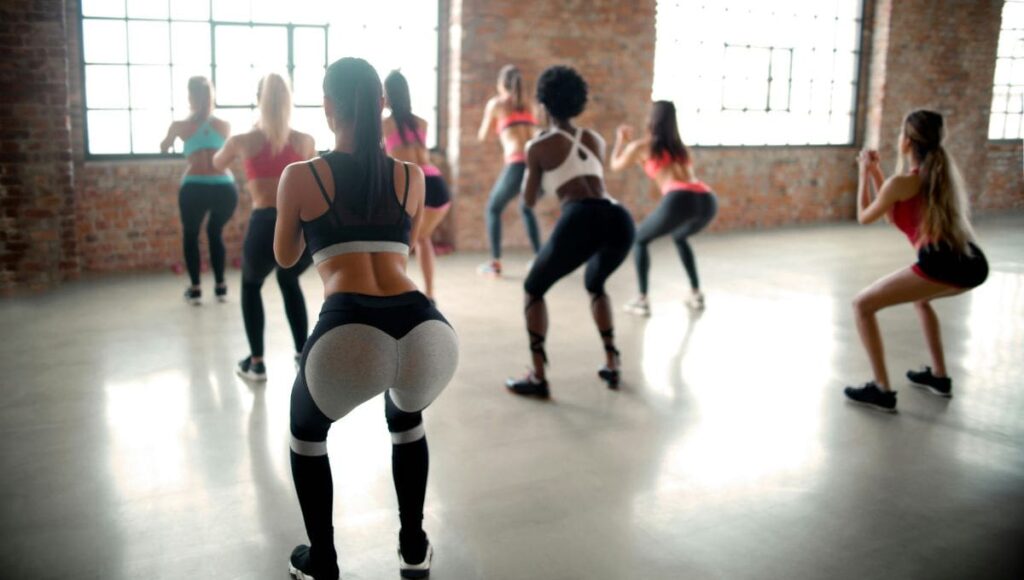
Weak glutes are one of the most common and underestimated physical issues in modern training and everyday life. Long hours of sitting, limited hip extension, and poorly designed workout programs can all reduce how effectively the glute muscles function. This does not just affect athletic performance.
Weak glutes are strongly associated with lower back pain, knee pain, hip instability, reduced sprint speed, poor jumping mechanics, and inefficient lifting technique.
The gluteal muscles are not simply aesthetic muscles. They are a powerful engine for human movement. When they fail to do their job, other muscles are forced to compensate, often leading to overuse injuries and chronic pain patterns.
This article explains exactly why strong glutes matter, how weakness develops, and which three exercises consistently show the highest levels of glute activation and long-term strength gains according to scientific research. Every claim is backed by peer-reviewed evidence, and the exercises are explained in a clear, practical way that you can apply immediately.
Understanding the Glute Muscles
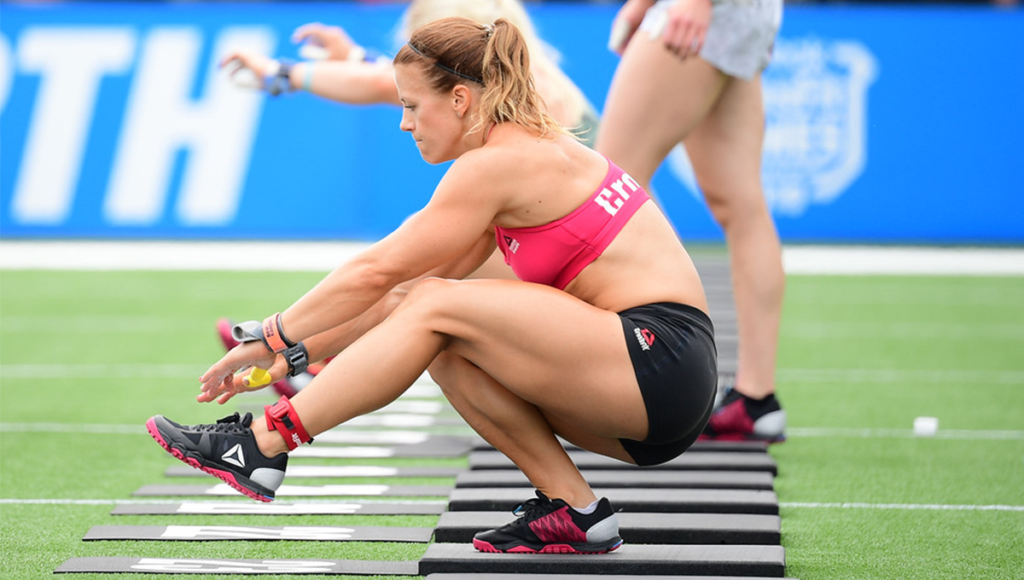
The Anatomy of the Glutes
The glutes are made up of three distinct muscles: gluteus maximus, gluteus medius, and gluteus minimus.
The gluteus maximus is the largest and most powerful muscle in the human body. Its primary functions are hip extension, external rotation of the femur, and assisting with trunk stability during loaded movements. It plays a critical role in activities such as sprinting, jumping, squatting, and deadlifting.
The gluteus medius sits on the outer surface of the pelvis. Its main role is to stabilize the pelvis during single-leg movements and control hip abduction and internal rotation. Weakness in this muscle is strongly associated with knee valgus collapse and hip instability.
The gluteus minimus lies beneath the gluteus medius and assists in hip stabilization and abduction. Although smaller, it is essential for maintaining proper alignment during walking, running, and single-leg loading.
Research using electromyography (EMG) shows that all three muscles must work together to produce efficient, safe lower-body movement. When one component underperforms, movement quality declines and injury risk increases.
What Causes Weak Glutes?
One of the primary causes of weak glutes is prolonged sitting. Studies show that extended sitting leads to reduced neural drive and delayed activation of the gluteus maximus, a phenomenon often referred to as “gluteal amnesia.” This does not mean the muscle stops working entirely, but it does mean it fires later and with less force during movement.
Another cause is poor exercise selection. Many training programs rely heavily on sagittal-plane movements and machine-based exercises that do not require significant hip extension or pelvic stabilization. Over time, this shifts work toward the quadriceps and lower back while underloading the glutes.
Injury history also plays a role. Following ankle, knee, or hip injuries, glute activation often remains impaired even after pain subsides. Research shows that without targeted retraining, these deficits can persist for years.
Why Strong Glutes Matter
Injury Prevention
Multiple studies link weak glutes to increased injury risk. Reduced gluteus medius strength is associated with patellofemoral pain syndrome, anterior cruciate ligament injuries, and iliotibial band syndrome. Weak gluteus maximus function is linked to excessive lumbar extension and increased spinal loading during lifting.
Strengthening the glutes improves force distribution across the hip and knee joints, reducing strain on passive structures such as ligaments and cartilage.
Athletic Performance
The glutes are a primary contributor to horizontal and vertical force production. Sprint speed, jump height, and change-of-direction ability all depend heavily on hip extension strength.
Research on elite athletes consistently shows a strong relationship between glute strength and explosive performance metrics. Improving glute force output improves acceleration, reduces ground contact time, and enhances overall power production.
Posture and Back Health
The glutes help control pelvic position. Weakness often leads to anterior pelvic tilt, which increases compressive forces on the lumbar spine. Strengthening the glutes helps restore neutral pelvic alignment and reduces excessive lumbar lordosis.
Clinical studies show that glute strengthening reduces chronic lower back pain and improves movement efficiency in both athletic and sedentary populations.
How Exercise Selection Impacts Glute Activation
Not all lower-body exercises stimulate the glutes equally. EMG studies consistently show large differences in glute activation depending on joint angles, load placement, and movement intent.
Exercises that involve deep hip flexion followed by powerful hip extension tend to produce the highest gluteus maximus activation. Single-leg exercises and movements requiring frontal-plane stability produce higher gluteus medius and minimus engagement.
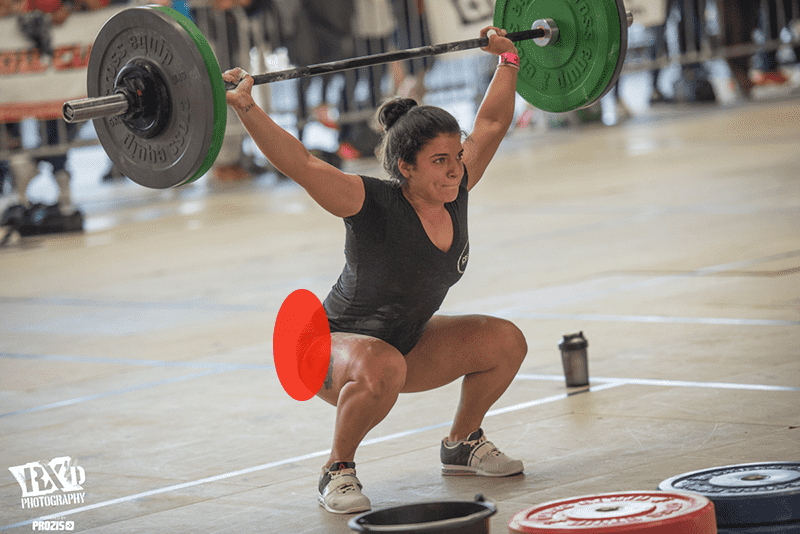
The three exercises below consistently rank among the highest for glute activation and long-term strength development across multiple research studies.
Exercise 1: Barbell Hip Thrust
Why the Hip Thrust Works
The barbell hip thrust is one of the most effective exercises ever studied for gluteus maximus activation. EMG research consistently shows higher peak and mean glute activation during hip thrusts compared to squats and deadlifts.
The key advantage of the hip thrust is that it loads the hips at full extension. This places maximal tension on the gluteus maximus in its most mechanically advantageous position. Unlike squats, where peak tension occurs deeper in the movement, the hip thrust challenges the glutes where they are strongest.
Studies comparing hip thrusts and back squats show significantly greater glute activation during the hip thrust, even when squats are loaded heavier.
Scientific Evidence
Research published in the Journal of Strength and Conditioning Research found that barbell hip thrusts produced significantly greater gluteus maximus EMG activity than both front squats and back squats. Another study demonstrated that hip thrust training improved sprint performance and horizontal force production more effectively than squat-focused programs.
Long-term training studies show that hip thrusts lead to significant increases in glute hypertrophy and maximal hip extension strength.
How to Perform the Hip Thrust Correctly
Sit on the ground with your upper back against a bench. Roll a loaded barbell over your hips and place it across the crease of the hips. Feet should be flat on the floor, roughly shoulder-width apart, with shins vertical at the top of the movement.
Drive through your heels and extend the hips until your torso is parallel to the floor. Squeeze the glutes hard at the top without overextending the lower back. Lower the bar under control and repeat.
Common Mistakes
One of the most common mistakes is excessive lumbar extension at the top of the movement. This shifts tension away from the glutes and onto the lower back.
Another mistake is pushing through the toes instead of the heels. This reduces glute activation and increases quadriceps dominance.
Programming Recommendations
For strength and hypertrophy, research supports loading hip thrusts in the moderate to heavy range, typically between 6 and 12 repetitions per set. Rest periods of 2 to 3 minutes allow for maximal force production.
Exercise 2: Bulgarian Split Squat
Why the Bulgarian Split Squat Works
The Bulgarian split squat is a unilateral exercise that challenges both hip extension strength and pelvic stability. It produces high activation of the gluteus maximus and gluteus medius due to the single-leg loading and deep hip flexion involved.
Because the rear foot is elevated, the front leg must handle nearly all of the load. This increases mechanical demand on the glutes while also exposing side-to-side strength imbalances.
EMG studies show that unilateral squatting movements significantly increase gluteus medius activation compared to bilateral squats, making the Bulgarian split squat particularly valuable for injury prevention.

Scientific Evidence
Research in the International Journal of Sports Physical Therapy shows that single-leg squat variations produce significantly greater gluteus medius activation than bilateral squats. Additional studies demonstrate improved hip stability and reduced knee valgus following unilateral strength training programs.
A longitudinal study found that athletes who incorporated Bulgarian split squats improved sprint speed, jump height, and change-of-direction performance more than those using bilateral lower-body training alone.
How to Perform the Bulgarian Split Squat Correctly
Stand about two feet in front of a bench. Place one foot behind you on the bench, either with the laces down or toes tucked. The front foot should be flat and far enough forward to allow a deep bend at the hip.
Lower your body by bending the front knee and hip, keeping your torso slightly inclined forward. Descend until the back knee nearly touches the ground. Drive through the heel of the front foot to return to standing.
Common Mistakes
Allowing the front knee to collapse inward reduces gluteus medius activation and increases knee stress. Another common error is staying too upright, which shifts load toward the quadriceps instead of the glutes.
Using excessive load at the expense of depth and control also reduces effectiveness.
Programming Recommendations
Bulgarian split squats respond well to moderate loading and higher time under tension. Sets of 8 to 15 repetitions per leg with controlled tempo are supported by research for both strength and hypertrophy.
Exercise 3: Romanian Deadlift
Why the Romanian Deadlift Works
The Romanian deadlift (RDL) targets the glutes through hip hinge mechanics with minimal knee flexion. This places significant stretch and tension on the gluteus maximus and hamstrings.
Unlike conventional deadlifts, the RDL maintains constant tension throughout the movement and emphasizes eccentric loading, which is strongly linked to muscle hypertrophy and strength gains.
EMG studies show high gluteus maximus activation during RDLs, particularly when performed with proper hip hinge mechanics and controlled tempo.
Scientific Evidence
Research published in Sports Biomechanics shows that hip-dominant exercises such as the Romanian deadlift produce high glute activation, especially during the eccentric phase. Additional studies demonstrate that eccentric-focused training increases muscle hypertrophy more effectively than concentric-only training.
RDL training has also been shown to improve sprint acceleration and reduce hamstring injury risk when integrated into structured programs.
How to Perform the Romanian Deadlift Correctly
Start standing with the barbell at hip height. Push the hips back while maintaining a neutral spine. Lower the bar along the thighs and shins until you feel a strong stretch in the glutes and hamstrings.
Keep the knees slightly bent but fixed throughout the movement. Drive the hips forward to return to standing, squeezing the glutes at the top without leaning back.
Common Mistakes
Rounding the lower back significantly reduces glute involvement and increases injury risk. Another mistake is turning the movement into a squat by bending the knees excessively.
Moving too fast through the eccentric phase reduces time under tension and limits hypertrophy stimulus.
Programming Recommendations
Research supports using moderate to heavy loads for 6 to 10 repetitions with slow eccentrics. Rest periods of 2 to 3 minutes allow for proper recovery and technique maintenance.
How to Combine These Exercises for Maximum Results
Weekly Structure
Scientific literature supports training major muscle groups two to three times per week for optimal strength and hypertrophy. The glutes respond well to this frequency due to their large size and high fatigue resistance.
A sample weekly structure could include hip thrusts on day one, Bulgarian split squats on day two, and Romanian deadlifts on day three, or combinations within the same session depending on training volume.
Progressive Overload
All studies on strength and hypertrophy emphasize the importance of progressive overload. This can be achieved by increasing load, volume, range of motion, or tempo over time.
Without progressive overload, glute strength gains plateau regardless of exercise selection.
Mind-Muscle Connection
Research suggests that consciously focusing on glute contraction increases EMG activity during lower-body exercises. While not a replacement for proper loading, internal focus can enhance muscle activation, particularly during accessory work.
Final Thoughts on Strengthening Weak Glutes
Weak glutes are not just a performance issue. They affect joint health, posture, and long-term movement quality. The barbell hip thrust, Bulgarian split squat, and Romanian deadlift are consistently supported by scientific research as the most effective exercises for building strong, functional glutes.
When performed correctly and programmed intelligently, these movements restore proper muscle balance, reduce injury risk, and improve athletic performance across a wide range of activities.
References
- Journal of Strength and Conditioning Research. Contreras, B., et al. (2015). An electromyographic comparison of hip thrust and squat exercises.
- Journal of Strength and Conditioning Research. Contreras, B., et al. (2017). Effects of hip thrust training on sprint performance.
- Sports Biomechanics. Vigotsky, A., et al. (2018). Muscle activation during hip hinge exercises.
- International Journal of Sports Physical Therapy. Distefano, L., et al. (2009). Gluteal muscle activation during common therapeutic exercises.
- Clinical Biomechanics. Powers, C.M. (2010). The influence of altered lower-extremity kinematics on patellofemoral joint dysfunction.
- European Journal of Applied Physiology. Schoenfeld, B.J. (2010). The mechanisms of muscle hypertrophy and their application to resistance training.
- Journal of Orthopaedic & Sports Physical Therapy. Willson, J.D., et al. (2011). Core and gluteal muscle activation during rehabilitation exercises.