Visceral fat, the deep abdominal fat that surrounds internal organs, poses significant health risks, including heart disease, type 2 diabetes, and metabolic syndrome. Unlike subcutaneous fat, which is stored under the skin, visceral fat is more metabolically active and releases inflammatory markers that contribute to insulin resistance and chronic disease.
While exercise and overall caloric balance play vital roles in fat reduction, specific foods have been scientifically proven to aid in targeting visceral fat. This article explores three of the best foods for reducing visceral belly fat, backed by research.
1. Fatty Fish and Omega-3 Fatty Acids
Fatty fish such as salmon, mackerel, and sardines are rich in omega-3 fatty acids, which have been extensively studied for their role in reducing visceral fat. Omega-3 fatty acids improve insulin sensitivity, reduce inflammation, and promote fat oxidation. A study published in the journal PLOS One found that individuals who consumed omega-3-rich foods had lower levels of visceral fat compared to those who did not (Kaushik et al., 2019).
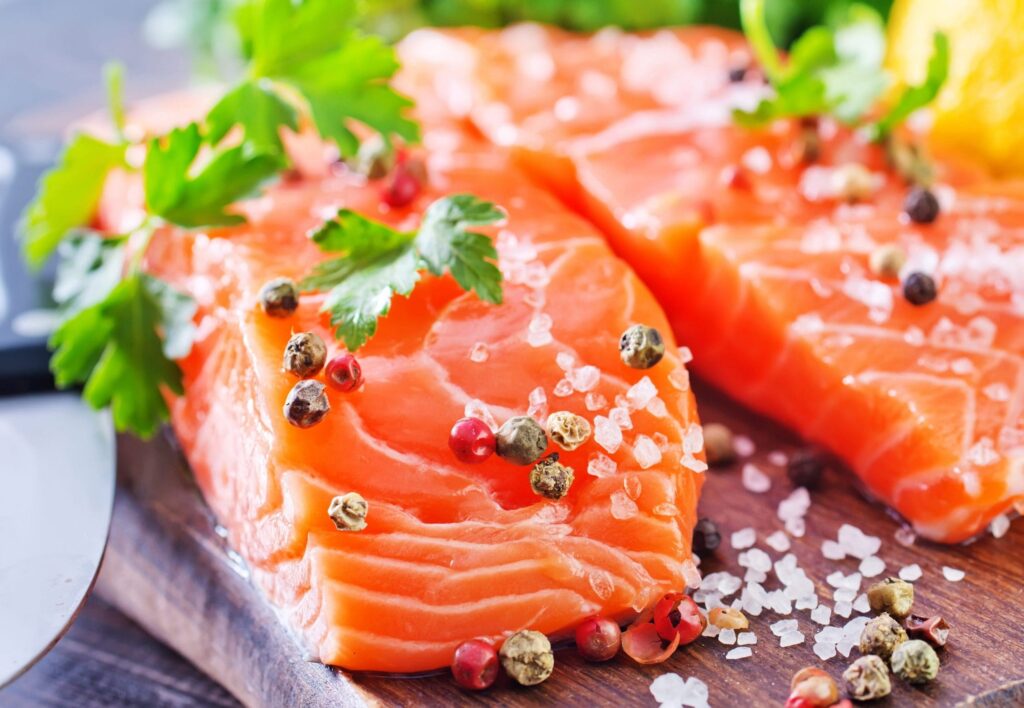
Omega-3 fatty acids also regulate cortisol levels, a stress hormone linked to increased abdominal fat storage. High cortisol levels, particularly in response to chronic stress, contribute to visceral fat accumulation. Research in The Journal of Clinical Endocrinology & Metabolism demonstrated that omega-3 supplementation significantly reduces cortisol levels, thereby mitigating fat storage around the abdomen (Delarue et al., 2003).
Additionally, omega-3 fatty acids enhance mitochondrial efficiency, increasing the body’s ability to oxidise fat for energy. This process directly impacts visceral fat reduction, as shown in a study published in Obesity that found a significant decrease in visceral fat in individuals consuming omega-3-rich diets (Buckley & Howe, 2009).
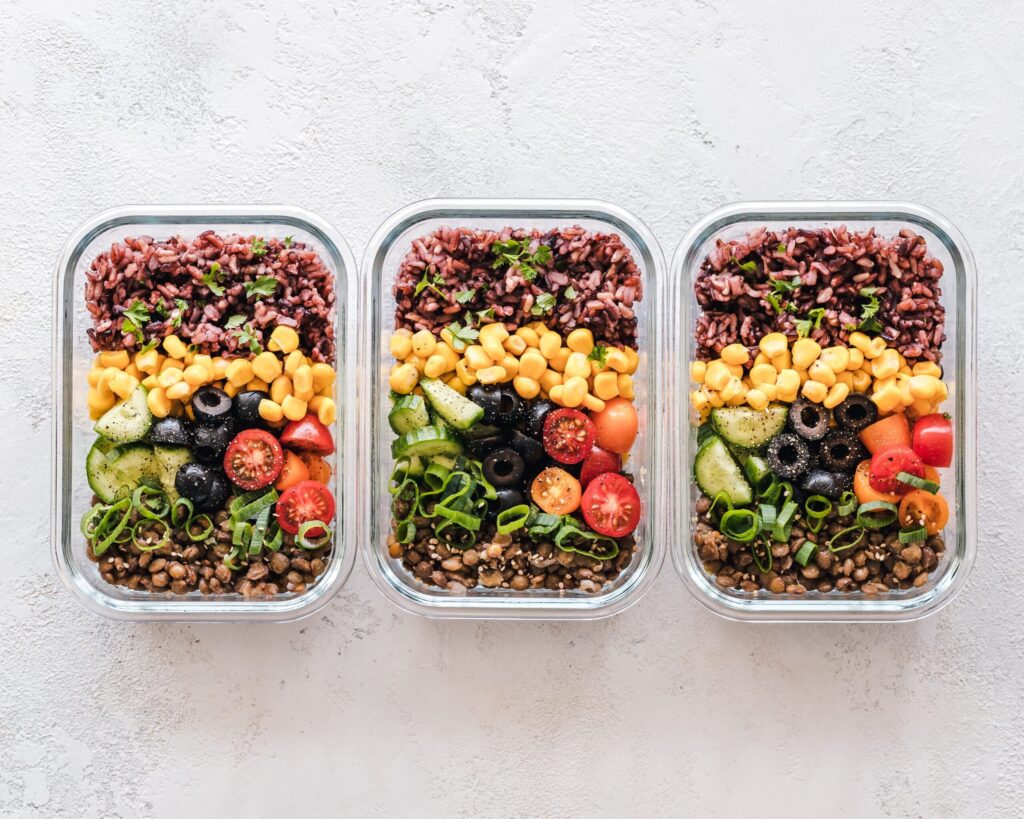
2. High-Fibre Foods: Legumes and Whole Grains
Dietary fibre, particularly soluble fibre, is a crucial component in the fight against visceral fat. Foods such as lentils, chickpeas, oats, and barley are rich in soluble fibre, which slows digestion and promotes satiety, reducing overall caloric intake. A study published in Obesity found that for every 10-gram increase in soluble fibre intake, visceral fat accumulation decreased by 3.7% over five years (Hairston et al., 2011).
Soluble fibre also plays a role in modulating gut microbiota, which influences fat metabolism and storage. Research published in Cell Metabolism found that an improved gut microbiome composition, driven by increased fibre intake, led to lower visceral fat levels (Zhao et al., 2018). The fermentation of soluble fibre by gut bacteria produces short-chain fatty acids (SCFAs) like butyrate, which regulate fat metabolism and reduce inflammation.

Whole grains, particularly those rich in beta-glucans like oats and barley, improve insulin sensitivity and reduce the postprandial glucose spike, preventing excess fat storage. A study in The American Journal of Clinical Nutrition found that individuals consuming whole grains had significantly lower visceral fat than those consuming refined grains (McKeown et al., 2010).
3. Green Tea and Catechins
Green tea is widely recognised for its fat-burning properties, primarily due to its high catechin content. Catechins, a type of flavonoid, enhance fat oxidation and thermogenesis, leading to increased energy expenditure and visceral fat reduction. A meta-analysis published in The International Journal of Obesity concluded that individuals consuming green tea extract experienced significant reductions in visceral fat compared to control groups (Hursel et al., 2011).
Epigallocatechin gallate (EGCG), the most potent catechin in green tea, inhibits an enzyme that breaks down norepinephrine, a hormone that promotes fat breakdown. This prolongs norepinephrine’s activity, increasing fat mobilisation and oxidation. A study in The Journal of Nutrition found that daily consumption of green tea extract led to a 7.7% reduction in visceral fat over 12 weeks (Nagao et al., 2005).

Green tea also enhances insulin sensitivity and glucose metabolism, preventing excess visceral fat accumulation. Research published in The American Journal of Clinical Nutrition found that green tea catechins improved metabolic rate and reduced body fat, particularly in the abdominal region (Venables et al., 2008).
Key Takeaways
| Best Foods for Burning Visceral Fat | Mechanism of Action |
|---|---|
| Fatty Fish (Omega-3s) | Reduces inflammation, improves insulin sensitivity, lowers cortisol levels |
| High-Fibre Foods (Legumes & Whole Grains) | Enhances satiety, regulates gut microbiota, reduces insulin spikes |
| Green Tea (Catechins) | Increases fat oxidation, enhances thermogenesis, improves metabolic rate |
Bibliography
- Buckley, J.D. & Howe, P.R.C., 2009. Obesity. The effects of long-chain omega-3 polyunsaturated fatty acids on obesity, inflammation and insulin resistance.
- Delarue, J., et al., 2003. The Journal of Clinical Endocrinology & Metabolism. Fish oil prevents cortisol-induced stimulation of plasma triacylglycerol levels in healthy humans.
- Hairston, K.G., et al., 2011. Obesity. Dietary soluble fibre intake and visceral fat.
- Hursel, R., et al., 2011. The International Journal of Obesity. The effects of green tea on weight loss and weight maintenance: A meta-analysis.
- Kaushik, M., et al., 2019. PLOS One. Omega-3 fatty acids and visceral adiposity reduction.
- McKeown, N.M., et al., 2010. The American Journal of Clinical Nutrition. Whole grains and abdominal adiposity.
- Nagao, T., et al., 2005. The Journal of Nutrition. Green tea catechins and visceral fat reduction.
- Venables, M.C., et al., 2008. The American Journal of Clinical Nutrition. Green tea extract ingestion reduces visceral fat and improves insulin sensitivity.
- Zhao, L., et al., 2018. Cell Metabolism. Gut microbiota and visceral fat reduction.