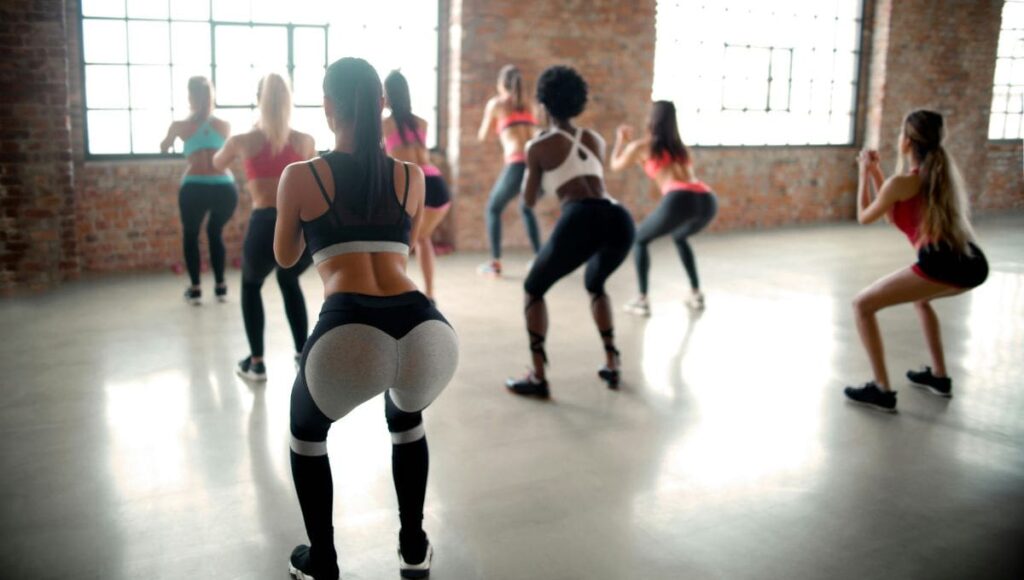
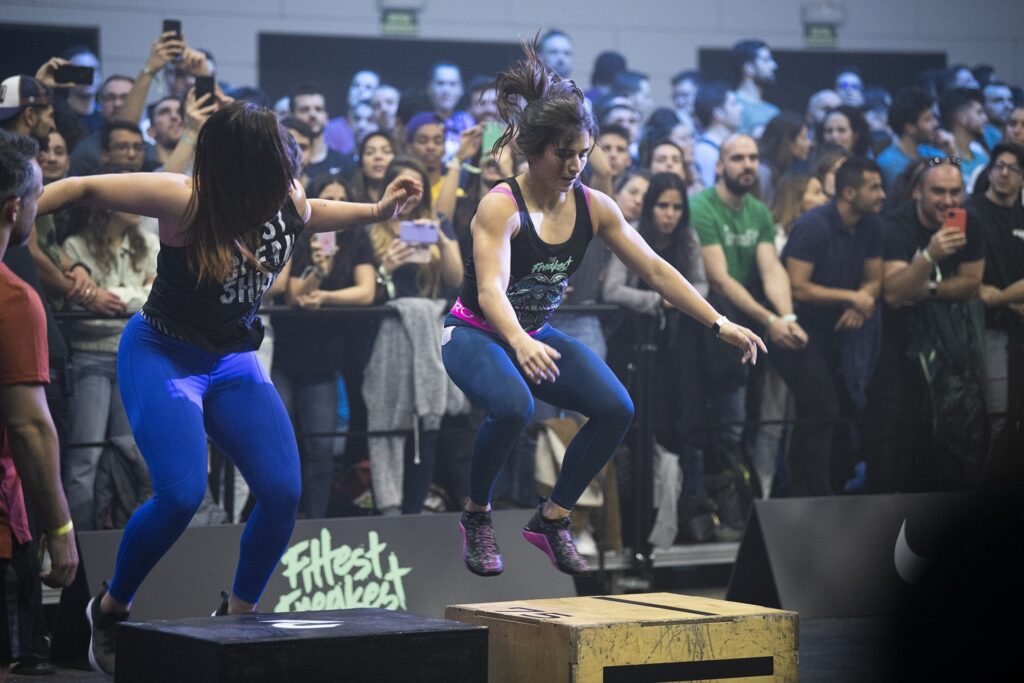
Getting muscular and jacked doesn’t necessarily require a gym membership or fancy equipment. In fact, some of the most effective exercises for building muscle and strength in your lower body can be done with just your body weight. This article will guide you through three of the best lower bodyweight exercises that are scientifically proven to build muscle, increase strength, and improve overall athletic performance.
Whether you’re a beginner or an experienced athlete, these exercises will help you achieve your fitness goals.
Why Focus on Lower Bodyweight Exercises?
Before diving into the exercises, it’s essential to understand why focusing on bodyweight exercises, particularly for the lower body, can be incredibly beneficial.
Benefits of Lower Bodyweight Exercises
1. Improved Functional Strength
Bodyweight exercises are functional by nature, meaning they mimic movements you perform in your daily life. This makes them highly effective at improving overall strength and mobility. Functional strength is crucial for performing everyday tasks with ease and reducing the risk of injury.
2. Enhanced Muscle Growth
Contrary to popular belief, bodyweight exercises can lead to significant muscle hypertrophy (growth). Studies have shown that when performed with proper technique and intensity, bodyweight exercises can elicit similar muscle-building responses as traditional weightlifting exercises .
3. Increased Caloric Burn
Bodyweight exercises engage multiple muscle groups simultaneously, leading to a higher caloric burn during and after the workout. This makes them an excellent choice for those looking to improve body composition by reducing fat and increasing muscle mass .
4. Scalability and Accessibility
One of the greatest advantages of bodyweight exercises is their scalability. They can be easily modified to suit any fitness level, making them accessible to everyone, regardless of experience. Plus, since they require no equipment, you can perform them anywhere, anytime.
The Top 3 Lower Bodyweight Exercises
Let’s dive into the three best lower bodyweight exercises that will get you muscular and jacked.
1. Pistol Squat
The pistol squat is a challenging unilateral exercise that targets the quads, hamstrings, glutes, and calves. It also requires significant core strength and stability, making it a full-body exercise.
How to Perform a Pistol Squat
- Stand on one leg with the other leg extended straight out in front of you.
- Slowly lower your body into a squat position on your standing leg, keeping your extended leg off the ground.
- Lower yourself as far as possible while maintaining control and balance.
- Push through your heel to return to the starting position.
- Repeat for the desired number of repetitions before switching legs.
Muscle Activation and Benefits
The pistol squat is particularly effective at targeting the quadriceps due to the deep knee flexion involved. Research shows that deep squats lead to greater quadriceps activation compared to partial squats . Additionally, the unilateral nature of the pistol squat helps to address muscle imbalances, which can improve overall strength and reduce the risk of injury.
Progressions and Modifications
If you’re new to pistol squats, start by using a support, such as a chair or wall, to help maintain balance. As you build strength, gradually reduce your reliance on the support until you can perform the exercise unassisted. To increase difficulty, add a tempo by lowering yourself slowly or incorporating a pause at the bottom of the squat.
2. Bulgarian Split Squat
The Bulgarian split squat is a powerful exercise that isolates the quads, glutes, and hamstrings. It also enhances balance, stability, and core strength.
How to Perform a Bulgarian Split Squat
- Stand a few feet in front of a bench or elevated surface.
- Place one foot behind you on the bench, with your toes pointing down.
- Lower your body into a squat by bending your front knee, keeping your chest upright.
- Lower until your front thigh is parallel to the ground, or your rear knee nearly touches the floor.
- Push through your front heel to return to the starting position.
- Repeat for the desired number of repetitions before switching legs.
Muscle Activation and Benefits
The Bulgarian split squat places significant emphasis on the quadriceps, especially when performed with a more upright torso. However, by leaning slightly forward, you can increase the activation of the glutes and hamstrings . This exercise also improves hip mobility and flexibility, which are essential for overall lower body health.
Progressions and Modifications
For beginners, start with bodyweight only, focusing on perfecting your form. As you become more comfortable, you can add resistance by holding dumbbells or a kettlebell. Advanced variations include performing the exercise with a slower tempo or adding a jump at the top of the movement to increase explosiveness.
3. Nordic Hamstring Curl
The Nordic hamstring curl is an eccentric-focused exercise that primarily targets the hamstrings but also engages the glutes and lower back muscles. It’s one of the most effective exercises for building hamstring strength and preventing injuries.
How to Perform a Nordic Hamstring Curl
- Kneel on the ground with your feet secured under a heavy object or held by a partner.
- Keep your body straight from your head to your knees.
- Slowly lower your torso towards the ground by extending your knees, resisting the descent as much as possible.
- Catch yourself with your hands as you reach the bottom position, then push off the ground to return to the starting position.
- Repeat for the desired number of repetitions.
Muscle Activation and Benefits
The Nordic hamstring curl emphasizes the eccentric (lengthening) phase of muscle contraction, which is crucial for muscle growth and strength. Eccentric training has been shown to produce greater gains in muscle mass compared to concentric (shortening) training . Moreover, this exercise is highly effective at reducing the risk of hamstring injuries, particularly in athletes .
Progressions and Modifications
Beginners may find the Nordic hamstring curl challenging. To modify, you can perform the exercise with a shorter range of motion or use resistance bands to assist with the movement. As you progress, aim to control the descent for a longer duration or add external resistance for an added challenge.
Combining These Exercises for Maximum Results
Programming for Muscle Growth
To maximise muscle hypertrophy, it’s essential to incorporate these exercises into a well-structured workout programme. Here’s how you can do it:
- Frequency: Aim to perform lower body workouts 2-3 times per week, allowing at least 48 hours of rest between sessions.
- Sets and Reps: For muscle growth, perform 3-5 sets of each exercise with 6-12 repetitions per set. Use a tempo that emphasises time under tension, such as lowering slowly and exploding up.
- Rest Periods: Rest for 60-90 seconds between sets to allow for adequate recovery while maintaining intensity.
Programming for Strength and Power
If your goal is to increase strength and power, consider the following guidelines:
- Frequency: Perform lower body workouts 2-3 times per week.
- Sets and Reps: Perform 4-6 sets of each exercise with 3-6 repetitions per set. Focus on explosive movements and maximal effort during each repetition.
- Rest Periods: Rest for 2-3 minutes between sets to fully recover and maintain high performance.
Incorporating Mobility and Flexibility Work
To complement your strength training, incorporate mobility and flexibility exercises into your routine. This will help improve your range of motion, reduce the risk of injury, and enhance overall performance.
- Dynamic Warm-Up: Before your workout, perform a dynamic warm-up that includes movements like leg swings, lunges, and hip circles to prepare your muscles and joints.
- Post-Workout Stretching: After your workout, spend 5-10 minutes stretching the muscles you’ve worked, focusing on the quads, hamstrings, glutes, and calves.
Conclusion
Lower bodyweight exercises like the pistol squat, Bulgarian split squat, and Nordic hamstring curl are incredibly effective at building muscle, increasing strength, and enhancing overall athletic performance. By incorporating these exercises into your training routine, you can achieve a muscular and jacked physique without the need for heavy weights or complex equipment.
Remember, consistency and proper technique are key to success. Start with the basics, gradually increase the intensity, and always listen to your body. Whether you’re a beginner or an advanced athlete, these exercises will help you reach your fitness goals and improve your overall health.
Key Takeaways
| Exercise | Primary Muscles Targeted | Key Benefits | Progressions/Modifications |
|---|---|---|---|
| Pistol Squat | Quads, glutes, hamstrings | Improves balance, unilateral strength, and mobility | Use support for balance, add tempo for difficulty |
| Bulgarian Split Squat | Quads, glutes, hamstrings | Enhances strength, stability, and mobility | Start with bodyweight, add weights or tempo |
| Nordic Hamstring Curl | Hamstrings, glutes, lower back | Focuses on eccentric strength, reduces injury risk | Use resistance bands for assistance, add external weight |
Bibliography
- Schoenfeld, B.J., 2010. The mechanisms of muscle hypertrophy and their application to resistance training. Journal of Strength and Conditioning Research, 24(10), pp.2857-2872.
- Haskell, W.L., Lee, I-M., Pate, R.R., Powell, K.E., Blair, S.N., Franklin, B.A., Macera, C.A., Heath, G.W., Thompson, P.D. and Bauman, A., 2007. Physical activity and public health: updated recommendation for adults from the American College of Sports Medicine and the American Heart Association. Medicine and Science in Sports and Exercise, 39(8), pp.1423-1434.
- Kubo, K., Ikebukuro, T. and Yata, H., 2010. Effects of squat training with different depths on lower limb muscle volumes. European Journal of Applied Physiology, 110(3), pp.285-294.
- Guex, K. and Millet, G.P., 2013. Conceptual framework for strengthening exercises to prevent hamstring strains. Sports Medicine, 43(12), pp.1207-1215.
- O’Sullivan, K., McAuliffe, S., DeBurca, N. and Hannon, P., 2012. The Nordic hamstring exercise for preventing hamstring injuries. International Journal of Sports Physical Therapy, 7(6), pp.691-696.
- Suchomel, T.J., Nimphius, S. and Stone, M.H., 2016. The importance of muscular strength: training considerations. Sports Medicine, 46(10), pp.1419-1449.
This article provides a comprehensive guide to three of the best lower bodyweight exercises, each backed by scientific research and practical insights. Implement these exercises into your routine, and you’ll be well on your way to a stronger, more muscular lower body.