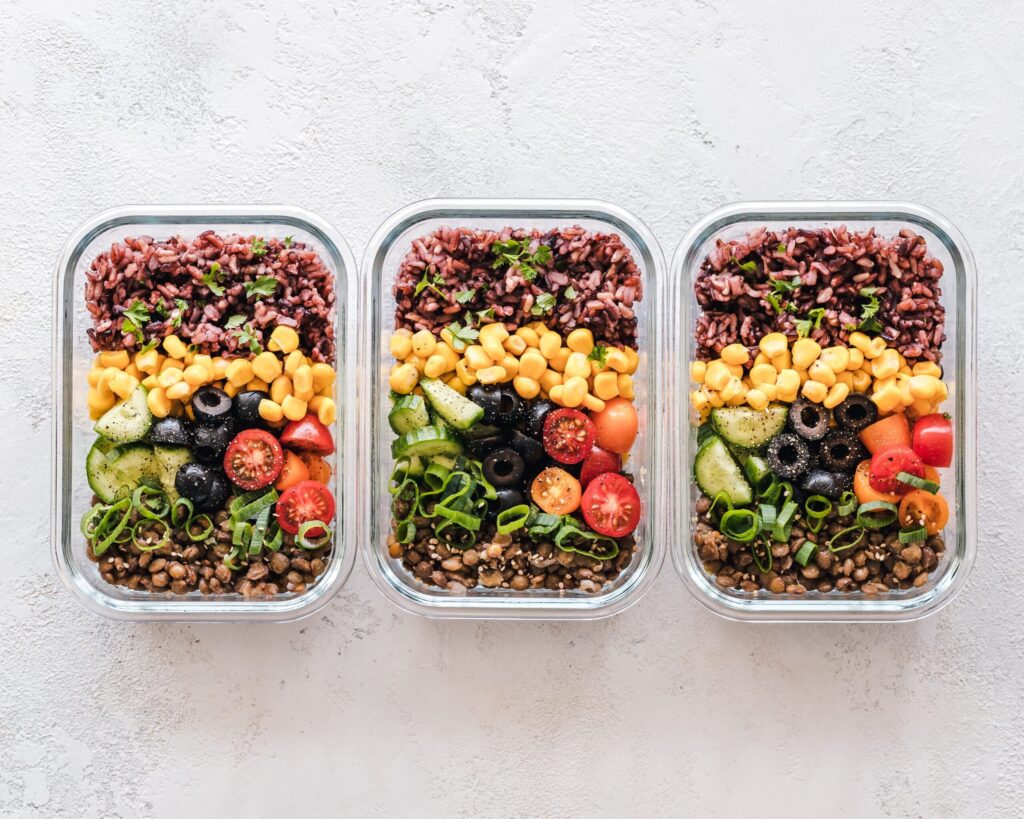
What you eat before exercise can significantly influence your performance, endurance, and recovery. Pre-workout meals provide the necessary fuel to maximise energy output and minimise muscle breakdown.
Research suggests that consuming a balanced combination of carbohydrates, proteins, and fats can optimise workout results by enhancing glycogen stores, maintaining muscle integrity, and improving endurance (Kerksick et al., 2018). The ideal pre-workout meal should be consumed 1 to 3 hours before training, depending on digestion speed and individual preference.
1. Oats with Banana and Whey Protein
Oats are a slow-digesting carbohydrate source that ensures a sustained release of energy throughout your workout. A study by Burke et al. (2011) found that low-glycaemic index (GI) carbohydrates like oats promote better endurance performance by stabilising blood glucose levels and prolonging glycogen availability. Adding banana provides an additional fast-digesting carbohydrate source, replenishing glycogen stores more quickly, while also supplying potassium to prevent muscle cramps (Rodriguez et al., 2009).
Whey protein further enhances muscle protein synthesis and recovery, supporting muscle growth and maintenance (Phillips, 2016).
How to prepare:
- 50g of rolled oats
- 1 medium banana
- 25g whey protein
- 250ml water or milk
2. Chicken and Brown Rice
A meal rich in lean protein and complex carbohydrates provides sustained energy for strength training and endurance workouts. Brown rice has a medium glycaemic index, meaning it delivers a steady glucose release to the bloodstream, reducing the likelihood of energy crashes. Studies have shown that carbohydrate consumption before exercise improves performance by delaying fatigue (Jeukendrup, 2014).
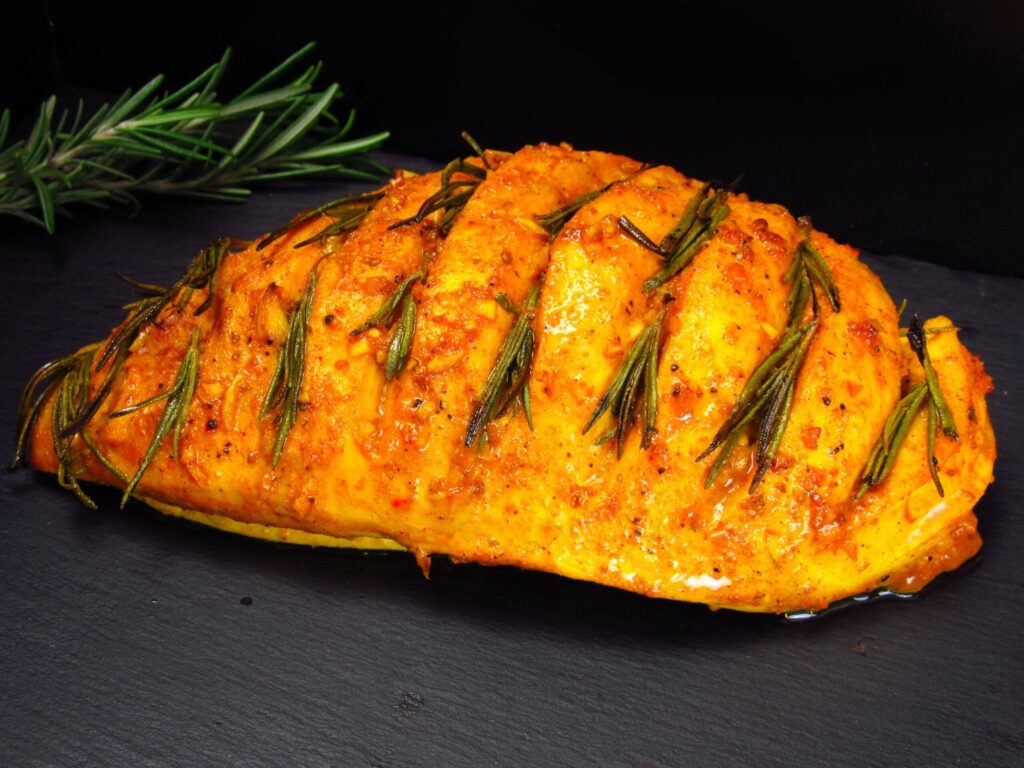
Chicken, a high-quality protein source, aids in muscle protein balance and recovery post-training (Moore et al., 2009). The combination of these macronutrients enhances muscle function and overall workout efficiency.
How to prepare:
- 100g grilled chicken breast
- 75g cooked brown rice
- 1 tsp olive oil for added healthy fats
3. Greek Yoghurt with Berries and Nuts
Greek yoghurt is a rich source of casein and whey proteins, promoting prolonged amino acid release, which is beneficial for muscle repair and growth (Boirie et al., 1997). The inclusion of berries offers a quick source of carbohydrates while providing antioxidants that help combat exercise-induced oxidative stress (Powers et al., 2010).

Nuts, such as almonds or walnuts, supply healthy fats that contribute to prolonged energy release without causing digestive distress during workouts. This combination makes it an ideal pre-workout meal for sustained performance and muscle protection.
How to prepare:
- 150g Greek yoghurt
- 50g mixed berries
- 15g almonds or walnuts
Conclusion
Pre-workout nutrition is critical in optimising performance, preventing fatigue, and supporting muscle recovery. A balanced intake of carbohydrates, proteins, and fats tailored to individual training needs ensures sustained energy and improved endurance. By consuming meals like oats with banana and whey, chicken with brown rice, or Greek yoghurt with berries and nuts, athletes and gym-goers can enhance their exercise capacity and recovery.
Key Takeaways
| Pre-Workout Meal | Main Benefits |
|---|---|
| Oats with Banana and Whey Protein | Sustained energy release, muscle protein synthesis, improved endurance |
| Chicken and Brown Rice | Prolonged glucose supply, muscle maintenance, delayed fatigue |
| Greek Yoghurt with Berries and Nuts | Slow-digesting protein for muscle repair, antioxidants for recovery, healthy fats for energy |
References
Boirie, Y. et al. (1997) ‘Slow and fast dietary proteins differently modulate postprandial protein accretion’, Proceedings of the National Academy of Sciences, 94(26), pp. 14930-14935.
Burke, L.M. et al. (2011) ‘Pre-exercise carbohydrate intake and endurance performance: a meta-analysis’, Sports Medicine, 41(4), pp. 267-292.
Jeukendrup, A.E. (2014) ‘Carbohydrate intake during exercise and performance’, Nutrition, 30(7-8), pp. 707-708.
Kerksick, C.M. et al. (2018) ‘International Society of Sports Nutrition position stand: nutrient timing’, Journal of the International Society of Sports Nutrition, 15(1), p. 17.
Moore, D.R. et al. (2009) ‘Protein ingestion to stimulate myofibrillar protein synthesis requires greater relative protein intakes in older versus younger men’, The Journal of Nutrition, 139(9), pp. 1553-1558.
Phillips, S.M. (2016) ‘The impact of protein quality on the promotion of resistance exercise-induced changes in muscle mass’, Nutrition & Metabolism, 13(1), p. 64.
Powers, S.K. et al. (2010) ‘Exercise-induced oxidative stress: cellular mechanisms and impact on muscle force production’, Physiological Reviews, 90(4), pp. 1247-1276.
Rodriguez, N.R. et al. (2009) ‘Position of the American Dietetic Association, Dietitians of Canada, and the American College of Sports Medicine: nutrition and athletic performance’, Journal of the American Dietetic Association, 109(3), pp. 509-527.