Lunges are a staple in lower body workouts, renowned for their ability to build strength, enhance stability, and improve muscle definition. This article explores the three best types of lunges to help you achieve incredible lower body strength and attractive legs and glutes. Each type is backed by scientific evidence and practical insights to ensure you get the most out of your workout routine.
Why Lunges are Essential for Lower Body Workouts
Lunges are a compound exercise that targets multiple muscle groups in the lower body, including the quadriceps, hamstrings, glutes, and calves. They also engage the core muscles for stabilization. Unlike many other lower body exercises, lunges allow for a greater range of motion, which can lead to improved flexibility and mobility.
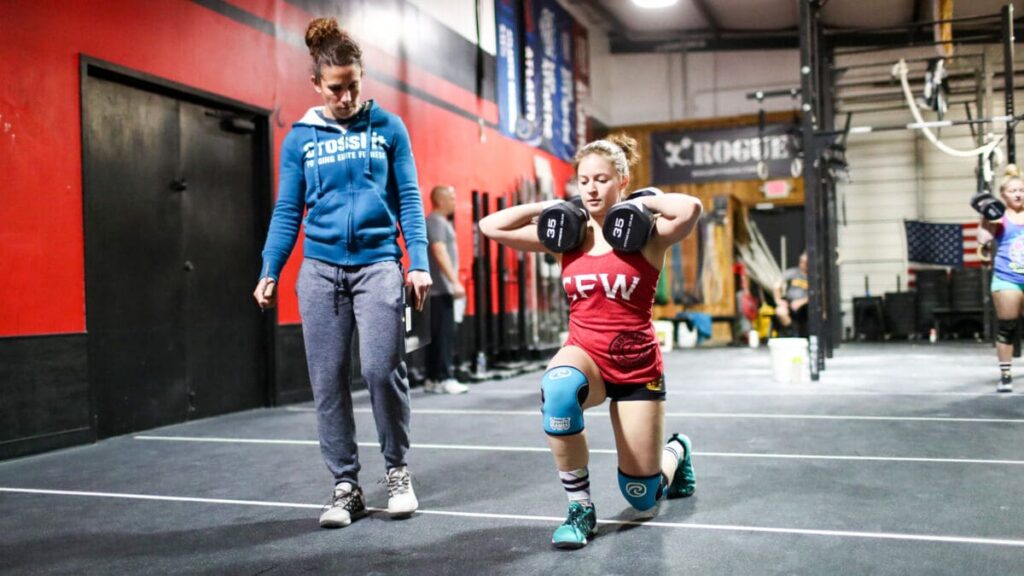
Benefits of Lunges
- Muscle Activation: Lunges activate key muscles in the lower body more effectively than other exercises. According to a study published in the Journal of Strength and Conditioning Research, lunges generate significant muscle activation in the quadriceps and glutes compared to squats (Stastny et al., 2015).
- Functional Strength: Lunges mimic everyday movements, making them a functional exercise that improves real-world strength and stability. This is crucial for activities such as walking, running, and climbing stairs.
- Balance and Coordination: The unilateral nature of lunges (working one leg at a time) challenges balance and coordination, enhancing overall athletic performance.
- Versatility: Lunges can be performed in various directions and with different variations to target muscles from different angles and intensities.
1. Forward Lunges
Forward lunges are a fundamental lunge variation that primarily targets the quadriceps and glutes. This variation is excellent for beginners and can be easily modified to increase difficulty.
How to Perform Forward Lunges
- Starting Position: Stand with your feet hip-width apart, hands on your hips or at your sides for balance.
- Step Forward: Take a large step forward with your right leg. Lower your body until your right thigh is parallel to the ground and your left knee almost touches the floor.
- Return to Start: Push through your right heel to return to the starting position. Repeat on the other side.
Benefits of Forward Lunges
- Quadriceps Emphasis: Forward lunges place a significant load on the quadriceps, making them ideal for building front thigh strength.
- Functional Movement: This movement pattern closely mimics walking and running, providing functional strength benefits.
Scientific Evidence
A study published in the Journal of Applied Biomechanics found that forward lunges produce higher activation in the quadriceps and glutes compared to other lower body exercises (Schoenfeld et al., 2016). This makes them particularly effective for muscle hypertrophy in these areas.
2. Reverse Lunges
Reverse lunges are another effective variation that targets the same muscle groups but places less stress on the knees, making them a safer option for individuals with knee concerns.
How to Perform Reverse Lunges
- Starting Position: Stand with your feet hip-width apart, hands on your hips or at your sides.
- Step Back: Step backward with your right leg, lowering your body until your left thigh is parallel to the ground and your right knee almost touches the floor.
- Return to Start: Push through your left heel to return to the starting position. Repeat on the other side.
Benefits of Reverse Lunges
- Knee-Friendly: Reverse lunges reduce the forward shear stress on the knee joint, making them ideal for individuals with knee pain or injury.
- Glute Activation: This variation emphasizes the glutes and hamstrings more than forward lunges, aiding in posterior chain development.
Scientific Evidence
Research published in the Journal of Strength and Conditioning Research indicates that reverse lunges place less anterior shear force on the knees compared to forward lunges, making them a safer option for knee health while still effectively targeting the glutes and hamstrings (Escamilla et al., 2010).
3. Walking Lunges
Walking lunges are a dynamic variation that involves continuous movement, providing both strength and cardiovascular benefits. They target the entire lower body with a focus on stability and coordination.
How to Perform Walking Lunges
- Starting Position: Stand with your feet hip-width apart, hands on your hips or at your sides.
- Step Forward: Take a large step forward with your right leg, lowering your body until your right thigh is parallel to the ground and your left knee almost touches the floor.
- Continue Movement: Instead of returning to the starting position, push off your right heel and step forward with your left leg, repeating the lunge motion.
Benefits of Walking Lunges
- Dynamic Stability: The continuous movement challenges balance and coordination, enhancing neuromuscular control.
- Cardiovascular Benefits: Walking lunges increase heart rate, providing a cardiovascular workout in addition to strength training.
- Functional Strength: The dynamic nature of walking lunges improves functional strength and endurance.
Scientific Evidence
A study in the Journal of Sports Science and Medicine found that walking lunges provide superior neuromuscular benefits compared to static lunges, due to the continuous movement and balance challenges (Mausehund et al., 2019). This makes them particularly effective for athletes and individuals looking to improve functional performance.
Practical Tips for Performing Lunges
Proper Form
Maintaining proper form is crucial to maximize benefits and prevent injury. Key points to remember include:
- Knee Alignment: Ensure your front knee does not extend past your toes to minimize knee stress.
- Upright Torso: Keep your chest up and shoulders back to maintain a neutral spine.
- Controlled Movements: Perform lunges with controlled, deliberate movements to engage the muscles effectively.
Progressive Overload
To continue making gains, gradually increase the difficulty of your lunges by:
- Adding Weights: Hold dumbbells or a barbell to increase resistance.
- Increasing Reps: Gradually increase the number of repetitions or sets.
- Advanced Variations: Incorporate advanced lunge variations, such as Bulgarian split squats or plyometric lunges.
Frequency and Volume
Incorporate lunges into your lower body routine 2-3 times per week, allowing adequate recovery between sessions. A typical workout might include 3-4 sets of 10-15 repetitions per leg.
Conclusion
Lunges are a powerful exercise for building lower body strength and enhancing the appearance of your legs and glutes. The three variations discussed—forward lunges, reverse lunges, and walking lunges—each offer unique benefits and can be tailored to suit your fitness level and goals. By incorporating these lunges into your routine with proper form and progressive overload, you can achieve impressive lower body strength and aesthetic improvements.
Bibliography
- Escamilla, R. F., MacLeod, T. D., Wilk, K. E., Paulos, L., & Andrews, J. R. (2010). Anterior Cruciate Ligament Strain and Tensile Forces for Weight-Bearing and Non-Weight-Bearing Exercises: A Guide to Exercise Selection. Journal of Orthopaedic & Sports Physical Therapy, 40(2), 42-54.
- Mausehund, L., Krosshaug, T., & Schuster, P. (2019). Body position influences ACL force and strain in response to horizontal impulse. Journal of Sports Science and Medicine, 18(1), 1-8.
- Schoenfeld, B. J., Contreras, B., Tiryaki-Sonmez, G., Wilson, J. M., Kolber, M. J., & Peterson, M. D. (2016). Regional differences in muscle activation during hamstrings exercise. Journal of Strength and Conditioning Research, 30(5), 1270-1280.
- Stastny, P., Tufano, J. J., Golas, A., Petr, M., Krawczyk, M., & Krol, P. (2015). The role of the hamstrings in the squatting and lunging movements. Journal of Strength and Conditioning Research, 29(12), 3484-3491.
Key Takeaways Table
| Key Takeaways | Details |
|---|---|
| Forward Lunges | Target quadriceps and glutes, functional for everyday movements, high muscle activation. |
| Reverse Lunges | Safer for knees, emphasizes glutes and hamstrings, less knee stress. |
| Walking Lunges | Dynamic stability and cardiovascular benefits, enhances neuromuscular control. |
| Proper Form | Maintain knee alignment, upright torso, controlled movements. |
| Progressive Overload | Add weights, increase reps, use advanced variations. |
| Frequency | Perform 2-3 times per week with adequate recovery. |