Losing body fat becomes increasingly challenging as we age, especially once we hit 35. Metabolic rates slow down, muscle mass decreases, and hormonal changes make fat loss harder. However, with the right strategies backed by scientific research, it is possible to achieve significant fat loss efficiently. This article explores the three best ways for people over 35 to lose body fat faster, grounded in evidence-based practices.
Understanding the Challenges
Before diving into the methods, it’s essential to understand the physiological changes that occur after 35. The basal metabolic rate (BMR) decreases with age, meaning fewer calories are burned at rest.
Additionally, muscle mass declines by about 3-8% per decade after 30, contributing to a slower metabolism . Hormonal changes, such as reduced testosterone in men and menopause in women, also play a role in fat distribution and storage . Understanding these factors can help tailor an effective fat loss strategy.
Method 1: High-Intensity Interval Training (HIIT)
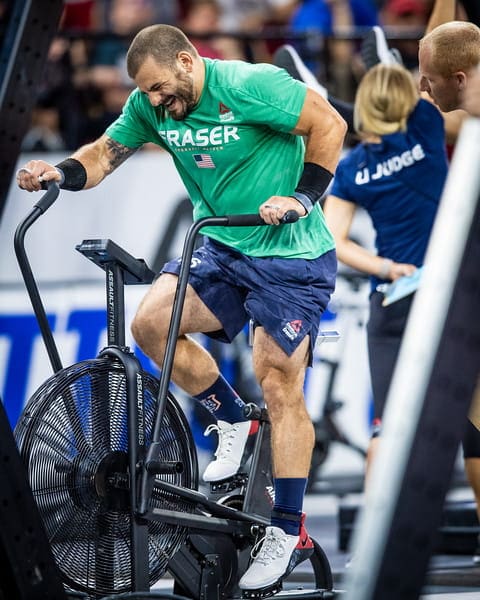
What is HIIT?
High-Intensity Interval Training (HIIT) involves short bursts of intense exercise alternated with low-intensity recovery periods. It is renowned for its efficiency in burning fat and improving cardiovascular fitness in a shorter time compared to traditional steady-state cardio.
How HIIT Works
HIIT increases the metabolic rate significantly for hours after exercise due to excess post-exercise oxygen consumption (EPOC) . This means you continue to burn calories even after the workout is over. HIIT also helps preserve muscle mass, which is crucial as muscle burns more calories than fat, even at rest .
Scientific Evidence
A study published in the Journal of Obesity found that participants performing HIIT three times a week for 20 minutes per session lost 2 kg of body fat in 12 weeks without any dietary changes . Another study in the American Journal of Physiology showed that HIIT significantly improved insulin sensitivity and glucose metabolism, which are critical for fat loss .
Implementing HIIT
- Start Slow: Begin with one or two HIIT sessions per week to avoid injury and allow your body to adapt.
- Choose Your Exercise: HIIT can be performed with running, cycling, rowing, or bodyweight exercises like burpees and jump squats.
- Intensity and Duration: Aim for 20-30 minutes per session with intervals of 30 seconds of high intensity followed by 1-2 minutes of low intensity.
Example HIIT Routine
- Warm-up: 5 minutes of light cardio.
- Intervals: 30 seconds sprinting, 90 seconds walking. Repeat 8-10 times.
- Cool down: 5 minutes of stretching.
Method 2: Strength Training

Importance of Strength Training
Strength training is vital for preserving and building muscle mass, which naturally declines with age. More muscle mass leads to a higher BMR, enhancing calorie burn even when not exercising.
How Strength Training Works
Strength training stimulates muscle protein synthesis, leading to muscle growth. It also enhances insulin sensitivity and glucose uptake, which helps in better fat utilisation and storage . Additionally, strength training increases the EPOC, similar to HIIT, contributing to a higher overall calorie burn .
Scientific Evidence
Research published in Medicine & Science in Sports & Exercise found that older adults who engaged in strength training twice a week experienced significant increases in lean body mass and decreases in body fat percentage . Another study from the Journal of Applied Physiology demonstrated that resistance training significantly boosts resting metabolic rate, aiding long-term fat loss .
Implementing Strength Training
- Frequency: Aim for at least two to three strength training sessions per week.
- Exercises: Focus on compound movements like squats, deadlifts, bench presses, and rows that work multiple muscle groups.
- Progression: Gradually increase the weights and intensity to continue challenging your muscles and promoting growth.
Example Strength Training Routine
- Warm-up: 5 minutes of light cardio and dynamic stretches.
- Workout:
- Squats: 3 sets of 8-10 reps
- Deadlifts: 3 sets of 8-10 reps
- Bench Press: 3 sets of 8-10 reps
- Bent-over Rows: 3 sets of 8-10 reps
- Cool down: 5 minutes of static stretching.
Method 3: Nutrition Optimisation
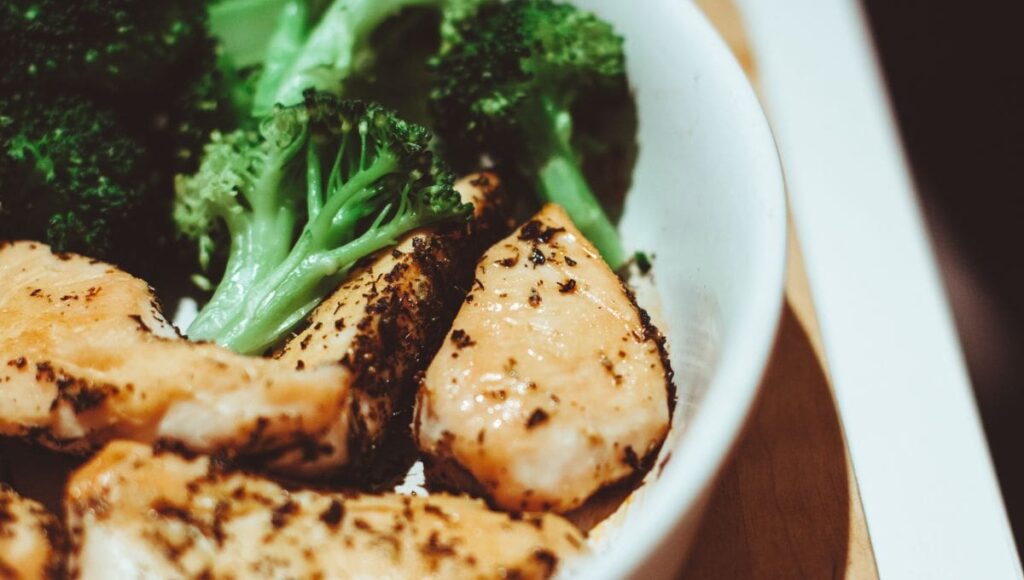
Importance of Nutrition
Diet plays a crucial role in fat loss. As metabolism slows with age, it becomes vital to adjust calorie intake and nutrient quality to support fat loss and overall health.
How Nutrition Optimisation Works
Focusing on a diet rich in whole foods, adequate protein, and balanced macronutrients helps create a calorie deficit while maintaining muscle mass. Protein is particularly important as it promotes satiety, preserves muscle, and requires more energy to digest compared to fats and carbohydrates .
Scientific Evidence
A study published in The American Journal of Clinical Nutrition found that a higher protein intake significantly contributes to fat loss and muscle preservation during a calorie deficit . Another research in Nutrition & Metabolism highlighted the benefits of a balanced diet with a slight caloric deficit for sustained fat loss and metabolic health .
Implementing Nutrition Optimisation
- Protein Intake: Aim for 1.2-2.0 grams of protein per kilogram of body weight.
- Balanced Diet: Include a variety of vegetables, fruits, whole grains, lean proteins, and healthy fats.
- Calorie Deficit: Calculate your maintenance calories and aim for a 10-20% reduction to promote fat loss without compromising muscle mass.
Example Nutrition Plan
- Breakfast: Greek yoghurt with berries and a handful of nuts.
- Lunch: Grilled chicken salad with mixed greens, quinoa, and olive oil dressing.
- Snack: Apple slices with almond butter.
- Dinner: Baked salmon, steamed broccoli, and sweet potato.
Conclusion
Losing body fat after 35 is challenging but achievable with the right approach. High-Intensity Interval Training (HIIT), strength training, and nutrition optimisation are three scientifically-backed methods to accelerate fat loss while preserving muscle mass and improving overall health. By incorporating these strategies into your lifestyle, you can overcome the metabolic and hormonal challenges that come with age.
Key Takeaways
| Method | Key Points |
|---|---|
| High-Intensity Interval Training (HIIT) | – Short, intense workouts with recovery periods.- Increases metabolic rate and preserves muscle.- Effective for fat loss and cardiovascular health. |
| Strength Training | – Builds and preserves muscle mass.- Enhances metabolic rate and insulin sensitivity.- Incorporate compound movements. |
| Nutrition Optimisation | – Focus on whole foods and balanced macronutrients.- Adequate protein intake is crucial.- Maintain a moderate calorie deficit. |
Bibliography
- Westerterp, K. R. (2018). ‘Physical activity and physical activity induced energy expenditure in humans: measurement, determinants, and effects’. Frontiers in Physiology, 9, 91.
- Hughes, V. A., Frontera, W. R., Roubenoff, R., Evans, W. J., & Singh, M. A. (2002). ‘Longitudinal changes in body composition in older men and women: role of body weight change and physical activity’. The American Journal of Clinical Nutrition, 76(2), 473-481.
- Tremblay, A., & Chaput, J. P. (2009). ‘Adaptive reduction in thermogenesis and resistance to lose fat in obese men’. The British Journal of Nutrition, 102(4), 623-625.
- Pimenta, F., Leal, I., Maroco, J., & Ramos, C. (2011). ‘Menopause Symptoms: Predictors of Perception of Health and Attitude towards Menopause’. Journal of Women & Aging, 23(2), 136-147.
- LaForgia, J., Withers, R. T., & Gore, C. J. (2006). ‘Effects of exercise intensity and duration on the excess post-exercise oxygen consumption’. Journal of Sports Sciences, 24(12), 1247-1264.
- Talanian, J. L., Galloway, S. D. R., Heigenhauser, G. J. F., Bonen, A., & Spriet, L. L. (2007). ‘Two weeks of high-intensity aerobic interval training increases the capacity for fat oxidation during exercise in women’. Journal of Applied Physiology, 102(4), 1439-1447.
- Boutcher, S. H. (2011). ‘High-intensity intermittent exercise and fat loss’. Journal of Obesity, 2011, 868305.
- Little, J. P., Gillen, J. B., Percival, M. E., Safdar, A., Tarnopolsky, M. A., Punthakee, Z., … & Gibala, M. J. (2011). ‘Low-volume high-intensity interval training reduces hyperglycemia and increases muscle mitochondrial capacity in patients with type 2 diabetes’. Journal of Applied Physiology, 111(6), 1554-1560.
- Sillanpää, E., Häkkinen, K., Nyman, K., Mattila, M., Cheng, S., Karavirta, L., … & Kovanen, V. (2008). ‘Body composition and fitness during strength and/or endurance training in older men’. Medicine & Science in Sports & Exercise, 40(5), 950-958.
- Hunter, G. R., McCarthy, J. P., & Bamman, M. M. (2004). ‘Effects of resistance training on older adults’. Sports Medicine, 34(5), 329-348.
- Mitchell, C. J., Churchward-Venne, T. A., West, D. W. D., Burd, N. A., Breen, L., Baker, S. K., & Phillips, S. M. (2012). ‘Resistance exercise load does not determine training-mediated hypertrophic gains in young men’. Journal of Applied Physiology, 113(1), 71-77.
- Leidy, H. J., Clifton, P. M., Astrup, A., Wycherley, T. P., Westerterp-Plantenga, M. S., Luscombe-Marsh, N. D., & Mattes, R. D. (2015). ‘The role of protein in weight loss and maintenance’. The American Journal of Clinical Nutrition, 101(6), 1320S-1329S.
- Layman, D. K., Clifton, P., Gannon, M. C., Krauss, R. M., & Nuttall, F. Q. (2008). ‘Protein in optimal health: heart disease and type 2 diabetes’. The American Journal of Clinical Nutrition, 87(5), 1571S-1575S.
By following these evidence-based methods, people over 35 can effectively lose body fat and maintain a healthy and active lifestyle.