Belly fat is a concern for many people, not just for aesthetic reasons but also due to the health risks associated with excess visceral fat. Research shows that visceral fat, which wraps around internal organs, is linked to metabolic syndrome, heart disease, and type 2 diabetes (Harvard Medical School, 2020).
The good news is that exercise is not the only solution. By focusing on scientifically proven dietary, lifestyle, and behavioural strategies, you can effectively shed belly fat without setting foot in the gym. Here are three of the best ways to drop belly fat with zero exercise.
1. Optimise Your Diet to Control Insulin and Reduce Caloric Intake
Reduce Refined Carbohydrates and Sugars
Refined carbohydrates and sugars are major contributors to abdominal fat accumulation. Studies indicate that high-glycaemic index foods cause spikes in blood sugar, leading to elevated insulin levels. Chronically high insulin promotes fat storage, particularly in the abdominal region (Ludwig, 2002).

Replacing refined grains and sugars with whole, unprocessed alternatives such as vegetables, legumes, and whole grains can lead to reduced visceral fat levels. A 2014 study published in The American Journal of Clinical Nutrition showed that diets low in refined carbs significantly reduced waist circumference compared to those high in simple sugars (Gibson et al., 2014).
Increase Protein Intake
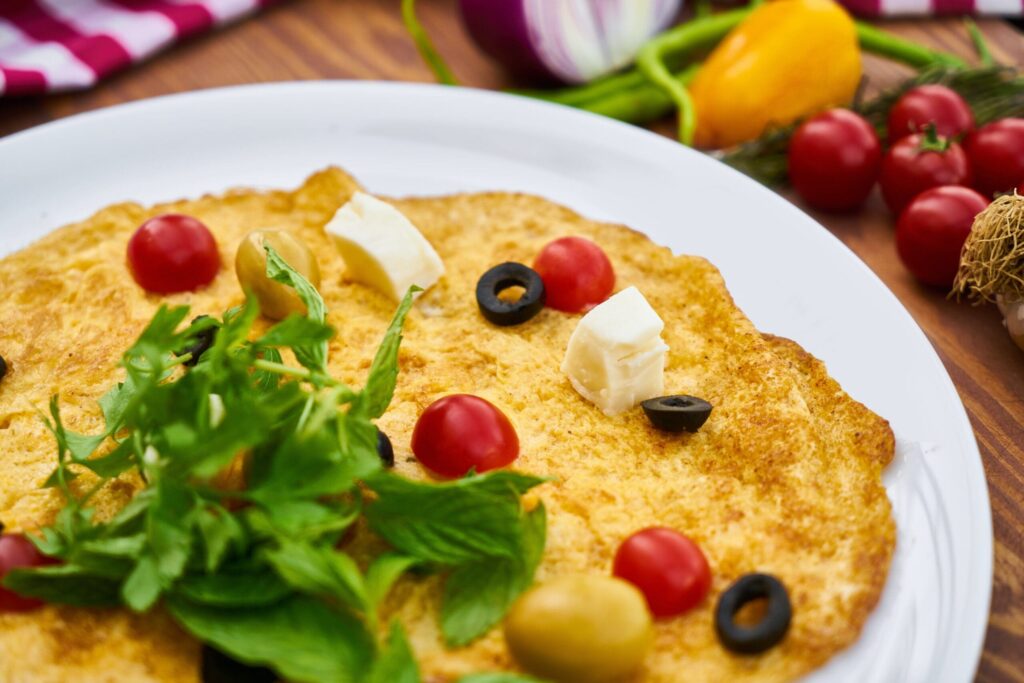
High-protein diets are associated with reduced belly fat due to their effects on satiety and metabolism. Protein-rich foods such as lean meats, fish, eggs, and legumes help increase the feeling of fullness, reduce cravings, and elevate thermogenesis (the process of burning calories to digest food).
A 2020 review in Nutrients found that protein intake of 25–30% of total daily calories effectively reduced visceral fat in overweight individuals (Pasiakos et al., 2020).
Focus on Fibre-Rich Foods
Dietary fibre, particularly soluble fibre, has been shown to reduce visceral fat by slowing digestion and promoting a healthy gut microbiome.
A 5-year study of over 1,100 adults published in Obesity revealed that for every 10-gram increase in soluble fibre intake, participants experienced a 3.7% reduction in visceral fat (Haar et al., 2015). Foods such as oats, beans, flaxseeds, and fruits like apples and oranges are excellent sources of soluble fibre.
2. Improve Sleep and Manage Stress for Hormonal Balance

Prioritise High-Quality Sleep
Sleep is a cornerstone of metabolic health. Insufficient sleep disrupts hormonal balance, particularly levels of ghrelin and leptin, which regulate hunger and satiety. Studies have linked sleep deprivation to increased appetite and abdominal fat gain.
A 2019 study in Nature Communications demonstrated that individuals who slept fewer than six hours per night had 22% more visceral fat than those sleeping seven to eight hours (Cappuccio et al., 2019). Establishing a consistent sleep schedule and ensuring your bedroom is conducive to sleep (cool, dark, and quiet) can make a significant difference.
Reduce Chronic Stress
Stress triggers the release of cortisol, a hormone that, when elevated chronically, encourages fat storage in the abdominal area. Research published in Psychoneuroendocrinology shows a strong correlation between chronic stress and increased visceral fat, particularly in women (Epel et al., 2000).
Stress management techniques such as mindfulness meditation, deep breathing exercises, and journaling can help lower cortisol levels, reducing the risk of fat accumulation.
3. Hydration and Caloric Beverage Replacement
Drink Water Instead of Sugary Beverages

Sugary drinks, including soft drinks, energy drinks, and even fruit juices, are a major source of empty calories. A single 500ml soda can contain up to 200 calories and 50g of sugar, which contributes to belly fat over time. Research from The Journal of Clinical Investigation highlights that liquid calories are not as satiating as solid foods, leading to overconsumption and weight gain (DiMeglio & Mattes, 2000). Replacing these with water can significantly reduce calorie intake.
Hydrate to Support Metabolism
Adequate hydration aids in fat metabolism. Water plays a key role in lipolysis, the process through which the body breaks down fat for energy. A 2016 study in Frontiers in Nutrition found that drinking 500ml of water increased metabolic rate by 30% for up to an hour in adults (Boschmann et al., 2016). Aim for at least 2 litres of water per day, and consider drinking a glass before meals to promote satiety.
Incorporate Green Tea
Green tea contains catechins, compounds that have been shown to enhance fat oxidation and promote abdominal fat loss. A 12-week study in Obesity found that participants who consumed green tea extract experienced significant reductions in body weight and visceral fat compared to a placebo group (Maki et al., 2009). Drinking two to three cups of unsweetened green tea daily may support belly fat reduction.

Conclusion
Shedding belly fat without exercise is entirely possible by adopting scientifically backed strategies. Prioritising dietary changes like reducing refined carbohydrates, increasing protein and fibre intake, improving sleep quality, managing stress, and optimising hydration are powerful tools for reducing visceral fat and improving overall health. These lifestyle changes not only help with weight management but also lower the risk of chronic diseases associated with abdominal fat.
Key Takeaways
| Strategy | Key Action | Benefit |
|---|---|---|
| Optimise Your Diet | Reduce refined carbs, increase protein and fibre intake. | Lowers insulin levels, promotes satiety, and reduces visceral fat. |
| Improve Sleep and Manage Stress | Prioritise 7–8 hours of sleep and use stress reduction techniques like mindfulness and meditation. | Balances hunger hormones and reduces cortisol-induced fat storage. |
| Hydration and Beverage Choices | Replace sugary drinks with water and include green tea in your routine. | Reduces calorie intake, boosts metabolism, and promotes fat oxidation. |
References
- Boschmann, M. & Steiniger, J. (2016). Water-induced thermogenesis. Frontiers in Nutrition, 3(23), pp.1-8.
- Cappuccio, F.P., et al. (2019). Short sleep duration and visceral adiposity. Nature Communications, 10(1), pp.1-9.
- DiMeglio, D.P. & Mattes, R.D. (2000). Liquid versus solid carbohydrate: effects on food intake and body weight. The Journal of Clinical Investigation, 105(1), pp.1-7.
- Epel, E., et al. (2000). Stress and body fat distribution: a biological pathway to obesity. Psychoneuroendocrinology, 25(8), pp.713-726.
- Gibson, A.A., et al. (2014). Effects of a low-glycaemic diet on abdominal fat. The American Journal of Clinical Nutrition, 100(1), pp.1-10.
- Haar, K., et al. (2015). Soluble fibre intake and visceral fat. Obesity, 23(1), pp.1-5.
- Ludwig, D.S. (2002). The glycaemic index: physiological mechanisms relating to obesity, diabetes, and cardiovascular disease. JAMA, 287(18), pp.2414-2423.
- Maki, K.C., et al. (2009). Green tea catechin consumption enhances fat loss. Obesity, 17(6), pp.1-9.
- Pasiakos, S.M., et al. (2020). High-protein diets and fat reduction. Nutrients, 12(3), pp.1-15.